


Insights

Top stories
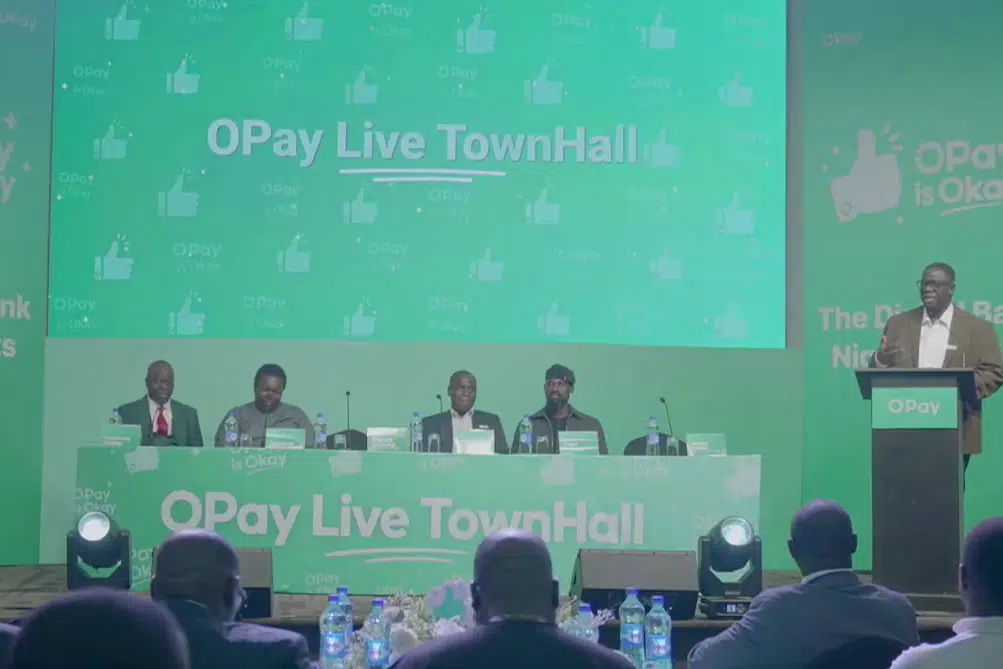
A false claim about OPay got over two million impressions before it was deleted. The apology came fast but the payout system that made the post worth publishing has not moved at all

On Techpoint Digest, we discuss FlexPay directors being arrested for KSh 31.2 million, Uber exiting Nigeria and Uganda, and Mbappé-backed Alan entering Africa.
On Techpoint Digest, we discuss Paystack acquiring Allawee, ChipMango raising $1.9 million for chip design, and TikTok adding a voice in comments.

On Techpoint Digest, we discuss MoMo PSB’s appointment of an ex-Flutterwave COO as CEO, Timon’s efforts to build finance without borders, and the launch of Starlink in Equatorial Guinea.

On Techpoint Digest, we discuss Kenya’s proposed 5% tax on YouTube earnings, UMB’s approval to bank virtual-asset businesses, and Terra Industries’ hiring of an ex-Palantir executive.

On Techpoint Digest, we discuss MTN’s decision to sell 30% of IHS Nigeria, OPay’s interest in listing on the Nigerian Exchange, and KOKO Networks’ involvement in the Kenyan Tribunal.
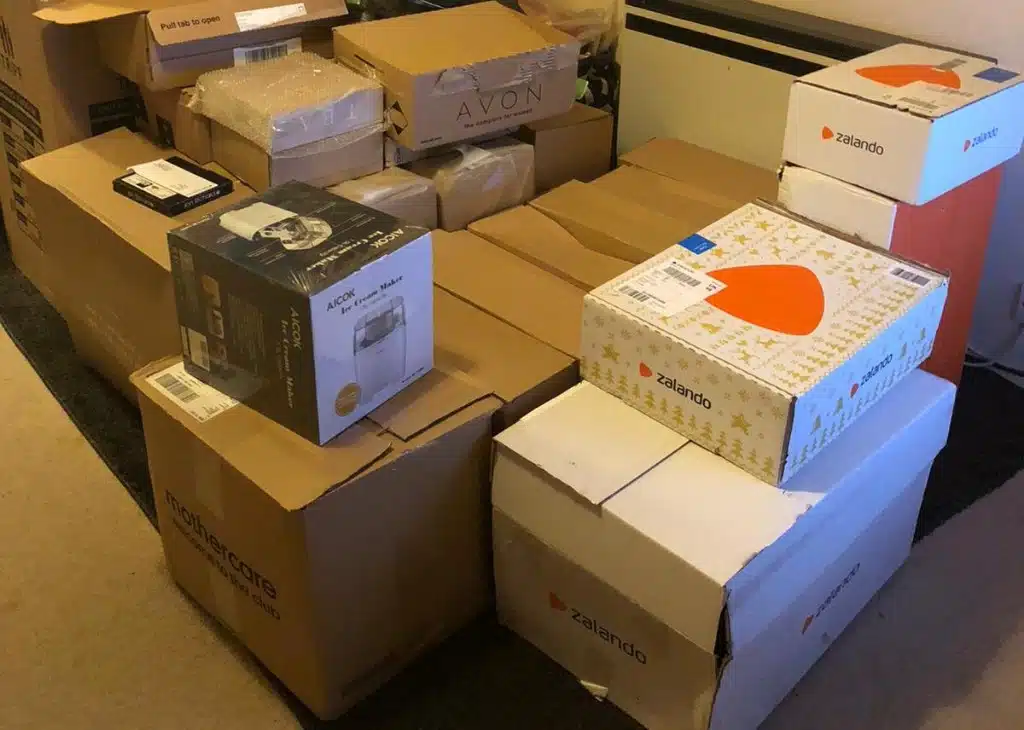
On Techpoint Digest, we discuss how Uber and Bolt must record parcel contents, Ventures Platform closing a $84 million fund, and South African telcos losing R 198.9 million to fraud.
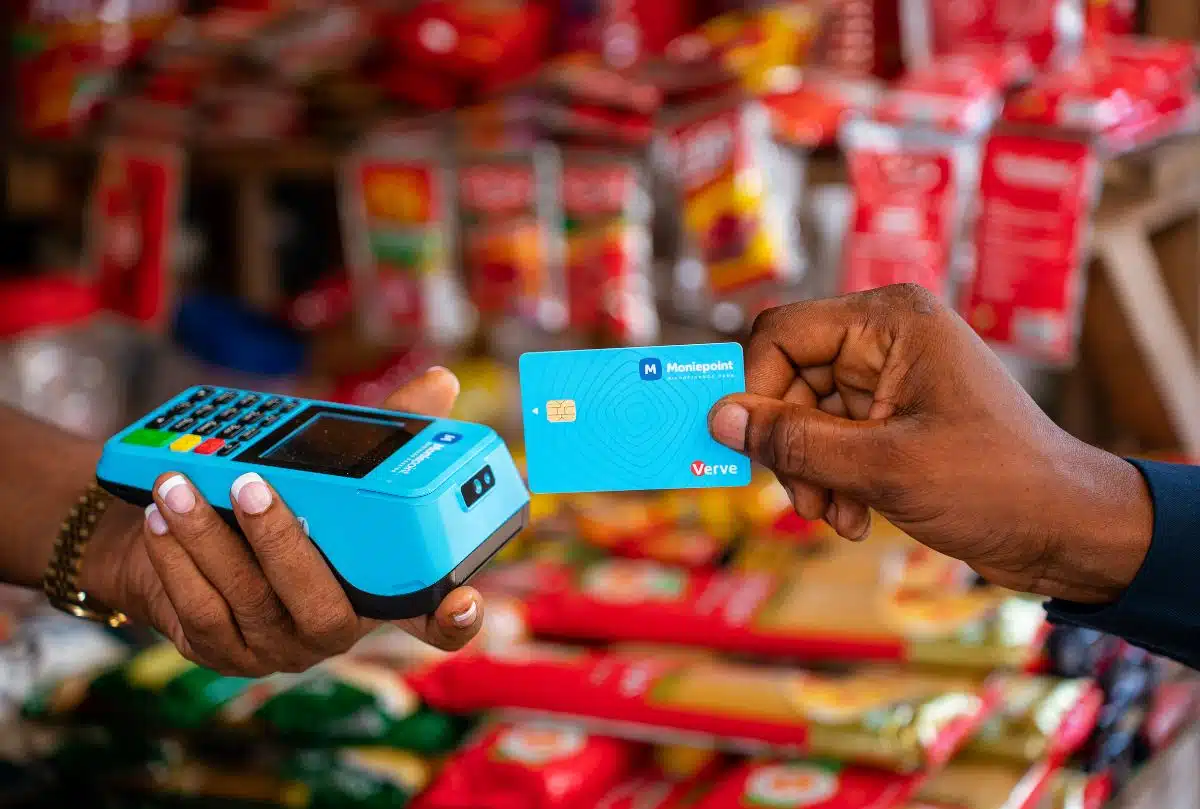
On Techpoint Digest, we discuss Moniepoint shutting down MonieWorld, MTN eyeing banking licences, and Starlink moving closer to South Africa.

On Techpoint Digest, we discuss Nigeria putting a condition on MTN’s IHS deal, Verascient raising $1.2 million to build AI infrastructure, and MTN forming a new company for AI infrastructure.

On Techpoint Digest, we discuss Nigeria’s approval of two new satellites, Kenya’s introduction of a KSh 15 million data centre licence, and Malawi’s move to reduce smartphone taxes.
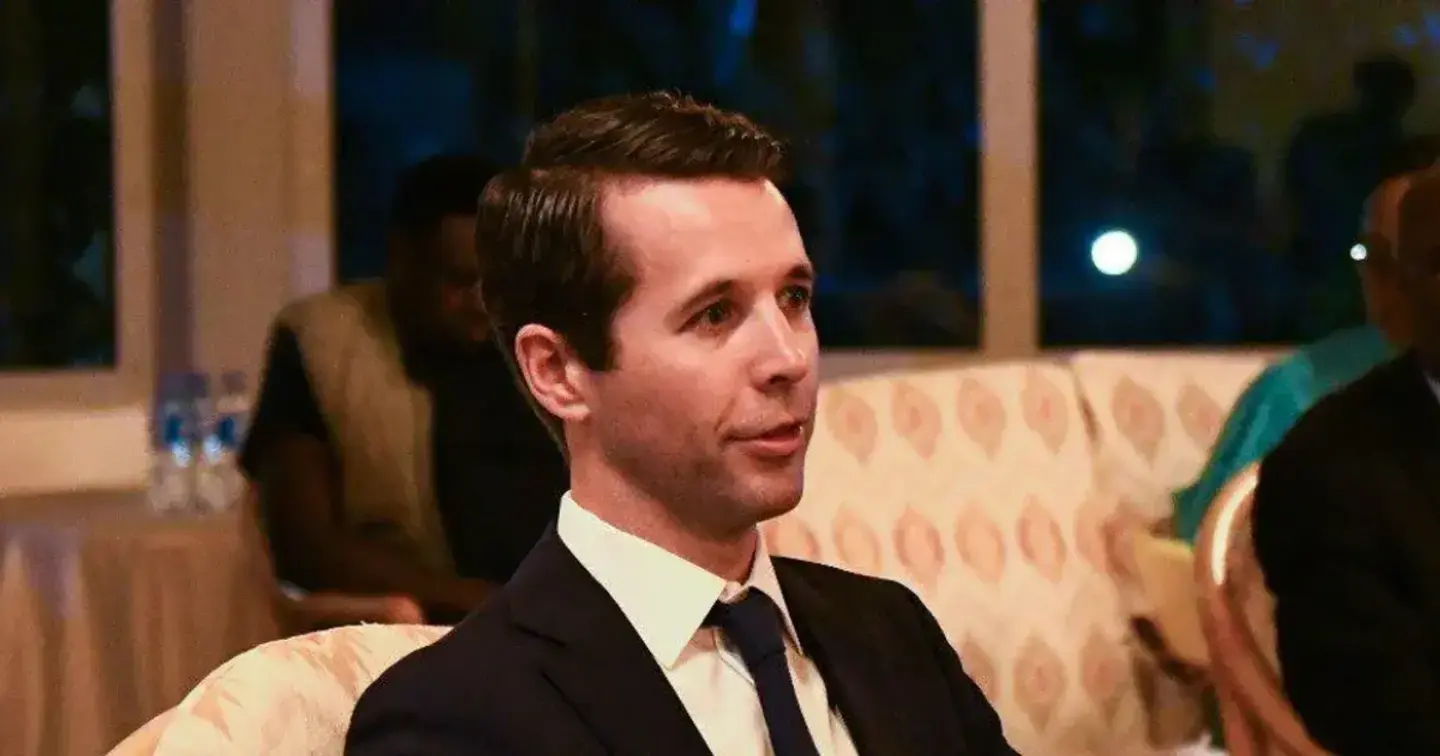
On Techpoint Digest, we discuss a former SpaceX executive joining a Nigerian defence startup, Liberia’s new satellite Internet rules, and Amazon’s request to ICASA to reduce spectrum fees.

On Techpoint Digest, we discuss WhatsApp charging businesses per message, Telecom Egypt testing new 6 GHz spectrum, and Kenya arresting 14 people for online ticket fraud.

On Techpoint Digest, we discuss the DRC’s one-month Internet shutdown, OpenAI’s ChatGPT for teens, and SARS’s plans to digitise VAT.

This piece attempts to X-ray the challenges MTN has faced in its two-and-a-half-decade operations in Nigeria, how it has survived, and how much work it still needs to do.

On Techpoint Digest, we discuss Terra’s $52 million defence-tech bet, an eTranzact fraud investigation involving 69 accounts, and Africa’s moon telescope will search for aliens.

On Techpoint Digest, we discuss Vodacom gaining more control over Safaricom, Airtel bringing satellite-to-phone to Africa, and Algeria instructing Meta to block unlinked WhatsApp accounts.

African creators often complain of poor payouts from big tech platforms. Emem Adjah, who spent over a decade leading monetisation across Google, X, YouTube, and Snap, explains the various factors that determine pricing.

On Techpoint Digest, we discuss OPay’s $72 million profit, Itana signs Mr Eazi’s Choplife, and South Africa’s move towards digital ID.

On Techpoint Digest, we discuss Jumia’s new $50 million cash injection, Liberia digitising telecom licence renewals, and Vodacom’s Chair stepping down after ten years.

On Techpoint Digest, we discuss MTN’s Irancell stake being reduced, Uber closing its flagship ride in South Africa, and Kenya tightening cyber café regulations.