



Zdravstvuyte,
Victoria from Techpoint here,
Here’s what I’ve got for you today:
- MTN rejects Clydestone’s MoMo claims
- FCTA moves to address Uber, Bolt fares
- ICASA defends expiring data bundles
MTN rejects Clydestone’s MoMo claims

The MTN-Clydestone legal battle has taken another twist, and investors are paying close attention. On July 31, MTN Ghana formally responded to the lawsuit filed by Ghanaian fintech Clydestone Ghana Plc, saying it “does not accept the claims,” considers them “without merit,” and will contest the case in court. The company also sought to calm investors, stressing that the lawsuit has no impact on its operations, mobile money services, financial performance or results. Even so, the market reacted sharply, with MTN Group’s shares falling by nearly 9% on the Johannesburg Stock Exchange during early trading, as investors weighed both the lawsuit and weaker-than-expected earnings from Nigeria.
As you may recall, the case centres on MTN MoMo, one of Africa’s biggest mobile money businesses. Clydestone alleges that in 2007, MTN Ghana commissioned it to develop the commercial and operational framework for the launch of mobile money. According to the fintech, the work was delivered under the expectation that both parties would later sign a non-disclosure agreement and memorandum of understanding, but those agreements were never finalised. Clydestone claims MTN went on to use its intellectual property and business methodology without permission or compensation when MTN Mobile Money Ghana launched in 2009, and that the same framework was later replicated across several African markets. The company says it only decided to sue after recent public reports, including the GSMA’s State of the Industry Report 2026 and MTN Ghana’s 2025 annual report, revealed the full commercial scale of the mobile money business.
MTN, however, tells a very different story. While acknowledging receipt of the writ of summons, the telecom giant insists the allegations are unfounded and says it will defend itself vigorously in Ghana’s High Court. Importantly, the company has not set aside any financial provisions for the case, signalling that it does not currently expect a probable financial loss. That confidence, however, didn’t stop investors from becoming nervous, especially since the lawsuit arrived alongside concerns about currency pressures and slower earnings growth in Nigeria, MTN’s biggest market.
The lawsuit also highlights how valuable intellectual property has become in Africa’s fintech industry. Nearly two decades ago, mobile money was still an experiment. Today, it’s a multibillion-dollar business serving tens of millions of people across the continent. As African fintechs mature, disputes are shifting from customer acquisition and regulation to questions of who owns the technology, ideas and business models that built these companies in the first place. Regardless of how the case ends, it could become one of the continent’s most closely watched intellectual property disputes in the fintech space because of what it means for future partnerships between startups and large corporations.
The case is still in its early stages, and no court has ruled on the merits of either side’s claims. For now, MTN says business continues as usual while Clydestone prepares to argue that it deserves recognition and compensation for work it says laid the foundation for one of Africa’s biggest fintech success stories. With billions of dollars flowing through mobile money every year, the eventual outcome could shape how intellectual property agreements are negotiated across Africa’s technology ecosystem for years to come.
FCTA moves to address Uber, Bolt fares

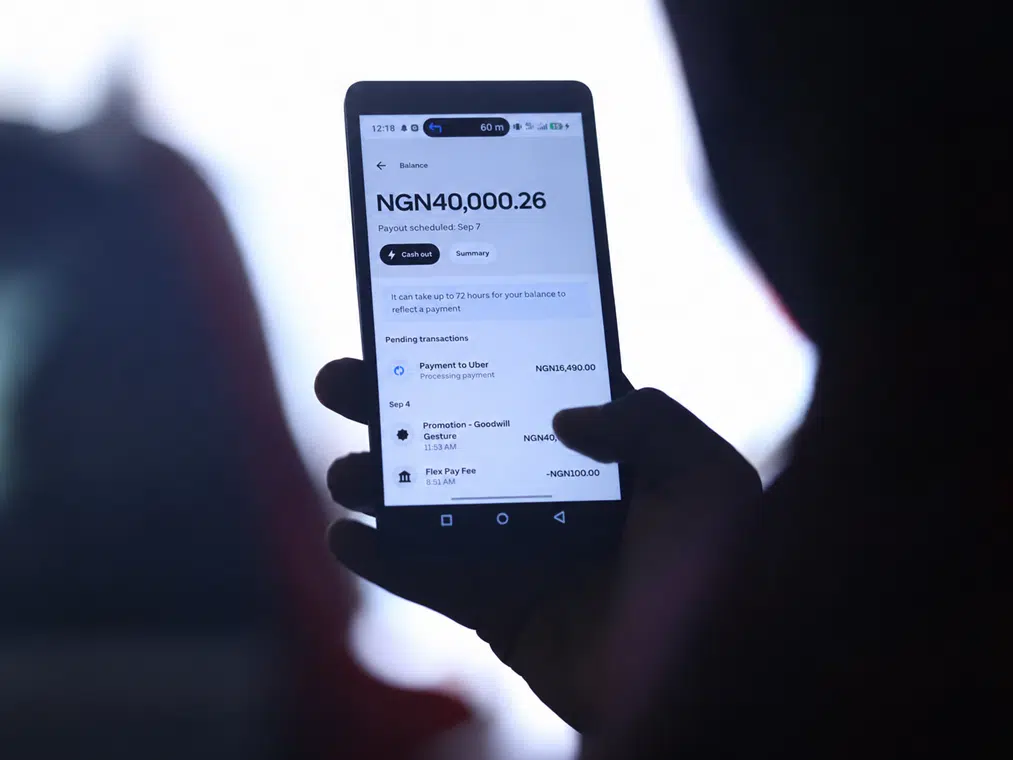
Nigeria’s ride-hailing drivers may finally be getting the attention they’ve been asking for. The Public Complaints Commission (PCC) has directed the Federal Capital Territory Administration (FCTA) to address long-standing complaints from drivers working with platforms like Uber, Bolt, and inDrive. At the centre of the dispute are what drivers describe as excessively high commissions charged by the platforms and fares that no longer reflect the realities of Nigeria’s rising fuel prices, inflation and vehicle maintenance costs. The PCC’s intervention follows an investigation into complaints raised by drivers, with the FCTA now expected to engage the platforms and work towards practical solutions.
As we all know, ride-hailing has become an essential part of daily life in cities like Abuja and Lagos, but many drivers say they’re earning less despite working longer hours. While passengers often complain about rising fares, drivers argue that a significant portion of what riders pay goes to platform commissions before they even account for fuel, servicing, insurance and other running costs. They say the current pricing model is no longer sustainable, forcing many drivers to stay on the road for extended hours just to break even. If regulators succeed in pushing for fairer pricing or lower commissions, it could improve driver earnings, but it may also affect what passengers ultimately pay for rides.
The dispute has been building for years. Since the removal of Nigeria’s fuel subsidy in May 2023, operating costs have climbed sharply as petrol prices, inflation and the cost of spare parts continued to rise. Drivers have repeatedly staged protests and app shutdowns, demanding higher base fares, lower commissions and better working conditions. Earlier in March 2026, thousands of drivers across multiple platforms logged off their apps during a coordinated strike over many of the same issues. The PCC’s latest intervention suggests those concerns have now reached the attention of regulators, moving the conversation beyond protests and into policy discussions.
The case also highlights a broader debate playing out across Africa’s gig economy. Ride-hailing companies argue that competitive fares attract more customers and keep demand high, while drivers insist that low prices come at the expense of their livelihoods. Similar conversations are taking place in countries like Kenya and South Africa, where drivers have also called for commission caps, minimum fares and stronger labour protections. Whether the FCTA’s involvement leads to meaningful reforms remains to be seen, but one thing is becoming increasingly clear: the future of ride-hailing won’t just be shaped by technology; it will also depend on finding a balance between affordable transport for passengers and sustainable earnings for drivers.
ICASA defends expiring data bundles

South Africans hoping that every unused data bundle would soon roll over indefinitely may have to lower their expectations. The country’s telecom regulator, ICASA, has explained why some mobile data bundles will still be allowed to expire under its new consumer protection rules, even after the regulations take effect on January 23, 2027. Specifically, data bundles valid for seven days or less, as well as free, promotional, and uncapped bundles, will be exempt from the mandatory rollover requirement.
The reasoning is surprisingly simple: forcing operators to roll over every short-term bundle could make those cheap bundles disappear altogether. ICASA says daily and weekly bundles are usually heavily discounted and are particularly popular with lower-income consumers. If operators are required to keep those bundles alive beyond their expiry dates, they may stop offering them at today’s prices or stop offering them altogether. In other words, the regulator believes the exemption actually protects affordability, even if it means some unused data will still expire. Communications Minister Solly Malatsi has said he still wants every possible measure considered to improve affordability for consumers.
The debate has been brewing for years. In January 2026, ICASA published amendments to its End-User and Subscriber Service Charter Regulations, requiring operators to roll over unused voice, SMS, and data bundles at least once, while also giving customers more control over out-of-bundle billing and data transfers. But the changes immediately sparked resistance from operators. Vodacom and MTN have since taken the regulations to court, arguing that some provisions are impractical, could distort competition and may unintentionally create informal markets for traded data bundles.
The disagreement reflects a bigger challenge facing regulators everywhere: how do you protect consumers without making services more expensive? Consumer groups want fewer people losing paid-for data, while operators argue that expiry dates help them manage network capacity and keep short-term bundles affordable. That means the fight over data expiry is no longer just about unused megabytes; it’s about balancing consumer rights, competition and the economics of running mobile networks. With the new rules due to kick in in January 2027 and court challenges still underway, South Africa’s battle over data bundles is far from over.
In case you missed them
- PricePally offers jobs, free deliveries as GoLemon winds down
- MTN announce dividend of ₦26 per share after strong H1 performance
What I’m watching
- YOUR Body Is Aging Right Now… Can You Slow It Down?
- The Psychology of People Who Have Survived Extreme Emotional Pain
Opportunities
- Moniepoint is hiring for over 100 roles. Apply here.
- Follow Techpoint Africa’s WhatsApp channel to stay on top of the latest trends and news in the African tech space here.
Have a productive week!
Victoria Fakiya for Techpoint Africa