


Artificial Intelligence
The simulation of human intelligence in machines enabling them to perform tasks associated with intelligent beings like speech recognition, learning, planning, e.t.c. is artificial intelligence (AI). We can attest to the benefits and how interesting some of the most popular AI innovations are like Siri, Alexa, Tesla, e.t.c.





Top stories
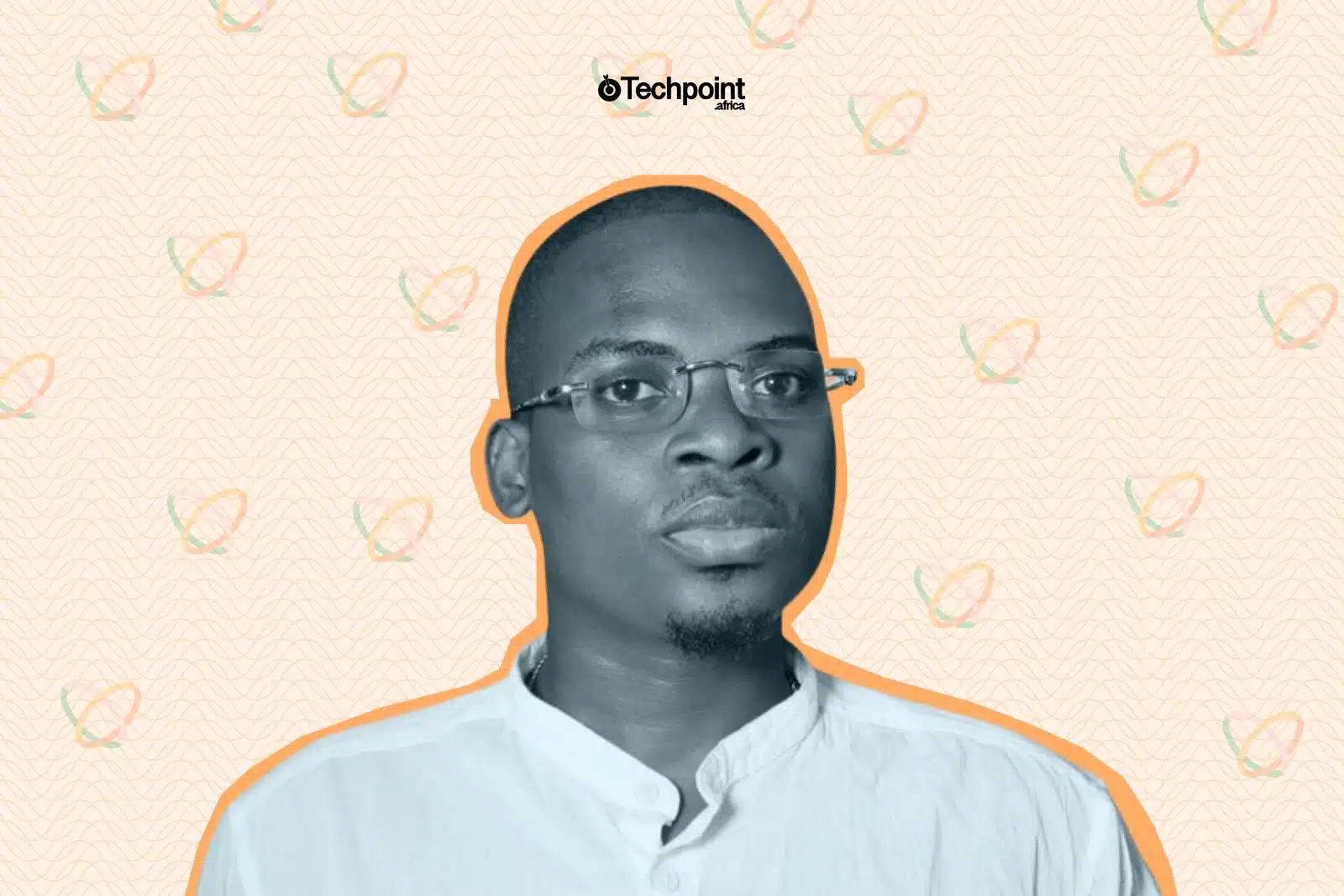
Abiodun Adetona, co-founder of Nigerian spreadsheet automation startup, Decide, shares why the company built DAX-1, its first specialised AI model, and what the move means for its business.

Intron AI has launched Sahara v2.5, a new version of its voice AI model that can understand conversations that switch between English and African languages and generate voices in local languages.

From workflow automation and AI evaluation to cloud infrastructure and governance, here’s a look at the AI skills employers are looking for.

The World Bank in its World Development Report 2026 says only 4.5% of jobs in developing economies are highly exposed to automation, compared to more than 14% in advanced economies.

Kenya has opened its draft AI and Emerging Technologies Policy for public participation, but the document goes beyond regulating AI. It outlines the country’s ambition to build an AI economy by investing in local infrastructure, compute capacity, talent, and digital sovereignty.
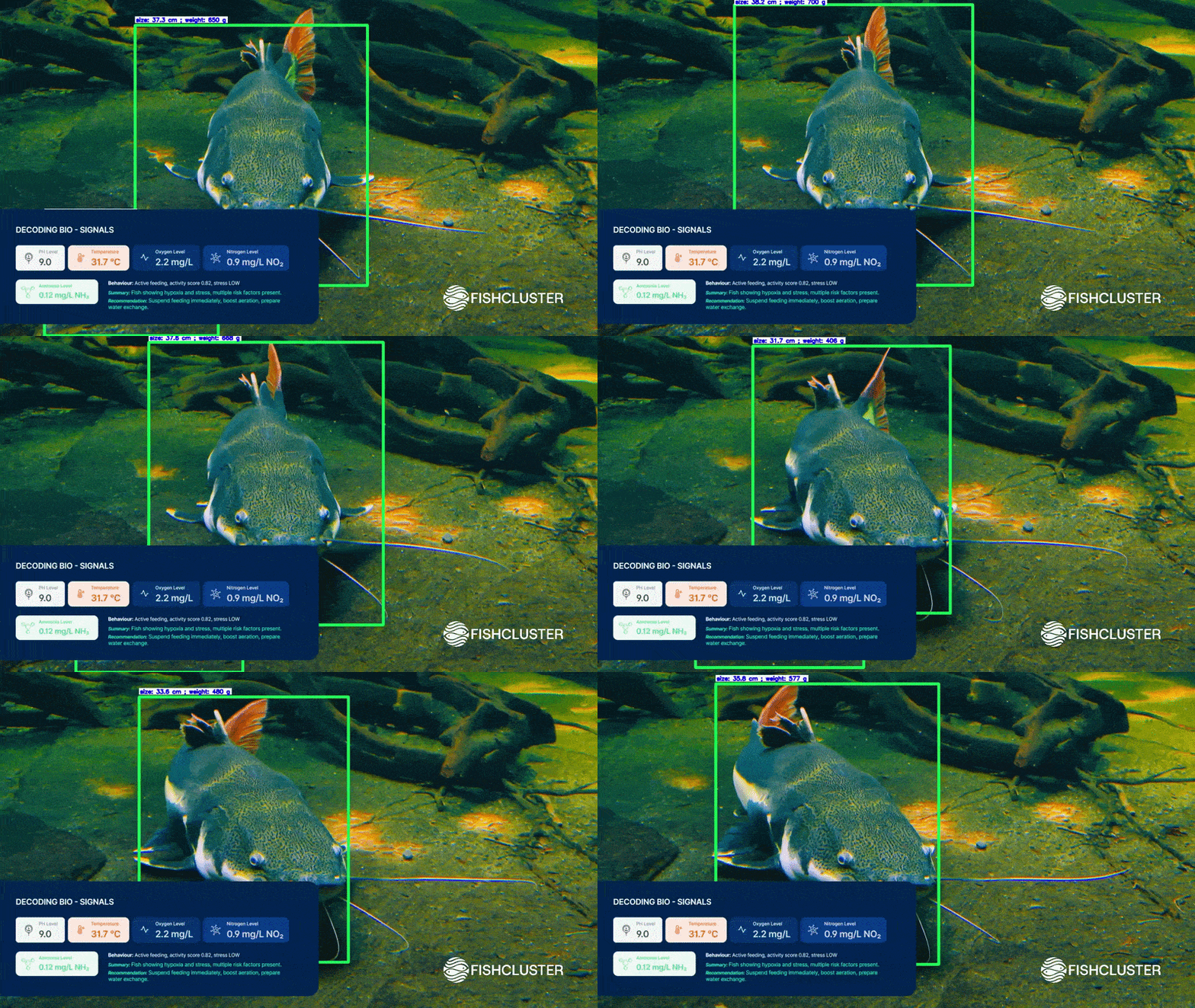
Fishcluster is putting AI and underwater robots inside Nigerian fish ponds. Feed is over 75% of what farms spend. Yet, nobody can see whether the fish are eating or wasting it. Today the startup exits stealth mode, with 4 of the country’s biggest farms and $1m in commitments.

Kenya’s president hacked website was defaced with demeaning messages targeting the president; the unknown group responsible for the attack are demanding a ransom of 5 Bitcoins (approximately $317,215).

Learn how small businesses use AI to create content, design graphics, manage email marketing, and run campaigns with an all-in-one tool.

In light of recent, incessant layoffs, it’s important to ask what these new trends mean for African talent in the diaspora and for those building skills locally to serve a market that appears saturated.

Paystack has launched Paystack Index, an experimental checkout product that lets users complete everyday transactions through AI agents, marking an early bet on agentic commerce in Africa.
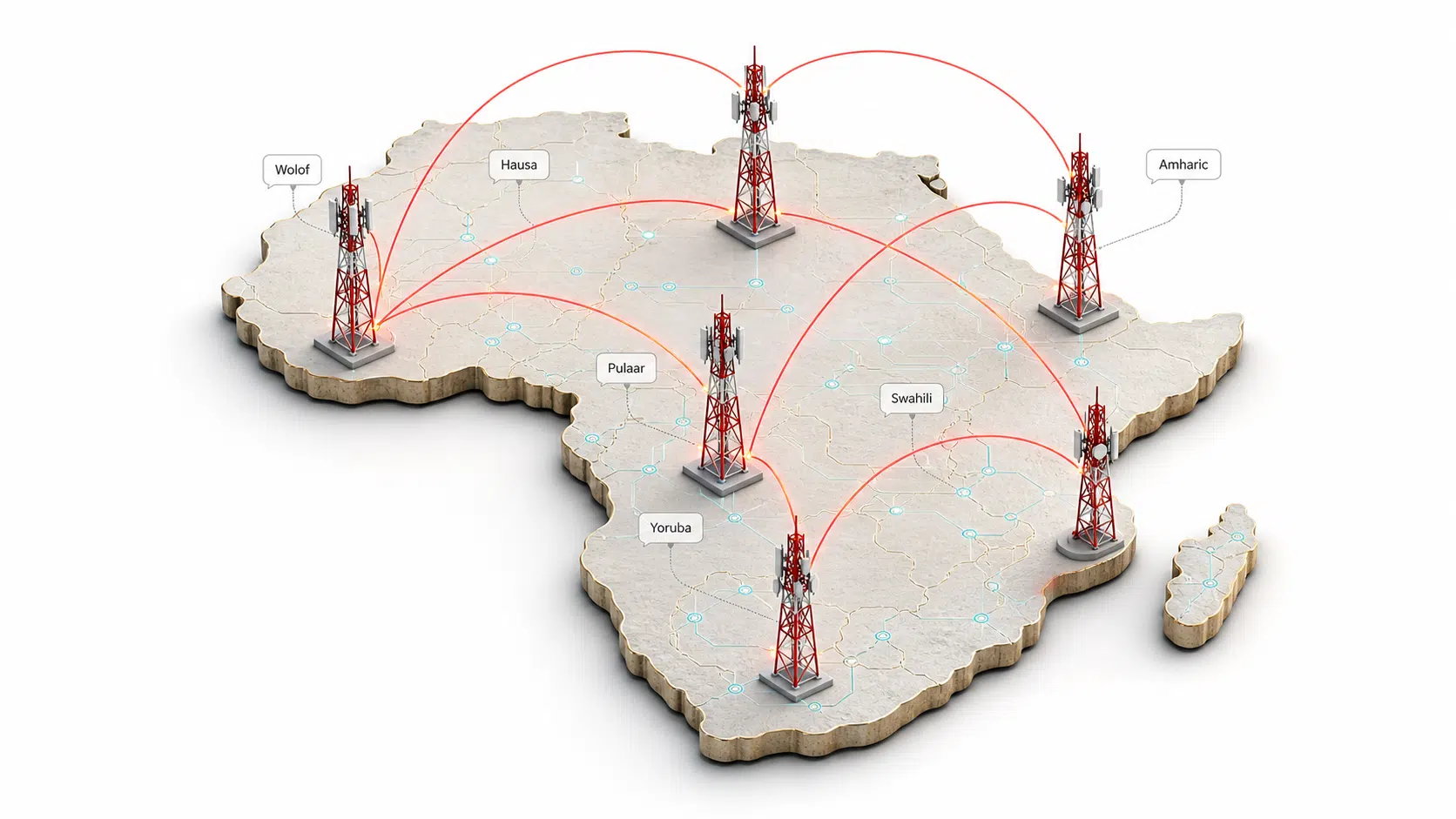
Six of Africa’s biggest mobile operators, including Airtel, MTN, and Orange, are working with GSMA to build AI language models for the continent’s 2,000-plus languages.
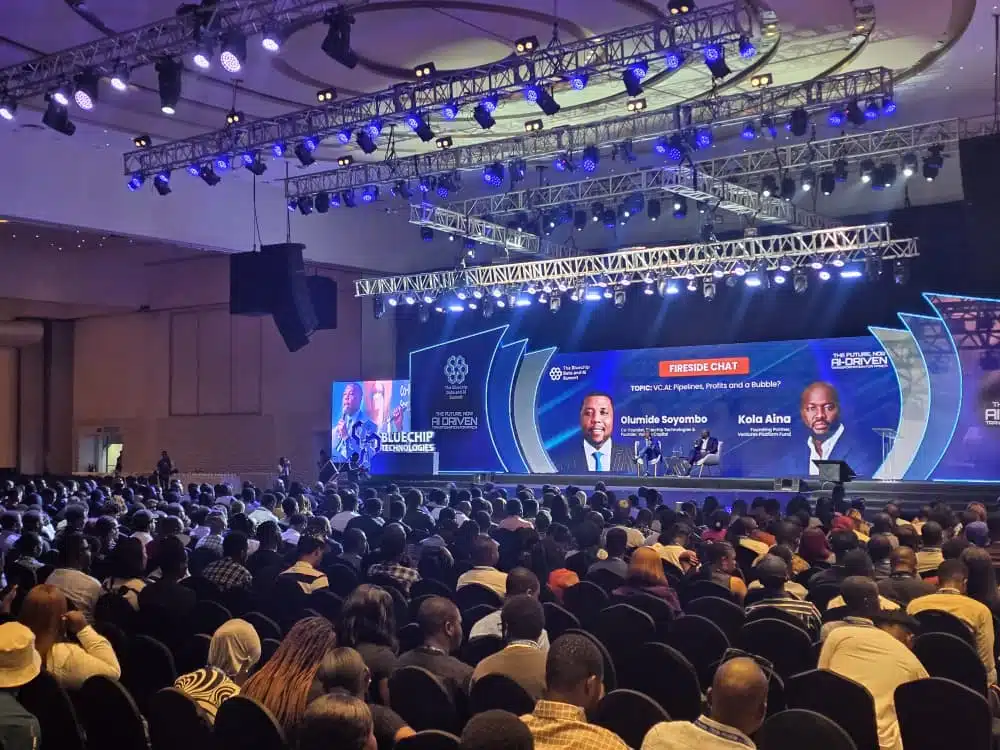
Bluechip Technologies announced the acquisition of YarnGPT, an AI text-to-speech model, at the Bluechip Data and AI Summit on Wednesday, as Africa’s tech leaders gathered to define the continent’s role in the AI future.
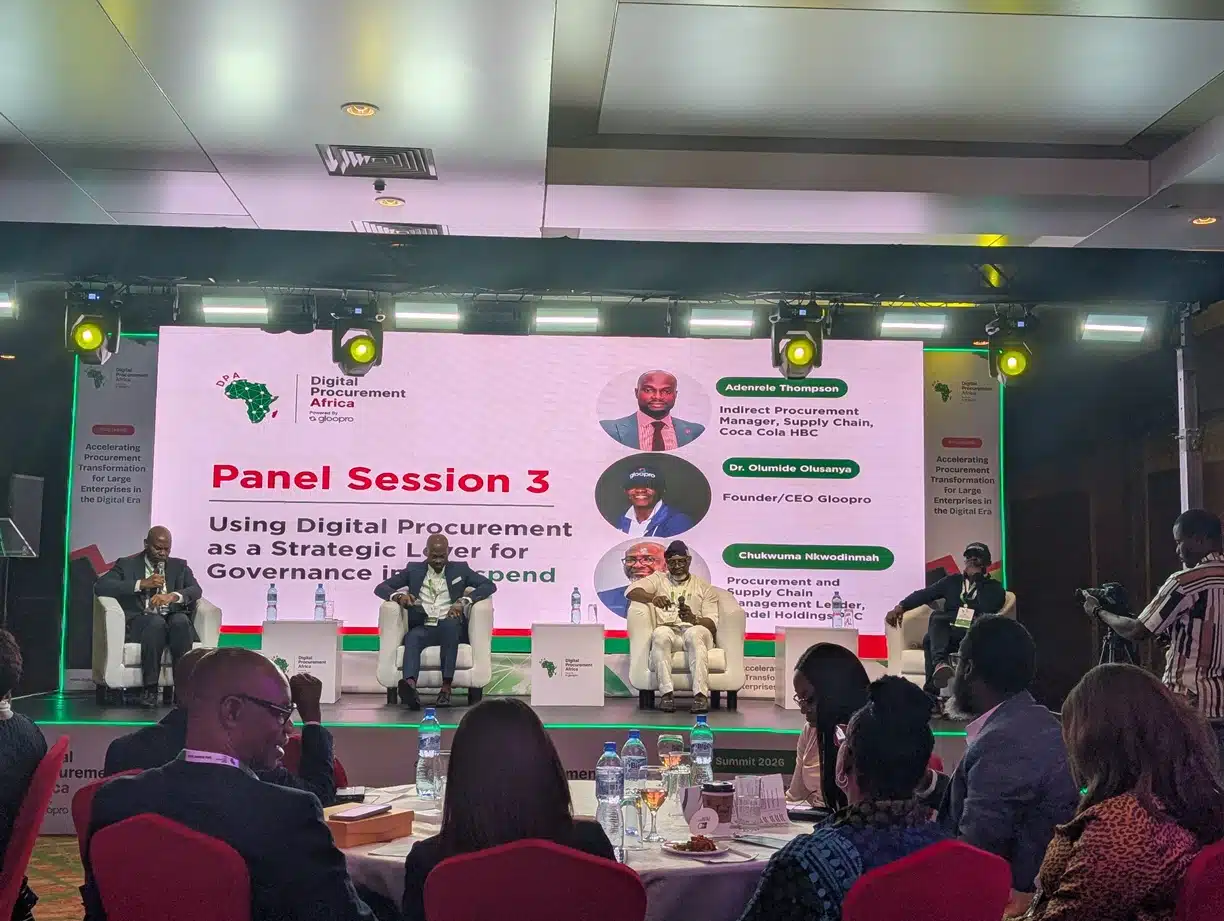
At the Digital Procurement Africa Summit 2026, industry leaders warned that manual procurement processes are draining company resources. The consensus was that digitisation, AI, and tools like Gloopro are essential to reduce tail spend and improve efficiency.

Pope Leo XIV says AI must serve the common good. But from the mines of the DRC to the offices of Nairobi, the people building it are the last ones it serves.
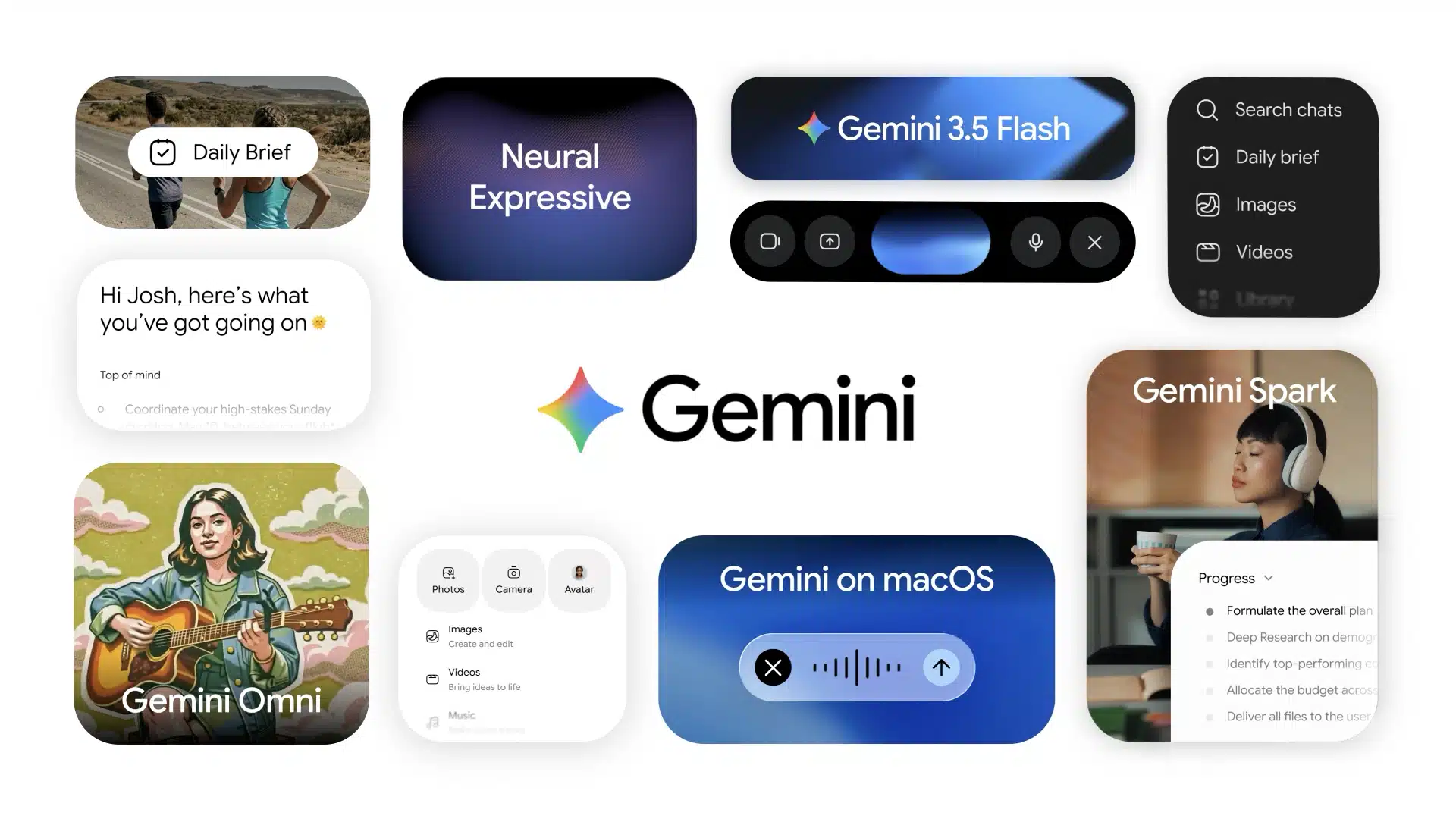
Google maintains that the goal of Search has always been simple: to help users ask anything on their mind — from quick facts to the deep, complex or hyper-specific questions that can be hard to articulate.

The Digital Procurement Africa Summit holds on May 26 in Lagos, bringing together enterprise leaders for a focused conversation on why procurement digitisation has become critical to how large African organisations manage costs, governance, and data.

The company explained that its AI-powered age-assurance technology is part of its commitment to continue promoting safer, age-appropriate experiences for young people on Facebook, Instagram, and all its other platforms.

Once AI systems are deployed into a government workflow, the harder question is no longer whether it is compliant on paper, but whether the government can actually see it, control it, or stop it if conditions change.
The Meta Muse Spark AI model shows Meta’s shift to efficient, closed AI systems, balancing scale, cost, and performance in the frontier race.
AI and specialised chips are reshaping tech power, with NVIDIA leading as demand surges and rivals struggle to keep pace.