
News


Top stories

Nigeria’s apex bank has opened a second sandbox cohort with a dedicated track for permission-based data sharing, the promise open banking has yet to deliver. Applications close 31 August.

Nigeria’s federal government has registered the company that will build 90,000km of open access fibre. Money and plans existed for two years. A legal entity to receive them did not.
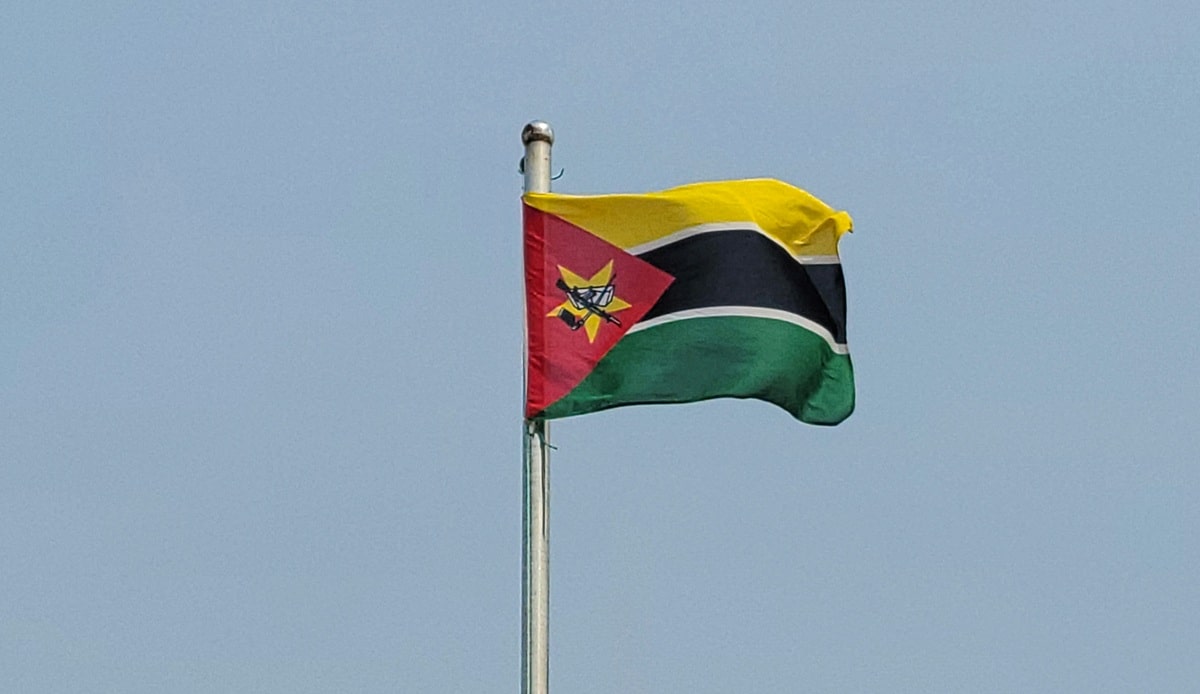
A decree letting Mozambique’s government cut internet access has been struck down, months after officials wrote that same power into law following an earlier court loss.
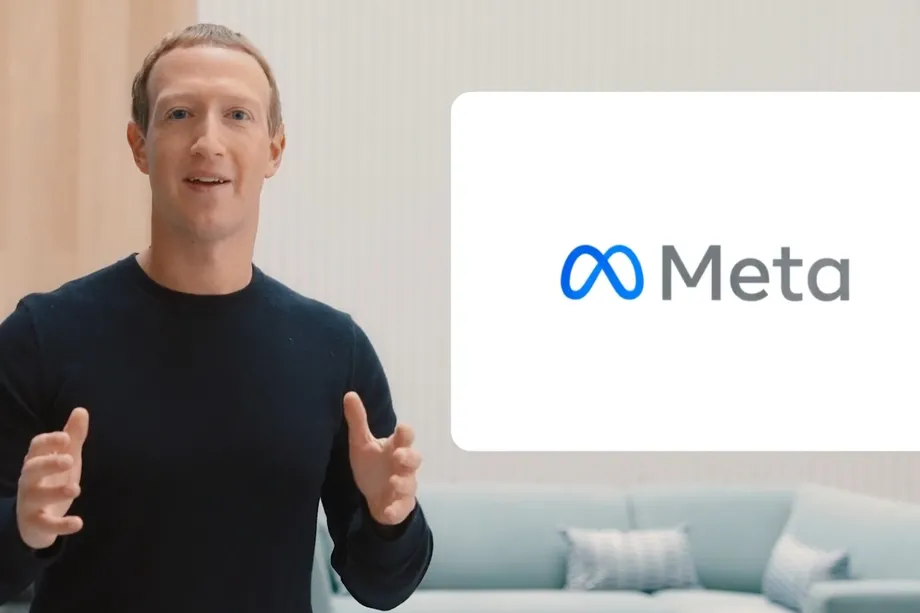
A New Mexico judge has ordered Meta (the parent company of Facebook, Instagram, WhatsApp, and Threads) to pay an additional $567 million, bringing its total penalty in the state’s child safety case to $942 million.
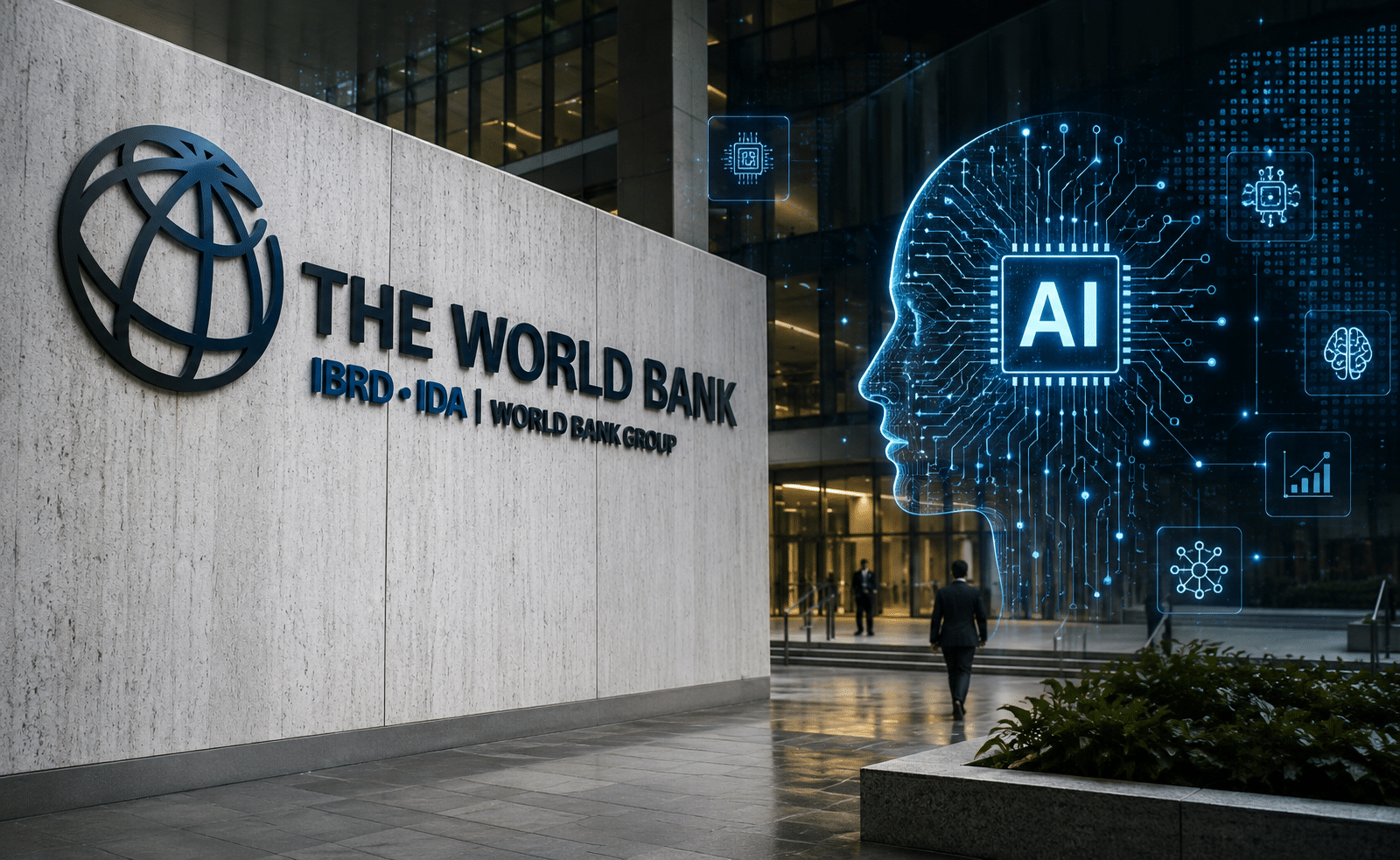
The World Bank in its World Development Report 2026 says only 4.5% of jobs in developing economies are highly exposed to automation, compared to more than 14% in advanced economies.
MTN CEO Karl Toriola says that while the numbers reflect a strong first half, they tell a much bigger story, one of sustained investment in the infrastructure powering Nigeria’s digital economy.
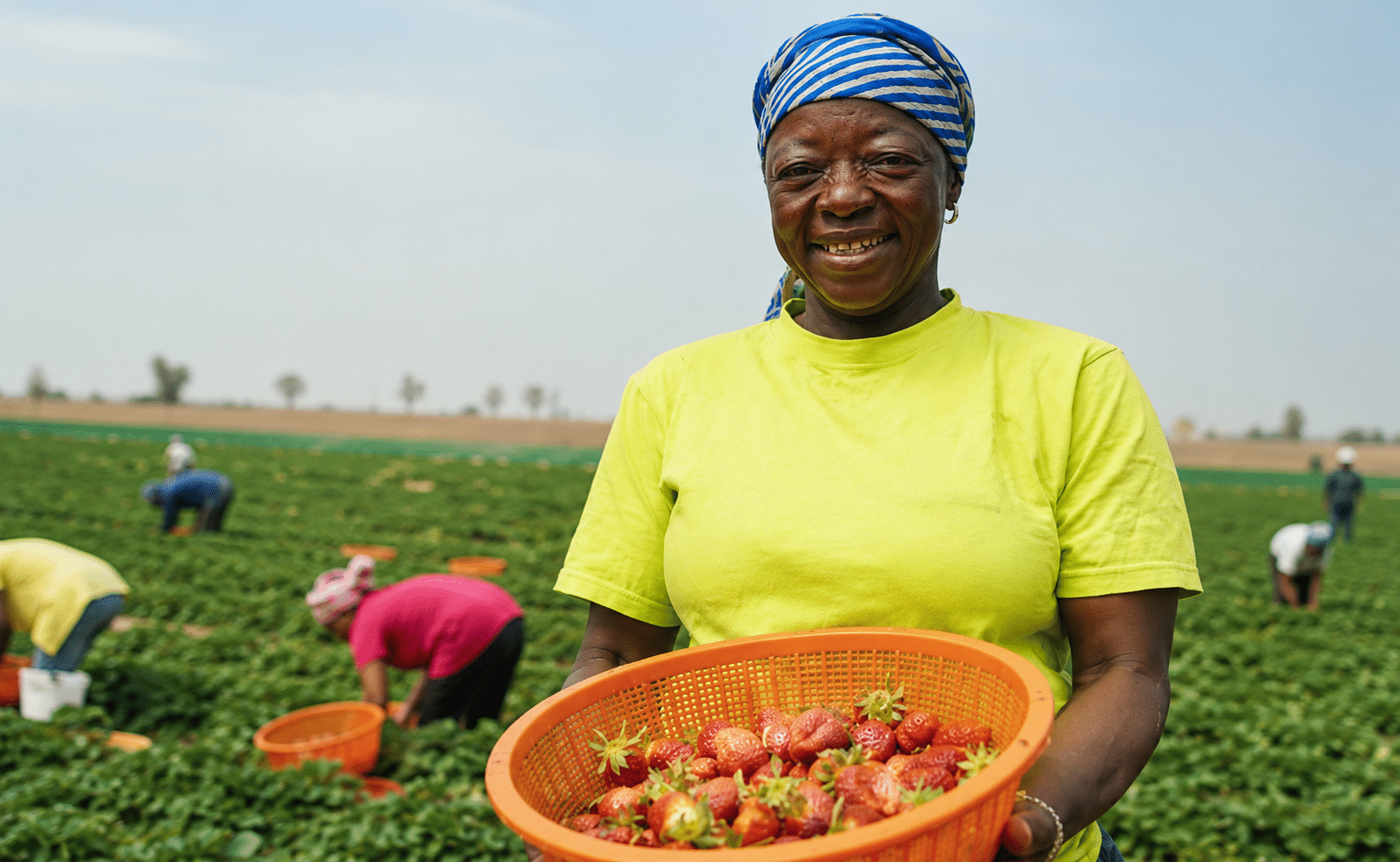
Online grocery delivery startup PricePally has announced it is offering priority interview opportunities to affected GoLemon employees.
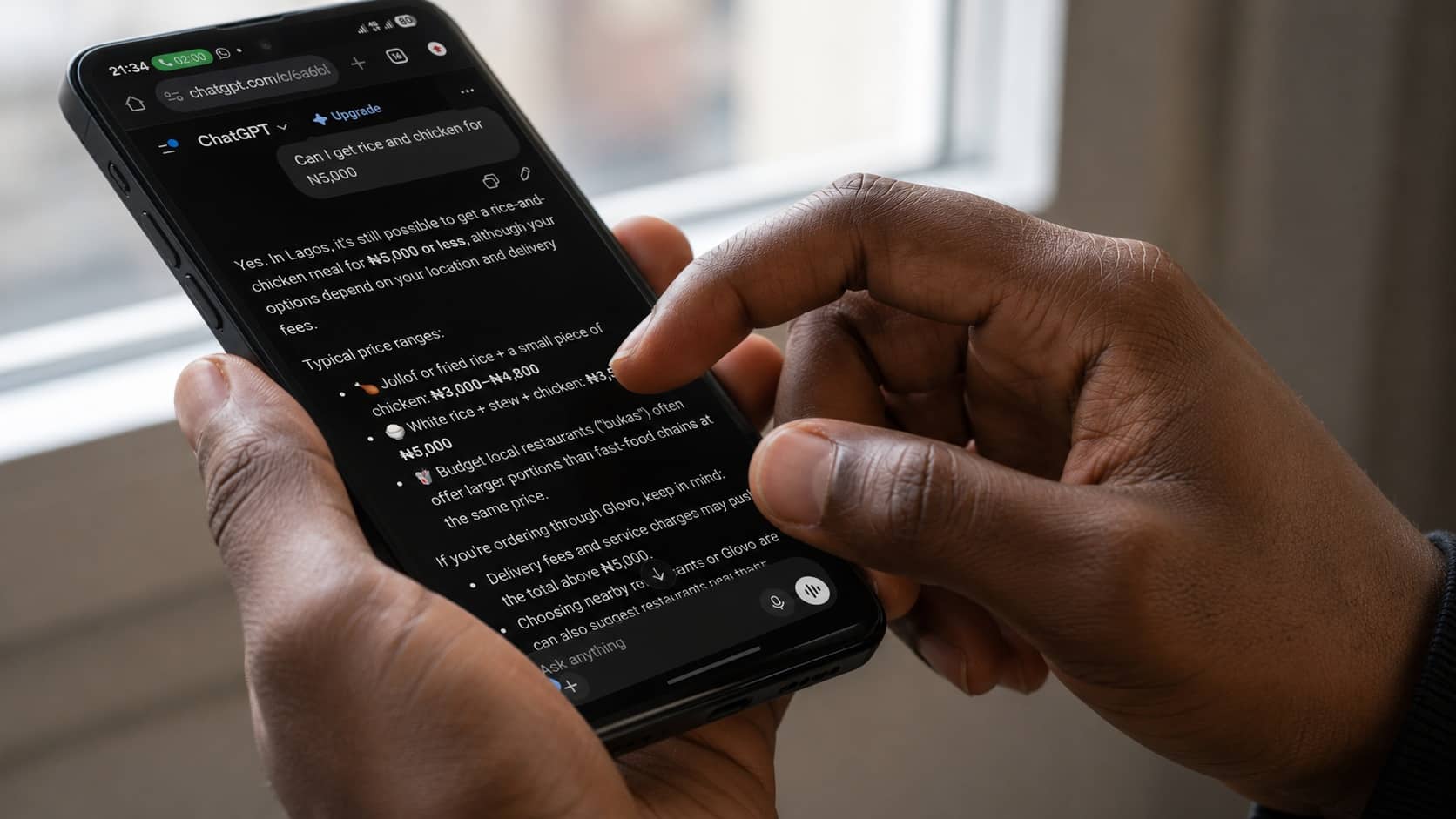
Glovo has introduced a conversational commerce model that shifts users from a search-based web to an intent-based web navigation model.

GoLemon, the Lagos grocery startup founded by four former Paystack managers, has closed its order book, settled refunds, and set a support cut-off of Sunday, August 2.

The new products are Money Circles, Tribe, and Perks. The goal is to provide young Africans with easy access to zero-interest capital to support their entrepreneurial and personal ambitions.

The conference is the highest decision-making body of the African Telecommunications Union and comes at a significant moment in Africa’s digital transformation journey.

The executive order establishes a Virtual Asset Council that will bring together key financial, revenue, and security agencies to improve regulatory coordination while supporting responsible innovation.
ForgeLayer is replacing upfront subscription fees with a pay-as-you-go pricing model after customers expressed concerns about committing to fixed monthly costs before seeing results.
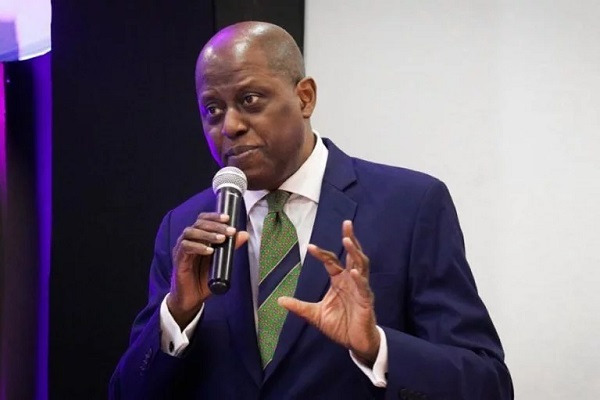
46 microfinance banks (MFBs) have had their operating licences revoked by the Central Bank of Nigeria (CBN). The apex bank said some of the institutions no longer met the conditions required to operate as licensed financial institutions.
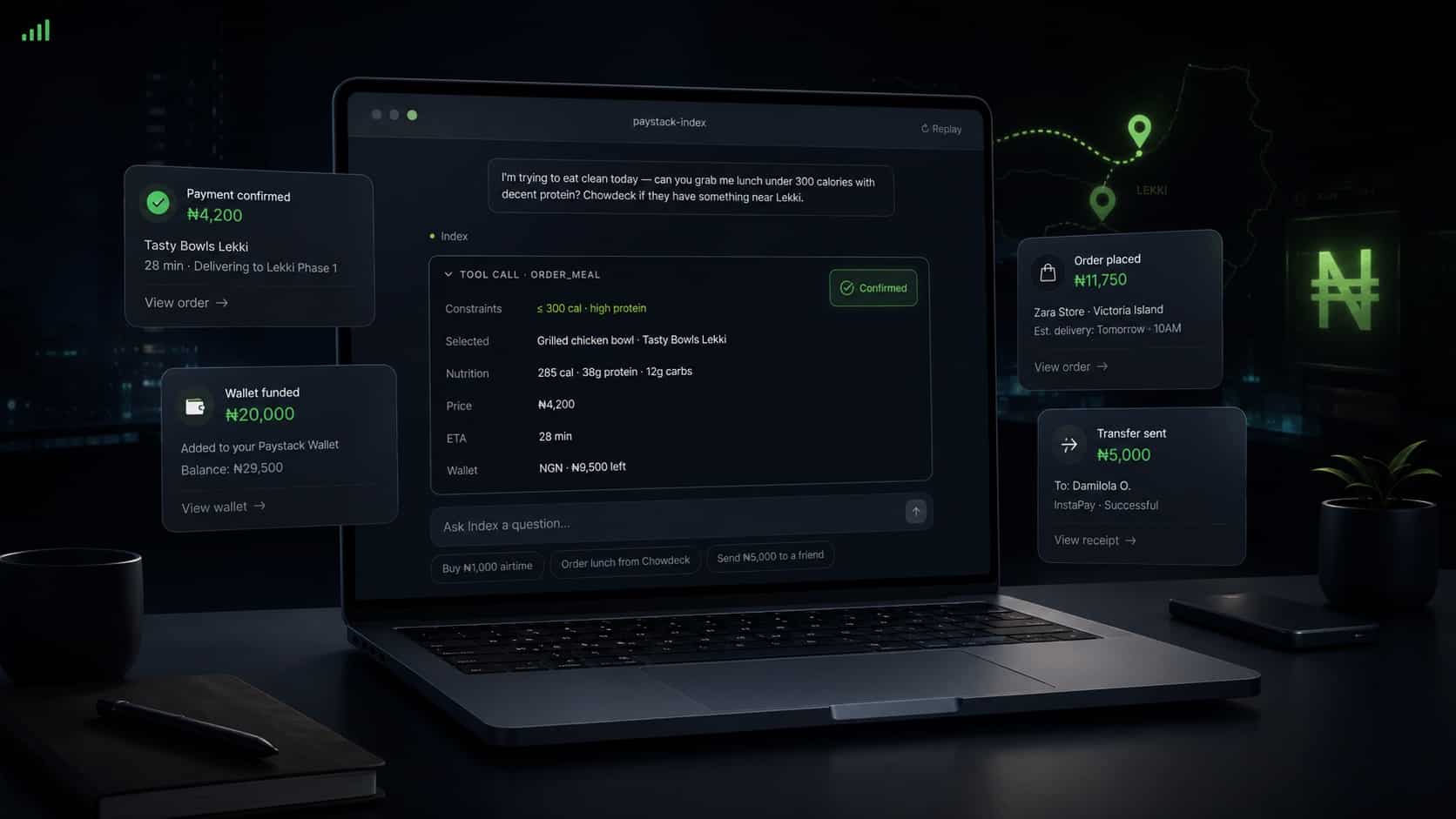
Paystack has launched Paystack Index, an experimental checkout product that lets users complete everyday transactions through AI agents, marking an early bet on agentic commerce in Africa.

The Kenyan government is considering plans to make up to 1,000 anonymised datasets available for commercial use over the next five years.
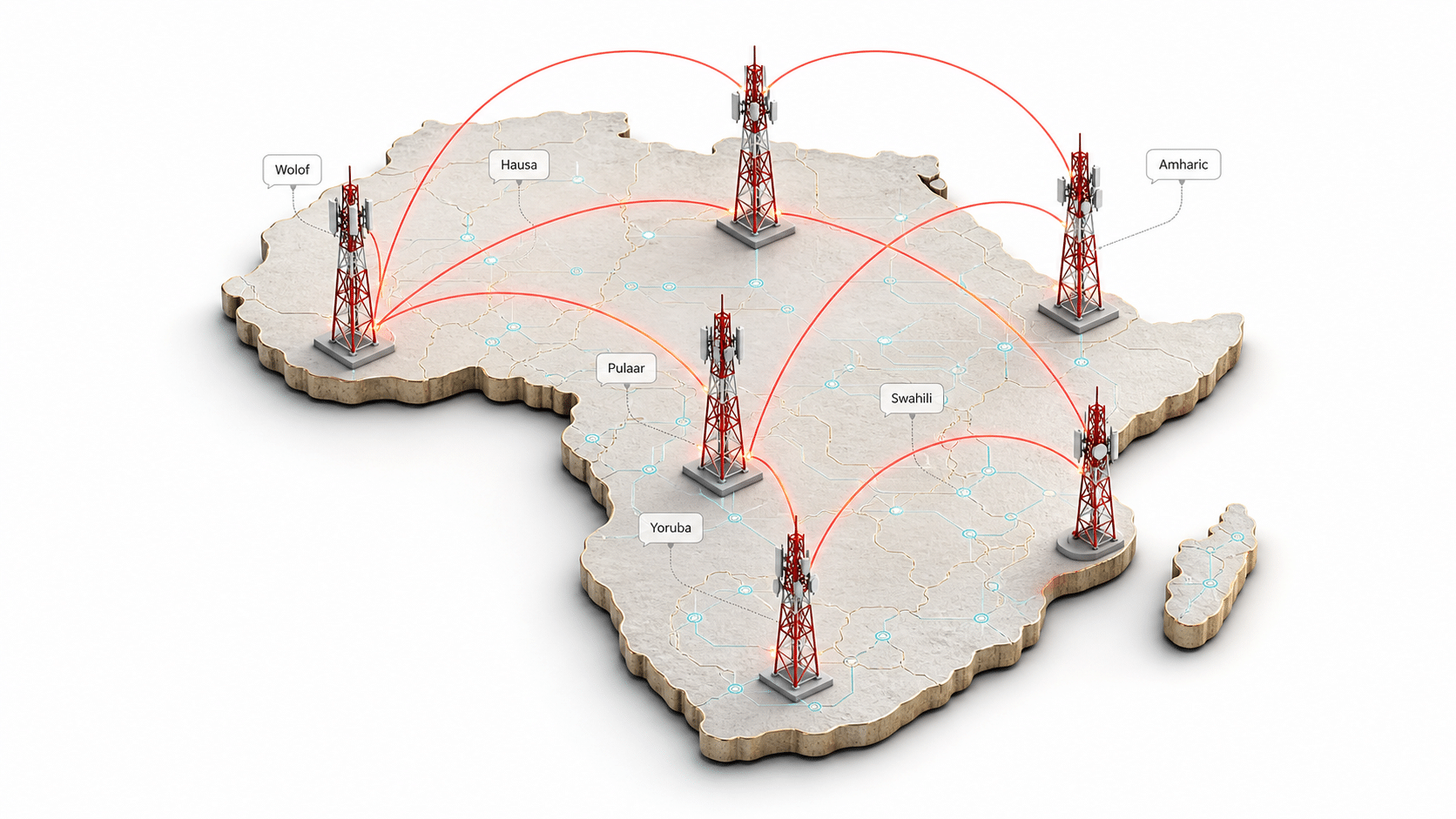
Six of Africa’s biggest mobile operators, including Airtel, MTN, and Orange, are working with GSMA to build AI language models for the continent’s 2,000-plus languages.

Nigeria first proposed a digital postcode in 2009, then tried two partial fixes that didn’t stick. A pilot covering select states is finally set to launch this October.
The move is part of a broader regulatory push to strengthen oversight of the country’s fast-growing digital payments ecosystem.
MTN recently launched One TV, a digital entertainment platform designed to make video content more accessible across its markets and create new opportunities for content creators, broadcasters, and advertisers.