



Ride-hailing drivers in Nairobi are bypassing app-based platforms during an ongoing fuel strike, negotiating fares directly with stranded commuters and pocketing earnings off-platform as transport chaos grips Kenya’s capital.
The strike, which began on Monday, spans all transport subsectors — including public transport operators, long-distance truckers, motorcycle riders, school buses, and ride-hailing drivers. The Transport Sector Alliance described it as “one of the largest coordinated industrial actions in Kenya’s history.”
Thousands of commuters were unable to get into the city for work, TechCabal reports, several schools shut for the day, and some companies directed staff to work from home, raising fears of one of the country’s most severe transport disruptions in years.
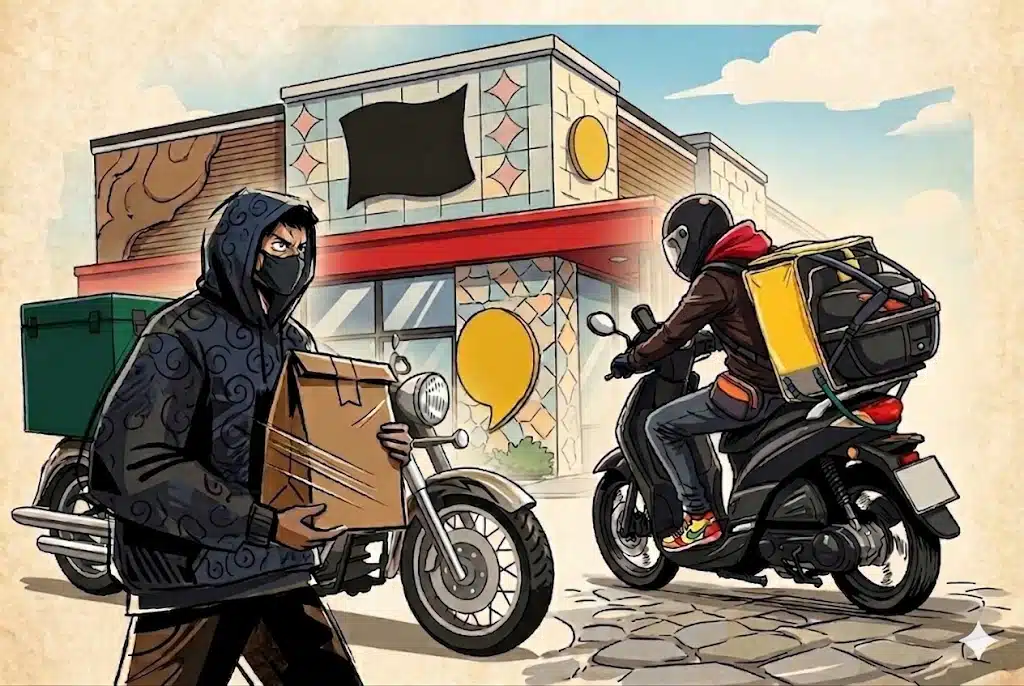
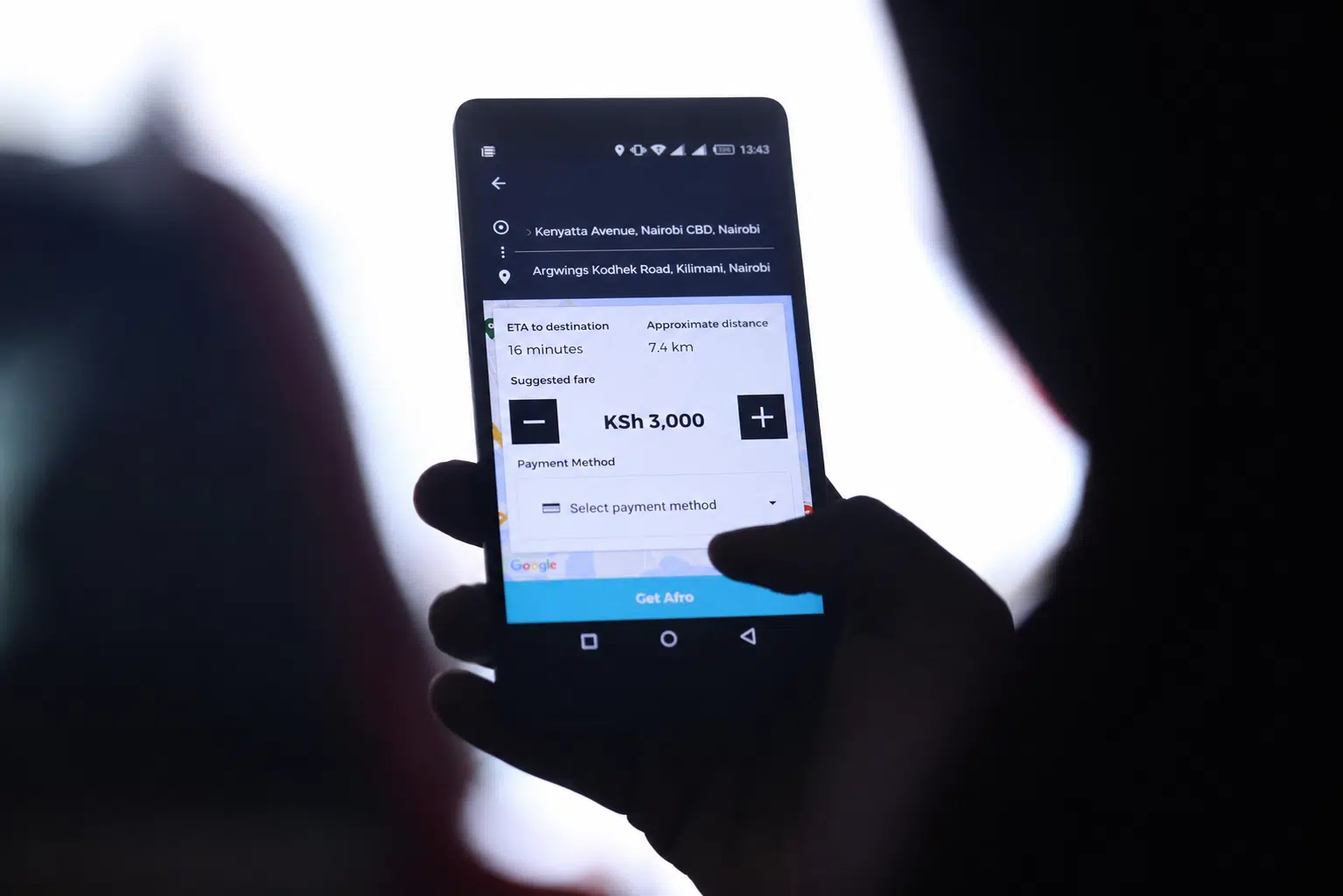
Ride-hailing drivers cited safety concerns on certain routes amid fears of unrest and fuel shortages as reasons to stay off the roads. Many who did venture out switched to off-app trips, using the disruption as an opportunity to set their own fares with desperate commuters, cutting platforms out of the transaction entirely.
The strike follows a decision by Kenya’s Energy and Petroleum Regulatory Authority (EPRA) to raise fuel prices by KES 16.65 ($0.13) per litre for petrol and KES 46.29 ($0.36) for diesel. Diesel now retails at KES 242.92 ($1.88) per litre, while petrol has climbed to KES 214.25 ($1.66).
“The Alliance emphasises that Kenya should not continue paying some of the highest fuel prices in the region while countries such as Ethiopia, despite being landlocked, maintain significantly lower pump prices,” the Transport Sector Alliance said in a statement.
The disruption has reignited concerns over fuel supply in a country that imports nearly all its petroleum products through a government-to-government arrangement with suppliers from the United Arab Emirates and Saudi Arabia. That deal, introduced in 2023, was designed to ease pressure on the Kenyan shilling by allowing fuel imports on extended credit terms.
But traders and motorists across parts of the country have reported sporadic shortages over the past month. Rising geopolitical tensions in the Middle East — where Kenya sources much of its fuel — have stoked fears that supplies could tighten further and push prices even higher.
There is no immediate clarity on how long the strike will last. Transport operators say they will only resume services once fuel prices are revised or the government announces concrete interventions — leaving ride-hailing platforms with little control over when, or whether, drivers return to their apps.