



안녕하세요,
Victoria from Techpoint here,
Here’s what I’ve got for you today:
- MTN, Vodacom sue ICASA over data rules
- Meta and TikTok could open offices in Nigeria
- Guinea launches NimbaPay instant payment system
- Uber and Bolt drivers could gain fare control
MTN, Vodacom sue ICASA over data rules

South Africa’s two biggest mobile operators are taking their regulator to court over one of the most consumer-friendly telecom rules introduced in years. MTN and Vodacom have separately challenged new regulations issued by the Independent Communications Authority of South Africa (ICASA) that would force mobile operators to automatically roll over unused data, voice, and SMS bundles instead of letting them expire. The rules, which are scheduled to take effect in January 2027, also introduce stricter protections against out-of-bundle charges and require operators to use customers’ oldest bundles first before newer ones.
The legal battle matters because it could determine what happens to millions of South Africans’ unused mobile data. For years, consumers have complained about losing paid-for data when bundles expire, prompting repeated calls for regulators to intervene. ICASA’s new rules are designed to ensure customers get more value for their money by allowing unused bundles to roll over automatically at least once without requiring them to opt in or pay extra. But MTN and Vodacom argue that the regulator exceeded its legal powers, failed to assess the economic impact of the rules properly, and didn’t adequately consult the industry before finalising them.
The dispute has been months in the making. In January 2026, ICASA gazetted revised consumer protection regulations after years of consultations and public complaints about data expiry and unexpected out-of-bundle billing. Besides mandatory rollovers, the regulations also require operators to stop charging customers out-of-bundle rates once their bundles are exhausted unless users explicitly choose to continue. According to the operators, however, implementing the changes would require significant modifications to their billing systems and could have substantial financial implications.
This isn’t the first time South Africa’s telecom industry has fought over data expiry. Back in 2017, MTN, Vodacom, and other operators also challenged similar consumer protection regulations in court, delaying their implementation for years. The latest case therefore revives a long-running debate over who should benefit from unused mobile data: consumers who paid for it or operators whose business models have traditionally relied on data bundles expiring after a set period.
For consumers, the outcome could shape the future of mobile services in South Africa. If ICASA wins, users are likely to enjoy stronger protections, longer-lasting bundles and fewer surprise charges. If the operators succeed, the new rules could be delayed, amended or even scrapped altogether. Either way, the court case has become another major chapter in South Africa’s years-long effort to balance consumer rights with the commercial realities of running one of Africa’s largest telecom markets.
Meta, TikTok could open offices in Nigeria

Nigeria’s Senate is moving closer to forcing Meta, TikTok, X, and other global social media companies to set up physical offices in the country. During a public hearing held in Abuja on July 23, 2026, lawmakers and several stakeholders threw their weight behind a bill sponsored by Senator Ned Nwoko that would amend the Nigeria Data Protection Act, 2023. If passed, the law would require social media platforms serving Nigerian users to maintain a physical presence within the country’s borders instead of operating remotely.
The proposal is about much more than office space. Supporters argue that having local offices would make it easier to enforce Nigerian laws, protect users’ data, improve tax compliance and create jobs. It could also make it easier for businesses, creators and government agencies to resolve disputes with these companies instead of dealing with teams based abroad. Senate President Godswill Akpabio, represented at the hearing by Deputy Senate Leader Lola Ashiru, said the bill isn’t meant to chase tech companies away but to improve accountability and strengthen Nigeria’s digital economy.
The debate has been brewing for years. Nigeria has one of Africa’s largest populations of Internet users and some of the continent’s most active communities on Facebook, Instagram, TikTok, and X. Despite that, most major social media companies still serve the Nigerian market from regional hubs outside the country. That arrangement has repeatedly sparked criticism whenever users, businesses or regulators have struggled to get timely responses on issues ranging from content moderation to taxation and regulatory compliance. The latest bill is lawmakers’ latest attempt to close that gap by ensuring global tech firms have people on the ground in Nigeria.
The bill also comes as governments around the world demand greater accountability from large technology companies. Countries such as India, Ireland and the United Arab Emirates have attracted major tech firms to establish local operations, and supporters of the Nigerian proposal argue the country deserves similar treatment given the size of its digital market. During the hearing, stakeholders also backed a separate bill proposing the establishment of an Artificial Intelligence Academy to support AI education and innovation, signalling Nigeria’s broader ambition to strengthen its digital ecosystem.
Whether the bill eventually becomes law remains to be seen, but it marks another significant step in Nigeria’s evolving relationship with global technology companies. If approved by the National Assembly and signed into law, companies like Meta, TikTok and X could have to rethink how they operate in one of Africa’s biggest internet markets. For millions of Nigerian users, it could mean faster engagement with platforms, stronger regulatory oversight and potentially more local jobs in the country’s fast-growing tech sector.
Guinea launches NimbaPay instant payment system

Guinea has joined the growing list of African countries building their own instant payment systems. The country has officially launched NimbaPay, a national platform that allows people and businesses to send and receive money instantly between banks, mobile money providers and microfinance institutions. Unveiled on July 24, 2026, the system is being led by the Central Bank of the Republic of Guinea (BCRG) and implemented by Guinéenne de Monétique (GuiM) as part of the country’s broader push to modernise its financial system.
The launch is a big deal because moving money in many African countries can still be slow, expensive and fragmented. Different banks and mobile money providers often operate in silos, making transfers more complicated than they should be. NimbaPay aims to change that by creating a single interoperable network where payments happen in real time, regardless of the financial institution involved. For consumers, that means faster transactions. For businesses, it means quicker settlements, better cash flow and fewer payment headaches.
The project has been in the works for months. Back in December 2025, Guinea’s central bank began developing the country’s instant payment infrastructure after consulting banks, fintechs, electronic money providers and microfinance institutions. The goal was to build an open payment ecosystem that would reduce reliance on cash while supporting financial inclusion. The system also received technical support from the AfricaNenda Foundation, which has been helping African countries develop interoperable digital payment infrastructure.
Guinea isn’t alone in this journey. Across Africa, central banks are investing heavily in faster payment infrastructure as digital transactions become more common. Countries such as Ghana, Kenya and Nigeria have already built real-time payment systems, while initiatives like the Pan-African Payment and Settlement System (PAPSS) are working to make cross-border payments across Africa cheaper and faster. NimbaPay positions Guinea to eventually integrate more easily with these regional payment networks as intra-African trade grows under the African Continental Free Trade Area (AfCFTA).
For Guinea, NimbaPay is about much more than convenience. It’s another step towards a digital economy where people can pay, save and do business without depending heavily on cash. As smartphones, mobile money and digital banking continue to spread across the continent, instant payment systems are quickly becoming essential national infrastructure. Guinea’s latest move shows it wants to be part of that transformation rather than play catch-up.
Uber and Bolt drivers could gain fare control

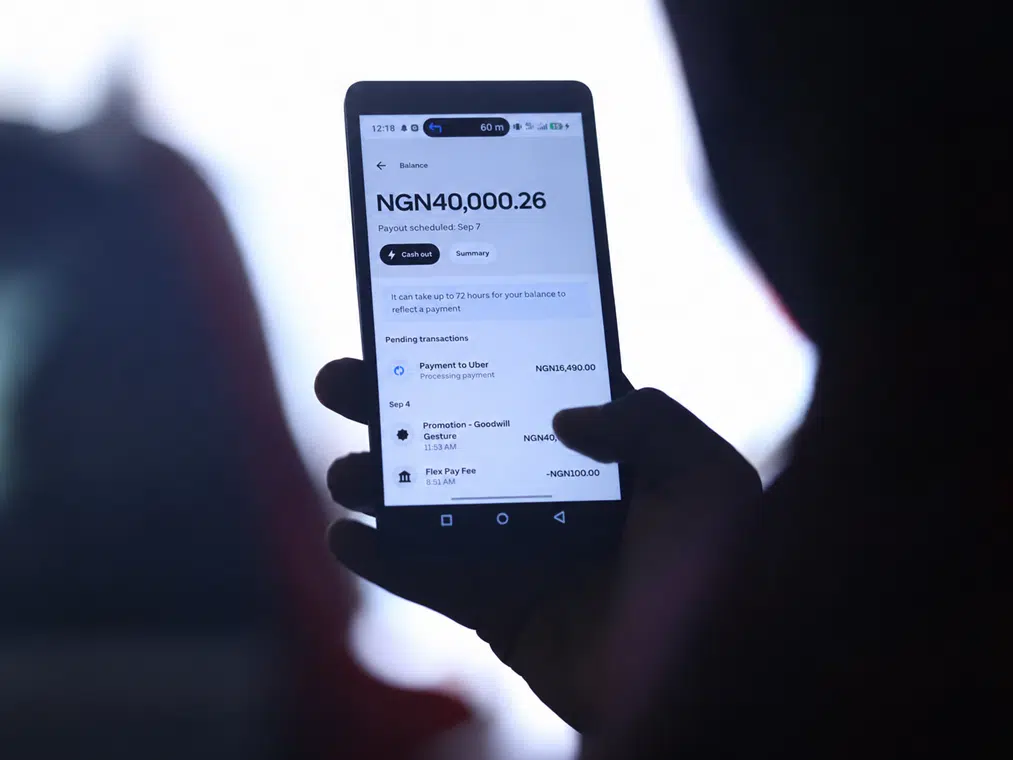
Kenya could soon give Uber and Bolt drivers more control over how much they charge for rides. New proposals in the Competition (Amendment) Bill, 2026, would allow regulators to step in when digital platforms are found to have too much bargaining power over the businesses that depend on them. While the bill doesn’t explicitly tell drivers to set their own prices, it would give the Competition Authority of Kenya (CAK) new powers to stop platforms from imposing unfair commercial terms, including fare structures and commission models that drivers have complained about for years.
The proposal is significant because it could reshape the relationship between ride-hailing companies and drivers. For years, drivers have accused Uber and Bolt of repeatedly lowering fares while maintaining high commission rates, making it harder to earn a sustainable income. Some drivers have even ignored app-generated fares and negotiated prices directly with passengers. If the Bill becomes law, platforms deemed to hold a “strategic market position” or a “superior bargaining position” could face greater oversight, making it harder for them to dictate pricing without considering drivers’ interests.
The move builds on months of regulatory pressure. Earlier in July 2026, Kenya’s Ministry of Roads and Transport proposed introducing a minimum fare per trip for ride-hailing services, arguing that drivers were earning too little under the current pricing model. That proposal sparked resistance from Uber and Bolt, which warned that significantly higher fares could reduce customer demand and ultimately hurt drivers as well. The Competition Amendment Bill now adds another layer to the debate by focusing on the market power of digital platforms rather than just ride prices.
But the proposed law goes beyond ride-hailing. It is part of Kenya’s broader effort to regulate powerful digital platforms across the economy. The Bill introduces new concepts such as “strategic market position” and “superior bargaining position,” allowing the Competition Authority to scrutinise companies that may not dominate a market outright but still wield significant influence because of their data, network effects or control over digital ecosystems. The approach mirrors regulations already introduced in jurisdictions such as the European Union to curb the growing influence of large technology companies.
If Parliament approves the amendments, the balance of power between platforms and drivers could begin to shift. Drivers may gain stronger protections during fare and commission disputes, while companies like Uber and Bolt could face stricter rules governing how they deal with the thousands of people who rely on their platforms for income. As Kenya’s gig economy continues to expand, the proposed reforms could become one of the country’s biggest regulatory shake-ups for digital platforms in years.
In case you missed it
- Airtel Africa’s Airtel Money is heading for a London IPO after a strong Q1
- The Indonesian gambling syndicate hiding inside governments’ websites across 16 African countries
- President Tinubu signs executive order to unify Nigeria’s virtual assets regulation
What I’m watching
- The myth that stupidity means low intelligence | Jonny Thomson: Full Interview
- Memory Hackers (2016) | Full Documentary | NOVA
Opportunities
- Moniepoint is hiring for over 100 roles. Apply here.
- Follow Techpoint Africa’s WhatsApp channel to stay on top of the latest trends and news in the African tech space here.
Have a fun weekend!
Victoria Fakiya for Techpoint Africa