




Hej,
Victoria from Techpoint here,
Here’s what I’ve got for you today:
- FlexPay directors arrested over KSh 31.2M
- Uber exits Nigeria and Uganda
- Mbappé-backed Alan enters Africa
FlexPay directors arrested over KSh 31.2M

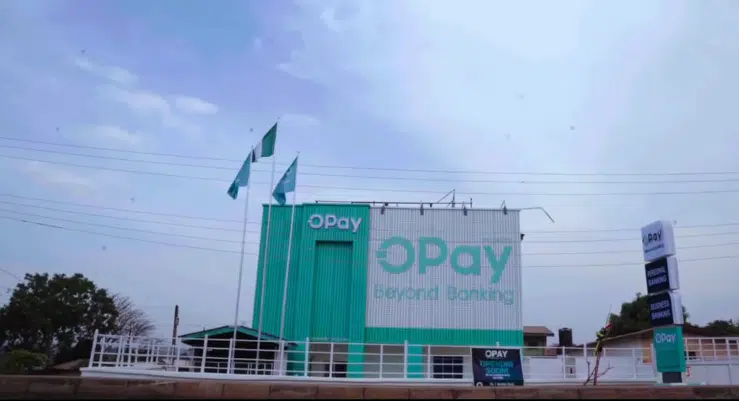
A Kenyan fintech has gone from helping people buy phones and appliances in instalments to having two of its directors arrested over an alleged KSh 31.2 million (about $242,000) theft. On September 2, 2026, per TechCabal, detectives from Kenya’s Directorate of Criminal Investigations (DCI) arrested Martin Kariuki Maina and Johnson Gituma Mwangi, directors of Flexitech Group, in Nairobi’s Roysambu area. The arrests followed a complaint from a major retail chain, which alleges that money collected from customers through the company was not remitted.
According to the DCI, the two directors were acting as agents for the retailer and had received KSh 31,213,700.95 from customers who had bought and collected products from different branches. Investigators allege that, together with other suspects who are still at large, the money was diverted for their own use. The two are being processed ahead of arraignment at the Milimani Law Courts, where they are expected to face charges of stealing by agent. Importantly, these are allegations at this stage, not convictions.
If you’re wondering why this matters, FlexPay isn’t some random payment app sitting on the sidelines of retail. The company built its business around helping consumers pay for products gradually rather than coughing up the full amount upfront. Its model has evolved into what it calls “Save Now, Buy Later”, where customers save towards products through merchants rather than taking on interest-bearing credit. Its current terms say Flexpay handles payment processing, reconciliation, record-keeping and customer savings balances, which makes trust around money particularly important.
The company has actually been around for more than a decade. FlexPay was founded in the mid-2010s and had already received backing from programmes including Techstars and Google LaunchPad. By September 2023, TechCrunch reported that it had grown its merchant network to about 600 businesses, with plans to expand its savings products beyond retail into areas such as travel and education. The company also raised funding and participated in programmes including the Ecobank Fintech Challenge and Safaricom Spark Accelerator.
And that history makes the arrest particularly significant. FlexPay has spent years positioning itself around financial inclusion and giving people a debt-free alternative to traditional buy now, pay later products. Now, two of the company’s directors are at the centre of a police investigation involving money that was supposed to reach a retail partner. The DCI says investigations are still ongoing and other people connected to the alleged theft are being sought, so the next major development will likely come when the suspects appear in court, and more details about the retailer, the transactions and the alleged diversion emerge.
Uber exits Nigeria and Uganda

Uber has officially pulled the plug on its ride-hailing operations in Nigeria and Uganda, effective yesterday, September 2, 2026. After 12 years in Nigeria and 10 years in Uganda, the company says it made the decision after reviewing its business priorities and where it wants to invest across Africa. Uber says it will continue operating in its other African markets, so this isn’t a continent-wide retreat. For affected drivers, the company says it is communicating transition arrangements, including a token of appreciation for active drivers, while rider support will remain available for 21 days.
For Nigeria, this is the end of a pretty long run. Uber launched in Lagos in 2014, at a time when ordering a taxi from your phone still felt like a novelty. It later expanded into cities including Abuja, Ibadan, Benin, Port Harcourt, Kano, Enugu, Warri, Uyo, and Owerri. By 2023, Uber said its Nigerian operations had contributed about ₦34 billion to the economy, while drivers earned an additional ₦6.1 billion compared with what they might have made elsewhere. But the market has changed considerably since then, with Bolt, inDrive, and local operators competing for the same drivers and riders.
Well, Nigeria’s ride-hailing business has become more difficult as fuel prices, inflation, and naira volatility have pushed up operating costs. And just weeks before Uber’s exit, the Federal Airports Authority of Nigeria (FAAN) on July 30 directed airport managers to stop Uber and Bolt from operating commercially at its managed airports until licence agreements were finalised. The decision caused a backlash over higher airport fares, and Aviation Minister Festus Keyamo intervened on August 27, after which Bolt was cleared to resume. Uber, however, has specifically said its exit from Nigeria is not related to the FAAN directive.
Nigeria and Uganda are not the first African markets Uber has abandoned recently. In September 2025, it exited Côte d’Ivoire after about six years, and in February 2026, it pulled out of Tanzania. The company is now becoming more selective about where it puts its money and attention, even as competition across African ride-hailing markets intensifies. Uganda, where Uber launched in Kampala in 2016, has also developed a crowded market featuring SafeBoda, Faras, and Yango.
And the African exits are happening as Uber itself goes through a much bigger reset. On September 2, 2026, the company also announced plans to cut roughly 3,300 corporate jobs, about 10% of its workforce, as CEO Dara Khosrowshahi looks to simplify the business and redirect resources towards growth areas, particularly autonomous vehicles. So while Uber says it still sees “robust growth and long-term opportunity” in Sub-Saharan Africa, its latest moves suggest that it is becoming much more deliberate about which markets are worth continued investment. For Nigeria, that leaves Bolt and other rivals with a much bigger opportunity and Uber drivers and riders with one fewer major platform to choose from.
Mbappé-backed Alan enters Africa
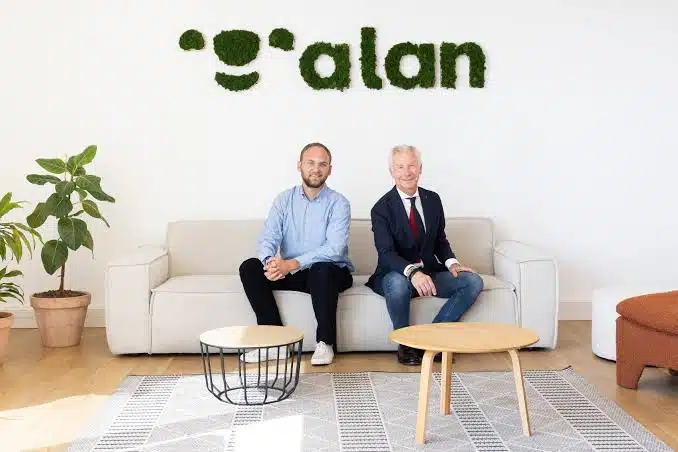
Imagine being one of the biggest football stars in the world and deciding your next big move is health insurance. Kylian Mbappé-backed French healthtech company Alan is now expanding into Africa after acquiring Senegalese digital health insurer Tanel. The deal, announced on September 2, 2026, is Alan’s first move into Africa, although neither company has disclosed how much the acquisition cost. Tanel will be rebranded as Alan, while its founders, Mouhamed Ndoye and Makhtar Diop, will continue leading the African business.
For Alan, this is more than just buying a company. Tanel gives it an existing foothold in Senegal and Côte d’Ivoire, where it serves about 70,000 people across more than 400 companies and works with over 1,200 pharmacies and healthcare providers. Alan already has more than 1 million members across France, Spain, Belgium and Canada and sells health insurance to corporate customers, including Volkswagen Spain and the French finance ministry. It now plans to use Tanel as a base to expand further across Africa, including English-speaking markets in West and East Africa.
The timing is interesting too. Alan has just raised a serious amount of money to fund this expansion. In June 2026, Prosus led a €480 million investment in the company, taking its valuation to €5.5 billion, up from €4 billion in 2024. That followed a €100 million funding round in March, meaning Alan has raised about €580 million this year. The company generated €840 million in annual recurring revenue but is still loss-making globally, so entering new markets is part of its bigger push to grow beyond its existing European base.
And this is where Mbappé comes in. On March 23, 2026, the Real Madrid and France star became a minority investor and ambassador in Alan through his investment vehicle, Coalition Capital. The investment was part of Alan’s €100 million round, although the exact amount Mbappé invested was not disclosed. His involvement fits Alan’s pitch around preventive healthcare, using technology, AI and everyday health habits to get people thinking about their health before they get sick.
Tanel itself has been building towards this moment for a while. Founded in 2021 by Ndoye and Diop, the Dakar-based company was created to make managing employee health coverage easier in markets where the process can still be heavily paper-based. Alan first invested in Tanel during its 2024 seed round, and the relationship eventually evolved into an acquisition rather than Tanel raising another round independently. For its investors, including Nigeria’s Ventures Platform and Japan’s AAIC, it also represents a relatively rare healthtech exit in Africa. Now, what started as a Senegalese healthtech startup is becoming Alan’s launchpad for a much bigger African health insurance play.
In case you missed them
- Timon wants Africans to stop leaving their financial lives behind when they travel
- After relying on OpenAI and Anthropic, Decide is building some AI of its own
- Meta agrees to pay up to $18 billion over claims Facebook and Instagram harmed children
What I’m watching
- There is no such thing as human progress | John Gray, Jonny Thomson
- Literacy is dead. Consumerism is Forever.
Opportunities
- Flutterwave is hiring for several roles. Apply here.
- Moniepoint is hiring for over 100 roles. Apply here.
- Follow Techpoint Africa’s WhatsApp channel to stay on top of the latest trends and news in the African tech space here.
Have a superb Thursday!
Victoria Fakiya for Techpoint Africa