



Witam,
Victoria from Techpoint here,
Here’s what I’ve got for you today:
- Cassava backs $1B Egypt AI data centre
- Côte d’Ivoire to get its first state data centre
- Uber says UberX drivers won’t lose jobs in SA
- NCC sounds alarm over masked calls
Cassava backs $1B Egypt AI data centre
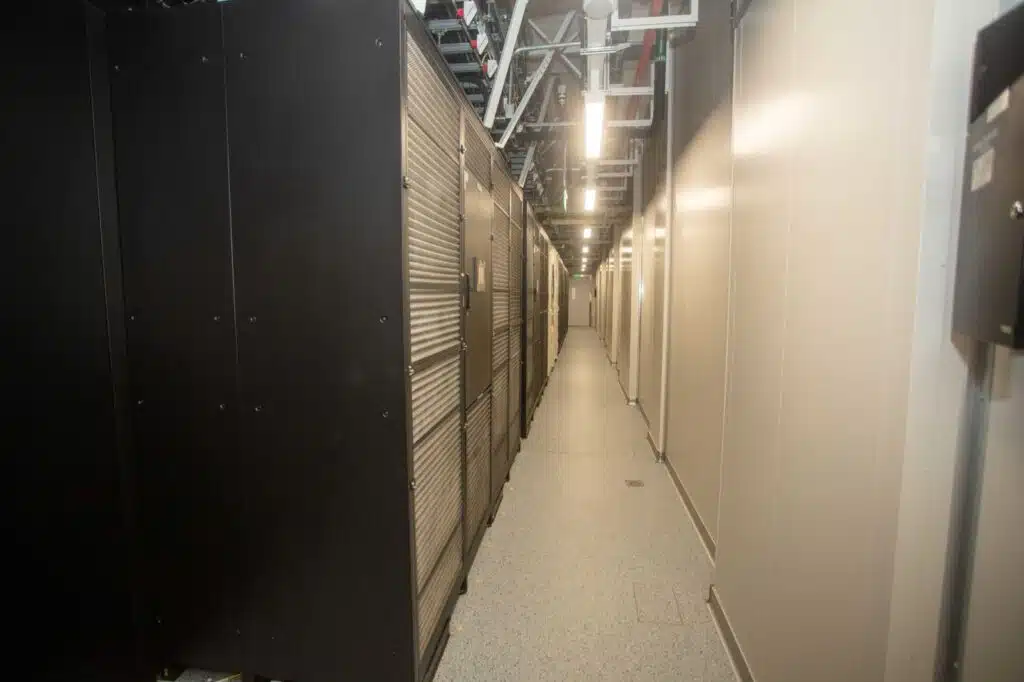
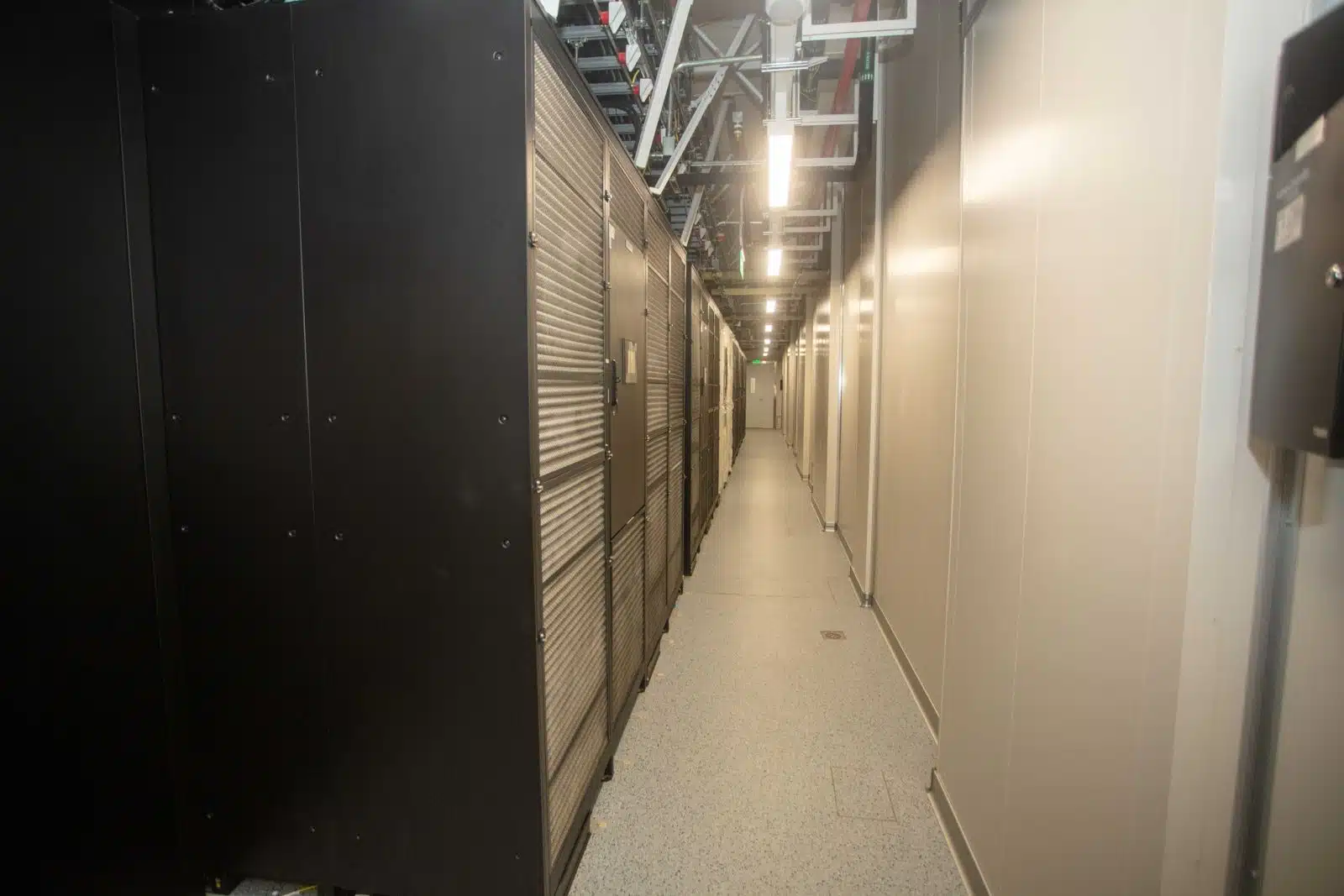
Cassava Technologies, founded by Zimbabwean billionaire Strive Masiyiwa, is joining Vodafone Business and Egypt’s Elsewedy Electric to build a major data-centre operation in Egypt. The joint venture, announced last week, will start with 20MW of capacity and could eventually scale to 200MW. The full project is expected to attract up to $1 billion in investment, although that figure is tied to the project reaching its full planned capacity, not money being spent upfront.
The bigger play is not just about storing websites and company files. Cassava and Vodafone are also planning what they describe as Egypt’s first sovereign AI data centre, where businesses and government organisations can access Nvidia-powered computing locally. Instead of buying expensive AI hardware themselves, customers will be able to rent computing capacity as a service. Keeping that infrastructure in Egypt could also allow sensitive data and AI workloads to be processed locally rather than sent to servers outside the country.
Africa still accounts for a very small share of the global cloud-computing market, and AI growth is making access to computing power increasingly important. For Egypt, the project could strengthen its position as a regional digital infrastructure hub, while for Cassava it adds another major market to its data-centre footprint. The company already operates Africa Data Centres facilities in countries including South Africa, Kenya and Nigeria and says its wider technology platform now spans more than 30 markets.
The move also fits into Masiyiwa’s broader push into AI infrastructure. In September 2025, Cassava announced plans to establish AI factories in five African markets, including South Africa, Kenya, Egypt, Nigeria, and Morocco. In November 2025, it partnered with Google to expand access to Gemini across Africa, while Cassava has also developed its own AI and GPU-as-a-Service offering. Its Egyptian project therefore looks less like a one-off data-centre deal and more like another piece of a continent-wide infrastructure strategy.
For Vodafone, the deal also builds on its long-running presence in Egypt. The company says it has invested more than EGP125 billion in the country over 28 years and plans another EGP20 billion investment during its 2026/27 financial year. Cassava brings the data-centre and AI infrastructure expertise, Elsewedy brings local infrastructure and project capabilities, and Vodafone brings its enterprise customer base. If the project reaches the planned 200MW scale, Egypt could end up with a much bigger role in Africa’s growing AI-compute market, and Masiyiwa’s Cassava will be right in the middle of it.
Côte d’Ivoire to get its first state data centre

Côte d’Ivoire is getting its first state-owned data centre, with the US stepping in to help finance the project. The facility is expected to open in 2027. It’s being developed by US-based technology company Cybastion as part of a broader $170 million digital infrastructure programme backed by the US Export-Import Bank. The data centre itself is expected to cost about $66 million.
The facility will give the Ivorian government a place to store and manage public-sector data locally, rather than relying entirely on privately owned or overseas infrastructure. It is expected to provide about 1.73MW of IT capacity and support the government’s digitalisation efforts, including services such as smarter border management. In other words, this is as much about data sovereignty and government control as it is about building another server room.
As African governments move more public services online and AI and cloud computing become more important, having reliable local infrastructure is becoming a bigger deal. Côte d’Ivoire already has a growing private data-centre market, but a government-owned facility gives the country another layer of control over sensitive public data. It also fits into a wider push across Africa to build local digital infrastructure instead of depending solely on facilities outside the continent.
Côte d’Ivoire’s data-centre market has been developing for years. In 2023, Africa Data Centres announced plans for a facility in the country as part of its wider expansion across African markets, while Raxio opened its CIV1 carrier-neutral data centre in September 2024. ST Digital also inaugurated a data centre in Côte d’Ivoire in October 2025. The new state-owned facility therefore enters a market that is already attracting private investment, but with a very different purpose.
The bigger picture is that the US is increasingly using digital infrastructure as part of its economic engagement with Africa, while African governments are looking for more control over the infrastructure powering their digital economies. For Côte d’Ivoire, the 2027 project could strengthen its digital sovereignty and support more government services locally. For the US, it creates another foothold in a strategically important West African market. The real test will be whether the facility becomes a useful piece of everyday government infrastructure once it goes live.
Uber says UberX drivers won’t lose jobs in SA

Uber is pushing back against claims that its decision to scrap UberX in South Africa will leave drivers out of work. The company says the move, which took effect on September 1, 2026, is about simplifying its product lineup rather than cutting drivers from its platform. Uber says most existing UberX drivers should be able to move to either Uber Go or Uber Comfort, depending on their vehicles.
The problem is that not everyone agrees. The National E-Hailing Federation of South Africa (NEFSA) says as many as 60% of its represented drivers may not qualify for another Uber category. That is because many drivers bought or rented vehicles specifically for UberX, serving Uber’s mainstream, entry-level service. Moving up to Comfort requires a vehicle that is five years old or newer, with features including ABS and driver and passenger airbags, while older vehicles would have to move down to Uber Go.
That matters because e-hailing is already a tough business for many drivers. NEFSA says some drivers are struggling to cover vehicle rental costs, while Uber’s vehicle-age restrictions and pricing model have made it harder to earn what they once did from the same trips. So while Uber sees the change as a cleaner way to organise its services and protect earnings across vehicle tiers, drivers see a risk that some of them could simply lose access to the platform.
The dispute started in mid-August 2026, when Uber told South African customers it was retiring its long-running UberX service from September. The company said the change would give riders a simpler and more tailored set of options. But by 29 August, NEFSA was warning that the decision could affect jobs and criticising Uber for not consulting its members before making the change. The federation also argued that the economics of Uber’s different categories were already difficult for drivers.
Uber, however, maintains that drivers are not being forced out. It says existing UberX vehicles that meet the requirements can transition to the appropriate service, while drivers whose cars no longer qualify for UberX can use another eligible category. The bigger question now is whether that transition actually works for the drivers on the ground, particularly those who invested in vehicles specifically for UberX and may not have the money to upgrade.
NCC sounds alarm over masked calls
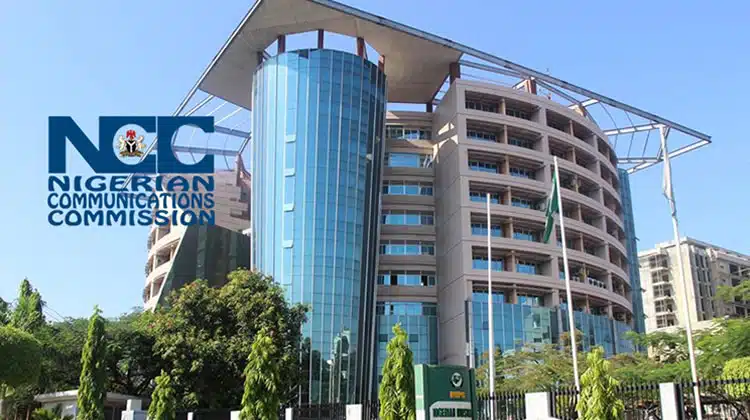
Call masking is back on the Nigerian Communications Commission’s (NCC) radar, and this time the regulator is looking at it as more than a telecoms revenue problem. Following its 110th Governing Board meeting on September 9, 2026, the Nigerian Communications Commission raised fresh concerns about a resurgence of the practice, warning it could undermine network integrity, reduce legitimate industry and government revenue, and create security risks.
So, what exactly is call masking? It is when an international call is made to appear as though it is coming from a Nigerian number or, in some cases, a shortcode. The trick allows the call to be treated as a local call, which means the person or company behind it can avoid the higher international termination rate. The bigger problem is that it can hide where a call actually came from, making it harder to identify or trace suspicious callers.
That is where the security concern comes in. The NCC says masked calls can be abused for fraud and other unlawful communications because the recipient may see a Nigerian number rather than the caller’s actual international identity. For legitimate telecom operators, it also distorts traffic and revenue, while the regulator considers widespread abuse an economic issue that can affect the wider communications ecosystem.
This is hardly a new problem for Nigeria. The NCC has been dealing with call masking and related practices such as call refiling for years, including investigations and enforcement actions dating back to at least 2017. The regulator has previously sanctioned companies and blocked numbers linked to masking activities. So the latest warning is less about discovering a new loophole and more about the NCC seeing an old problem resurface.
The NCC says it will work with security and law-enforcement agencies, telecom operators and other industry stakeholders to identify and shut down the activity. That matters because Nigeria is becoming increasingly dependent on mobile communications for banking, business and everyday life, making trust in who is actually calling increasingly important. For now, the message from the regulator is clear: disguising international calls as local ones is not just a pricing workaround; when abused, it can become a security headache.
In case you missed them
- Police arrest Nigerian lady behind viral OPay shutdown tweet
- Nexus AI is bringing AI-powered X-ray screening to places with few radiologists
- The startup that took Lagos danfos cashless paid transport unions in cash, weekly. It wasn’t enough
What I’m watching
- Suicide attempt survivors on why, how and relief in recovery | You Can’t Ask That | Full Episode
- The War on Thought: What We Get Wrong About Anti-intellectualism
Opportunities
- Flutterwave is hiring for several roles. Apply here.
- Moniepoint is hiring for over 100 roles. Apply here.
- Follow Techpoint Africa’s WhatsApp channel to stay on top of the latest trends and news in the African tech space here.
Have a productive week!
Victoria Fakiya for Techpoint Africa