

Startups
In nearly a decade, hundreds of entrepreneurs have emerged with innovative startups across the African continent. We provide insights on their experiences and highlight the activities of investors who fund them.





Top stories
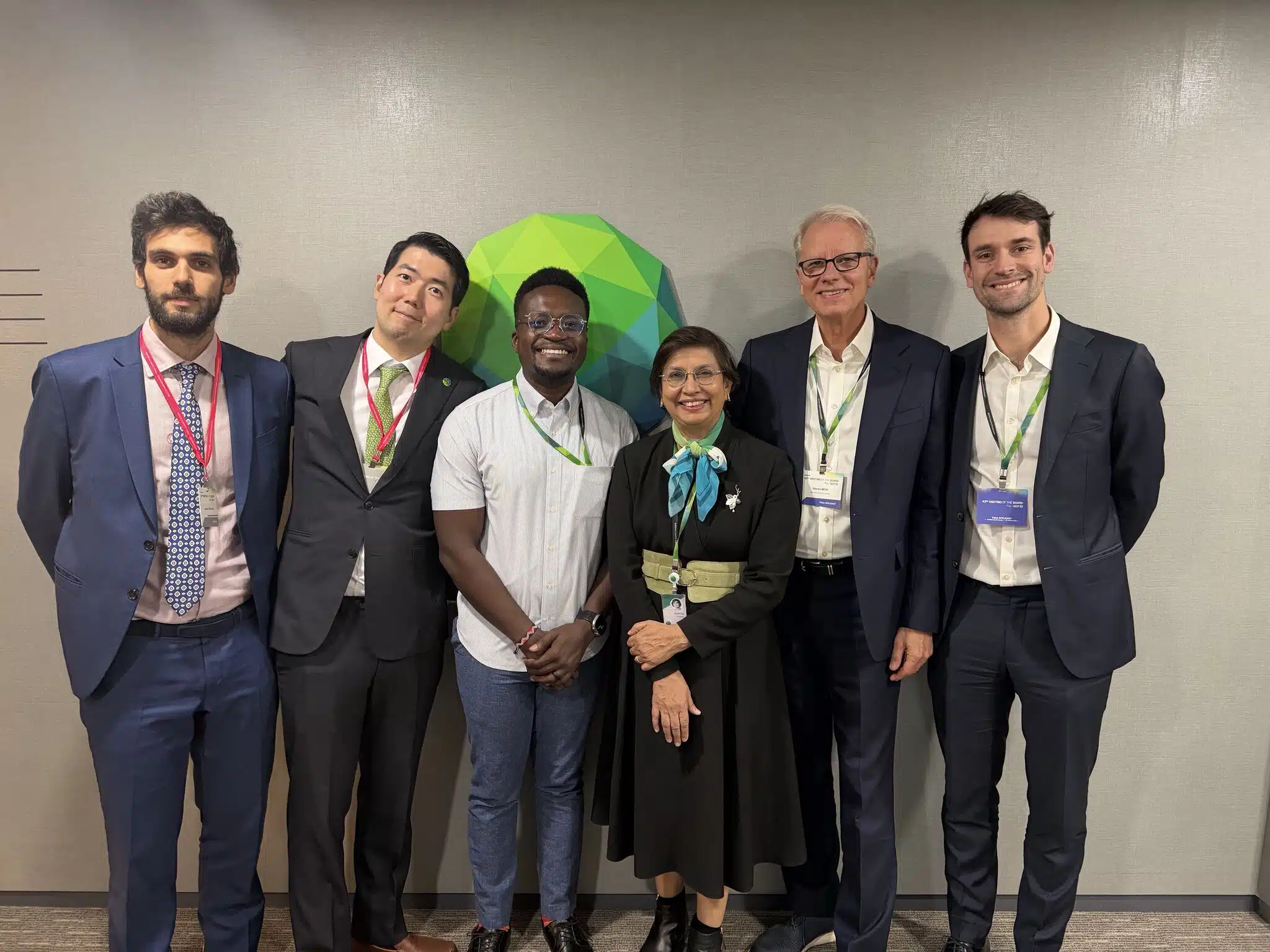
Novastar closes its $147 million third fund with backing from Japanese and global investors, doubling down on climate-focused startups and expanding its reach beyond East and West Africa.

Fixr employs 400 technicians, runs its own logistics, and has processed nearly ₦5bn in solar financing, all without VC funding. Here’s how it’s scaling a contractor-led model across Nigeria and beyond.
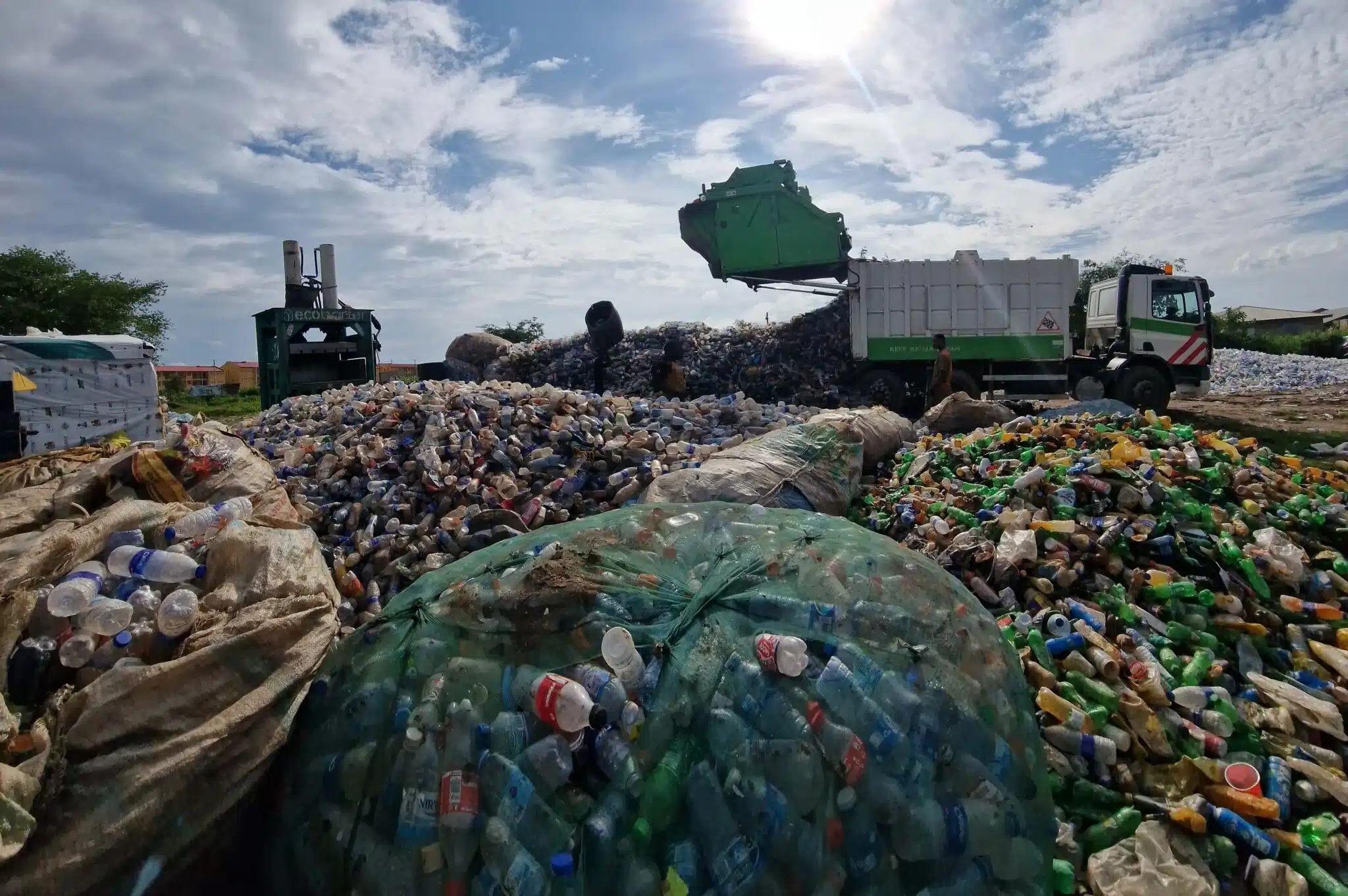
As Nigeria’s waste crisis deepens, Ecobarter is betting that paying people to recycle and digitising informal collectors can succeed where public systems have struggled.

After leaving Google, Ibrahima Sylla returned to Côte d’Ivoire to build for the African market. With Yelen, he’s turning WhatsApp and Instagram conversations into structured storefronts, helping social sellers manage payments, customers, and operations from one platform.

Startups are using AI agents to scale without hiring dev teams, but success depends on oversight, costs, and choosing the right workflows.

Sampson Ovuoba believes building UI should not be code-heavy, so he built Windframe for developers to build visually. Today, engineers from a16z use the platform for prototyping.
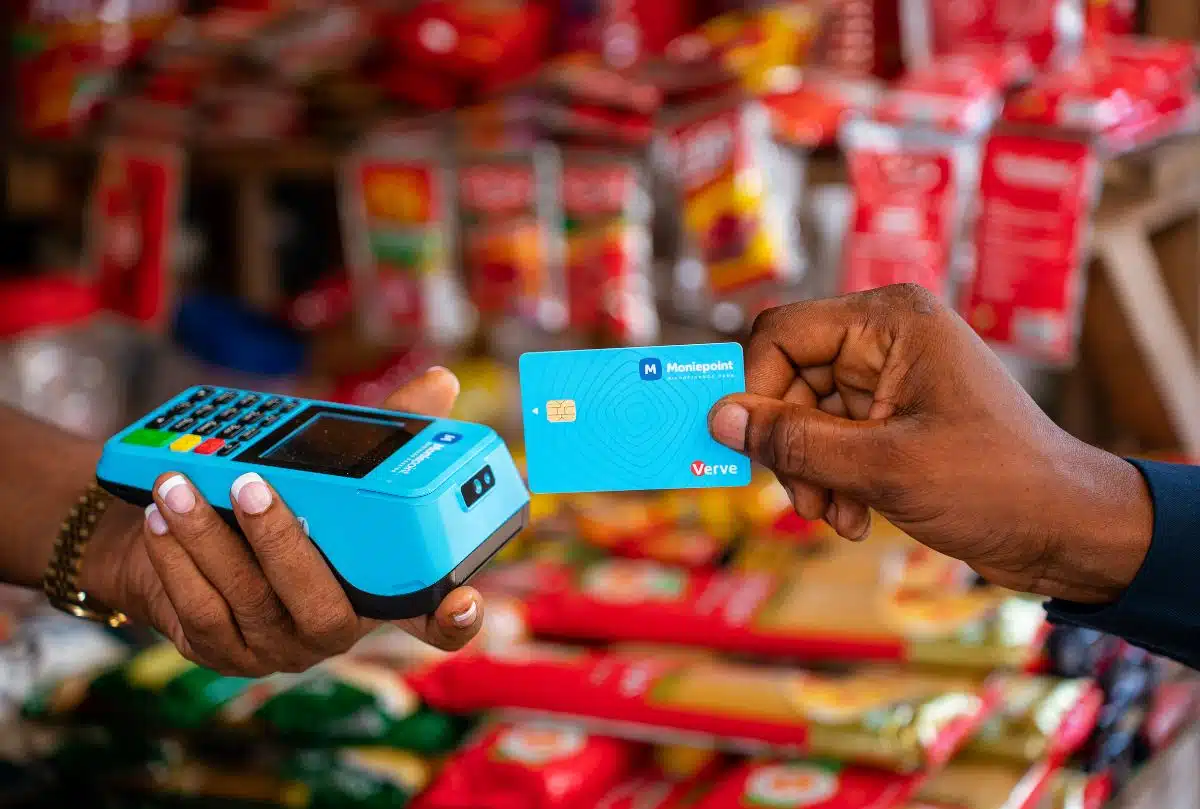
Moniepoint’s acquisition of Orda signals a deeper push into restaurant operations, embedding payments into daily workflows and setting up stronger competition with Chowdeck in Nigeria’s growing food tech space.
Nigeria startup funding drops as Kenya attracts more VC, with policy stability, venture debt, and investor confidence reshaping Africa’s capital flows.
Chowdeck retail logistics expands beyond food, using POS and delivery infrastructure to unlock higher margins and control Nigeria’s retail flow.

Africa startup acquisitions surge as firms buy growth, cutting time, risk, and cost while scaling faster in a tighter funding environment.
Founders shift to venture debt over equity, using non-dilutive capital to scale faster, extend runway, and protect ownership in a tighter market.
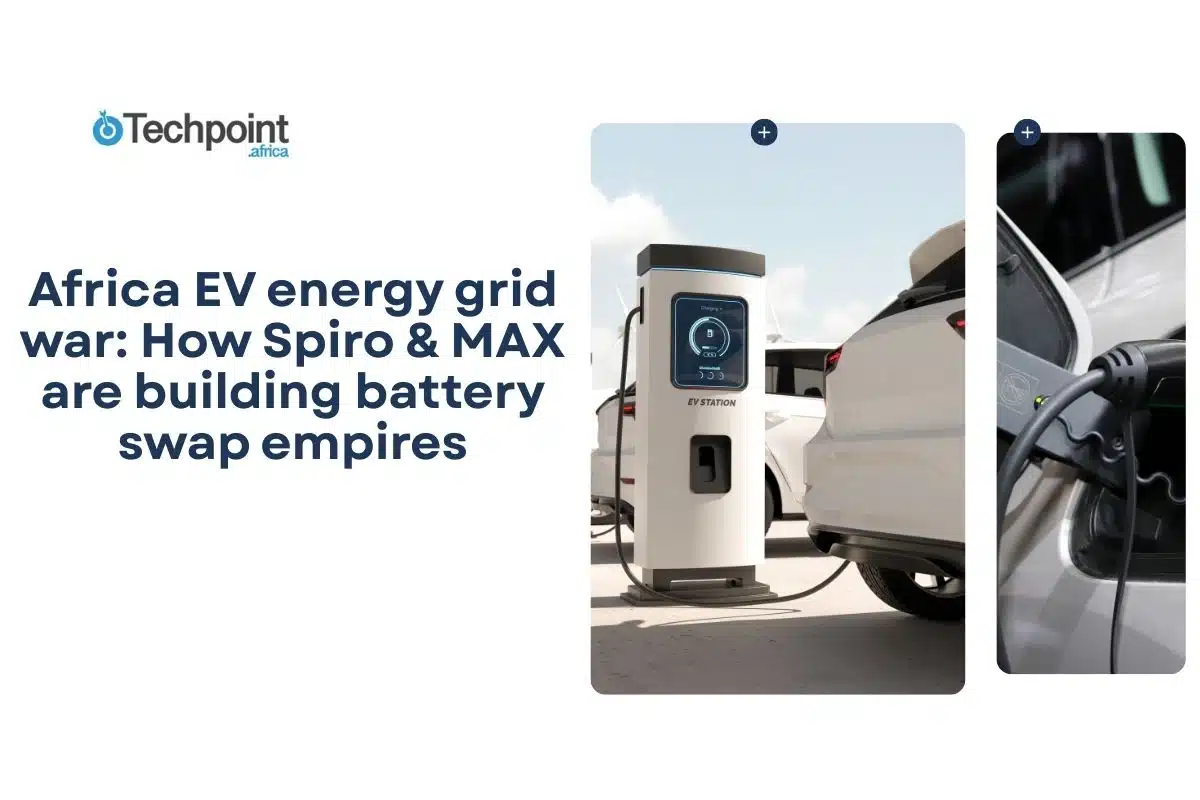
Africa’s EV energy race heats up as Spiro and MAX scale battery swap networks, turning infrastructure into power, profit, and long-term control.

As criticism of POS agents grows, Nigeria risks overlooking their deeper value. Built for an informal economy, these networks could power access to finance, commerce, and essential services.
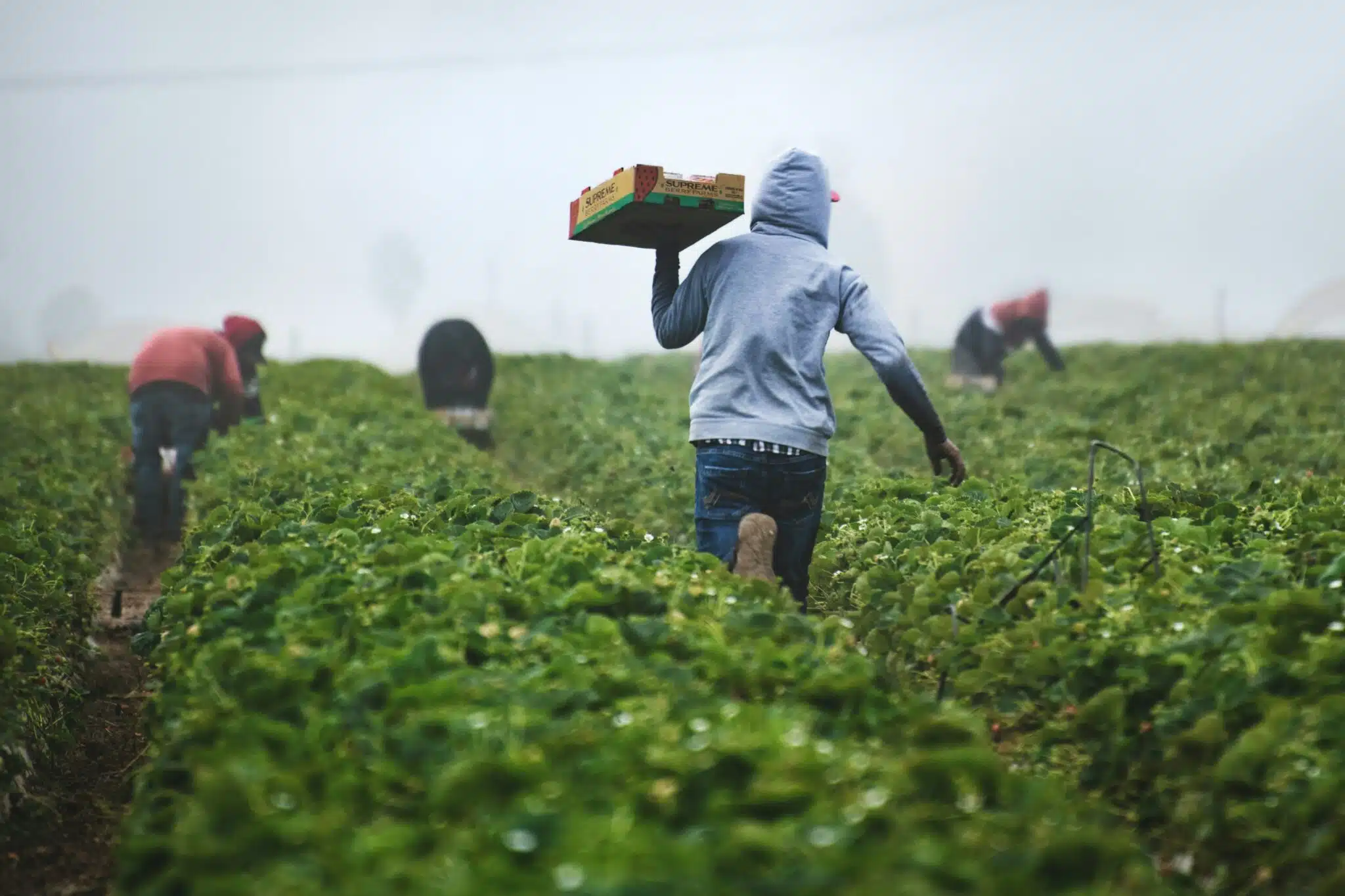
African agtech is moving beyond VC. Equity now makes up less than half of funding, dropping from $328M in 2022 to ~$80M in 2025, as startups turn to debt, grants, and blended finance to scale.

From Okra to Edukoya and Lydia, news of startup shutdowns often sparks intense scrutiny and speculation, but according to Iyin Aboyeji, “failure is the default outcome of a startup,” and it is a fact he wants investors and founders to make peace with

Terra Industries’ ground vehicles will soon carry machine guns. The move is part of a classified project with the Nigerian military as the startup pushes deeper into defence technology.

Nigeria’s iDICE programme has launched Startup Bridge to support early-stage founders, following its investment in Ventures Platform’s $64 million fund.

Across West Africa, women are increasingly coming online, adopting and using digital platforms but many digital products are still quietly losing them after the first few interactions.
Trademarking your startup in Africa protects your brand from copycats and legal disputes. Learn the filing routes, costs, and steps founders must know.