


Startups
In nearly a decade, hundreds of entrepreneurs have emerged with innovative startups across the African continent. We provide insights on their experiences and highlight the activities of investors who fund them.






Top stories

In 2019, a Chinese-backed mobile payments startup put QR codes in Lagos danfos and said it was handling almost 10,000 transactions a day. Within a year it was paying union leaders weekly to stay on the road. It wasn’t enough

As more Africans travel, work remotely, and earn across borders, Tomi Ayorinde and Chizaram Ucheaga believe financial products need to move with them. Timon is building around that idea, bringing wallets, cards, transfers, and travel services into one platform.
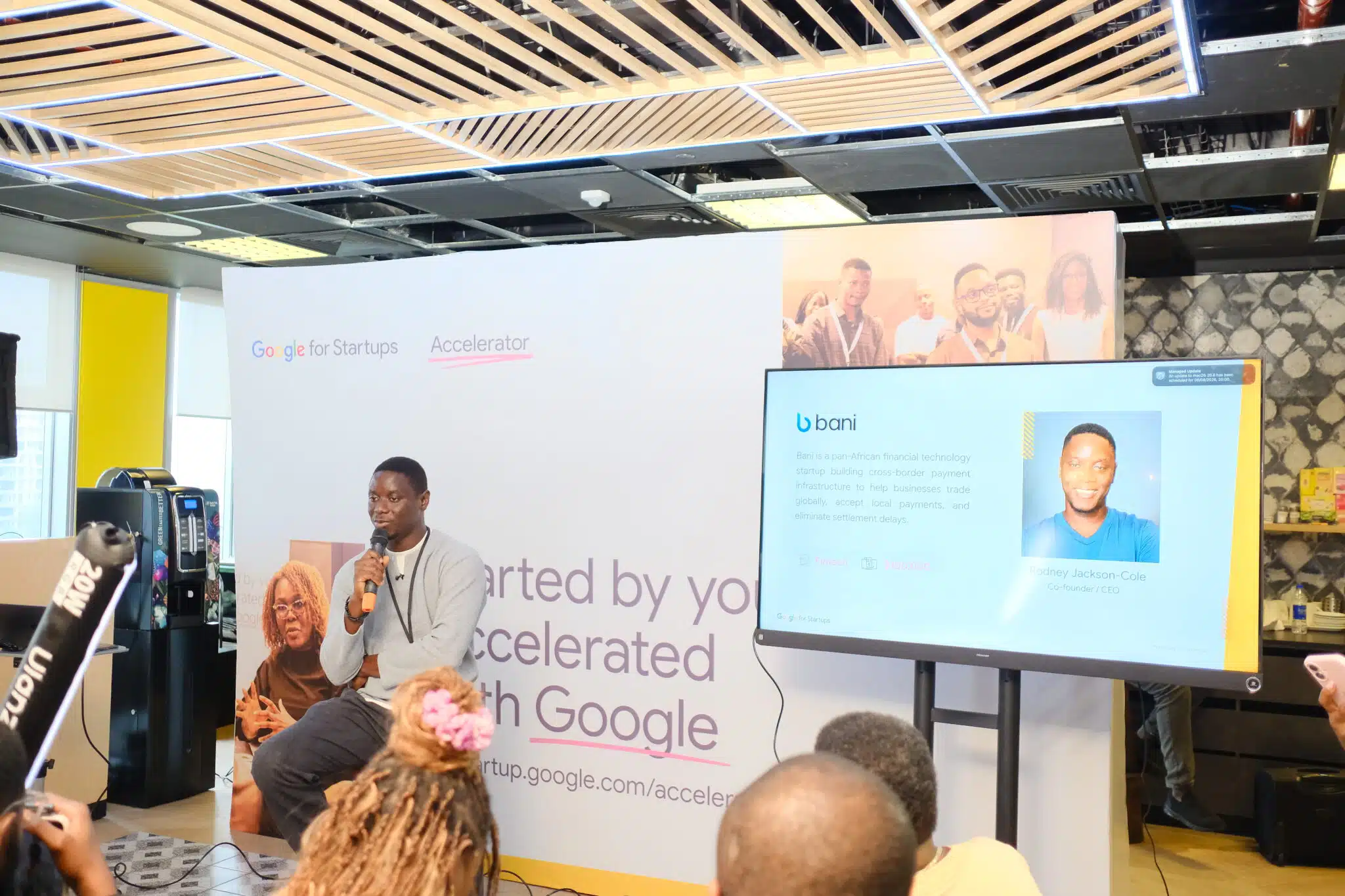
Cross-border payment remains a big headache in Africa. Jackson-Cole, Co-Founder of Bani says his startup wants to solve the problem by building direct integration with the banks and other big players.

Kenyan startup, WorkKE, is building an alternative platform to global freelance platforms Upwork and Fiverr where African gig economy workers can earn a decent livelihood.
Online grocery delivery startup PricePally has announced it is offering priority interview opportunities to affected GoLemon employees.

Glovo has introduced a conversational commerce model that shifts users from a search-based web to an intent-based web navigation model.
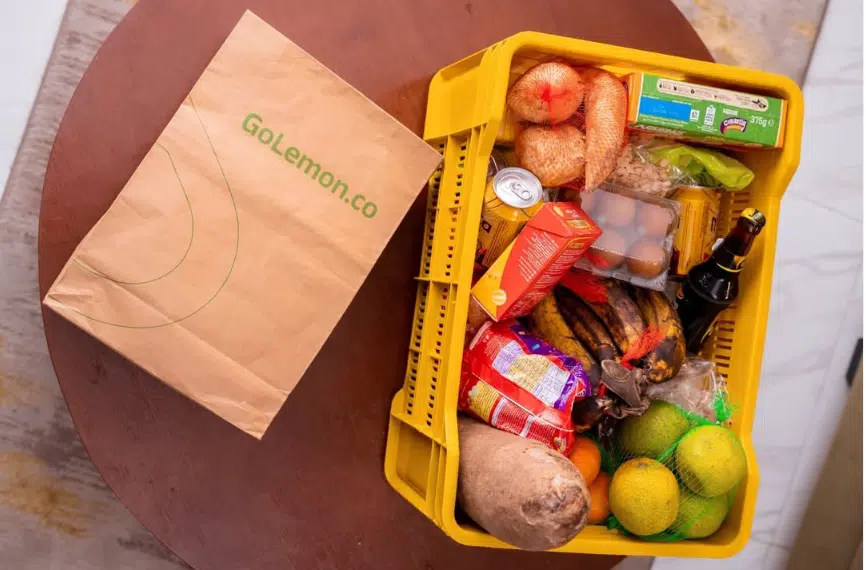
Postmortem analyses have continued to flow in the wake of GoLemon’s shutdown. However, this piece takes a different approach examining why online grocery businesses in Nigeria have continued to fail and what new entrants can do differently.

GoLemon, the Lagos grocery startup founded by four former Paystack managers, has closed its order book, settled refunds, and set a support cut-off of Sunday, August 2.

The new products are Money Circles, Tribe, and Perks. The goal is to provide young Africans with easy access to zero-interest capital to support their entrepreneurial and personal ambitions.

After eight years of success in South Africa, emergency response platform AURA is betting on improving response time in the United States of America.
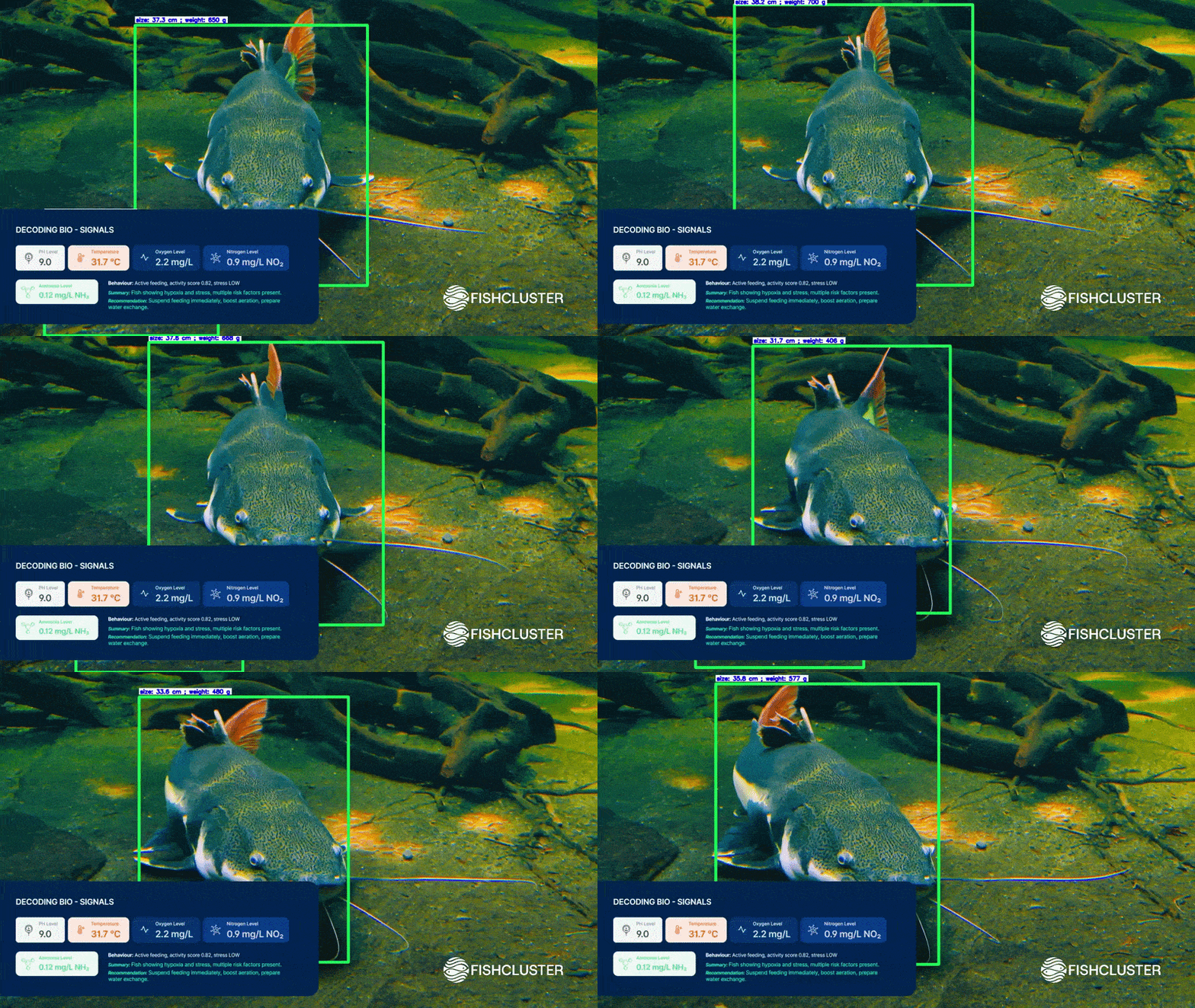
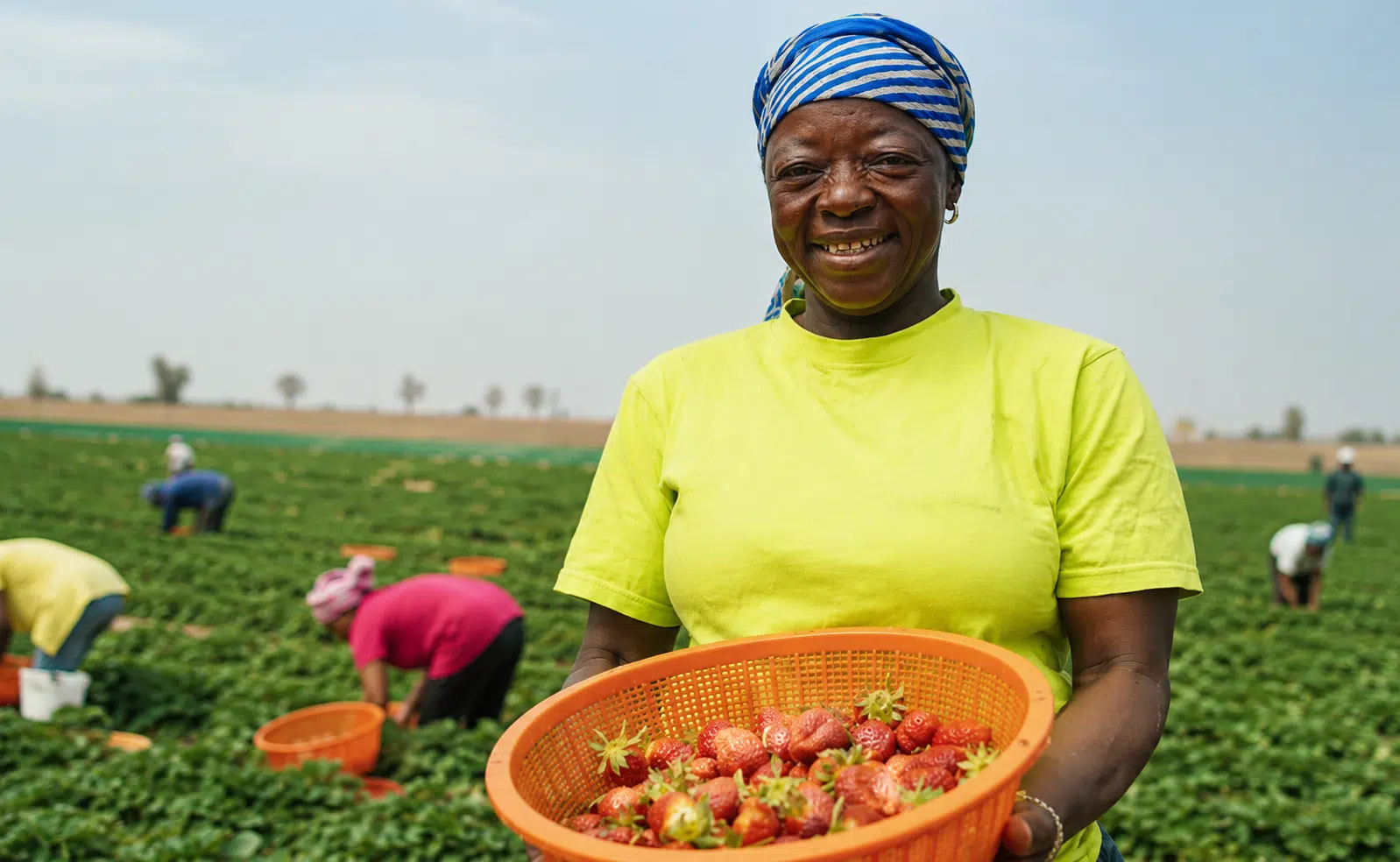
Fishcluster is putting AI and underwater robots inside Nigerian fish ponds. Feed is over 75% of what farms spend. Yet, nobody can see whether the fish are eating or wasting it. Today the startup exits stealth mode, with 4 of the country’s biggest farms and $1m in commitments.
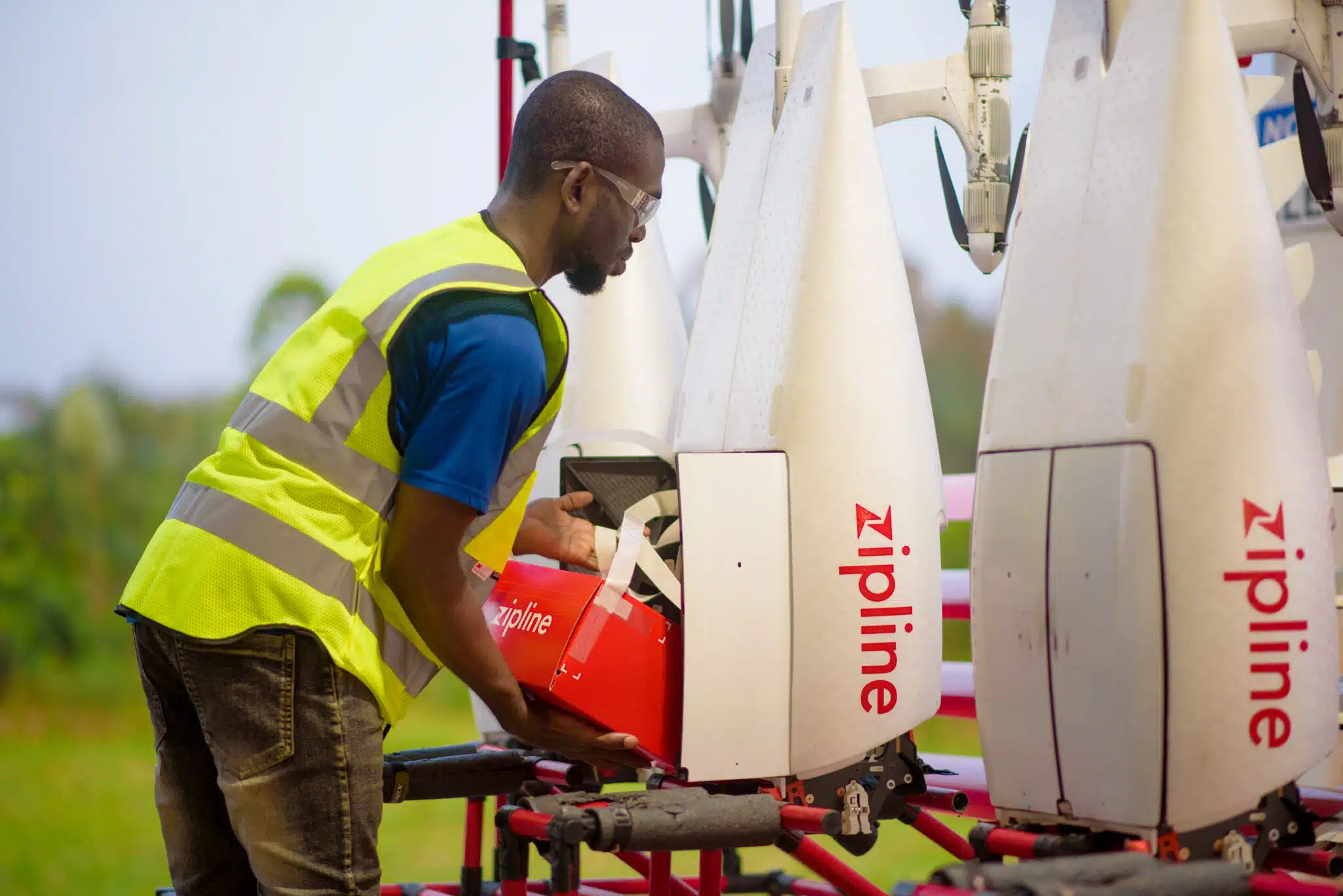
Zipline is preparing an expansion backed by a US government grant across Nigeria, evolving from state-by-state partnerships to engaging healthcare stakeholders at the local, state, and national level.

Within a year of deploying SchoolTry for higher education, the startup generated more revenue than it made in three years deploying SchoolTry for K-12.

ForgeLayer is replacing upfront subscription fees with a pay-as-you-go pricing model after customers expressed concerns about committing to fixed monthly costs before seeing results.
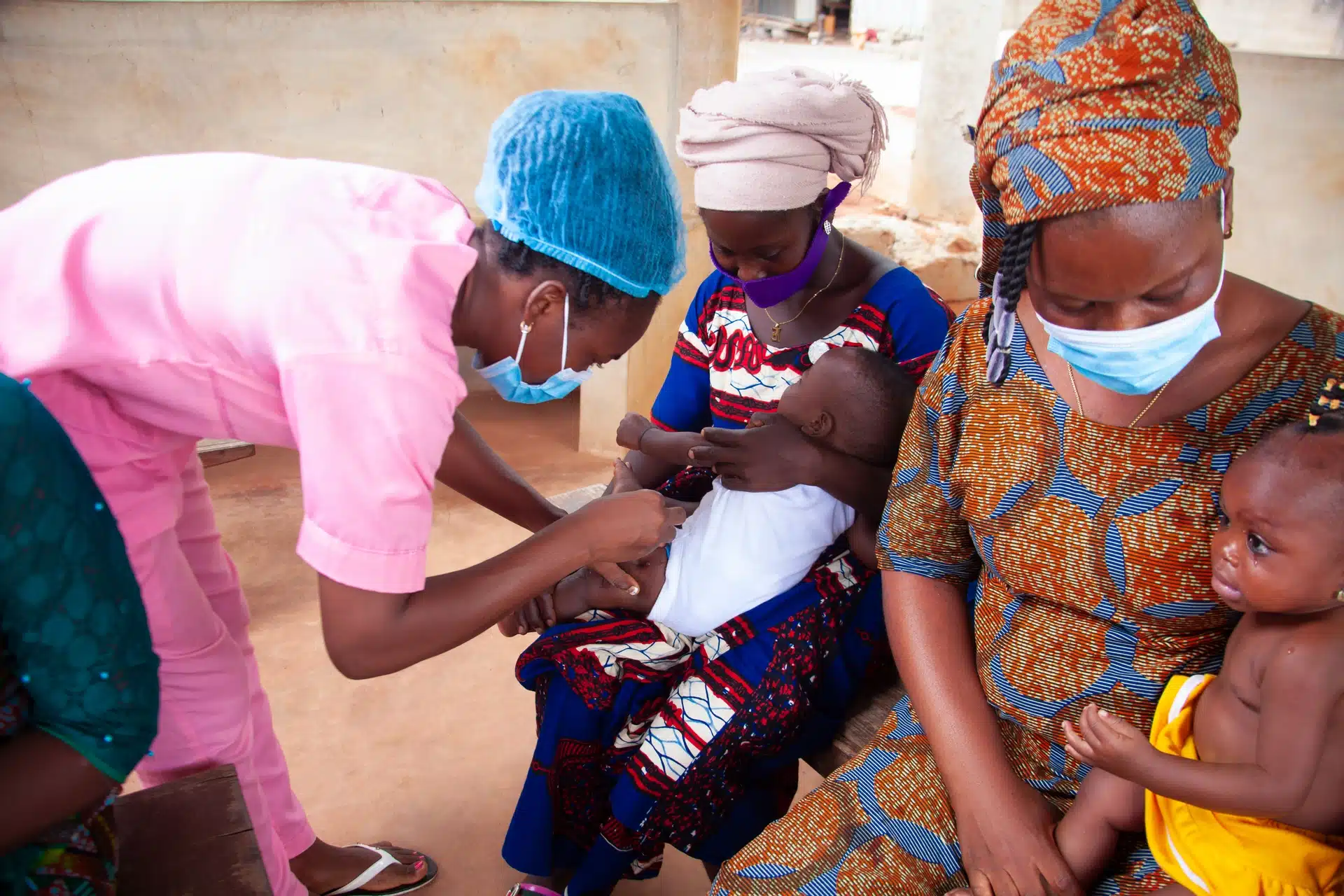
Andrea Aid, a Port Harcourt-based startup is building a medical crowdfunding platform that helps patients raise money for treatment by connecting them with donors.

At a time when startups are judged by how much capital they raise and artificial intelligence is increasingly associated with replacing people, Lilia Stoyanov has spent more than a decade betting on a different future.
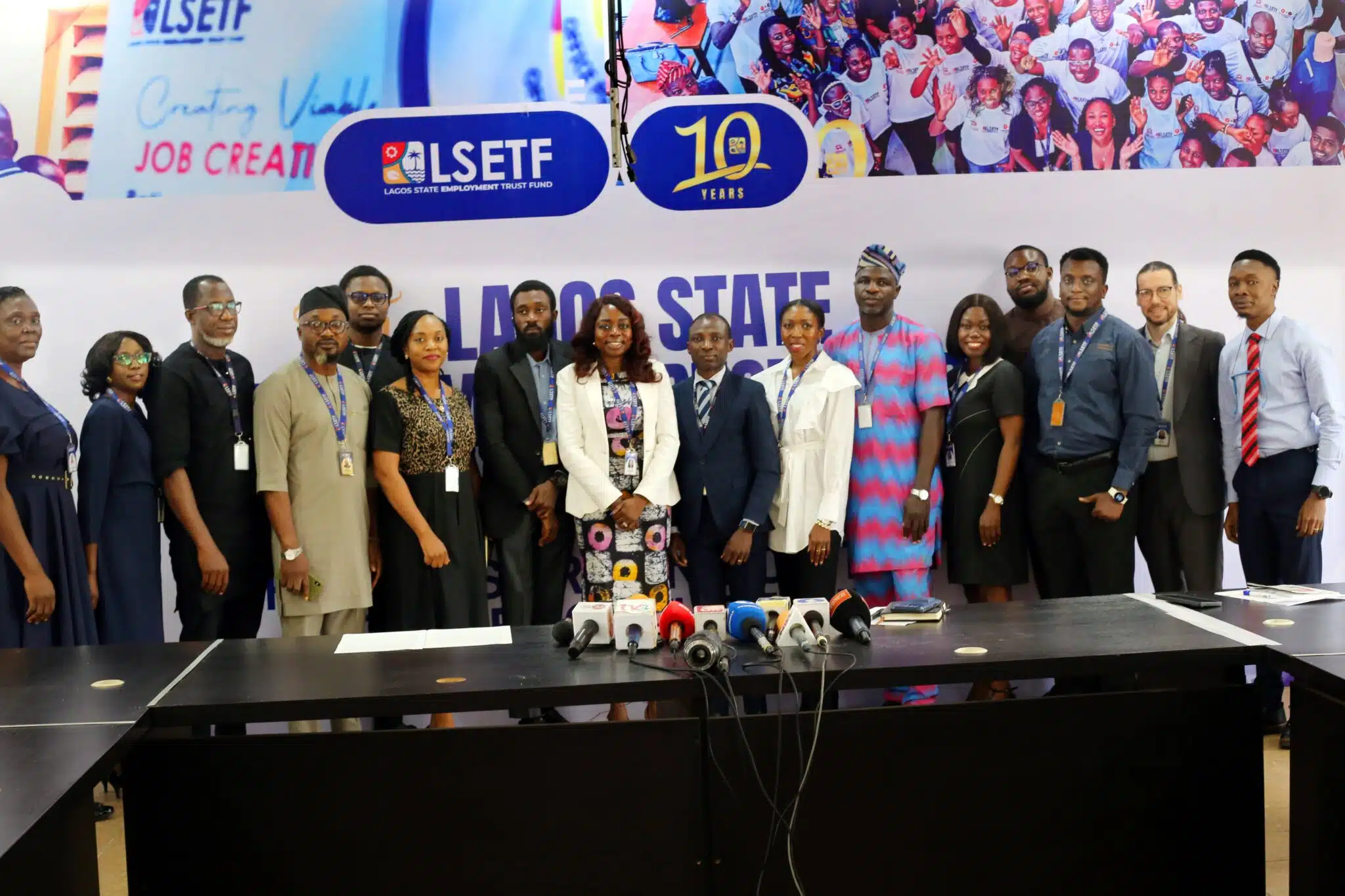
In 10 years, LSETF says it has disbursed over 15 billion naira in loans to more than 20,000 micro, small, and medium enterprises, and supported over 82,000 small businesses through capacity-building programmes.
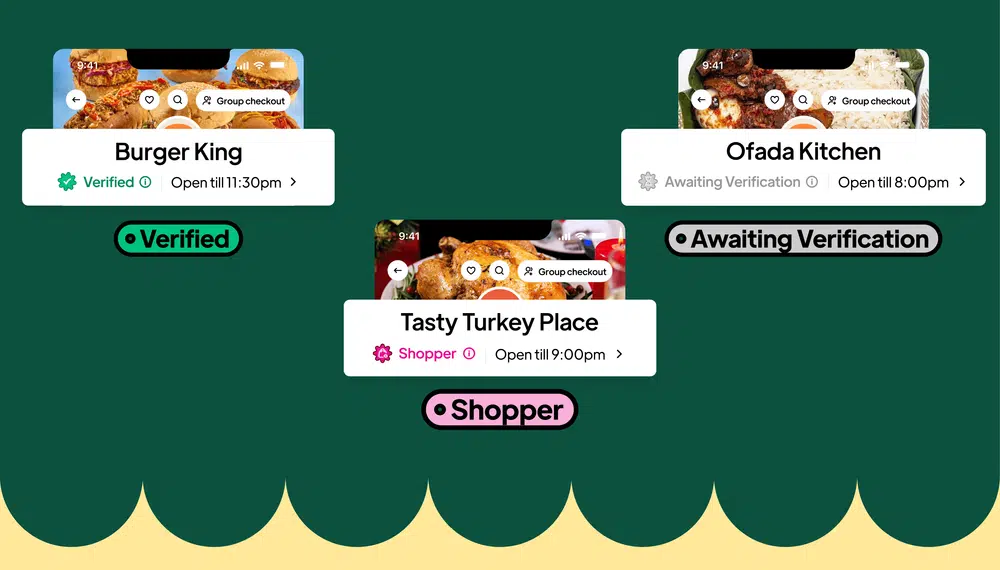
Chowdeck has introduced vendor verification badges weeks after a Techpoint Africa investigation showed that a fake restaurant could be listed and fulfil orders on its platform.

CashAfrica is betting on contactless payments as Nigeria’s next major shift, building infrastructure and partnerships to power tap-to-pay adoption.