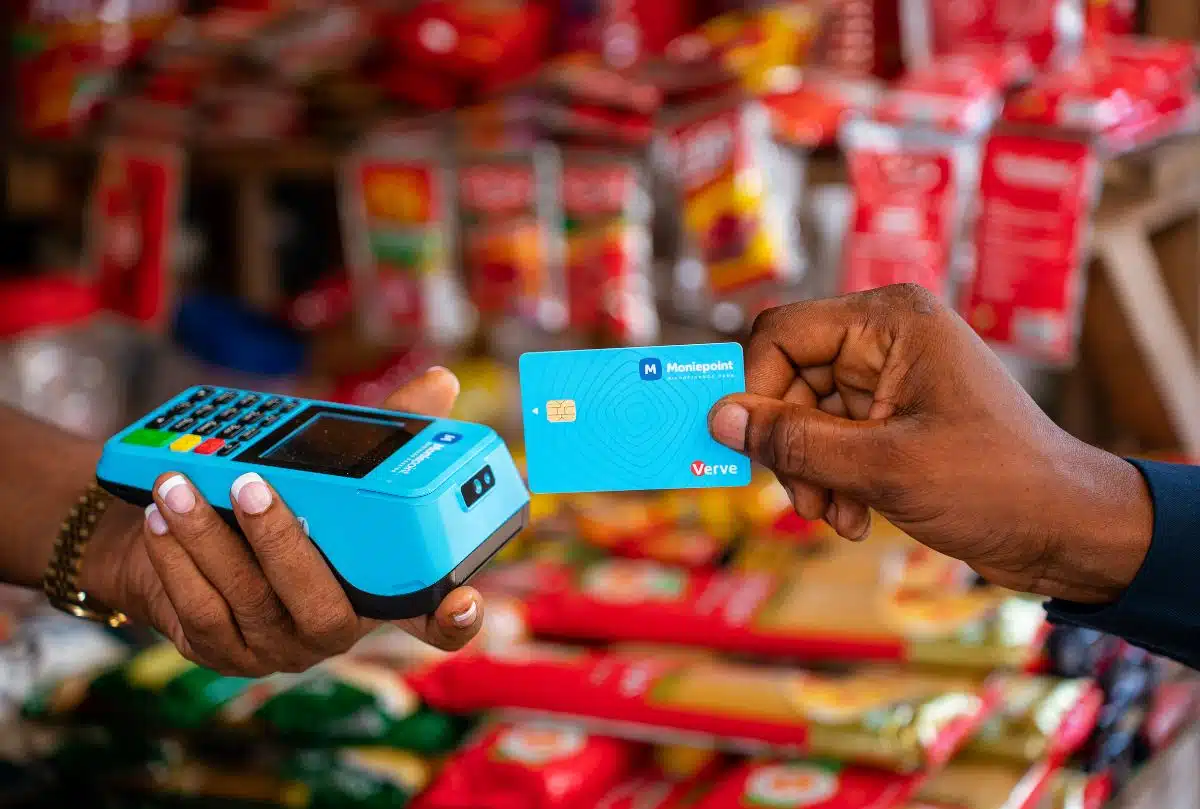




Sawubona,
Victoria from Techpoint here,
Here’s what I’ve got for you today:
- Uber, Bolt must record parcel contents
- Ventures Platform closes $84M Fund
- South Africa’s telcos lose R 198.9M to fraud
Uber, Bolt must record parcel contents
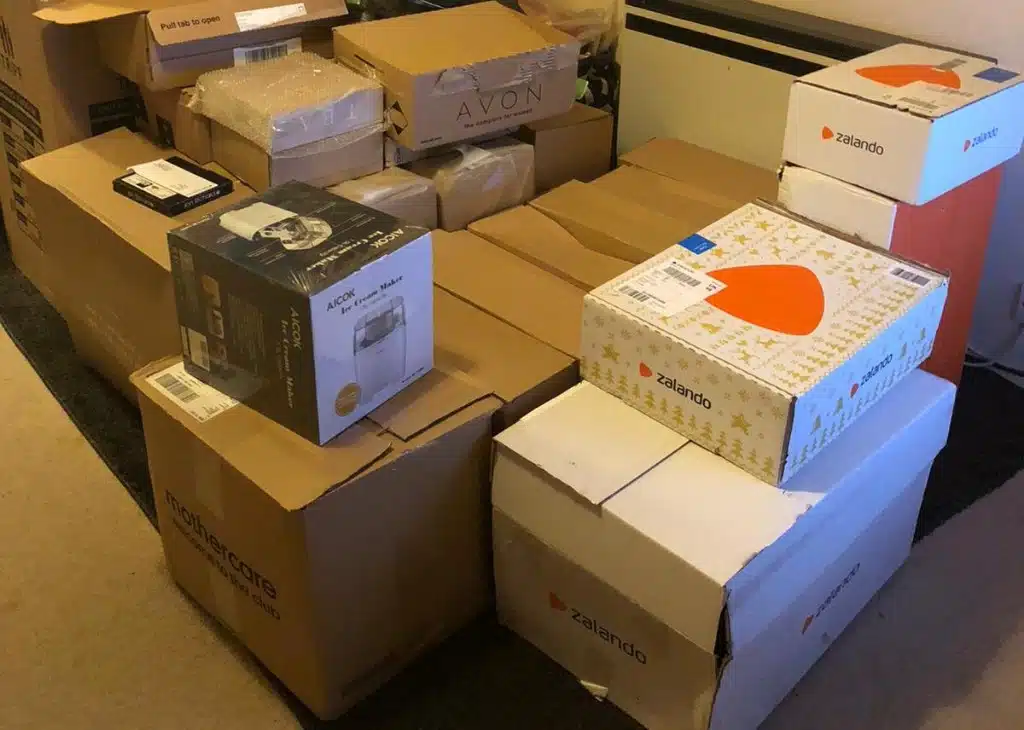
From September 20, 2026, sending a parcel through Uber, Bolt, Glovo, or Little in Kenya will come with a new question: what exactly is in the package? The Communications Authority of Kenya (CA) is introducing new licensing conditions requiring these app-based courier platforms to record and verify the sender, recipient, and declared contents of parcels. The platforms must keep those records and provide them to the CA or other government agencies when requested.
The immediate reason is security. Kenya wants to make it harder for people to use delivery apps to move prohibited goods, including drugs and firearms. But this does not mean riders will routinely open every package. They are expected to verify contents without opening them, with parcels opened only if there is suspicion of prohibited goods or if a Kenya Revenue Authority official orders it. Riders can also refuse suspicious or unsafe packages and report them to police.
For customers, though, this means parcel delivery is becoming a lot more traceable. You’ll have to declare what’s inside, and the platform will have a record connecting that information to you and the recipient. There are some consumer benefits too: the new rules require real-time tracking, rider identity verification, and compensation for lost, delayed or damaged parcels, provided the relevant conditions are met and a complaint is made within 90 days.
The rules are also part of Kenya’s attempt to catch up with how quickly delivery has moved from traditional courier companies to apps. In July 2026, the CA created a new 10-year Courier Hailing Service Provider licence specifically for digital platforms that connect customers to courier services. Until then, companies such as Uber, Bolt, and Little had been operating their delivery businesses under the National Courier Operator framework, while Glovo had already built a significant delivery operation.
As more Kenyans shop and sell online, delivery apps are becoming a bridge between buyers and sellers and, consequently, a useful source of information for regulators and law enforcement. The new rules give the state another way to trace physical goods moving through the digital economy, while also raising questions about how long these records will be kept, who can access them and how that access fits with Kenya’s data-protection rules. For platforms, it means more compliance costs; for users, it means that sending a package through an app is about to become a much more documented transaction.
Ventures Platform closes $84M Fund

Ventures Platform has closed its second institutional fund at $84 million, nearly double the $46 million it raised for its first fund in 2022. The final close, announced August 26, 2026, gives the Nigerian-founded VC firm a much bigger pool of capital to back African startups at a time when fundraising has become considerably tougher for both founders and investors.
The size of the fund matters, but so does what Ventures Platform plans to do with it. Fund II is designed to invest from pre-seed and seed through Series A, meaning the firm can stay with promising startups for longer instead of handing them off once they begin scaling. It is also looking beyond its traditional Nigerian base, with plans to deepen its presence in Francophone Africa and expand into North Africa.
This is particularly interesting because African startup funding has been through a much more difficult cycle since the funding boom of 2021–2022. Investors have become more demanding about revenue, capital efficiency and paths to profitability. Ventures Platform itself described the new fund as targeting “critical infrastructure” across sectors including fintech, healthtech, agritech, edtech and AI. It also plans to lead or catalyse larger Series A rounds, rather than focusing exclusively on very early bets.
The journey to the $84 million close started in November 2025, when Ventures Platform announced a $64 million first close and initially targeted $75 million. That round had an interesting Nigerian angle: the government’s iDICE programme became an investor, alongside institutions including IFC, British International Investment, Proparco, Standard Bank, AfricaGrow, and Egypt’s MSMEDA. About 70% of the LP commitments came from investors who had backed its first institutional fund, suggesting the firm had managed to convince existing backers that its first fund had performed well enough to warrant another cheque.
And there is a bigger story here than another VC fund announcement. Ventures Platform started in 2016 and has backed more than 90 startups, including names such as Paystack, Moniepoint, LemFi and Raenest. Its first institutional fund, which closed at $46 million in December 2022, was already above its original target. Now, with Fund II almost twice as large, the firm has more ammunition to find the next generation of African companies but also more pressure to prove that African venture capital can deliver meaningful returns in a market where big exits remain scarce.
South Africa’s telcos lose R 198.9M to fraud

South Africa’s biggest telecom operators are taking a nearly R200 million hit from fraud syndicates, and the worrying part is how easily some of the criminals are getting through. MTN, Vodacom, Cell C, Telkom, and Liquid reportedly lost R198.9 million to subscription fraud in the 12 months to April 2026, according to the Communications Risk and Information Centre (COMRiC). The number of cases jumped 307% year-on-year to 14,897, with March 2026 alone recording 2,475 incidents.
The scam is less sophisticated than you might expect, which is partly what makes it work. Syndicates approach telecom operators to sign up for expensive services using genuine-looking financial information, including real bank statements and legitimate identity documents. According to COMRiC CEO Thokozani Mvelase, criminals have even been buying bank account information from account holders and paying them to use their details. They then receive the telecom services and simply don’t pay.
What’s particularly striking is that while the number of cases surged, the average loss per incident actually fell by 75% to about R13,400. The volume, however, more than made up for it, leaving operators with that R198.9 million bill. And this isn’t just a headache for the companies: telecom fraud ultimately creates costs around customer verification, credit checks and fraud prevention, while losses can put pressure on the economics of providing services. The operators are now sharing information and building a cross-industry database to identify syndicates and repeat offenders faster.
Subscription fraud is also just one piece of a much bigger security problem facing South Africa’s telecom industry. COMRiC says the country’s major operators are under constant cyberattack, including ransomware attempts. Interpol’s 2026 African Cyberthreat Assessment Report found that South Africa accounted for 92% of ransomware detections on the continent, partly because its relatively advanced digital economy makes it an attractive target. In March 2026, Palo Alto Networks also reported that an organisation in South Africa was being breached roughly every three hours.
And the threat isn’t limited to companies. SIM-swap fraud added another 383 cases during the same reporting period, costing the operators about R4.26 million, while WhatsApp messages, calls, SMSes and increasingly convincing impersonation scams are becoming common entry points. The bigger lesson from the operators’ experience is that better technology alone won’t solve the problem. As Mvelase puts it, human trust has itself become an attack surface, meaning telecoms have to defend not just their networks, but the people and processes around them.
case you missed them
- Intron expands its voice AI with support for multilingual African conversations
- Cross-border payments in Africa take seven days. Bani is betting on direct bank integrations to fix this
- MTN Nigeria’s enterprise customers are shrinking just as it bets its next decade on them
What I’m watching
- The Economy of Tomorrow | The Future of Work | 4K
- Obesity, diabetes and heart disease rates skyrocketing… is sugar to blame? (Full Documentary)
Opportunities
- Flutterwave is hiring for several roles. Apply here.
- Moniepoint is hiring for over 100 roles. Apply here.
- Follow Techpoint Africa’s WhatsApp channel to stay on top of the latest trends and news in the African tech space here.
Have a superb Thursday!
Victoria Fakiya for Techpoint Africa