



Salve,
Victoria from Techpoint here,
- Uganda makes NIN the new tax ID
- Nomba raises $3M for cross-border payments
- Kenya telcos face 6-month wait on dormant SIMs
Uganda makes NIN the new tax ID
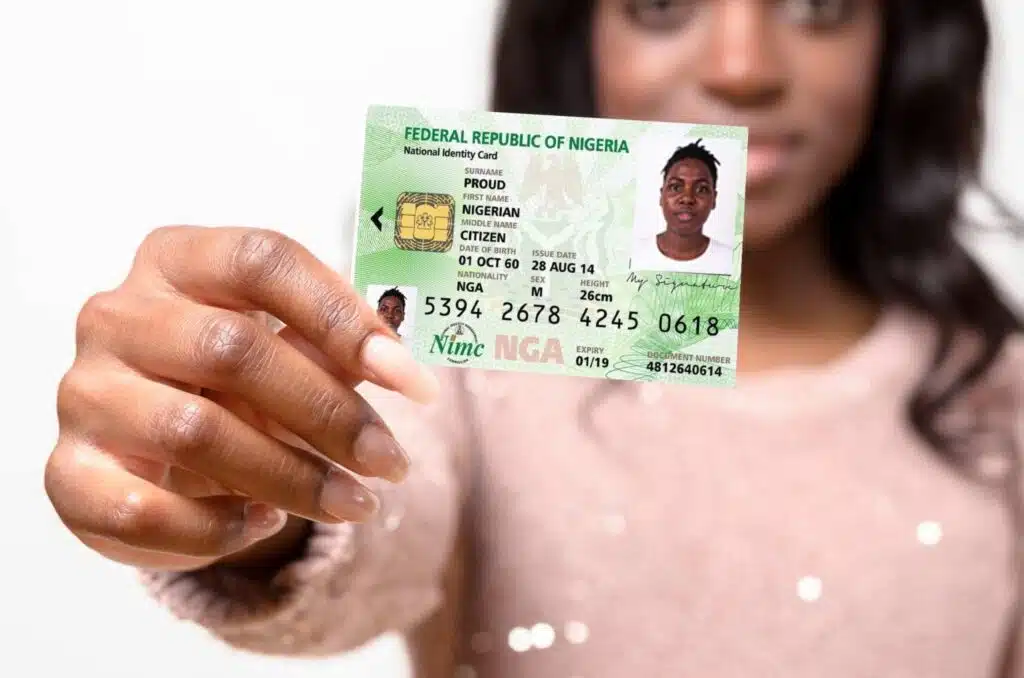
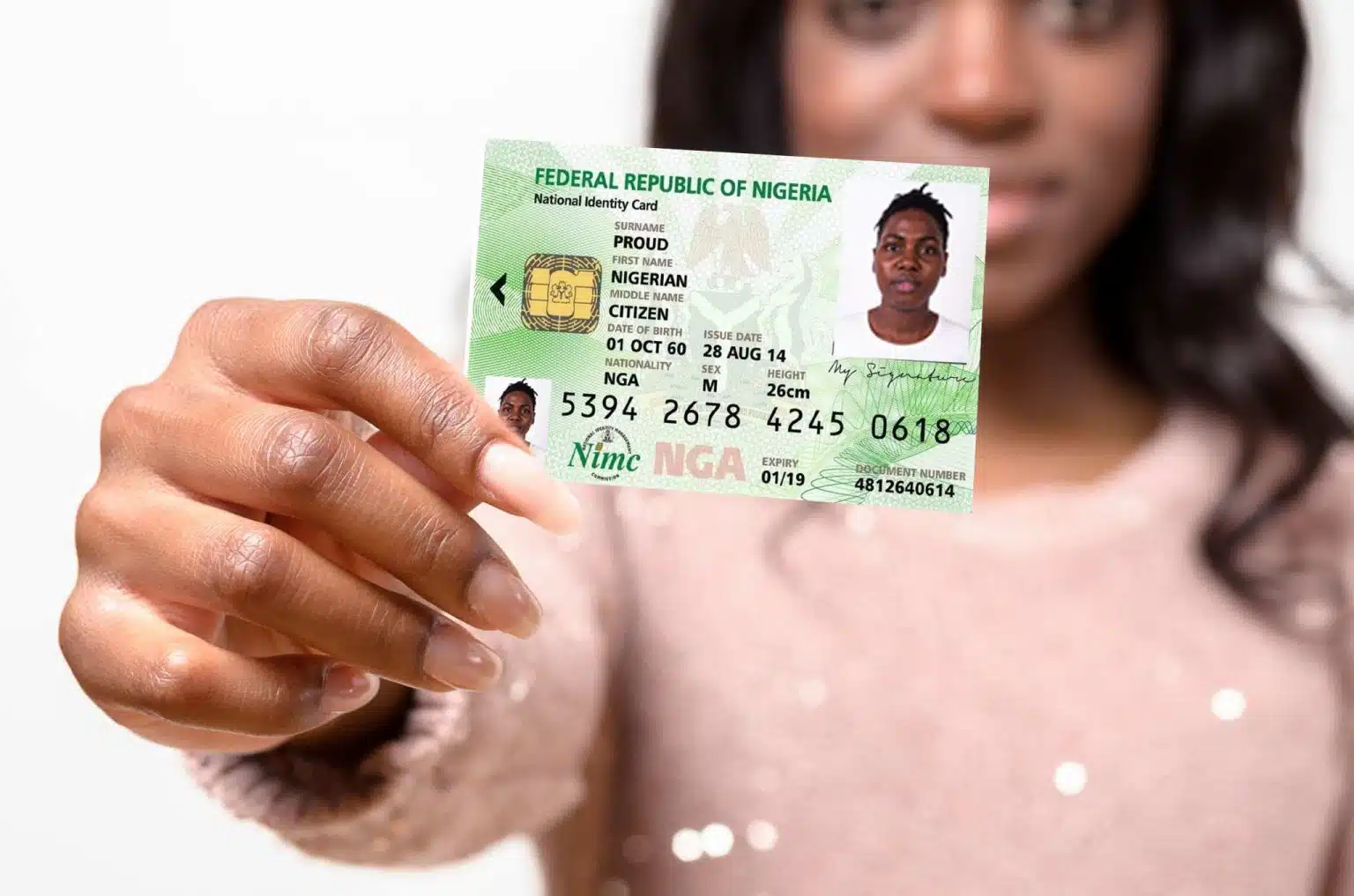
Uganda is getting rid of the separate Tax Identification Number (TIN) for individuals and will instead use the National Identification Number (NIN) as the country’s standard tax identifier. Cabinet approved the change on September 1, 2026, saying the move should modernise tax administration, clean up outdated records and make it easier for the government to identify taxpayers.
Instead of having one number for national identity and another for taxes, an individual’s NIN will do both jobs. The government expects this to make tax registration simpler and give the Uganda Revenue Authority (URA) a more consistent record of taxpayers. It also wants better data-sharing between government systems, which could help it identify people who should be paying taxes, improve compliance and reduce revenue leakage.
There is a clear reason Uganda wants to widen that net. While the number of registered taxpayers has grown from 2.62 million in 2021/22 to 5.25 million, new TIN registrations have been slowing sharply. Individual TIN registrations fell from 513,898 in 2021/22 to 262,918 in 2024/25, while non-individual registrations dropped from 21,522 to 18,023 over the same period. For a government trying to raise more domestic revenue, making the tax register more closely tied to the national ID system could make it harder for people to remain outside the system.
But this isn’t entirely new. Uganda’s Tax Procedures Code Act had already provided for replacing TINs with NINs for individuals and Business Registration Numbers (BRNs) for non-individuals from July 1, 2025. In May 2026, URA began telling taxpayers to update their records with their NIN or BRN, along with other details such as phone numbers and addresses. The latest Cabinet decision therefore moves the country further towards actually retiring the old standalone TIN system rather than introducing the idea from scratch.
The bigger picture is that Uganda is trying to build a more connected digital government system around a single identity. In May, URA said it was working towards integrating TINs, NINs and BRNs to reduce fraud and make it easier for citizens and businesses to deal with different government agencies. The tax-ID change comes alongside other efforts to improve collection, including the phased rollout of electronic invoicing announced in August 2026. In the first three quarters of the 2025/26 financial year, Uganda collected about $6.85 billion in revenue, with $1.07 billion coming from PAYE, so the government has plenty of incentive to find more taxpayers and improve compliance.
Nomba raises $3M for cross-border payments

Moving money across Africa sounds simple until you actually have to do it. Different currencies, different banking systems, and plenty of friction can turn a straightforward payment into a headache. Nigerian fintech Nomba is trying to fix some of that, and it has now secured a $3 million debt facility from CardinalStone Finance to expand its cross-border payments infrastructure from the Democratic Republic of Congo (DRC). The facility will give Nomba more US dollar liquidity through its banking relationships in Hong Kong and Singapore, helping it process and settle more international transactions.
The bigger play is the DRC. Nomba wants to turn the country into a settlement hub for trade between Africa and Asia, particularly as businesses in Central Africa trade heavily with Asian markets. More dollar liquidity means Nomba can support more transactions across currencies without constantly running into funding constraints. The company currently says it processes more than $480 million in cross-border payments every month across its DRC and Canadian operations, and it wants to push monthly volumes beyond $1 billion.
This is also why the $3 million shouldn’t be confused with a typical startup funding round. It is debt, essentially working capital that Nomba can use to move money around its payment network. The company is separately preparing to raise between $20 million and $50 million in the coming months. Nomba says it is already profitable across the group, including its Nigeria and DRC operations, so the immediate focus is less about keeping the lights on and more about giving its growing cross-border business enough liquidity to handle bigger volumes.
Nomba’s DRC bet didn’t happen overnight. The company spent about a year building an agent network in Kinshasa before going live in November 2025. Around the same time, it secured regulatory approval to provide international money transfer services in the country. Earlier this year, it also made a similar infrastructure play in Canada, acquiring a licensed Canadian payments company and committing up to $2 million to build rails connecting African businesses to Canadian dollar accounts and payments. Its Canadian infrastructure processed more than $3 million in transactions in January 2026 alone.
And this is a long way from where Nomba started. Founded in 2016 as Kudi, the company initially focused on helping businesses and agents handle everyday payments before rebranding as Nomba in 2022 and expanding into broader business banking and payments infrastructure. It raised a $30 million pre-Series B in May 2023, and has since been moving beyond Nigeria into the plumbing behind international trade. With the DRC now serving as its Africa–Asia bridge, Canada opening the Africa–North America corridor, and Zambia and Uganda reportedly next on its expansion list, Nomba is increasingly positioning itself not just as a fintech for Nigerian businesses, but as infrastructure for African companies trading w2023 andith the rest of the world.
Kenya telcos face 6-month wait on dormant SIMs
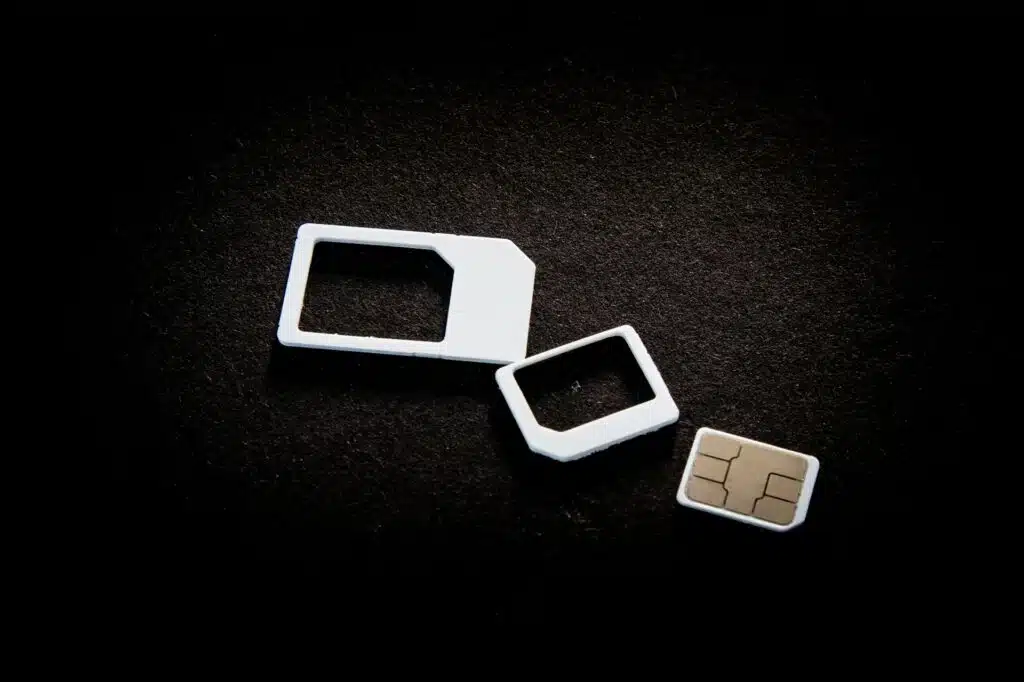
Kenya is moving to give people more time before their unused phone numbers are taken away and reassigned. The Communications Authority of Kenya (CA) has proposed rules that would stop operators such as Safaricom and Airtel from recycling dormant numbers until at least six months have passed. The proposal, published on September 1, 2026, is now open for public comments until September 11.
Here’s how it would work: if a number records no revenue-generating activity, meaning no calls, SMS, data use, airtime top-up, or value-added service, for three months, the telco can flag it for deactivation. But it then has to contact the owner using the details provided during SIM registration and give them another three months to reactivate the line. A month before that window ends, the operator must publish the numbers due for deactivation on its website, in a nationwide newspaper and through other media.
That matters because a phone number today is much more than a way to make calls. It can be tied to mobile money, banking, WhatsApp, email, social media and two-factor authentication. If an old number is quietly reassigned, its new owner could potentially receive messages or reset codes intended for the previous user. The CA’s proposed safeguards therefore also require operators to delink and archive the previous owner’s personal data before recycling a number, while newly recycled numbers would not automatically receive marketing messages.
The change follows a legal battle over the risks of recycling numbers. In March 2026, Kenya’s High Court barred telcos from automatically recycling dormant numbers without the original subscriber’s consent, after an inmate challenged the loss and reassignment of a number during a period when he could not use it. The court treated the mobile number as part of a person’s digital identity, forcing regulators to work out a more formal process for handling inactive lines.
The debate also raises a practical problem. Kenya has a finite supply of phone numbers, while dormant lines still consume network resources such as routing and signalling capacity. Operators have therefore traditionally recycled inactive numbers after roughly 90 days to free up capacity. The new framework tries to balance that operational need with privacy and consumer protection: telcos can still reclaim unused numbers, but they would have to keep them out of circulation for longer, document their attempts to reach customers and give people a clearer chance to save their numbers.
In case you missed them
- Uber leaves Nigeria and Uganda on the same day it cuts 3,300 jobs to fund a driverless future
- Timon wants Africans to stop leaving their financial lives behind when they travel
- After relying on OpenAI and Anthropic, Decide is building some AI of its own
What I’m watching
- Will AI lead to the death of the internet? | DW Documentary
- Nigeria is Now So Much Worse Than You Think
Opportunities
- Flutterwave is hiring for several roles. Apply here.
- Moniepoint is hiring for over 100 roles. Apply here.
- Follow Techpoint Africa’s WhatsApp channel to stay on top of the latest trends and news in the African tech space here.
Have a fun weekend!
Victoria Fakiya for Techpoint Africa