



A new report estimates the food and drink market in Nigeria at approximately $54.1 billion in 2024, with projections to reach around $98.97 billion by 2033. The report says a combination of factors, including rising population, accelerating urbanisation, increasing disposable incomes, changing dietary preferences, and the expansion of modern retail and e-commerce channels, continues to fuel this growth.
While this figure looks encouraging on paper, the reality for many businesses in the food sector is totally different, as they have continued to shut down amid low patronage and revenue shortfalls.
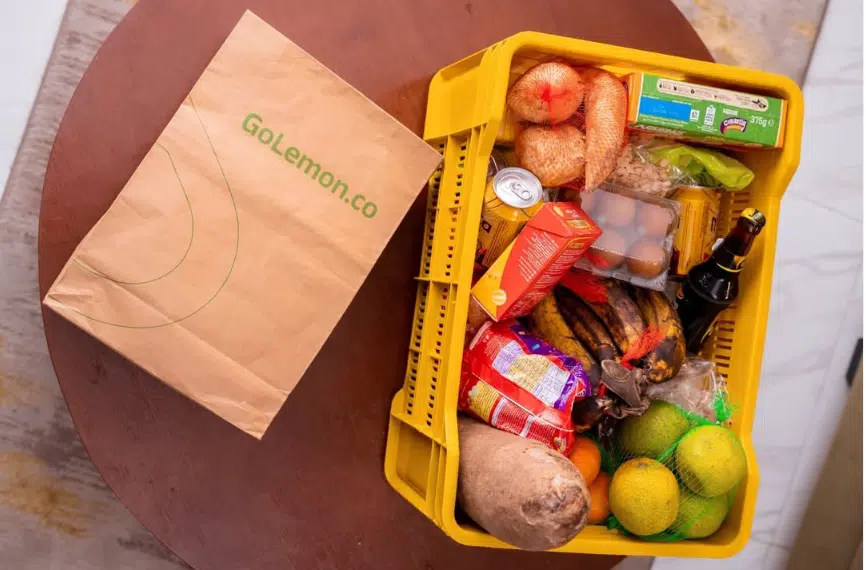
Lagos-based grocery delivery startup GoLemon, with a mission to make grocery shopping simpler and more reliable for Nigerians, announced it is shutting down operations after only two years in business.
“Over the past two years, you invited us into your homes, we completed tens of thousands of deliveries across Lagos, built software from the ground up, and had the privilege of working with truly exceptional people,” the company wrote in a Medium post announcing the shutdown.
The company blames the shutdown on what it terms its ‘inability to find additional funding’ and that despite its efforts, it couldn’t find a sustainable path forward within the time available.
When GoLemon launched, it wanted oversight of its quality controls, so it operated an inventory-owning model, which enabled it to deliver high-quality groceries at affordable prices. This endeared the startup to many loyal customers, but it also came at a cost: cold storage facilities, rental fees, logistics, and other expenses that thin out its margins.
In search of a working formula, GoLemon entered a partnership with food delivery startup Chowdeck last year. The idea behind the deal was brilliant: GoLemon’s products became available on Chowdeck, allowing numerous customers who favour faster delivery to add groceries to their Chowdeck cart and have them delivered the same day, or even within a few hours.
Chowdeck onboards a new vendor with a wide range of groceries, while GoLemon leverages the former’s large network and fast deliveries, but, as a Techpoint article argued, it was a mismatched partnership.
GoLemon’s wind-down is another reminder of how tough the food startup business can be. A few weeks ago, Y Combinator-backed Foodcourt paused operations after mounting financial pressure left it unable to pay employees for months or settle suppliers. Bolt Foods and Jumia Food have also tried their hand at operating in the online grocery business, but both eventually had to shut down operations.
While analysts have continued to flood social media with postmortems on what went wrong, this piece takes a different approach, examining why online grocery businesses in Nigeria have kept failing and what a new entrant can do differently to survive.
Inventory-owning versus asset-light model
Product manager, Precious Etokhana, who runs Sugarush Spot, a Lagos-based startup, says she leans toward an asset-light model because it connects buyers directly to sellers rather than owning inventory. She feels it’s more scalable, even though it comes with quality-control trade-offs.
An inventory-owning model allows a business (as in the case of GoLemon) to deliver genuinely high-quality products at affordable prices, but that same choice will make revenue thin out in Nigeria’s economy.
“If affordability against competitors is your core pitch, you can’t easily raise prices even when logistics costs, FX volatility, and the cost of goods themselves keep climbing,” Etokhana explains.
Every business needs a way to absorb that shock without breaking its value proposition, which is probably why companies like Chowdeck keeps adjusting delivery and service fees (as unsettling as it is), and why globally, companies in this space lean on adjacent revenue to survive. Amazon has AWS; Chowdeck has expanded into market-run errands (even though it started out delivering only meals).
For Aisha Zubairu, CEO of Oiza Salad Maestro, both models have pros and cons, but she’d opt for the latter.
“You have to include the cost of incurring possible losses in your selling price,” she says. “While you’re not losing money, your rates are not competitive; your added value must be consistently communicated via your branding and patiently too.”
Market size
According to some analysts, GoLemon had loyal customers and quality that most competitors couldn’t match, but Etokhana argues that loyalty doesn’t scale as a shrinking middle class and rising poverty in Nigeria mean fewer people can consistently buy fresh groceries online. That tension between ‘keep prices low to stay competitive’ and ‘raise prices to stay solvent’ is where many grocery businesses actually break.
Olagoke Balogun, CEO of SoFresh, agrees with Etokhana. He explains that the market size is the big elephant in the room, but many people don’t pay attention to it.
“Beyond operations, execution, and capital, we must confront the reality that our addressable market is still relatively small,” Balogun said in a LinkedIn post. “We simply don’t have enough consumers with the purchasing power to sustainably support multiple players in most categories that go beyond basic survival needs.”
The explanations make sense. Approximately 70% of food shopping in Nigeria doesn’t take place in supermarkets or modern retail outlets but in traditional open-air markets, where buyers can bargain on price and pay a decent amount that doesn’t include the additional costs that a grocery delivery firm would usually add to its margins.
Shelf-life of groceries
Perishability is one factor that must be considered because consumers want groceries that are fresh, edible, and in perfect condition, but this comes at an extra cost to the business.
Etokhana says perishability makes all of this harder. Nigeria still lacks reliable cold-chain infrastructure, so moving fresh goods from lower-cost production regions like Jos to Lagos means contending with bad roads, insecurity, and days-long transit that degrades quality before it ever reaches a customer.
Every supplier relationship adds its own variability in freshness and consistency; add refrigerated storage, generator-run power (Lagos’s grid alone won’t keep produce cold), and unsold inventory that has to be written off or discounted; shrinkage quietly eats margins that were already thin.
Zubairu views it as something businesses must factor in, adding that entreprenuers in online grocery have to be ready to lose a lot of money before they break even.
Property costs
Rental fees in major cities like Lagos have gone through the roof; as they bite individuals looking for a roof over their heads, the costs are even higher for businesses, which have to pay rent regardless of whether they make sales or not.
“Lagos property is expensive and difficult even for the average man,” Etokhana explains. “A business needing cold-storage-capable warehousing near demand centres, where every square foot of that space is a fixed cost stacked on top of an already tight margin, is on a mission-impossible voyage.”
She says this directly conflicts with the basket-cost problem, since the actual cost of sourcing, storing, and delivering a fresh grocery basket is often close to or above what price-sensitive Lagos customers are willing to pay.
The result is razor-thin or negative unit economics that venture funding can paper over for a while but not indefinitely, especially now that the funding environment for cash-burning, inventory-heavy startups has cooled globally.
Gap between what a basket costs to fulfil and what a customer will pay
For Etokhana, online grocery delivery firms compete against informal grocery suppliers (local market women along the roads), and the latter shoulder none of that overhead, which gives them what she terms the “convenience premium.”
However, she says none of this is unique to Nigeria: inventory-heavy instant grocery has struggled and consolidated even in wealthier markets, but then you add on top of Lagos-specific costs and a strained consumer, it becomes close to unsustainable, which is the sad part.
“This is exactly the kind of convenience that should be enjoyed, but it’s an economy under pressure that keeps taking it away,” Etokhana notes.
The World Bank says the cost of a basic food basket in Nigeria has increased fivefold since 2019, disproportionately affecting poor households that spend up to 70% of their income on food. This startling revelation would mean households would seek out cheaper alternatives to meet their grocery supply.
Running a business anywhere in the world is tough; running one in an environment like Nigeria makes it tougher. The startup that would survive would, in addition to having huge capital, find the right model, execute better, and pray that economic factors align in its favour.