

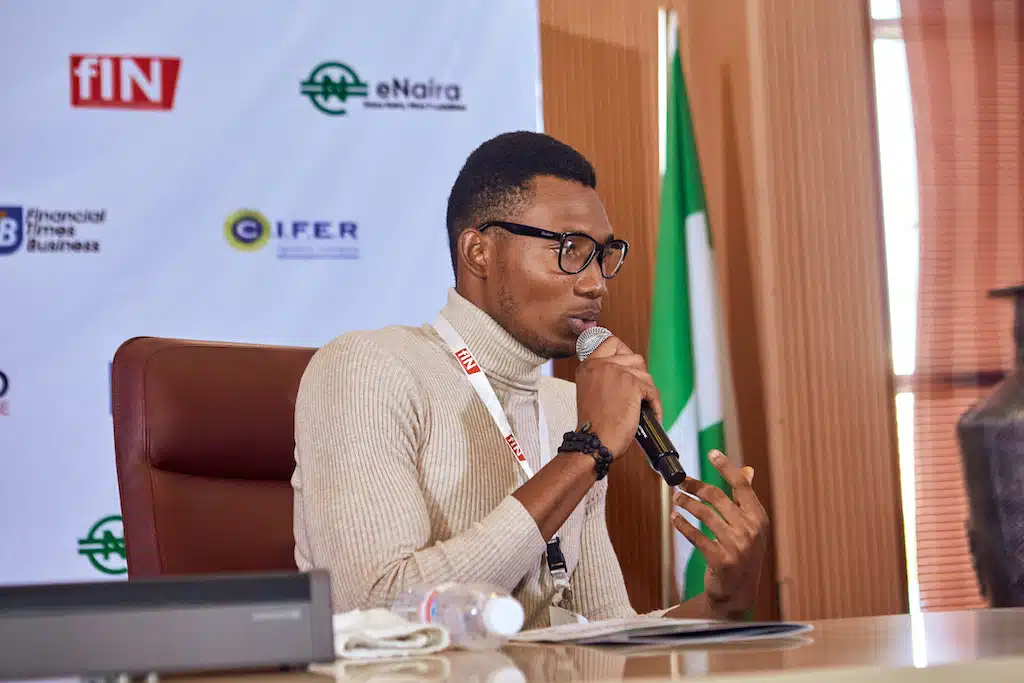

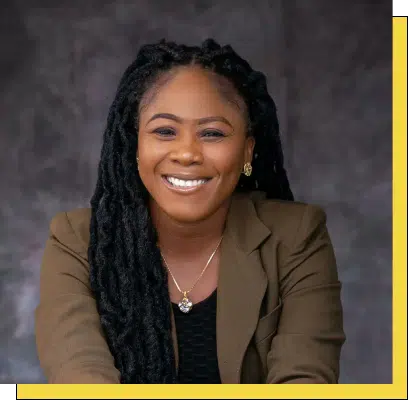
After two startups were forced to shut down due to regulations, Adebanji Oluwatoni could have walked away from entrepreneurship. Instead, he chose to build CloutEye, a social intelligence platform designed for Africa’s fast-growing creator economy.
In this edition of After Hours, Oluwatoni shares his journey from studying political science to building products across fintech, cryptocurrency, and the creative economy.
Early interactions with technology
My earliest interaction with technology was with games. I was fascinated by them from a very young age, but owning games didn’t come easily. My parents were middle-class, and like many parents, they had different priorities. My mum was a teacher, and for her, the focus was always on school, good grades, and following what she believed was the right path.
I understood that, but my curiosity never really went away. One day, one of my uncles bought me a PlayStation. It felt like I had finally gotten what I wanted, except there were no games on it. So, I started figuring things out for myself.
I searched for websites where I could download games, learned how to burn them onto blank CDs, found mobile games online, and slowly taught myself how to navigate different corners of the Internet. Looking back now, I realise it wasn’t just the curiosity; I was unknowingly teaching myself how technology worked.
When I got into Kwame Nkrumah University of Science and Technology (KNUST) in Ghana to study political science, technology wasn’t yet part of my career plan. But the university exposed me to people who were building products.
Some were only creating simple websites, but seeing someone take an idea from their head and turn it into something real changed the way I thought. It made me realise that technology wasn’t just something people consumed, it was something people could create.
Building, starting over, and learning hard lessons
After graduating, I returned to Nigeria, and everywhere I looked, people talked about problems: the economy, unemployment, and access to opportunities. Everyone could identify what was wrong. What I didn’t see enough of were people trying to build solutions. Maybe it was because of how I’d grown up.
Around that period, I was also trying to find my feet financially, like many fresh graduates. That was when I had my first experience with loan apps like OPay and OKash. The convenience was obvious, but so were the interest rates.
At the same time, I knew people who had some money to invest but didn’t know where to put it. Many were afraid of losing their savings to scams because they simply didn’t know which investment opportunities they could trust.
I met my co-founder at KNUST, and I had already been working with her for years; we looked like two sides of the same problem and asked ourselves a simple question: what if we could connect these two groups? That answer became Growly, a fintech startup.
We didn’t have investors waiting for us, nor did we have a roadmap. Most of what we had was Google. I still remember sitting outside with my co-founder one evening, literally searching, “How do you find investors?” on Google. We had no idea where to begin, but we decided to begin anyway.
So, we started by designing the user experience. Over the following months, after countless iterations and personal lessons, we met another co-founder who became our CTO. Together, we built the product and launched it.
Within the first week, nearly a thousand people had signed up. A little over two months later, Growly had grown to around 17,000 daily active users. We were generating revenue, speaking directly with customers, and learning that people don’t care about the features you think are exciting. They care about solutions to their problems.
It also taught us how to stretch every naira. At that time, we had raised only about $4,000 to $5,000. Every decision mattered. We handled marketing and operations ourselves and built skills across different parts of the business because we couldn’t afford to outsource them.
Just as things were beginning to come together, Nigeria introduced new regulations requiring digital lenders to obtain a banking licence or meet a minimum share capital requirement far beyond what a startup like ours could afford.
For a company that had been built on just a few thousand dollars in funding, it wasn’t even a realistic target. We explored partnerships and considered alternatives, but eventually we had to make the hardest decision any founder can make: we shut down Growly.
It was devastating, though. This wasn’t just another project. We’d invested years into it. We’d poured our time, energy, and resources into building something people genuinely found useful, only to watch circumstances beyond our control bring it to an end.
But after everything we’d experienced, it was clear that we loved building. And if one company couldn’t continue, we’d simply have to find another problem worth solving.
At the time, cryptocurrency was gaining momentum across Africa. People were buying and selling digital assets, but I noticed that most products only focused on trading or swapping crypto. Very few gave Africans access to decentralised finance (DeFi) products like lending and staking, and that became our next opportunity.
We built Hivestak, a platform that connected African users to global DeFi protocols through smart contracts and backend infrastructure. The goal wasn’t simply to help people trade crypto, but to give them access to financial tools that weren’t easily available due to geographical restrictions.
Although the market was completely different from fintech lending, everything we had learned from Growly followed us. We already knew how to build secure systems, we understood payments, and we had become intentional about speaking with users before building features. We had also learned how to operate with limited resources, so we built almost everything ourselves.
The process was smoother than our first startup. Again, users responded positively, and we felt that we were solving a meaningful problem.
But, yet again, regulation caught up with us. As Nigeria’s position on cryptocurrency evolved, new licensing requirements were introduced for businesses operating in the space. Once more, we found ourselves facing regulatory barriers beyond the reach of a bootstrapped startup.
For the second time, we had to shut down a company. The first time it happened, I wondered whether we had failed. The second time, the thoughts became even louder. You naturally start having doubts, like maybe you’re the problem, or that every company you build is destined to end this way, or maybe you’re just fooling yourself.
But what those experiences also forced me to do was work on things most people don’t think about until they’re tested: self-confidence, consistency, and self-worth. I learned to keep moving even when reality doesn’t immediately reward your efforts.
Looking back, I don’t think those companies were failures. They became training grounds. Every startup taught us something new about technology, customers, resilience, and ourselves.
Building for the third time
After Hivestak, neither of us wanted to rush into another startup. We needed time to recover. Instead, we focused on building products for other founders and companies. We took on contracts, worked with businesses in our network, and even helped oversee technology infrastructure for a company in the UK.
Stepping away from building our own products gave us perspective. It also gave us time to observe another shift happening around us.
Content creation was becoming one of the continent’s biggest industries. Businesses were investing more in social media. Creators were turning their content into careers. Brands were spending heavily on digital marketing. Everyone was posting. Yet very few people actually knew what would work.
Then we built CloutEye. Instead of relying on guesswork, the platform analyses social media data to help users understand what is gaining traction before it becomes a trend. It shows what competitors are doing, which hashtags and keywords drive engagement, which posting patterns work, and even details like caption lengths that perform best within a particular niche.
Much of that information would normally require expensive experiments or countless hours of manual research, but we’re making it accessible.
What excites me most isn’t just the technology, it’s the timing. Africa’s creator economy is growing rapidly, yet very few tools are being built specifically for African creators and businesses. Companies in the West have built billion-dollar businesses around social intelligence, but very little of that infrastructure exists for African markets.
That’s the gap we’re trying to close. Right now, we’re still in closed access because we’re bootstrapping and refining the product with brands and creators who are actively using it. We’re also raising a $70,000 pre-seed round to help us continue building.
But beyond fundraising, what matters most to me is building something people genuinely find valuable. After everything we’ve experienced, I’ve stopped chasing ideas simply because they sound exciting.
How technology shapes my everyday life
People sometimes assume that because I work in technology, I’m constantly online. The reality is almost the opposite. Over the years, I’ve learned that building technology and being consumed by it are two different things. There were periods when I pushed myself too hard, constantly connected, constantly working, constantly trying to keep up. Eventually, I realised that wasn’t sustainable. Now, I’m much more intentional about creating boundaries.
One habit I’ve developed is avoiding my phone first thing in the morning. I try to give myself a little time before diving into notifications, emails, or social media. It helps me mentally prepare for the day instead of immediately reacting to whatever the Internet wants my attention on.
That doesn’t mean technology disappears from my day. My phone is still the device I rely on the most. It’s how I communicate, keep track of conversations, manage work, and stay informed about what’s happening in the tech ecosystem.
I’m also constantly learning. Google News helps me keep up with developments across the industry. I subscribe to newsletters that deliver updates directly to my inbox. I also use automated tools to gather information from different sources, depending on what I’m researching.
And if there’s one platform that has shaped my journey more than any other, it’s YouTube. Even today, I still use it to learn new technologies, stay current with industry trends, and occasionally watch gaming videos for fun.
If I could dedicate my time to solving one problem beyond what I’m building today, it would probably be creating technologies that make social platforms healthier.
Building CloutEye has also made me think more deeply about the role technology plays in society. Ironically, even though I’m building tools for social media, I believe social platforms are among the technologies we need to approach most carefully. Not necessarily by limiting what people can do, but by designing systems with more responsibility.
When I think about Africa’s technology future, I don’t immediately think about unicorns or billion-dollar valuations. I think about value. Recently, it feels like conversations have become more focused on company valuations than on the problems companies are solving.
There’s nothing wrong with building valuable businesses. Every founder wants to create something successful. But I believe value should come first. If you’re solving a real problem, the valuation will eventually reflect that.
One of the biggest shifts I’ve experienced personally is realising that the things I once thought were only possible for founders elsewhere in the world aren’t actually limited by geography.
If more African founders begin to believe that they can build world-class products, not just for Africa but from Africa, I think we’ll unlock entirely new markets and entirely new possibilities.