


Features





Top stories
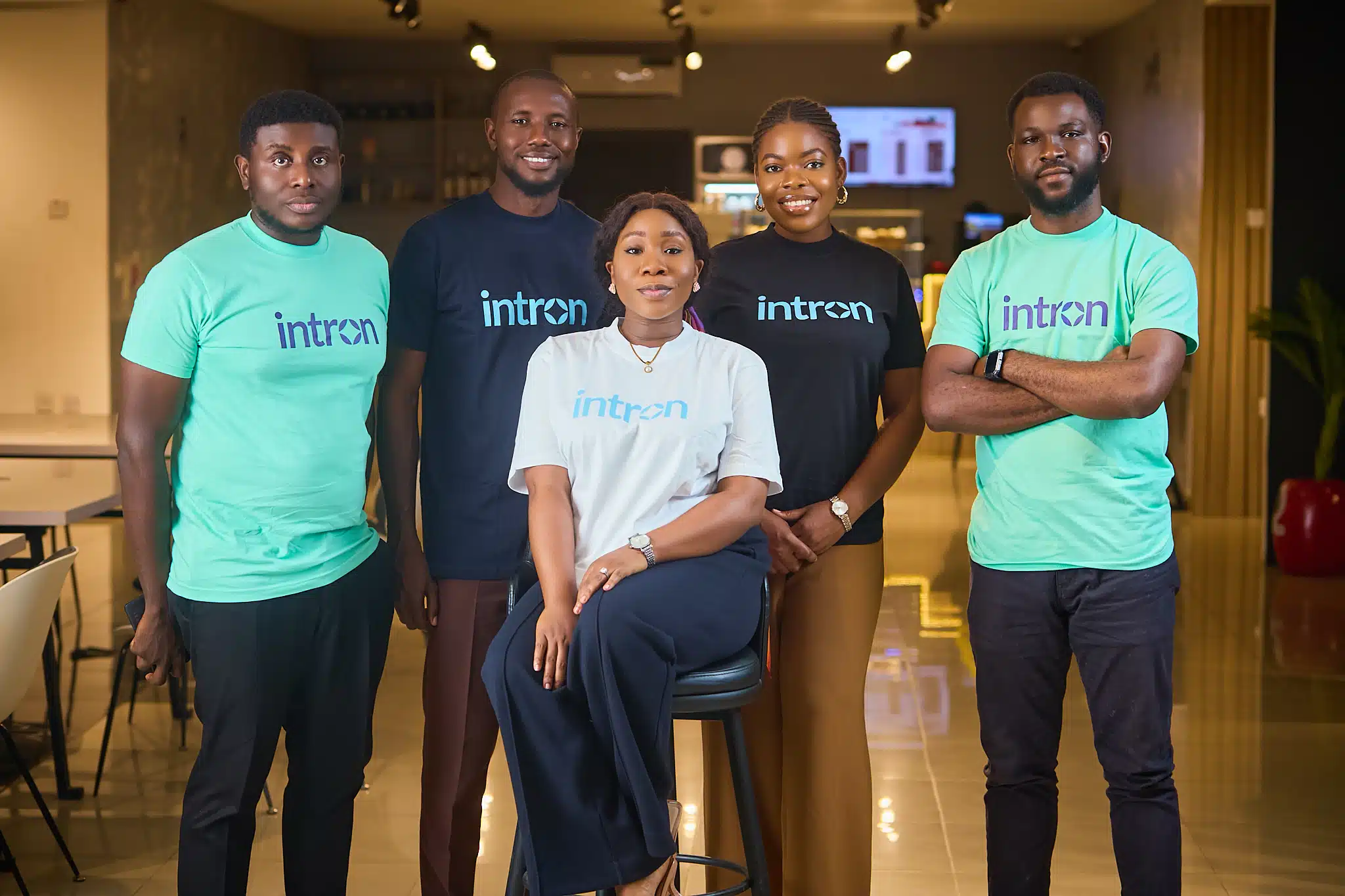
Intron AI has launched Sahara v2.5, a new version of its voice AI model that can understand conversations that switch between English and African languages and generate voices in local languages.
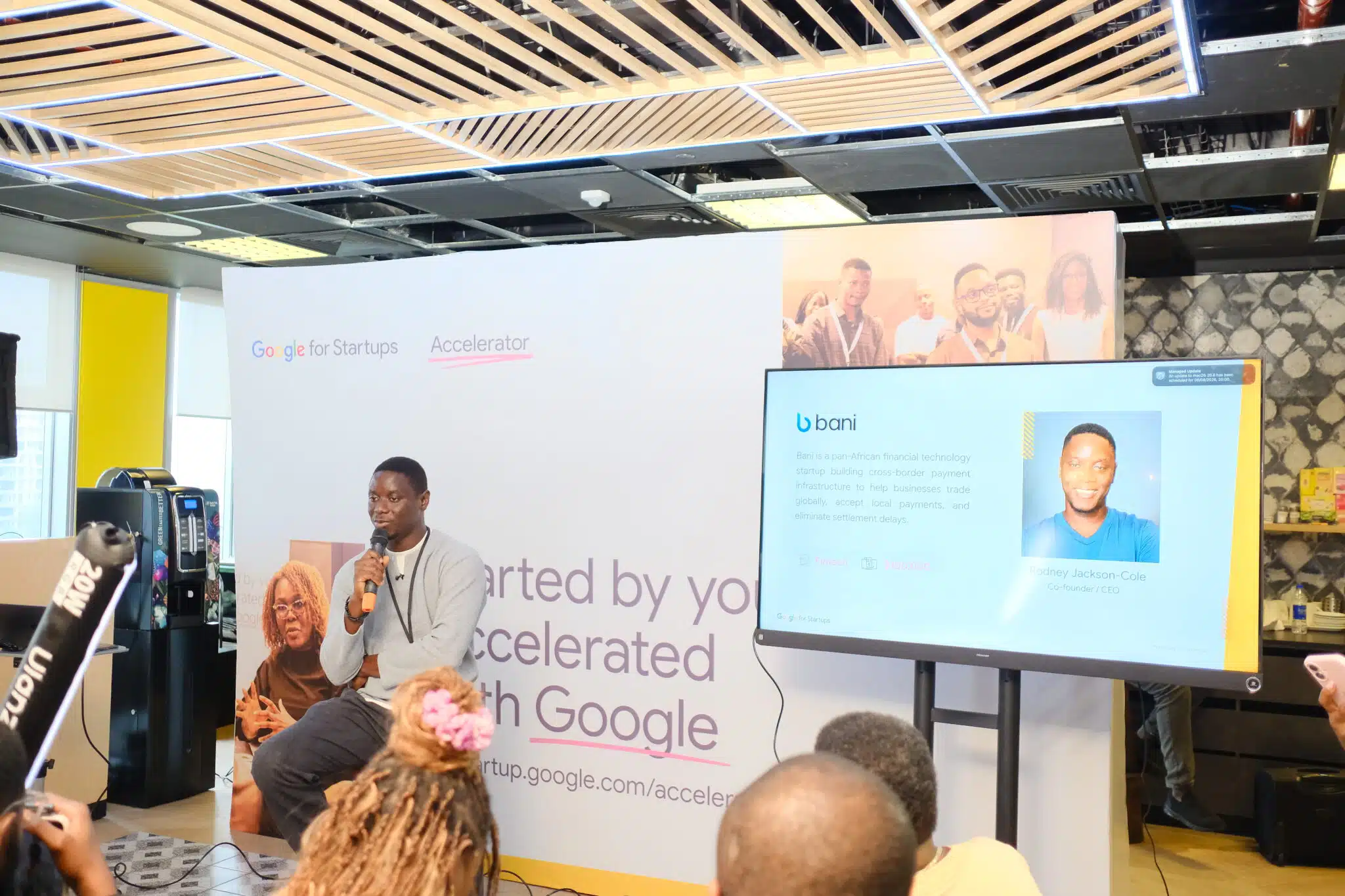
Cross-border payment remains a big headache in Africa. Jackson-Cole, Co-Founder of Bani says his startup wants to solve the problem by building direct integration with the banks and other big players.
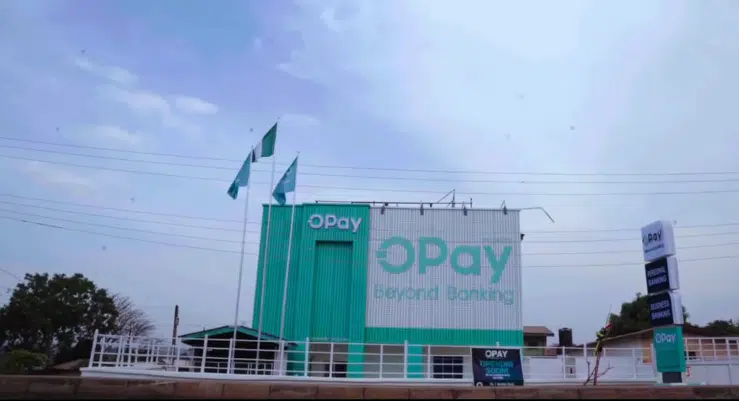
Opay says it’s investing in compliance, risk management, artificial intelligence (AI) and governance as part of efforts to build a safer digital payments ecosystem.

Although Waliyu studied sociology and anthropology during his undergraduate studies, his focus has always been on technology, which explains his journey into software programming after graduation.

Ifeoluwa Success started his career in the aviation sector but pivoted to cybersecurity after he left his job with the Nigerian Air Force. Today, Success has built a simulation model to train aviation workers to guard against cyber attacks.

In this edition of Techpoint Diaspora, we chronicle Emem Adjah’s journey from her early days in Brooklyn, New York, to her role as an author and advisor to early-stage founders today.

Kenyan startup, WorkKE, is building an alternative platform to global freelance platforms Upwork and Fiverr where African gig economy workers can earn a decent livelihood.

After eight years of success in South Africa, emergency response platform AURA is betting on improving response time in the United States of America.

Fishcluster is putting AI and underwater robots inside Nigerian fish ponds. Feed is over 75% of what farms spend. Yet, nobody can see whether the fish are eating or wasting it. Today the startup exits stealth mode, with 4 of the country’s biggest farms and $1m in commitments.
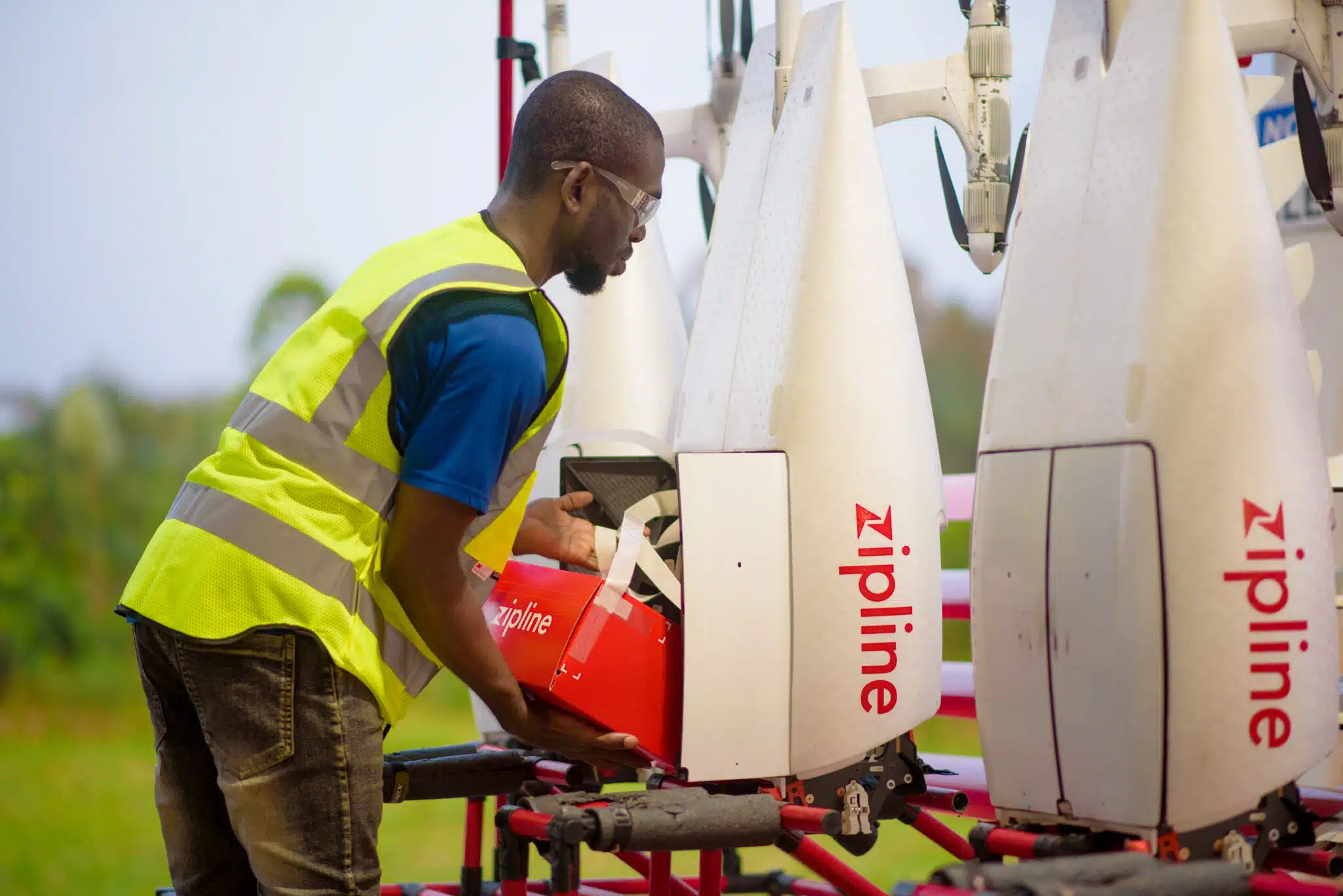
Zipline is preparing an expansion backed by a US government grant across Nigeria, evolving from state-by-state partnerships to engaging healthcare stakeholders at the local, state, and national level.

In this edition of After Hours, we follow the journey of Victoria Duru, and how her personal experience balancing childbirth and work inspired her startup, Wakamedics.

Within a year of deploying SchoolTry for higher education, the startup generated more revenue than it made in three years deploying SchoolTry for K-12.
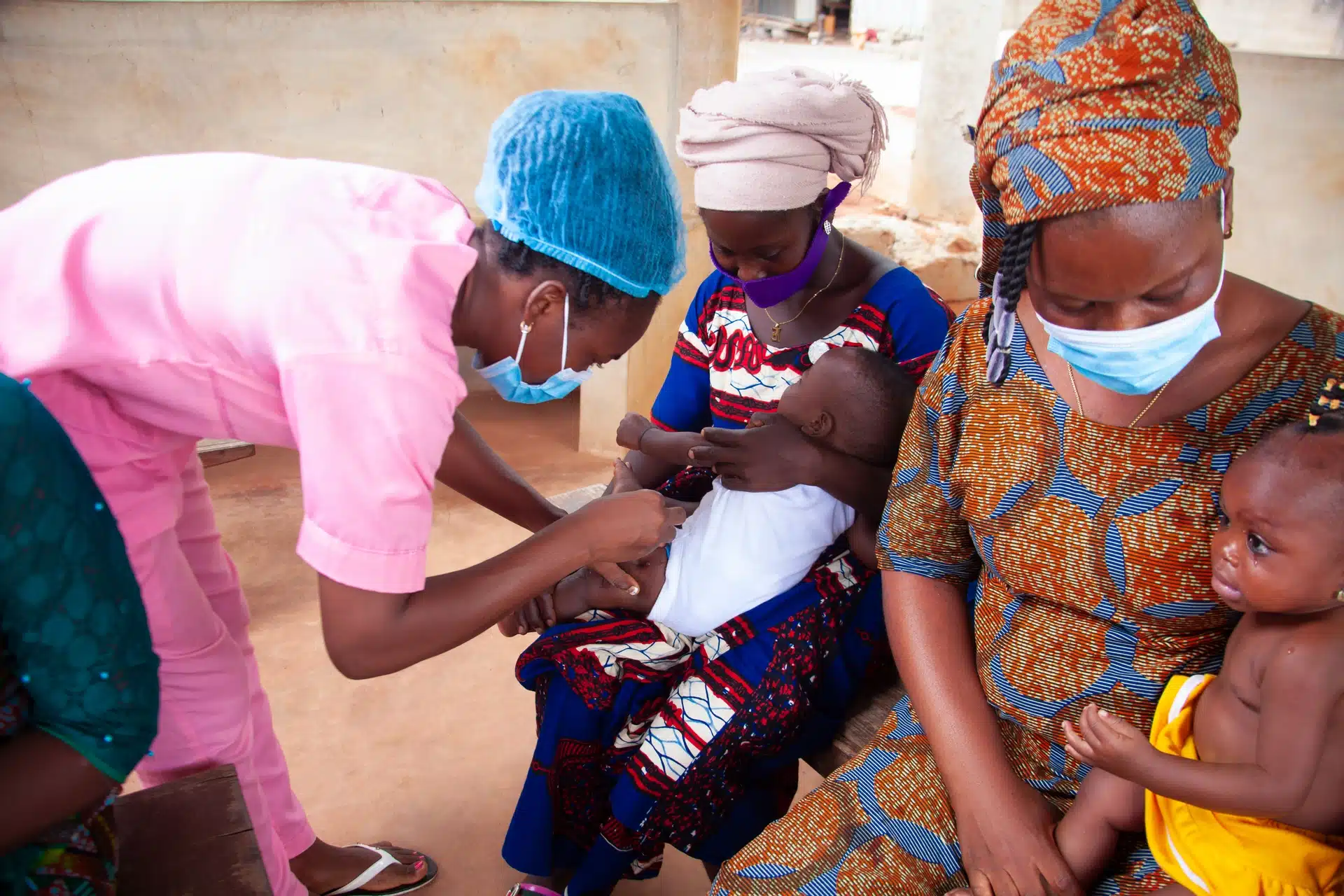
Andrea Aid, a Port Harcourt-based startup is building a medical crowdfunding platform that helps patients raise money for treatment by connecting them with donors.

In this edition of After Hours, Adebanji Oluwatoni shares his journey from studying political science to navigating two startup shutdowns and building an intelligence platform for the creative economy.

What if reading could be as addictive as scrolling TikTok? That’s the question Storipod is trying to answer as it builds a platform where writers can publish, monetise, and reach readers through bite-sized, mobile-first storytelling.

In this edition of After Hours, Abidemi Adetula shares how a confusing national conversation around taxation inspired him to build TaxInfo.
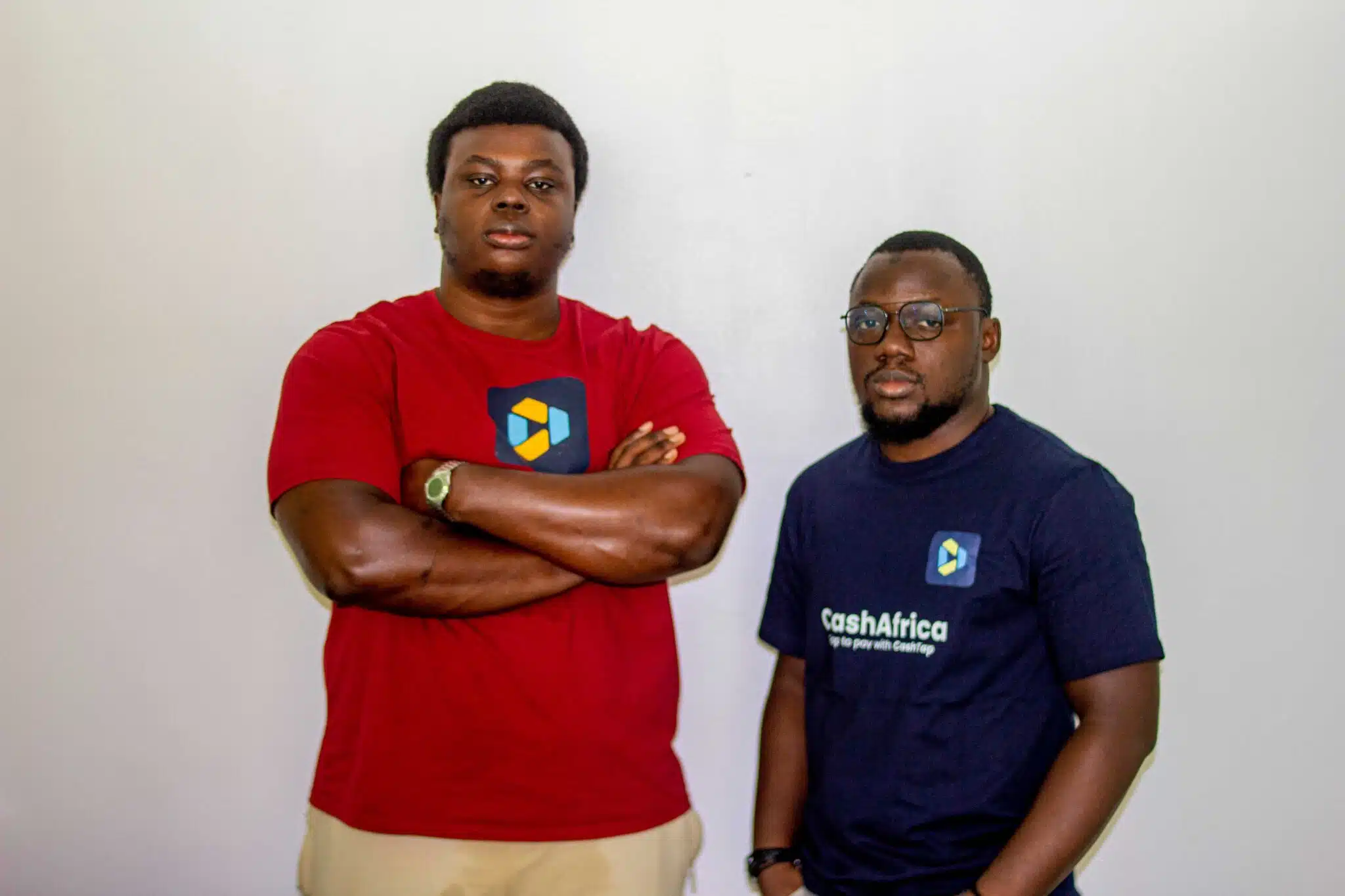
CashAfrica is betting on contactless payments as Nigeria’s next major shift, building infrastructure and partnerships to power tap-to-pay adoption.

At 16, Ibrahim Kolade is already building a freelance platform designed to help African talent get discovered beyond ratings and platform bias.

Paystack has redesigned its merchant dashboard for the first time in a decade, positioning the overhaul around artificial intelligence to help businesses make more informed decisions.
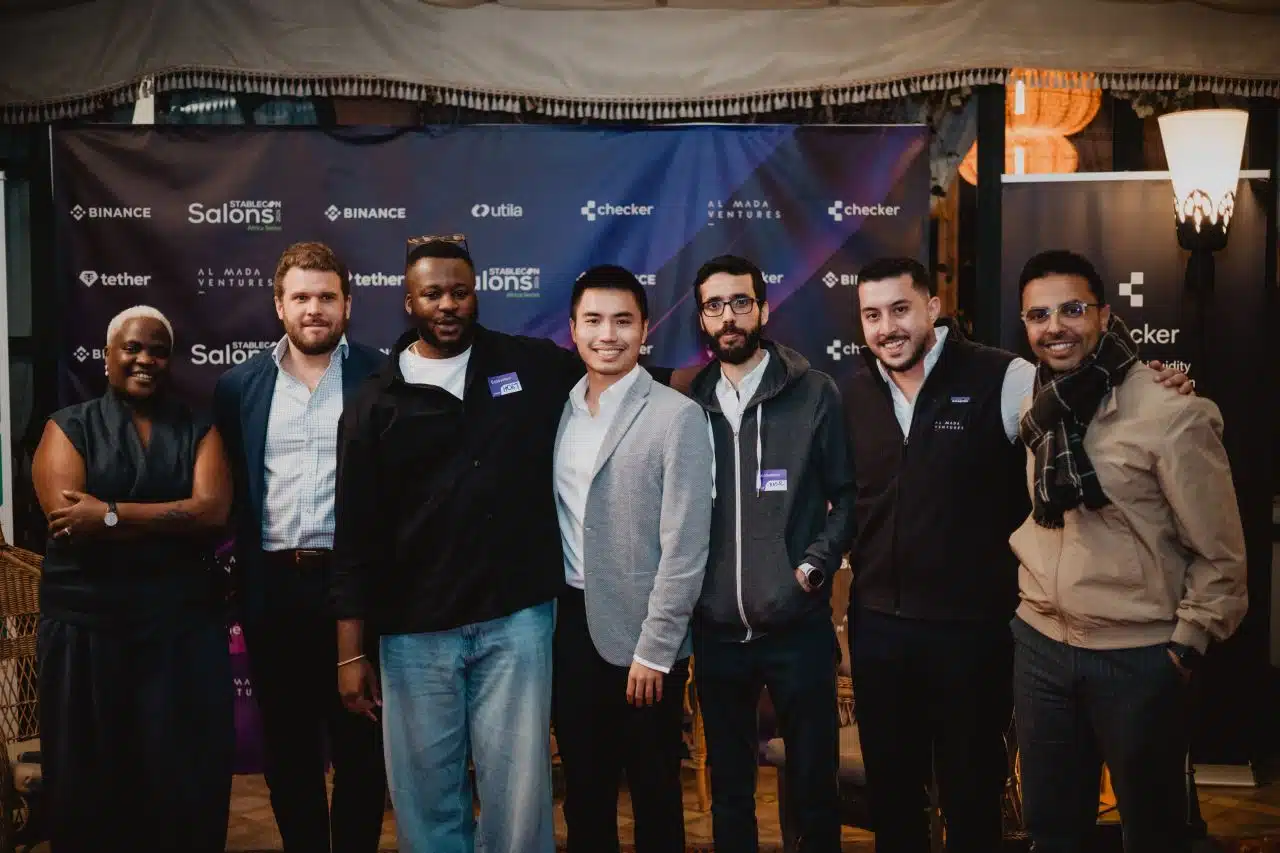
Checker is betting stablecoins can fix Africa’s costly cross-border payments problem as trade volumes rise and fintechs search for faster, cheaper settlement infrastructure.