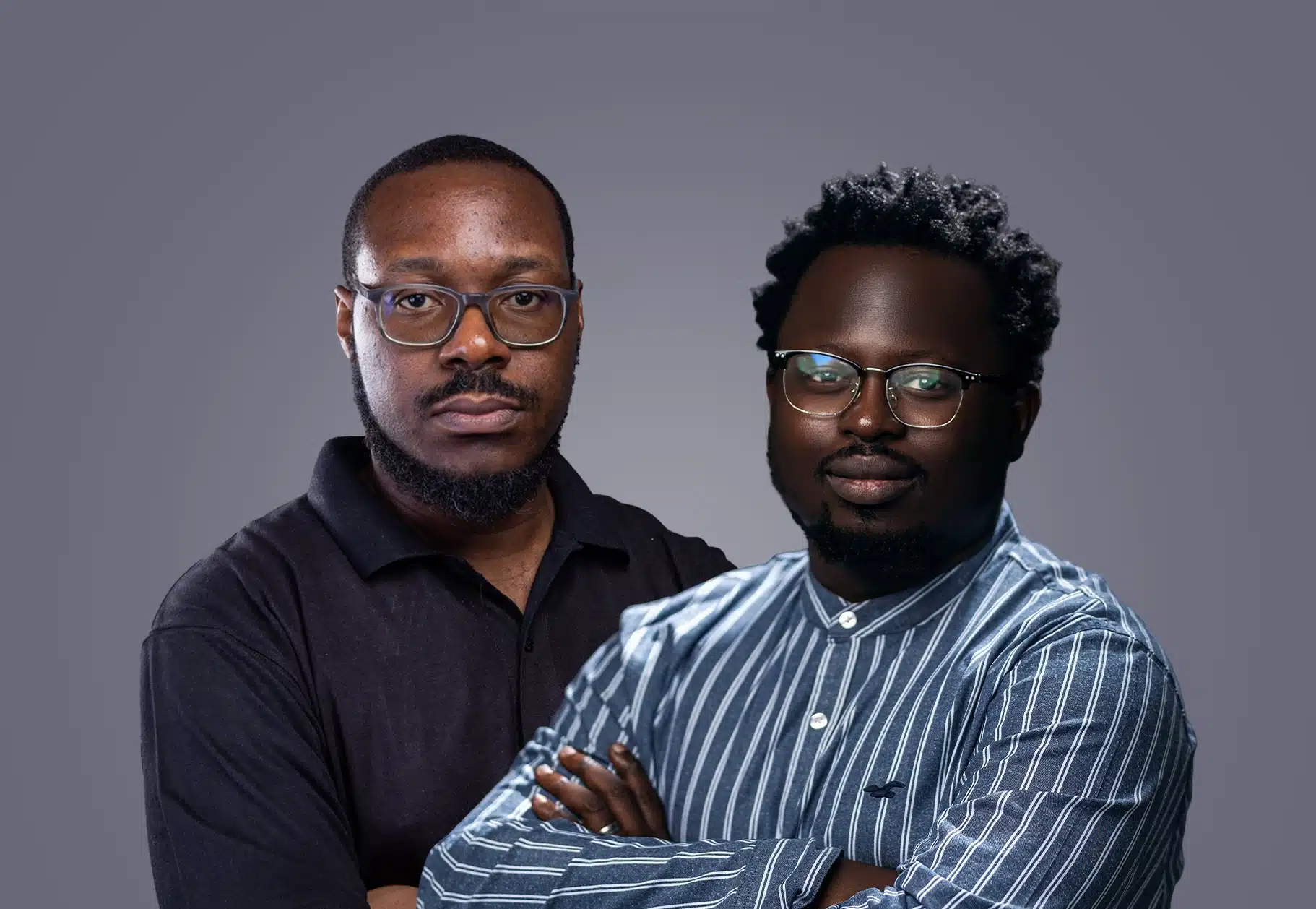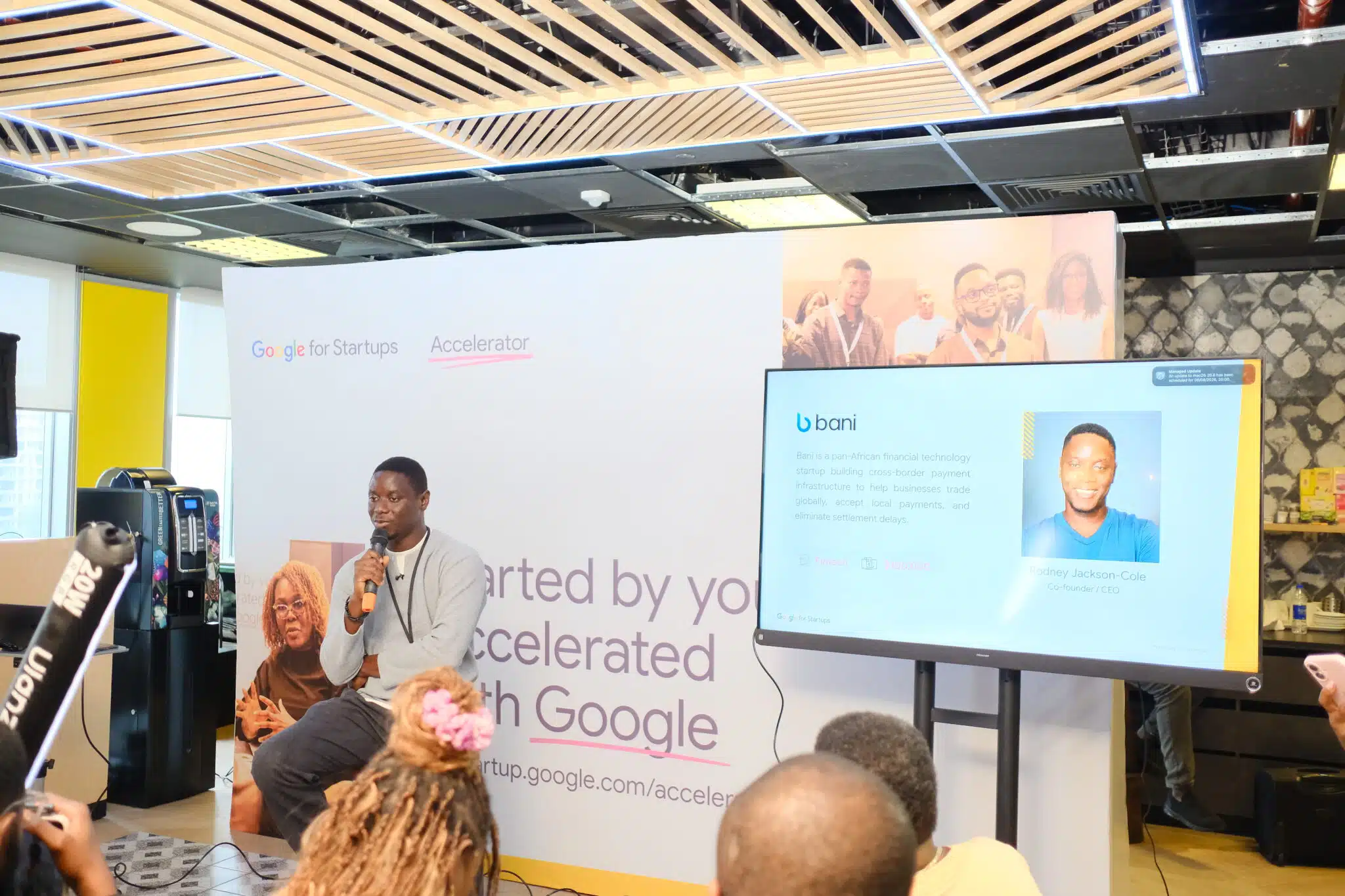


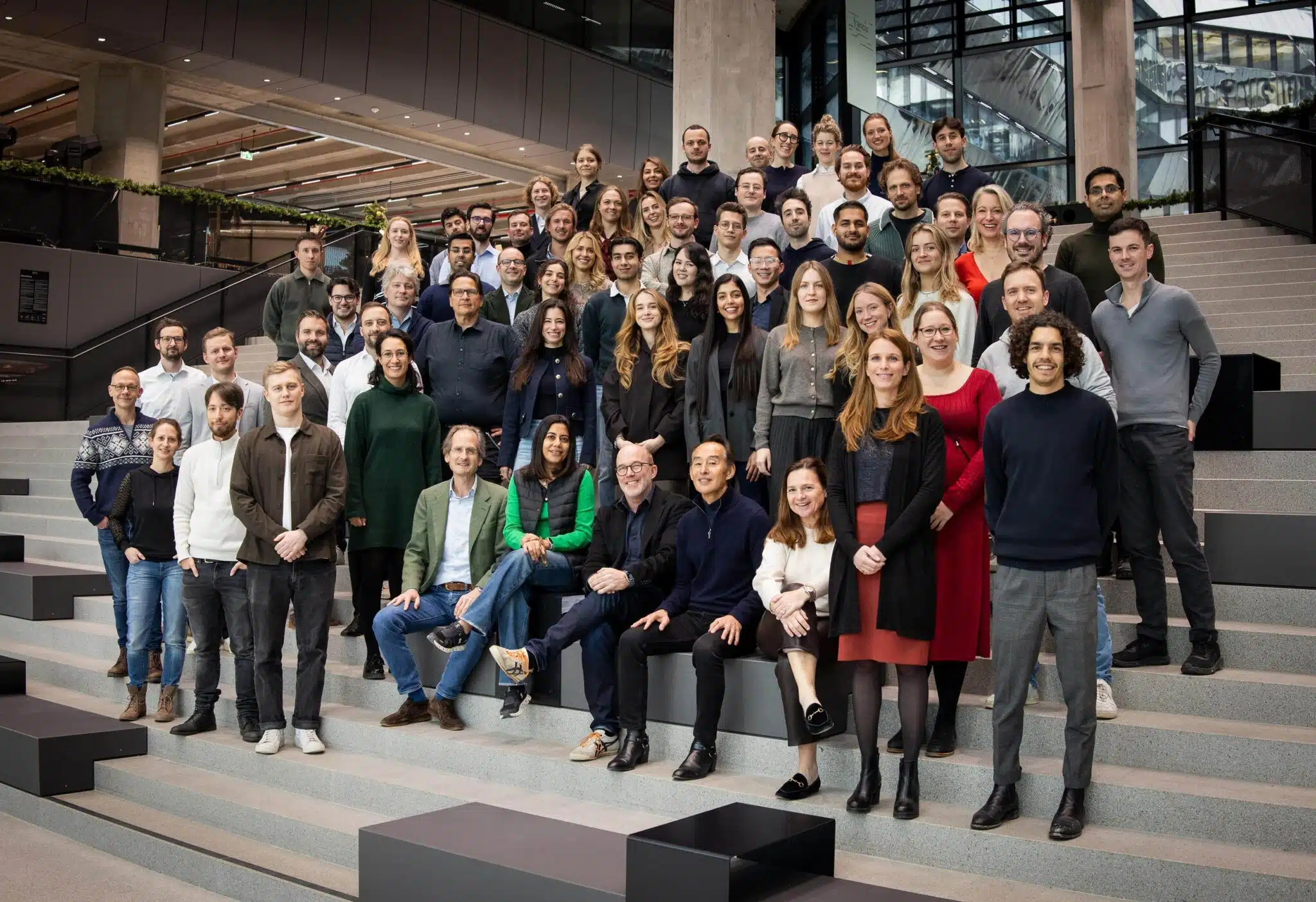

European venture capital firm Speedinvest has launched a new Middle East and Africa fund to back early-growth-stage companies. The firm, which has already invested in 13 African startups, including Moove, Anda, and FairMoney, plans to deepen its presence in the region with this fund.
“We’re committed for the long haul, deploying patient, sector-focused capital to back visionary entrepreneurs across the Middle East and Africa,” CEO and Managing Partner Oliver Holle says. He adds that the firm will also provide founders with access to its global network and European portfolio to help build enduring, globally competitive companies.
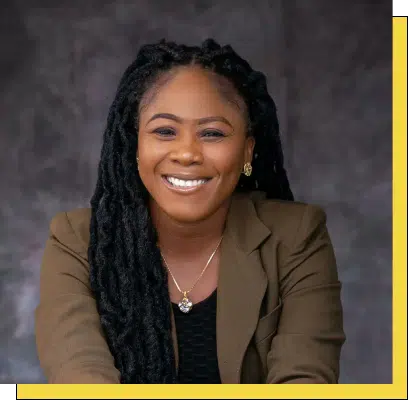
The fund is backed by major institutional investors, including Qatar Investment Authority, Mubadala Investment Company, and the European Investment Bank. According to Deepali Nangia, Partner at Speedinvest, the firm is targeting more than €100 million and expects to invest between €2 million and €5 million per company.
Despite investing on the continent for more than five years, Speedinvest has yet to establish a local team. That is set to change, as the firm plans to build a stronger on-the-ground presence following the fund’s launch.
In this interview, Nangia discusses what draws Speedinvest to the region, how the firm supports its portfolio companies, and its perspective on key issues, including exits.
Many global firms frame their expansion as “MEA,” but Africa often ends up as an afterthought. How is Speedinvest approaching Africa differently?
Africa is not an afterthought for us. We’re raising a €100 million Africa fund. As you know, we have invested in Moove and FairMoney in the past, and we’ve made 13 investments in Africa in total.
The latest one was last year, Leta in Kenya. Another one is Anda in Angola. I think Africa has a huge demographic dividend that’s going to pay out.
How significantly is your strategy changing, if it’s changing at all, from how you invested in the past to how you’re now going to be investing going forward?
In the past, we’ve invested from our Europe fund. We are now raising our first dedicated Africa fund. So that’s what is different about this.
We continue to invest in fintech and embedded finance. 50% of our portfolio is embedded finance, spanning industries such as health, logistics, and climate. We’ll continue to do that. We have also invested from pre-seed to Series B, and I would say that we’re going to invest somewhere in the middle.
Are there specific macro or structural trends in Africa that make this the right moment for Speedinvest to deepen its presence?
Africa has a huge, growing population – a very young population. This is what I refer to as a demographic dividend. In contrast to the Western world, which has a declining population and a much older population. I think we want to take advantage of that.
Also, Africa has leapfrogged certain innovations like the mobile phone, which is also what happened in India. You kind of skip the landline and go straight to the mobile phone in Africa. [The same thing happens] in many technologies because some of the infrastructure doesn’t exist, and therefore, you kind of skip a generation or two into the new infrastructure. So we want to capture some of the new technology that’s being built and adopted in Africa.

Your announcement referenced building local teams and partnerships. What does that look like in practice today, and how do you expect it to evolve?
We did not have a local team in Africa because we invested from Europe. The team was sitting in Europe, but we spent a lot of time in Africa. This year alone, I have been to Kenya, to Morocco, and to Egypt, and I’m going back to Kenya next week. Also, Alvaro on our team has been working on emerging markets for the past six years, and he was in Kenya with me. So we spend a significant amount of time on the ground, but we will have a local team.
The idea is to have somebody from our team moving to Africa, but we are also looking to add a team member. We’ve been speaking to someone we really like, but we’ve received many resumes from people who want to work with us. So we’re going to add one more person on the ground. We’re also talking to an African advisor to join the team, and I’ll spend 50% of my time in Africa.
How close are you to hitting your fundraising goal for the Africa fund?
The European Investment Bank (EIB) has anchored the fund with up to €40 million from the balance sheet, which is what you’ve seen. We also have some money being capitalised from our Middle Eastern fund into Africa.
We have agreed with the Middle East LPs to capitalise a percentage of that into Africa. We’re also talking to a number of LPs, conducting due diligence, and hope to have our first close in the autumn.
How important is local decision-making compared to deploying capital from Europe?
We’ve always had decision-making at the team level, so it’s always been local. So if the team decides to do a deal, we usually go ahead with it. The local aspect really helps, as you can better support your portfolio companies when you are on the ground with them.
Secondly, local also helps build closer relationships with your founders because you can see them anytime. Having said that, London and Africa have always had a very close connection, and most of the founders come to London quite often, so we meet them a lot.
How do you approach valuations in African markets, especially given the reset we’ve seen globally?
Valuations have come down significantly over the last few years. We tend to lead or co-lead rounds, so obviously, valuation is very important to us because ownership is very important to us. It’s the biggest driver of exit value.
We have passed on many deals because of valuation, but to be honest, we have also cleaned up cap tables where valuations were messed up. We’re very disciplined on valuation.
What’s Speedinvest’s pitch to African founders beyond the funding you provide?
We have invested in two major companies on the continent. We invested in 2019 and 2020 in FairMoney and in Moove. We have helped these companies raise capital from other international investors. We have cleaned up cap tables. We have helped them expand beyond borders. If you look at Moove, it has received investment from Uber and Mubadala. Mubadala is actually investing in our Middle East and Africa strategy, so we have close relationships with LPs there as well.
We have many European and global contacts. We often bring in some of our entrepreneurs, our CEOs from Europe, and exited CEOs and advisors who want to help the next generation of founders, and we put them into some of our African companies as advisors. We just put someone from Moove into Anda, which is our latest investment in Angola. We also help with recruiting. So we help with all sorts of things, even though we are not sitting on the continent yet.
Exits have become a key concern for investors in Africa. How does Speedinvest think about exit pathways, and how are you preparing portfolio companies for them from day one?
We are quite specific about financials right from the beginning. The financials have to be in order, audited, and properly presented. Everything really needs to be backed up by an invoice to reflect strong governance. From a governance perspective, you need to demonstrate that you’re a clean company. That’s quite important when it comes to exits. Most of the exits will be M&As; it might be cross-border expansion, like Wasoko and MaxAB. There might be some exits where a foreign buyer is buying you. There have been some of those in Africa. There might be one or two IPOs, but most of them are going to be IPOs.
You want to make sure that you are preparing the founders to think about this. Either you’re going to be an acquirer, or you’re going to get acquired. So you have to start thinking of opportunities from the start. If you’re growing nicely and have a bit of excess cash, is there an asset I should buy in the market that will help me expand? And ultimately, you also have to be as invested and very disciplined about secondaries.
VCs in Africa have had to be more involved in the exit processes than in most other parts of the world. What’s your experience helping your portfolio companies to exit?
Well, two of our portfolio companies have bought other companies, and we were very much involved in the acquisitions. I was also just in Morocco, and someone from a bank approached me and said they’re interested in buying one of our companies. Just because we’re sitting in London does not mean we’re not talking to the local ecosystem.
Our whole job is to make sure that we’re having these discussions with our founders and the board, talking to other investors who might have something in their portfolio. Obviously, there are always big egos involved when it comes to acquisitions, and that tends to be the biggest problem. If you want to buy a company, we have an internal team that can help with the modelling, valuations, and ensuring everything you need is calculated properly.
Two of your portfolio companies have acquired companies on the continent. What can you share from that experience that African founders can learn from?
Ultimately, it boils down to what you are buying. Are you buying the product or are you buying the team? Are you buying clients?
Because at the end of the day, there’ll be many small exits because there’ll be many companies that can’t raise [funds] because they probably raised at very high valuations. It’s the nature of venture, and you have to think about what you’re really selling to a big acquirer.
As a European fund, what tangible synergies can you create between your African and European portfolios?
That is very important for us. With knowledge sharing, for example, we have a whole team of people right in Europe, industry specialists, that we can pull in to give us experience of a certain sector. We also invite some of our European founders to share their experience with African companies, which may find it very valuable.
So there’s a lot of experience exchange that’s going on. We also have European LPs that help us with due diligence. They might also be able to help if the African company wants to expand into Europe because we have a very large network.
Oliver Holle, Managing Partner of Speedinvest, has spoken about deploying “patient capital” for the long term. What does that mean in practice, both in terms of timelines and expectations from founders?
Obviously, it’s a 10+2 fund; it’s a normal fund, but what we have done in this fund is reserve more than we would in other parts of the world for Africa.
In Africa, things take slightly longer than normal, so we have reserved patient capital to make sure that, if we need to bridge our company for any reason whatsoever, we can.