



Konnichiwa,
Victoria from Techpoint here,
Here’s what I’ve got for you today:
- Alerzo quietly shuts down Singapore entities amid legal crisis
- Why a 2014 deal is haunting MultiChoice in 2026
- Rwanda just dropped an 18% tax on your digital life
Alerzo quietly shuts down Singapore entities amid legal crisis
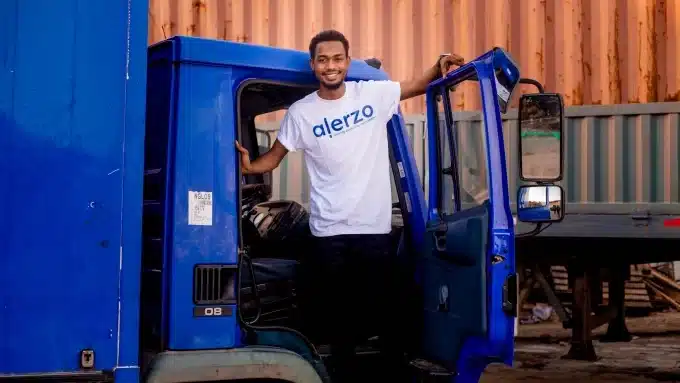
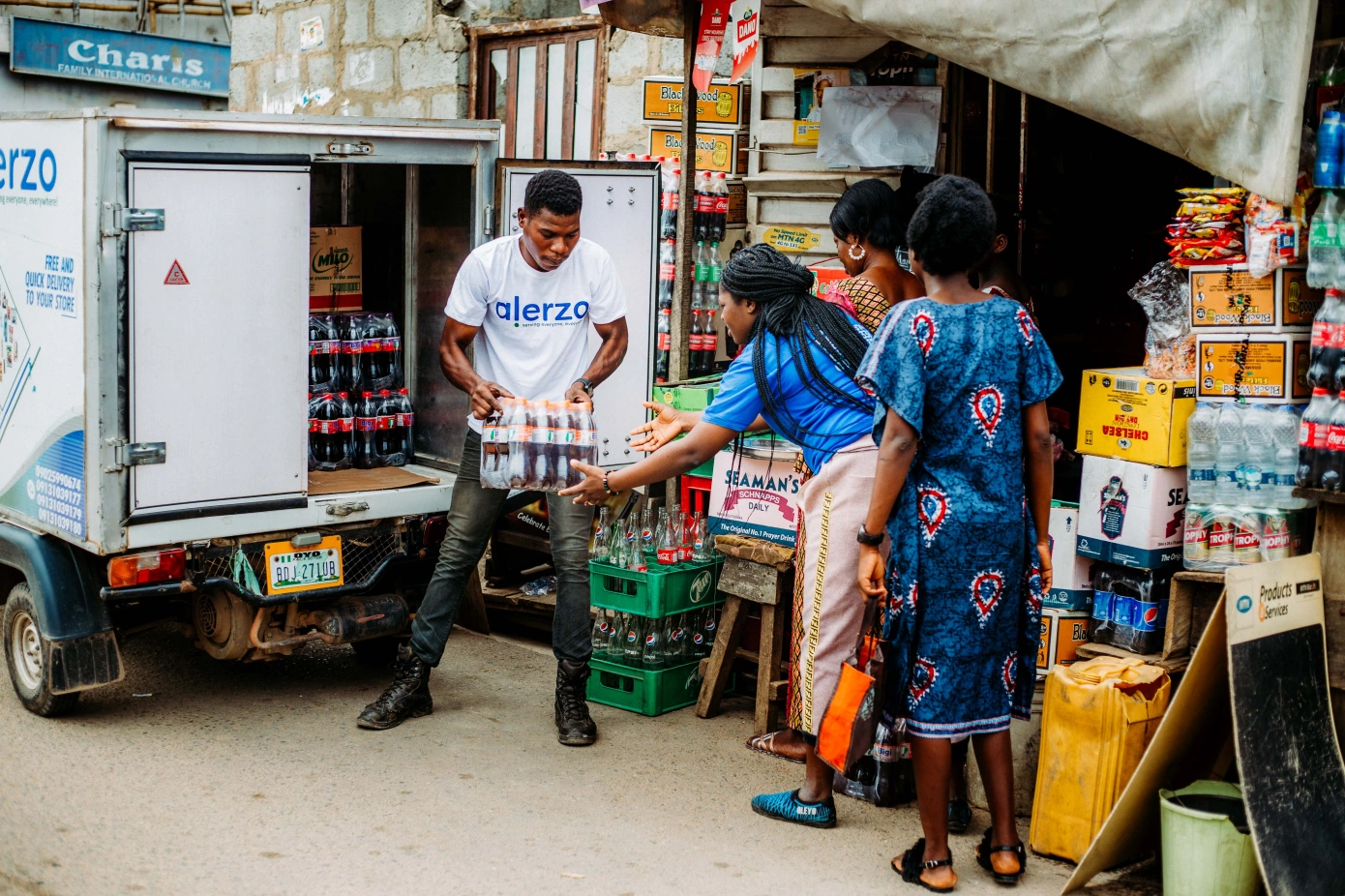
A quiet but telling development just surfaced around Alerzo, and it doesn’t look like routine housekeeping. The once high-flying startup, which set out to digitise Nigeria’s FMCG distribution network, has been winding down several of its Singapore-based entities. Notices published in Singapore show multiple special purpose vehicles (SPVs), including Alerzo Bridge Financing and Alerzo Capital, are either already dissolved or in the process of being struck off. Even a related sub-fund under Singapore’s variable capital structure has been shut down. What’s left standing, for now, is the main holding company.
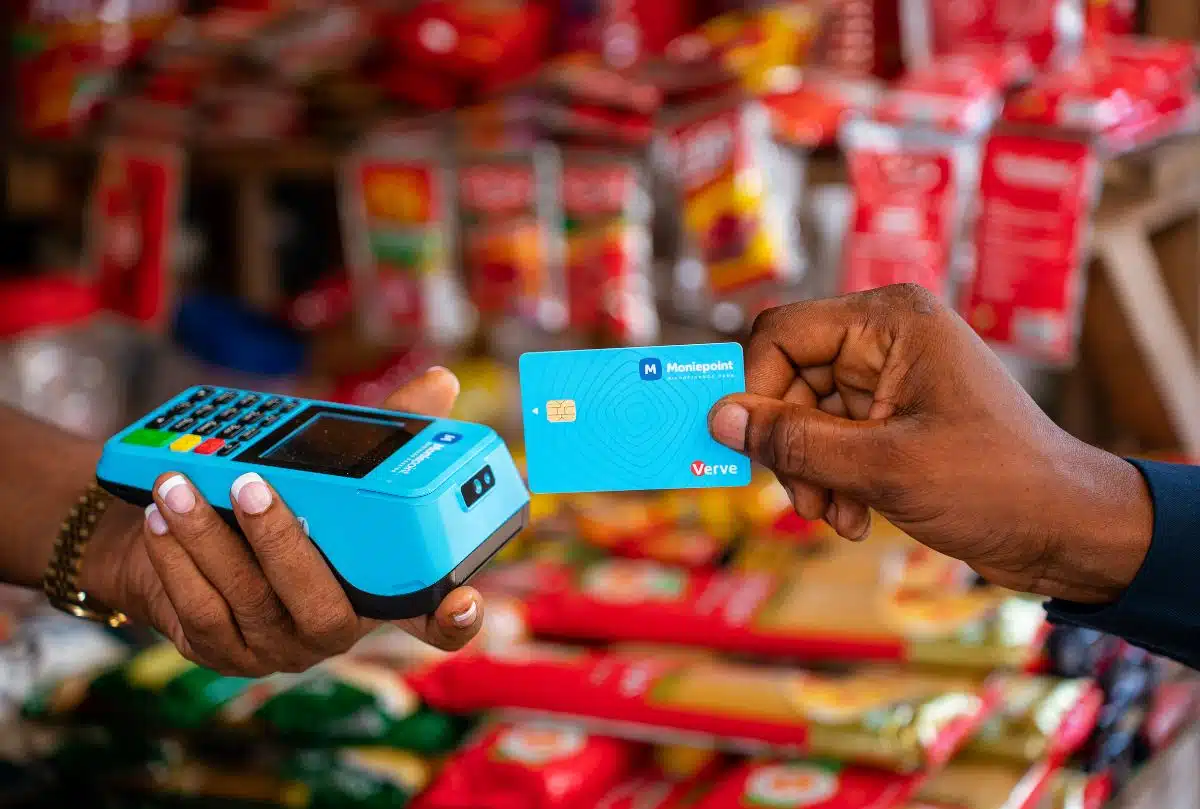
The timing raises eyebrows. These closures are happening just weeks after a Nigerian court granted a Mareva injunction freezing Alerzo’s accounts over a ₦4.38 billion debt owed to Moniepoint Microfinance Bank. The Singapore parent entity is also named in the lawsuit, meaning this isn’t some distant restructuring exercise; it’s happening right in the middle of a legal storm. Strip away the technical language, and it looks like the company is pulling apart parts of its global structure while the core business faces pressure at home.
For those unfamiliar with how startups are structured, this move is more strategic than it looks. SPVs are often used to hold investor funds or to manage specific financing rounds, and shutting them down typically requires declaring that they have no assets or liabilities remaining. In situations like this, restructuring experts say dissolving these entities can help isolate risk, essentially creating distance between international capital structures and local legal trouble. In Alerzo’s case, it suggests a deliberate attempt to ring-fence exposure, not just tidy up paperwork.
What’s more, the company’s troubles are tied to a much bigger issue: Nigeria’s economic reality over the past few years. Alerzo’s model depended heavily on stable pricing and strong purchasing power at the retail level. But after the naira’s sharp devaluation in 2023, the math stopped working. Import costs surged, small retailers struggled to keep up, and companies like Alerzo, earning in naira but backed by dollar-based expectations, got squeezed from both sides. Despite raising over $20 million from global investors, the runway quickly shortened as costs ballooned and funding dried up.
The speed of the company’s decline has been striking. In early 2025, Alerzo secured a ₦5 billion working capital loan from Moniepoint. By November of that same year, the bank was already demanding full repayment, citing default. Just a few months later, the courts stepped in to freeze accounts. Around the same time, viral videos showing idle Alerzo delivery vehicles in Ibadan, Nigeria, added a public layer to the company’s struggles. Founder Adewale Opaleye insisted those were decommissioned units, but the optics didn’t help, especially with creditors already circling.
Alerzo’s situation is starting to look like part of a broader pattern. Across Nigeria’s startup ecosystem, companies that expanded aggressively during the funding boom are now being forced to scale back or shut down entirely. Names like 54gene and others have already fallen, and the B2B logistics space has been particularly vulnerable. For Alerzo, the coming months will be critical: either it finds a way to restructure and survive, or the quiet dismantling of its global structure marks the beginning of the end.
Why a 2014 deal is haunting MultiChoice in 2026

South Africa’s competition watchdog has just dragged MultiChoice and decoder maker Altech UEC to the tribunal, and the allegations are serious. The Competition Commission of South Africa says the two struck a quiet deal back in 2014 to avoid competing with each other in the pay-TV space. If proven, that would violate the Competition Act of South Africa, which bans companies from carving up markets behind the scenes. The potential penalty? Up to 10% of each company’s annual turnover.
What makes this story more intriguing is the timing. The alleged agreement dates back over a decade, and the Commission hasn’t explained why it’s surfacing now. Back then, Altech UEC was heavily tied to MultiChoice; it was the company that manufactured decoders for DStv customers across Africa. Per regulators, the deal effectively ensured Altech wouldn’t step on MultiChoice’s toes in the pay-TV market.
To really get the picture, you have to look at the short-lived Altech Node. Launched in late 2014, it was pitched as a futuristic all-in-one box — video-on-demand, Internet calling, home automation, even payments. But notably, it didn’t carry traditional pay-TV channels. At launch, then-CEO Craig Venter went out of his way to say it wasn’t meant to compete with MultiChoice, which raised eyebrows even at the time. The product never really took off and was shut down by 2015, with refunds issued to customers.
If the Commission’s claims hold water, that failure might not have been accidental. The suggestion is that the Node was effectively limited from the start, meaning South Africa may have missed out on a genuine DStv competitor more than a decade ago. Instead of shaking up the market, the device quietly disappeared, leaving MultiChoice firmly in control of the pay-TV landscape.
Fast forward to 2026, and the stakes are much higher. MultiChoice is now owned by Canal+, which completed a $3.2 billion acquisition in 2025. The company is already under regulatory watch, dealing with merger conditions and political scrutiny. Its streaming arm Showmax just shut down after racking up massive losses, and Canal+ is gearing up for a listing on the Johannesburg Stock Exchange. A competition case like this, especially with the threat of heavy fines, lands at a very sensitive moment.
There’s also a twist in the ownership story. Altech UEC isn’t even in the same hands anymore; it was sold and is now linked to Chinese tech interests via Shenzhen Skyworth Digital Technology. Meanwhile, MultiChoice itself has gone through its own transformation, from a dominant local player to part of a global media group navigating regulatory pressure on multiple fronts. With Parliament watching closely and regulators circling, this case feels less like old news resurfacing and more like a clear message: even decade-old deals can come back to bite.
Rwanda just dropped an 18% tax on your digital life

Rwanda just pulled a fast one on big tech and didn’t give anyone time to adjust. On April 30, 2026, the country rolled out an 18% VAT on a huge range of digital services, effective immediately. We’re talking everything: streaming subscriptions, online ads, cloud tools, ride-hailing apps, gaming, e-learning, and even selling user data. The only real exception is accredited school programmes. So yeah, your Netflix, Spotify, or paid online course? Now taxed.
What’s really clever (and kind of ruthless) is how they’re enforcing it. Foreign companies can either register and handle the VAT themselves or ignore it, in which case Rwanda just makes the payment processors handle it for them. That means mobile money platforms and banks can automatically deduct the tax before the money even leaves the country. In other words, Rwanda isn’t waiting around for big tech to cooperate.
They’ve also shut down the usual loophole argument about “we don’t operate there.” If a user looks Rwandan in basically any way, including SIM card, billing address, IP, and bank account, then the transaction counts as happening in Rwanda. That removes the grey area tech companies have leaned on for years to avoid taxes in smaller markets.
For businesses on the ground, this hits immediately. Imagine a startup spending on digital ads or cloud tools; their costs just jumped 18% overnight. That’s not small. But zoom out, and Rwanda’s play isn’t just about revenue. It’s about building a system that actually works, unlike many other countries that introduced similar taxes but struggle to enforce them.
The bigger picture? Rwanda might have just set the template others follow. Plenty of African countries already tax digital services, but Rwanda added a real enforcement backbone. And with global tax agreements looking shaky again, more countries may go this route. Rwanda is basically betting that its strong reputation as a tech-friendly hub will keep investors around, even with higher taxes. If that bet pays off, expect copycats.
In case you missed it
- Inside Wimbart at 10: Jessica Hope on telling Africa’s tech stories
What I’m watching
- What “no brain” patients teach us about consciousness | Ideas For Our Time
- Scott Galloway: AI Wasn’t Built For You. The Rich Don’t Need You Anymore!
Opportunities
- Moniepoint is recruiting for several roles. Apply here.
- Flutterwave is hiring for several roles in Nigeria, the UK, and the US. Apply here.
- ABDS 2026 will take place April 29–30, 2026, in Lagos, gathering founders, investors, developers, and policymakers shaping Africa’s blockchain and Web3 ecosystem. The summit focuses on industry insights, partnerships, and investment opportunities in one of the world’s fastest-growing crypto markets. Secure your pass or sponsorship here.
- As one of Techpoint Africa’s most engaged readers, you have a direct hand in shaping what we publish next. Take our quick, 3-minute survey to tell us the stories and features you value most. Your responses are anonymous, and your feedback will help guide our editorial focus in the months ahead. Fill the survey here.
- Moniepoint is hiring for over 100 roles. Apply here.
- Building a startup can feel isolating, but with Equity Merchants CommunityConnect? You can network with fellow founders, experts, and investors, gaining valuable insights and exclusive resources to help you grow your business. Click here to join.
- To pitch your startup or product to a live audience, check out this link.
- Follow Techpoint Africa’s WhatsApp channel to stay on top of the latest trends and news in the African tech space here.
Have a lovely Tuesday!
Victoria Fakiya for Techpoint Africa