



Zdravo,
Victoria from Techpoint here,
Here’s what I’ve got for you today:
- OPay targets $4B in US IPO push
- Wimbart’s 10-year journey in African tech
- South Africa’s red tape problem gets attention
OPay targets $4B in US IPO push

On May 1, 2026, talk of the town was that OPay tapped Citigroup, Deutsche Bank, and JPMorgan Chase to lead a planned US IPO, targeting a valuation of around $4 billion. Nothing has been filed publicly yet, but bringing in those three banks is a clear signal: this isn’t casual exploration; it’s serious preparation for the global stage.
Bringing in three heavyweight global banks isn’t just about optics. It’s a signal that OPay is gearing up for the kind of scrutiny that comes with listing in the US. Add to that the company’s recent hiring of experienced international executives, including a former Citigroup managing director as CFO, and it’s clear this isn’t a casual step. OPay is positioning itself to meet the governance and transparency standards global investors expect.
That $4 billion figure is getting attention, but it only makes sense with context. OPay was valued at $2 billion in 2021 and has been climbing steadily since, with estimates putting it above $3 billion by the end of 2025. Today, it’s one of Nigeria’s biggest fintech platforms, offering transfers, bill payments, savings, and merchant services through a network of over 500,000 agents and tens of millions of users. The valuation isn’t just about where OPay is now but a bet on where Nigeria’s digital economy is heading.
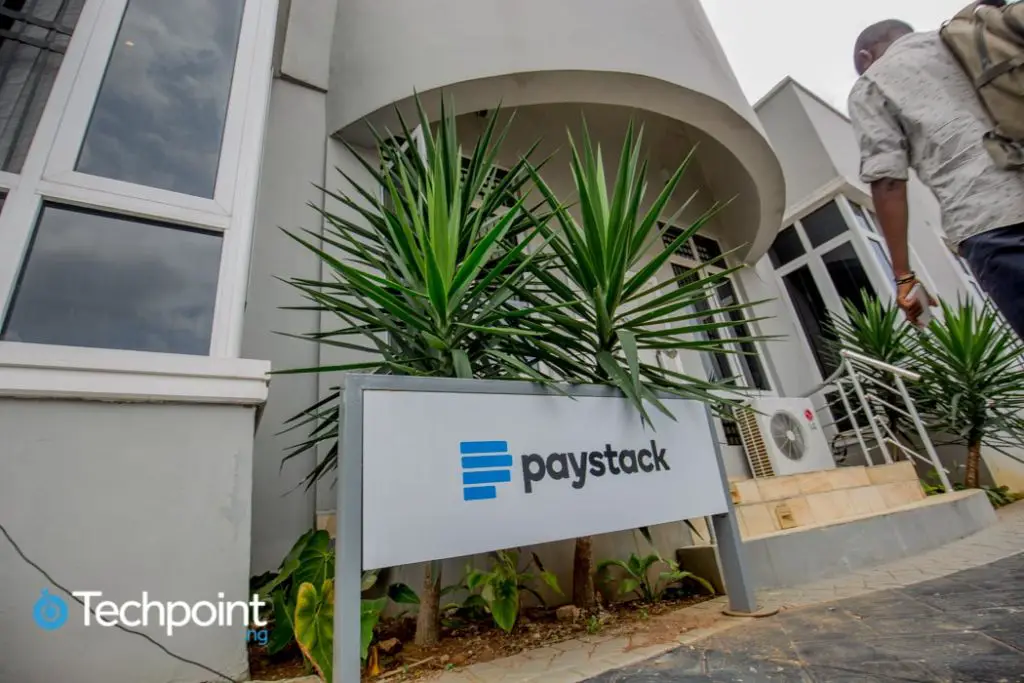
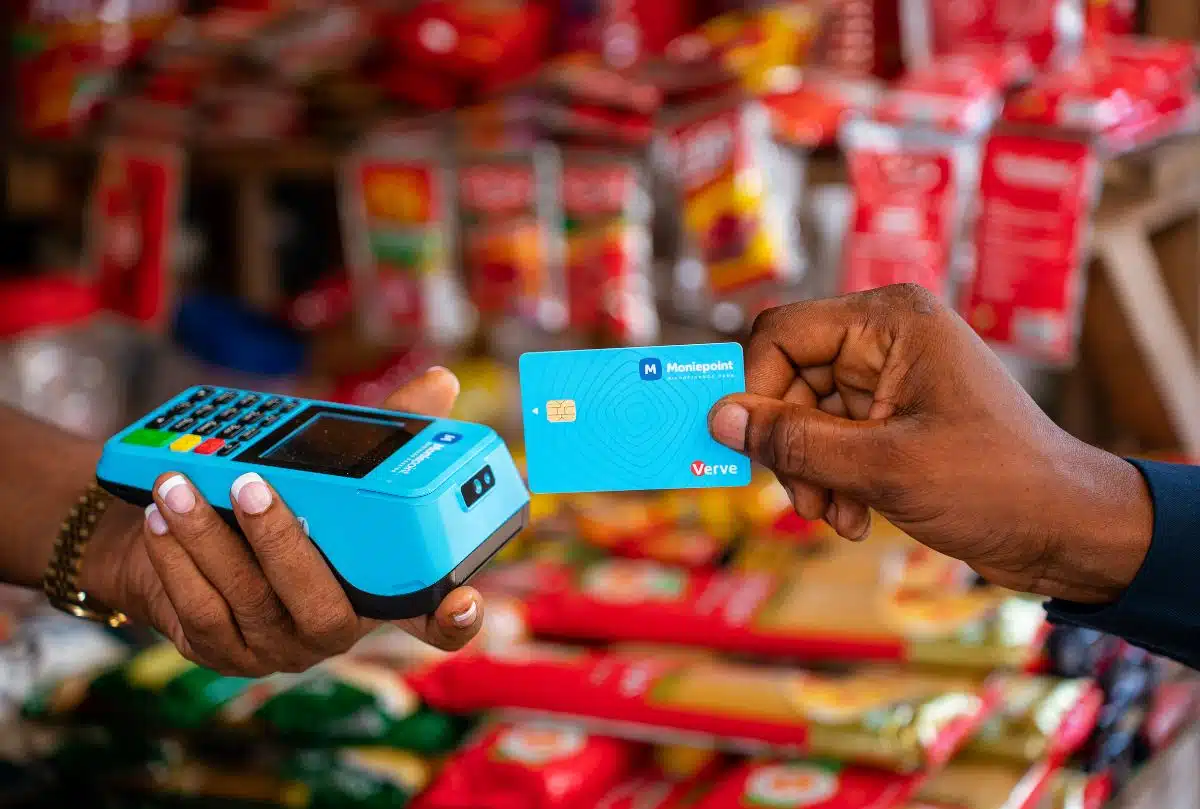
The timing is also telling. Africa’s fintech sector has been waiting for a proper public market moment for years. Since Paystack’s $200 million exit to Stripe in 2020, there’s been talk of IPOs from players like Flutterwave and Moniepoint, but nothing at this scale has landed. If OPay pulls this off, it could open the door for others and signal to global investors that African fintech is ready for the next phase.
This move also lands right as fintech activity across Africa is heating up. Airtel Money is reportedly wrapping up plans for a London IPO, while MTN Nigeria just posted record Q1 results. Put together, it’s starting to look like Africa’s long-anticipated fintech IPO wave might finally be here.
The journey here hasn’t been straightforward. OPay started in 2018 under Zhou Yahui with a mix of services, including ride-hailing. When Lagos banned commercial motorcycles in 2020, the company pivoted hard into financial services, and that decision paid off. It built one of the largest agent banking networks in the country and grew into a full-fledged mobile money operator. Recent regulatory milestones from the Central Bank of Nigeria have only strengthened its position ahead of a potential listing.
Still, the risks are real. Nigeria’s currency volatility, rising competition from players like PalmPay and Moniepoint, and even geopolitical scrutiny tied to its ownership structure could all shape how this plays out. If the IPO succeeds, it won’t just be a win for OPay; it could mark a turning point for African fintech. But between now and that listing, execution is everything.
Wimbart’s 10-year journey in African tech

Ten years ago, telling Africa’s tech story globally wasn’t exactly a crowded space. That’s the gap Jessica Hope stepped into when she launched Wimbart in 2016. Today, the agency has worked with over 230 clients across 20 countries, helping startups, investors, and operators get their stories into the right rooms.
But Hope’s path into PR didn’t start in tech. She began as a journalist, later moved into communications, and eventually joined Jason Njoku at iROKO as Global Head of Communications. After a few years, and an abrupt exit, she struck out on her own and built Wimbart from scratch.
Back then, the ecosystem looked very different. There were only a handful of people doing PR in African tech, and even fewer global platforms paying attention. Hope says Wimbart’s early role was simple: connect founders to the media and help shape how the continent’s tech story was told. What helped the agency stand out wasn’t polish, but intent, focusing on quality, turning down work when capacity was tight, and building trust with clients who were in it for the long haul.
A decade in, that approach has paid off. Wimbart has grown into a recognised name in African tech PR, while also training a new generation of communications professionals. For Hope, the milestone is personal as much as it is professional. She didn’t set out to build a company — “just a PR girl,” as she puts it — but ten years later, she’s running a business that’s still growing. Looking back, she says one thing she might have done differently is scale faster, but the decision to grow organically has also shaped what Wimbart is today.
The bigger story here is how much the ecosystem itself has evolved — from a handful of voices to a global conversation. And agencies like Wimbart have played a quiet but important role in that shift. For more, check out Delight’s latest.
South Africa’s red tape problem gets attention

South Africa is taking a hard look at itself and asking a tough question: are its own rules holding the economy back? On April 23, 2026, the Competition Commission kicked off a nationwide review of the country’s regulatory framework, calling on businesses to point out the exact rules that make it harder to start, grow, or compete. Submissions are open until June 5, and the brief is clear: identify what’s broken, explain how it affects competition, and suggest what should change.
This isn’t just a box-ticking exercise. The commission is openly admitting that some regulations, especially around licensing, permits, and procurement, may be doing more harm than good. In its words, poorly designed or badly implemented rules can delay entry, raise costs, and choke innovation. Think long approval timelines, inconsistent interpretations, and layers of admin that slow everything down. The goal here isn’t blanket deregulation, but smarter rules that still protect the market without shutting smaller players out.
The timing matters. South Africa has been under pressure to improve its business environment, with bodies like the International Monetary Fund flagging the country’s regulatory burden as a drag on investment and growth. For investors, it’s not just about opportunity; it’s about whether the system is predictable and efficient. Right now, that’s a sticking point. And for small businesses, the impact is even sharper. Big firms can absorb compliance costs. SMEs often can’t.
This has been building for years. President Cyril Ramaphosa has repeatedly called for cutting red tape, but progress has been uneven. At the same time, the commission’s own investigations — across sectors like retail, telecoms, and healthcare — have kept running into the same issue: regulations that were never designed with competition in mind. Now, the focus is turning inward, asking whether the system itself needs a reset.
What’s more, this review is part of a bigger balancing act. South Africa has been stepping up enforcement across industries, which is necessary, but it’s also added to the perception that doing business is getting more complicated, not less. This process is meant to correct that by trimming the excess without weakening oversight. Whether it actually leads to meaningful reform is the real test. For now, businesses have a window to speak up and potentially reshape the rules they’ve been navigating for years.
In case you missed it
- Nigeria’s Internet market rebounds as broadband subscriptions hit 109.7 million
What I’m watching
- The child who learned to disappear is still running your adult relationships | Nicole LePera
- The next decade will either grow your brain or shrink it
Opportunities
- Moniepoint is recruiting for several roles. Apply here.
- Flutterwave is hiring for several roles in Nigeria, the UK, and the US. Apply here.
- ABDS 2026 will take place April 29–30, 2026, in Lagos, gathering founders, investors, developers, and policymakers shaping Africa’s blockchain and Web3 ecosystem. The summit focuses on industry insights, partnerships, and investment opportunities in one of the world’s fastest-growing crypto markets. Secure your pass or sponsorship here.
- As one of Techpoint Africa’s most engaged readers, you have a direct hand in shaping what we publish next. Take our quick, 3-minute survey to tell us the stories and features you value most. Your responses are anonymous, and your feedback will help guide our editorial focus in the months ahead. Fill the survey here.
- Moniepoint is hiring for over 100 roles. Apply here.
- Building a startup can feel isolating, but with Equity Merchants CommunityConnect? You can network with fellow founders, experts, and investors, gaining valuable insights and exclusive resources to help you grow your business. Click here to join.
- To pitch your startup or product to a live audience, check out this link.
- Follow Techpoint Africa’s WhatsApp channel to stay on top of the latest trends and news in the African tech space here.
Have a productive week!
Victoria Fakiya for Techpoint Africa