

Startups
In nearly a decade, hundreds of entrepreneurs have emerged with innovative startups across the African continent. We provide insights on their experiences and highlight the activities of investors who fund them.




Top stories

Angel networks like Rising Tide Africa, FirstCheck Africa, and ShEquity are helping bridge the funding gap for female-led startups in Africa by providing capital, mentorship, and strategic support.

Nigerian retail automation startup, Bumpa has announced the death of its Co-founder and CTO, Adetunji ‘TeeJay’ Opayele.
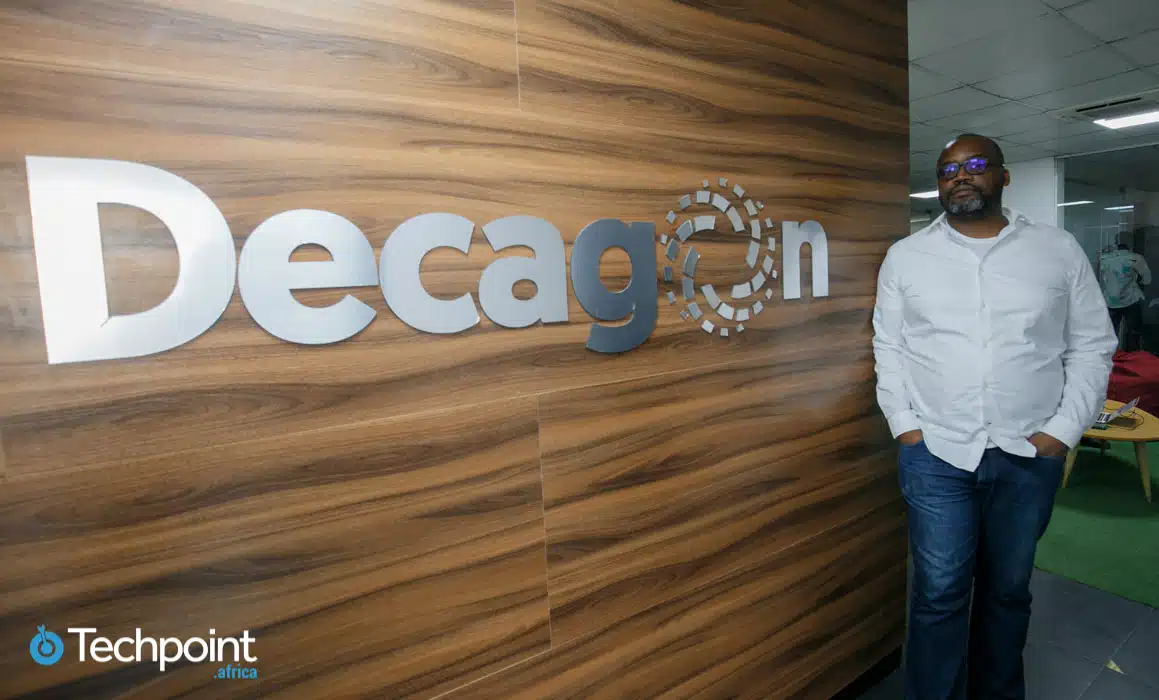
After facing high loan defaults, Decagon, a Nigerian tech training institute, is pivoting from tech education to helping students secure admission into international master’s programmes.

AltSchool Africa now has a partnership with two of the largest crypto exchanges in the world, Binance and ByBit to offer scholarships to Africans. While the Binance deal exempted Nigerians, the Bybit scholarship is open to all Africans.
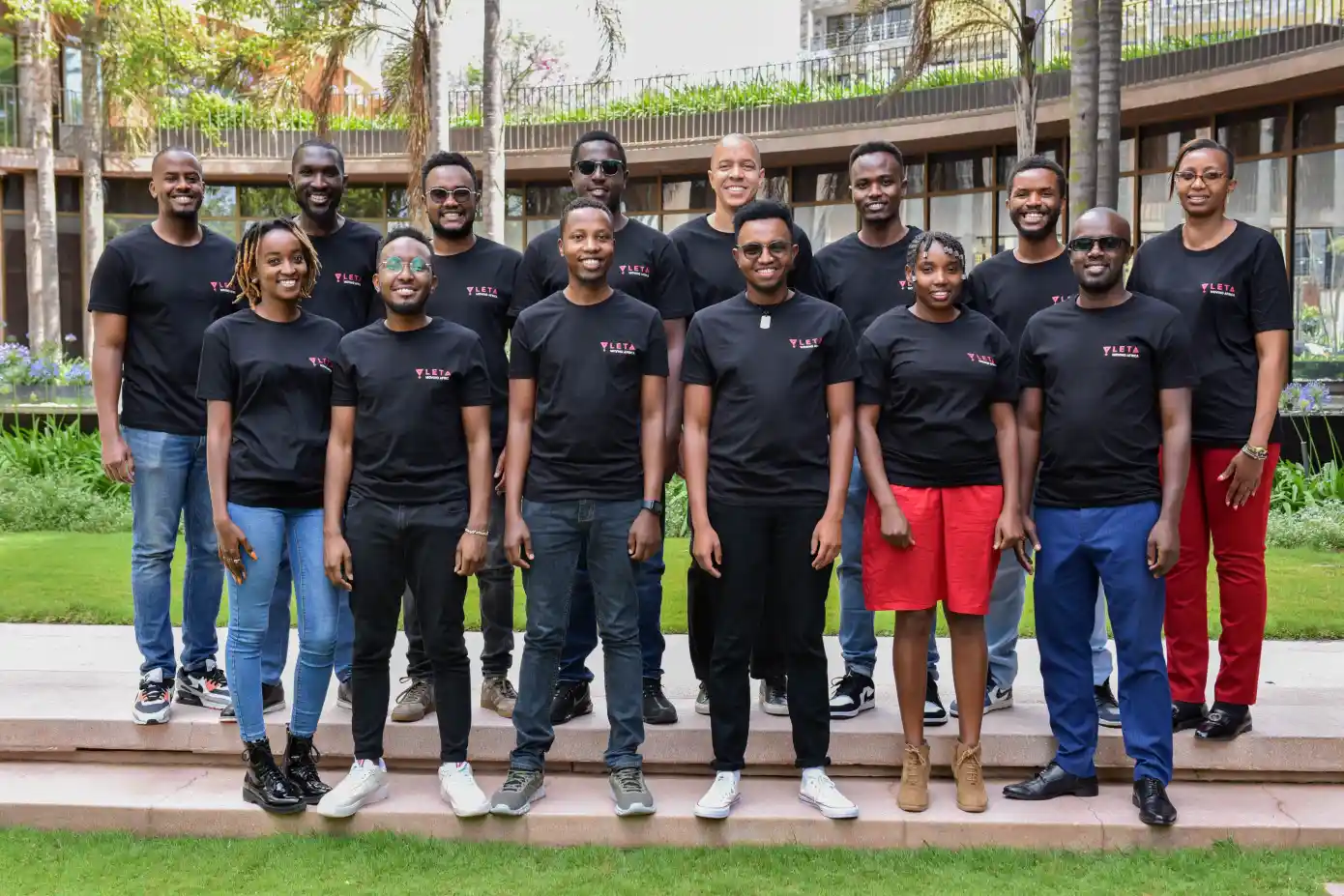
Leta, a Kenyan logistics startup, has raised $5 million in seed funding to enhance its AI-driven platform that aims to make the transportation of goods more cost-effective and efficient across Africa.

Vendease restructures employee pay with a performance-based system and shifts focus to software solutions, aiming for profitability while phasing out logistics operations.

Blueroomcare, a mental healthcare platform offering insurance-covered therapy, has partnered with EHA Clinics to offer in-person mental health services to Nigerians.

In just one year of operation, this Nigerian ‘OnlyFans’ has paid out over ₦1 billion to adult content creators. Now, the platform is gearing up for a pan-African expansion.

Nigeria is launching a $40 million Startup Seed Fund to boost early-stage ventures. Half the funding comes from Japan’s JICA, matched by Nigeria’s NSIA.

Industry experts believe that AI powered credit scoring can aid loan financing for startups, especially women-led startups in Africa.

Equator has raised a $55 million fund to support early-stage climate tech startups in Africa, focusing on energy, agriculture, and mobility. The investment aims to bridge funding gaps and drive sustainable innovation.

Danjuma Mohammed created a product that allows online shoppers visualise products in their personal space before buying and it made $558,000 in 2024. In this article, he talks about the target market and business model.

d.light has been selected for the DARES programme, aiming to provide renewable energy to 17.5 million Nigerians, with plans for solar mini-grids and standalone systems impacting millions of households.

After optimising its operations to reduce dependence on manual processes, Chowdeck is laying off 68% of its contract staff. The company is also planning a beta launch in Ghana.

Rising infrastructure costs are forcing African startups to reevaluate their expenses and Nigerian startup, Okra is counting on that to boost the adoption of its cloud services.

Kenyan startups raised more funding in Africa for the second consecutive year, surpassing startup powerhouses like Nigeria and South Africa. Experts have been attributing this rise to some key factors driving this trend.
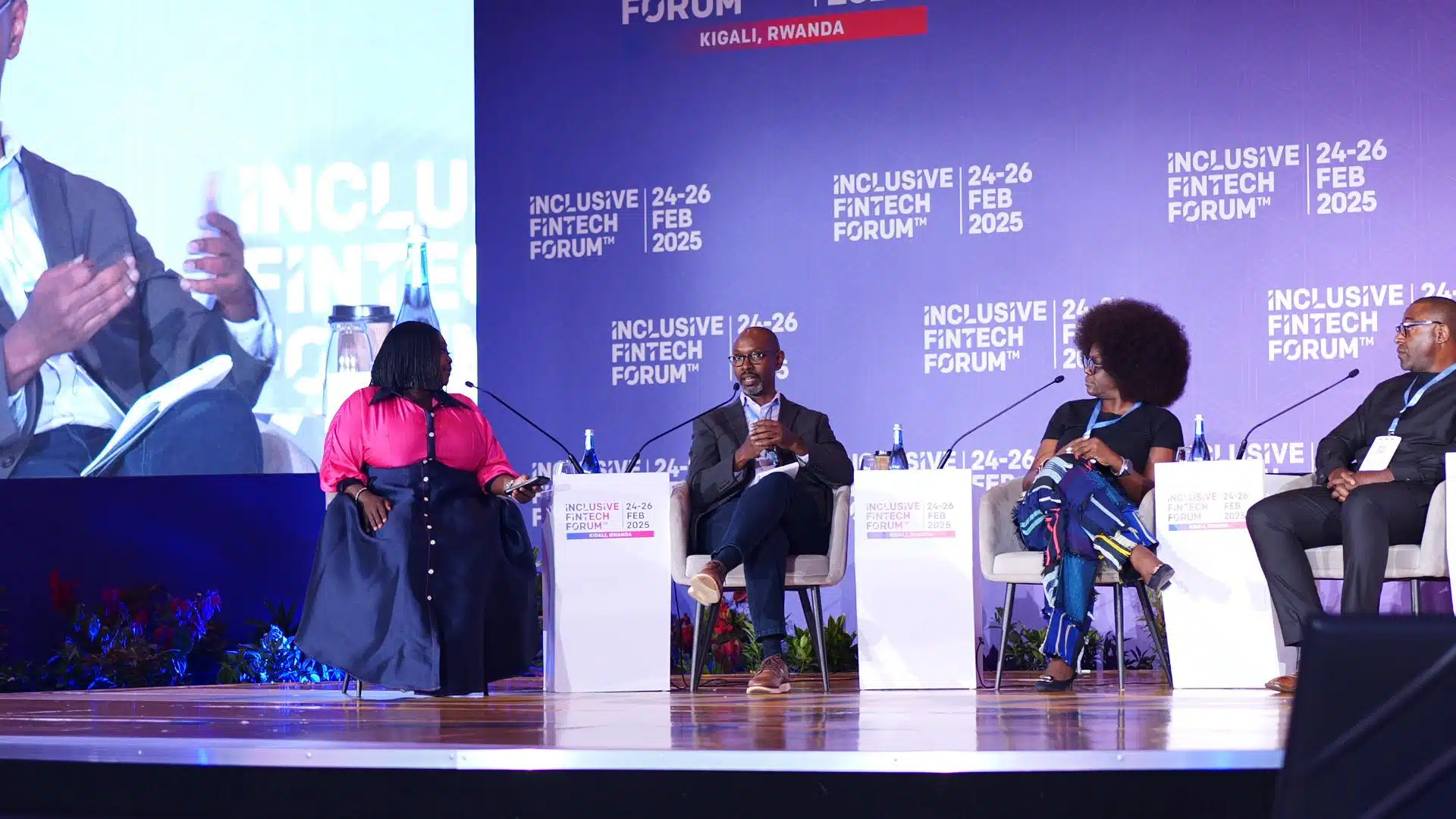
Is an African IPO worth it? Investors in entities like Maven Records and Smile Identity share insights on African IPOs its viability and what it takes.

Gozem has secured $30 million to expand vehicle financing and digital banking in Francophone Africa. The funding will boost vehicle ownership for its drivers and grow its super app services.

Former Leatherback CEO, Ibrahim Ibitade has started a new cross-boder payments company months after stepping down. Ibitade said in October 2024, that he stepped down as CEO to start a family, but his return to the startup scene with a competing platform raises questions.

AHOY invests $3 million in Qme, an Egyptian SaaS startup, to revolutionise customer experience in Africa with AI-driven booking solutions.