


Governance & Policy
Regulations, laws, directives and policies, that affect African startups, the financial sector, telecoms, cyber security, among others. It’s unpredictable nature either enables, stifles or is neutral on innovation


Top stories

The Ugandan government has partnered with the World Bank to provide Internet access to Uganda’s refugee communities. This collaboration will reportedly help over 1.5 million refugees improve their digital and employability skills.

Safaricom and Jamii Telecommunications have partnered with China’s mobile device dealer, Shenzhen, to support the establishment of a low-cost smartphone manufacturing facility in Kenya.

Somalia has taken one more step towards improving digital payments with the launch of a QR code standard.
Pesapal’s attempt to have a $1.65 million tax charge dismissed has failed after a Kenyan tribunal struck out its appeal.

Several banks and institutions in Nigeria have paid over N200 million to the Federal Government as penalties for violating the data privacy of Nigerian citizens.

As part of ongoing reforms at the Central Bank of Nigeria, domiciliary account holders can now withdraw up to $10,000 daily.
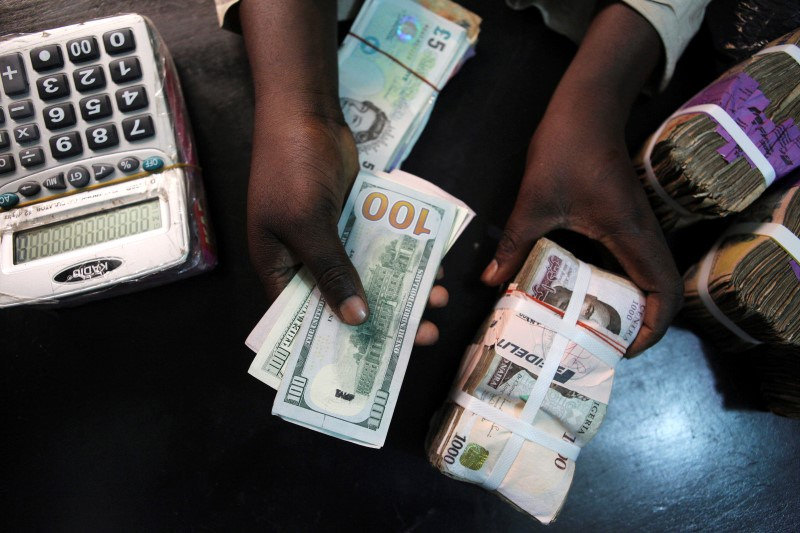
We’ve seen explainers on the CBN’s naira float, so it’s time to start asking questions. The apex bank floated the naira in 2016, and it failed woefully. What happened then, and how’s the 2023 iteration going to be different?

Every day, companies around the Internet collect data on Nigerians with little to no safety precautions. That is about to change as Nigeria’s President signs a data protection bill into law. Here are some key highlights companies and individuals will find interesting.

Nigeria has floated the naira, so banks and other forex players can now trade freely. Official exchange rates have fallen to a historic ₦664/$1. Here’s what the naira float means for you, your bank, and your fintechs

President Bola Ahmed Tinubu, has signed the student loan bill into law, to provide interest-free loans for Nigerian students. We answer 12 burning questions about how the loan works and how you could help.

Godwin Emefiele is the second longest-running Governor, serving since 2014. However, his nine-year reign might be coming to an end.

Violent protests have erupted in Senegal, and 15 people have been confirmed dead. The government has also shut down the Internet saying hateful messages were being disseminated. However, it is costing the country $300k every hour.
The Central Bank of Nigeria (CBN) has revoked the licence of over 100 microfinance banks for reasons related to not operating according to the guidelines of which their licences were issued.

After reports surfaced about the ten-year expiry date for BVNs, the CBN has come out to deny them. However, a search of the CBN’s BVN FAQ page confirms the existence of a document stating that BVNs will expire after ten years.

The Nigerian government approved the national blockchain policy on May 3, 2023. But what does this mean for the country and why should Nigerians care?

The Kenyan Revenue Authority has indicated an interest in taxing content creators in amendments made to the Finance Bill. Should the amendments be approved by President William Ruto, content creators will pay a 15% withholding tax.

Few days after new fees for ride-hailing users in Ghana came into force, the Driver and Vehicle Licensing Authority (DVLA) of Ghana has instructed ride-hailing companies to stop collecting digital transport fees.
The Central Bank of Nigeria has issued an official statement endorsing the use of old banknotes as legal tender.

Despite a Supreme Court ruling, the CBN’s silence over the status of old naira notes means many Nigerians remain stranded.