


eCommerce
Techpoint Africa covers African eCommerce startups and their journey, headlining their struggles, successes and breakthroughs.


Top stories

Founded in 2017, YDS helps Nigerians easily access products from brands they love. Led by Surayyah Ahmad, the startup is bringing offline stores online so customers can pay for products in instalments without interest.

Nigerian fintech startup, Flutterwave has launched Flutterwave Store to bring more small businesses online. The platform will be available in 15 African countries including Ghana, Kenya, Nigeria and South Africa.

After exiting a few countries towards the end of last year, and with its fashion line temporarily suspending deliveries due to the lockdown, Jumia expands its e-commerce operations to keep operations alive in South Africa.

Roughly a year after its IPO in 2019, Africa’s largest eCommerce platform, Jumia, looks set for another phase as its parent company, Rocket Internet, sells off its remaining shares in the firm.

The Lagos State Environmental Protection Agency recently announced sealing off a Jumia warehouse in Lagos, but insider sources reveal that it has since been unsealed and essential items are still being delivered.

In the wake of the COVID-19 pandemic, the Kenyan Association of Manufacturers has launched an online shopping portal for locally manufactured goods and raw materials, in order to forestall disruptions in distribution.

JumiaPay hits $135 million as losses continue to soar: Highlights from Jumia’s 2019 financial report
Africa’s largest eCommerce platform, Jumia, has announced its financial results for Q4 2019 and full year 2019, where it reported a loss of 61.1 million, accompanied by encouraging numbers on its e-payment platform

How recent activities by Jiji and insights from its co-founder/CEO point to the fact that there are still prospects for the classifieds space in Africa.

Unlike its media-savvy and VC-backed counterparts in Nigeria, GIG Logistics has maintained a relatively low profile in the online space. But it has a bigger impact on the eCommerce industry than you might imagine.
Just a few weeks after closing its eCommerce businesses in Tanzania and Cameroon, and laying off staff in Kenya, Jumia will stop handling the operations of one of its subsidiaries, Jumia Travel.

Having witnessed its struggles over the years, current trends and insights from industry players suggest a hands-on approach to the online sale of groceries could be the missing piece in the Nigerian e-commerce puzzle.

Comments from Jumia Co-CEO, Sacha Poignonnec, point to the notion that Jumia is positioning its payment system, JumiaPay, as a key part of the company’s future.

Techpoint had a discussion with Saudat Salami, founder of Easyshop Easycook to understand the specific problem and potential of Nigeria’s online grocery sector.

We learnt that Jumia Pay and Jumia Logistics are going solo among other things at the company’s Q2 2019 results presentation.
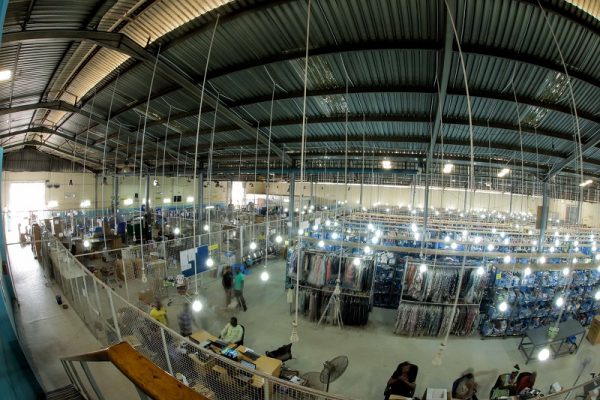
Following the imminent shut down of his company’s eCommerce operations, Gloo founder and CEO, Olumide Olusanya claims that there’s no strong need for eCommerce in the Sub-Saharan Africa region.

Headlining the eCommerce narrative in Nigeria are stories of leading companies marred by struggles of online payment infrastructure, poor road networks that complicate logistics and a slow pace of customer base growth. But Foodlocker, a startup in Ibadan, may have figured the solution to these problems.

Payporte CEO, Eyo Bassey talks about the company’s new business model while also commenting on the Nigerian eCommerce space

Former major stakeholder in Konga, Naspers recently stated losing $38 million for selling its 50.9% stake in the eCommerce company earlier in the year. This gives us a reasonable idea what the acquisition was worth.

Mart.NG ships fresh fruits, vegetables, hot foods, beverages and other household items to Abuja residents, with a promise to deliver in 59 minutes. But there’s a catch.

Barely 7 months after cancelling it, Konga.com recently announced the reintroduction of the Pay on Delivery option on its online store. What could this mean for the future of the controversial payment model in the Nigerian eCommerce space?