



Szia,
Victoria from Techpoint here,
Here’s what I’ve got for you today:
- Amazon brings Prime to SA for less than $4 a month
- Bolt targets criminal use of its delivery network
- Bank of Uganda caps cash withdrawals
Amazon brings Prime to SA for less than $4 a month

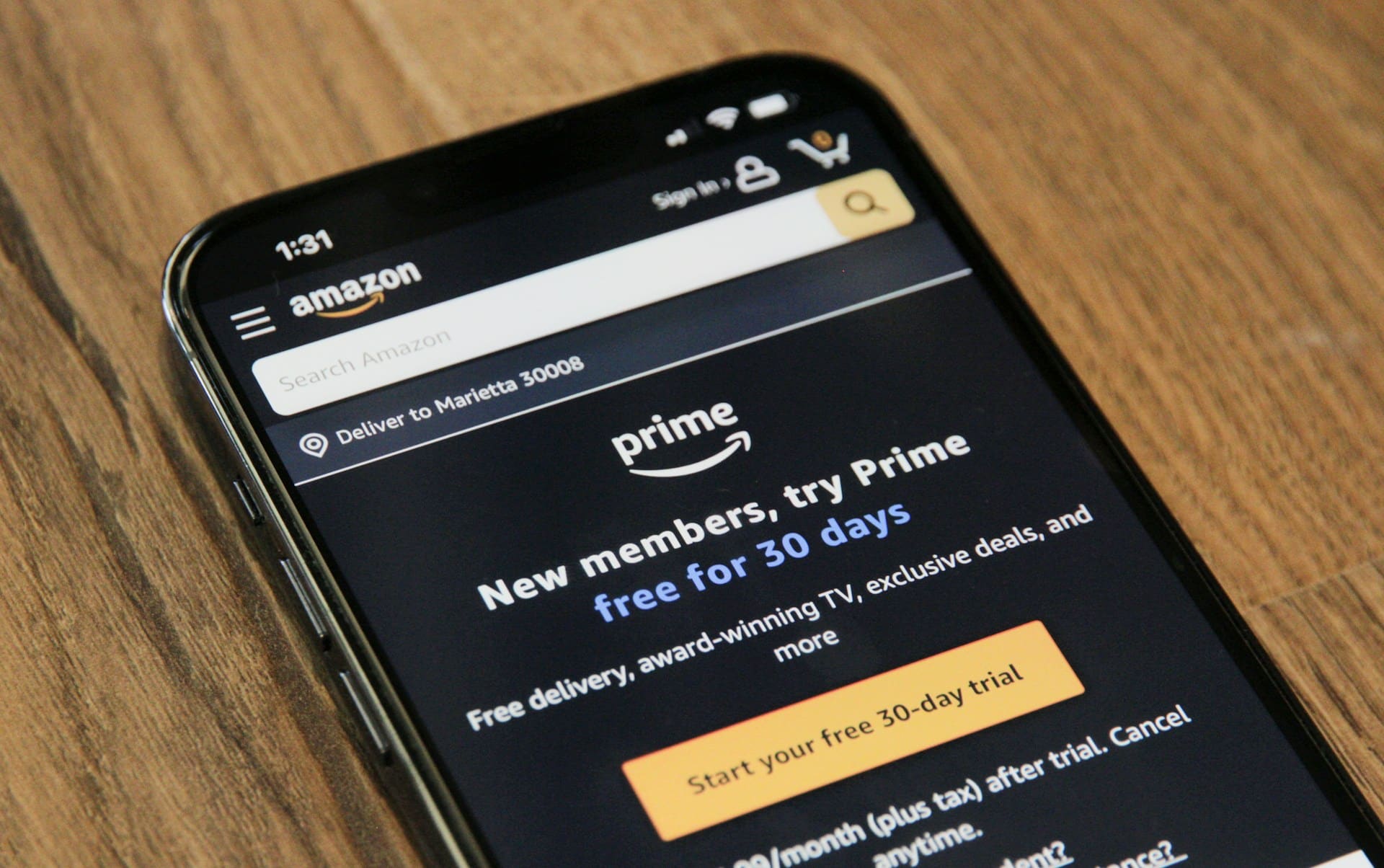
Word on the street is that Amazon has officially launched its Prime membership service in South Africa, giving shoppers access to faster deliveries, entertainment benefits and exclusive deals for R59 ($3.61) a month or R399 a year. The move, announced on June 3, marks the latest step in Amazon’s effort to deepen its presence in Africa’s most developed eCommerce market and build a loyal customer base around its subscription ecosystem.
The launch is significant because Prime is far more than a delivery service. Globally, Prime has become one of Amazon’s most powerful customer-retention tools, bundling shopping perks with streaming and digital content. Bringing that model to South Africa signals that Amazon believes its local operation has reached a stage where it can start building recurring subscription revenue rather than simply chasing marketplace growth. The timing is notable too, with Prime Day sales scheduled later this month, June 23-29, giving South African members immediate access to one of Amazon’s biggest annual shopping events.
For South Africans, Amazon Prime is designed to make life a bit easier by bundling shopping, entertainment and gaming benefits into one subscription. Members get faster deliveries, access to Prime Video and special deals during major sales events. For Amazon, it’s a way to keep customers coming back instead of shopping with rivals or subscribing to other streaming platforms. The launch also shows Amazon is stepping up its challenge to Takealot in online retail, while at the same time taking on streaming giants like Netflix and Canal+, which, on June 3, became the first French company to list on the Johannesburg Stock Exchange after completing its acquisition of MultiChoice. In short, Amazon is no longer just trying to sell products in South Africa but is trying to become a bigger part of consumers’ everyday digital lives.
The move also intensifies competition in South Africa’s online retail sector. Amazon only entered the market in May 2024, launching its local shopping platform and challenging the dominant player, Takealot. Since then, the company has steadily expanded its footprint, adding new product categories such as groceries, pet supplies and health supplements in June 2025, while opening a seller support centre in Cape Town earlier that year to attract more merchants onto its platform.
The Prime launch is the culmination of Amazon’s gradual expansion in South Africa since entering the market in 2024. Over the past two years, the company has focused on growing its product range, improving deliveries and attracting more sellers to its platform. By introducing Prime, Amazon is signalling that it sees South Africa as a long-term growth market and wants to build a deeper relationship with customers through a broader ecosystem of shopping and entertainment services. The move also comes as Amazon ramps up its global Prime strategy, positioning South Africa as an important foothold in its push for Africa’s next generation of digital consumers.
Bolt targets criminal use of its delivery network

Bolt has issued a strong warning to users of Bolt Send in Nigeria: if you’re caught using the platform to move drugs, weapons, toxic chemicals, flammable materials, or any other illegal items, your account will be permanently banned and reported to law enforcement. The company also reminded customers that packages worth more than ₦50,000 exceed the platform’s insurance coverage and should not be sent through the service. Bolt says Bolt Send is intended for everyday deliveries such as documents, clothing, small gifts, forgotten items, and business packages weighing less than 25KG.
The warning stands out because it goes beyond the usual fine print buried in terms and conditions. In a public statement signed by West Africa Senior General Manager Teddy Appah-Dankyi, Bolt made it clear that it will cooperate with authorities when illegal activity is detected. The company also emphasised that customers share responsibility for ensuring their packages comply with platform rules, effectively putting users on notice before the next major enforcement case emerges.
The move comes after a series of incidents that have exposed how delivery platforms can be exploited by criminals. In February 2026, Nigerian police warned dispatch riders and e-hailing drivers against transporting packages without knowing their contents. The warning followed the arrest of a driver in Delta State who was unknowingly carrying 400 rounds of live ammunition hidden inside a package described as containing padlocks. Cases like that have highlighted how on-demand delivery services can be used to move contraband while leaving riders exposed to legal trouble.
The problem is bigger than a few isolated incidents. Drug enforcement agencies continue to report major seizures across the country, while logistics companies have increasingly appeared in investigations as delivery points for illicit substances. In many cases, the courier firms themselves are not accused of wrongdoing, but criminals are taking advantage of the speed, convenience, and anonymity that modern delivery networks provide. As services like Bolt Send continue to grow, the pressure on platforms to prevent misuse is increasing.
More broadly, Bolt’s announcement reflects a growing shift across Nigeria’s digital economy. As ride-hailing, food delivery, and logistics platforms become a larger part of everyday life, regulators, users, and law enforcement agencies are demanding more accountability from the companies that run them. For Bolt, the warning is about protecting riders, reducing legal risks, and showing authorities that it is taking the issue seriously. Whether that translates into stronger enforcement behind the scenes remains to be seen, but the company is making it clear that ignorance will no longer be an acceptable excuse.
Bank of Uganda caps cash withdrawals

If you’re the kind of person in Uganda who likes walking into a bank and withdrawing huge amounts of cash, the country’s central bank has some news for you. Starting January 1, 2027, the Bank of Uganda will introduce limits on over-the-counter cash withdrawals, effectively ending the era of unlimited cash access at bank branches. Individuals will be capped at Shs50 million per day and Shs250 million per week, while businesses will face limits of Shs500 million daily and Shs2.5 billion weekly. The central bank is also cutting cheque limits across multiple currencies by half, pushing more transactions toward digital channels.
On paper, the move is about accelerating Uganda’s shift toward a digital economy. In reality, it also arrives at a time when public attention has been focused on reports of government officials and politically connected figures withdrawing hundreds of millions of shillings in cash from banks. By making very large cash withdrawals more difficult and encouraging electronic transfers instead, the new rules create a digital trail that is far easier for regulators and investigators to track. The policy doesn’t eliminate corruption, but it makes conducting large transactions entirely in cash much harder than before.
For most Ugandans, the new limits will likely have little impact. The country is already moving rapidly toward digital payments. Mobile money transactions, online banking, and electronic transfers have become a normal part of daily life, with millions of Ugandans using mobile money services every month. The people most likely to feel the change are large businesses, wealthy individuals, and sectors where high-value cash transactions remain common, including real estate, wholesale trade, and some parts of the informal economy.
The announcement is also the latest step in a strategy that has been years in the making. Since at least 2019, the Bank of Uganda has been promoting electronic payments, expanding agent banking, supporting mobile money growth, and encouraging interoperability across financial platforms. The decision to slash cheque limits is particularly significant because it nudges businesses away from paper-based payments and toward systems such as electronic funds transfers and RTGS, which leave clear and searchable transaction records.
The bigger picture is that Uganda is joining a growing list of African countries using cash restrictions to promote financial transparency and digital adoption. Central banks across the continent are increasingly viewing cash-heavy economies as obstacles to tax collection, anti-corruption efforts, and financial inclusion goals. The challenge now is ensuring legitimate businesses that still depend heavily on cash can adapt before the rules take effect. The Bank of Uganda has given the market seven months to prepare. Whether that transition feels like modernisation or disruption will depend largely on how banks, businesses, and consumers respond over the coming months.
In case you missed it
- Filming in public: What happens when content creation collides with privacy rights?
What I’m watching
- The Fleeting Euphoria of Success | Debbie Millman | TED
- Your biggest life decisions can’t be made rationally | L.A. Paul: Full Interview
Opportunities
- inDrive is hiring to fill several vacancies in different countries. Apply here.
- Are you a female-led tech or tech-enabled business preparing for sustainable growth and opportunity to access capital? Apply for the Female Founders Growth Programme and grab up to $2 million. Apply here.
- Bamboo is hiring in Ghana and Nigeria. Apply here.
- Cowrywise is recruiting some engineers. Apply here.
- PiggyVest is looking for a Product Technical Manager. Apply here.
- Paystack is hiring for a few roles. Apply here.
- Qore is hiring for several roles. Apply here.
- Moniepoint is recruiting for several roles. Apply here.
- Flutterwave is hiring for several roles in Nigeria, the UK, and the US. Apply here.
- As one of Techpoint Africa’s most engaged readers, you have a direct hand in shaping what we publish next. Take our quick, 3-minute survey to tell us the stories and features you value most. Your responses are anonymous, and your feedback will help guide our editorial focus in the months ahead. Fill the survey here.
- Moniepoint is hiring for over 100 roles. Apply here.
- To pitch your startup or product to a live audience, check out this link.
- Follow Techpoint Africa’s WhatsApp channel to stay on top of the latest trends and news in the African tech space here.
Have a superb Thursday!
Victoria Fakiya for Techpoint Africa