



Ciao,
Victoria from Techpoint here,
Here’s what I’ve got for you today:
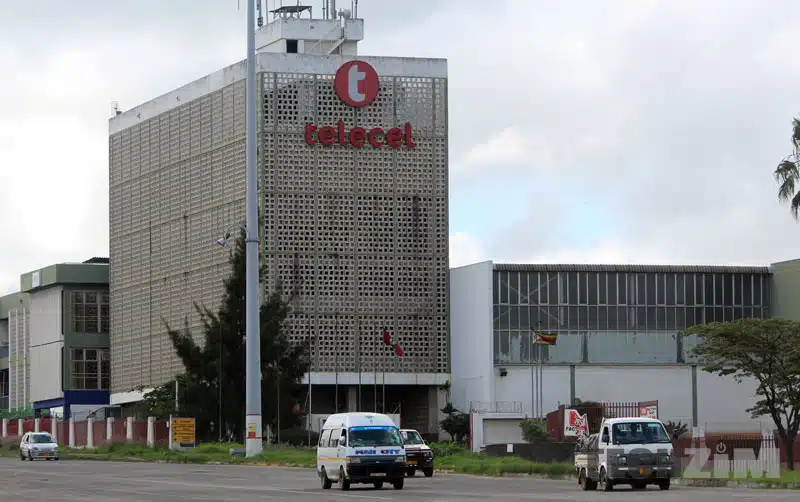
- Telecel Zimbabwe needs $50M to survive
- South Africa drags while Egypt powers Vodacom forward
- R4.17B risk looms over MultiChoice Competition case
Telecel Zimbabwe needs $50M to survive

Remember this? Telecel Zimbabwe goes up for sale under pressure
Telecel Zimbabwe is effectively on the clock, and the message from its rescue managers is blunt: the company needs about $50 million or it risks disappearing entirely. Grant Thornton, which is overseeing the corporate rescue process, has opened the door to investors and is currently shopping the telecom operator to anyone willing to take on a high-risk turnaround. The problem is that this isn’t just a funding gap; it’s a full-blown balance sheet crisis, with debts sitting at roughly $240 million.
On the surface, Telecel still looks like a functioning mobile operator, but the numbers tell a different story. It has just over 300,000 active subscribers left, a fraction of the market it once competed in seriously. Its infrastructure footprint has also lagged badly behind rivals, with a small LTE rollout and no 5G presence at all. In a market increasingly defined by data demand and network quality, that kind of gap is brutal.
Still, Telecel isn’t completely without value. It operates more than a thousand base stations spread across urban and rural Zimbabwe, which means its network still physically touches communities that other operators don’t always reach as deeply. Then there’s Telecash, its mobile money platform, which may actually be the most attractive asset in the entire business given how central mobile payments have become across Africa.
The bigger fear for consumers is what happens if no buyer steps in. Zimbabwe could end up with just two major mobile operators — the dominant Econet Wireless and state-owned NetOne — creating a tight duopoly. In telecom markets like this, fewer players often means less price pressure and weaker incentives to improve service, especially outside major cities.
Telecel’s collapse didn’t happen overnight. The roots go back years, tied to ownership disputes, policy shifts around indigenisation, and a long stretch of underinvestment after foreign backing effectively dried up. A controversial government-linked buyout process in the mid-2010s only added more instability, and since then the company has steadily lost subscribers while failing to modernise its network in any meaningful way.
The formal breaking point came in late 2025 when the company entered voluntary corporate rescue under Zimbabwe’s insolvency framework, bringing in Grant Thornton to try and stabilise and restructure it. Since then, the hunt for investors has become the central storyline. Now, with bids being actively sought and time running short, the question is simple: does Telecel find a deep-pocketed turnaround buyer, or does Zimbabwe quietly lose its third mobile operator?
South Africa drags while Egypt powers Vodacom forward

Vodacom came out with its earnings preview on May 5, 2026, and on the surface it looks like a strong set of numbers. The group is guiding headline earnings per share (HEPS) up between 20% and 25% to between 1,028c and 1,071c for the year to March 2026, compared to 857c the year before. The market liked what it saw, shares were up about 3% by mid-morning, and fund manager Mike Gresty at Anchor Capital called it a “solid beat” against expectations. But there’s already a caveat: the prior-year base was unusually weak, which flatters the growth rate.
That detail matters because it changes how you read the headline. Yes, Vodacom is growing, but part of that growth is simply arithmetic: last year had one-off hits that dragged earnings down. Strip that out and the jump doesn’t look quite as dramatic. It’s still a decent operational performance, but not necessarily the kind of structural leap the headline percentage might suggest at first glance. Full results are due on May 11, where the finer detail will matter more than the preview.
Geographically, the story is increasingly being written outside South Africa. Egypt is doing the heavy lifting right now, with strong operational momentum and, crucially, more stable currency conditions than in previous years. That’s a big shift, not long ago, currency volatility in Egypt was a major drag on Vodacom’s rand-reported earnings. Now it’s the opposite, with Egypt’s growth feeding directly into group performance in a meaningful way.
The numbers out of Egypt are hard to ignore. Service revenue there grew sharply in local currency terms, and financial services, especially Vodafone Cash, surged by more than 60%. Across the broader group, Vodacom processed over $450 billion in mobile money transactions in FY2025, and its financial services customer base has ballooned to nearly 88 million. It’s clear the company is no longer just selling airtime and data; fintech is now a core engine of growth.
South Africa, though, is the pressure point. Analysts say prepaid market share has been slipping to competitors, including Telkom and virtual network operators, and overall revenue growth at home has been underwhelming. It’s not collapsing, but it is lagging the rest of the group, which makes the international story feel even more dominant. For investors, any sign of improvement in South Africa will be one of the key things to watch when full results land.
Zooming out, Vodacom is in the middle of a much bigger transformation under its Vision 2030 strategy. The company is aiming for 260 million customers, 120 million financial services users, and R200 billion in revenue by the end of the decade. Recent moves, like regulatory approval for its stake in Maziv and ongoing plans around Safaricom consolidation, point to a business that is increasingly a pan-African telecoms-and-fintech hybrid rather than a traditional South African operator. The message from this trading update is less about one quarter’s performance and more about a company leaning hard into Africa’s growth story, even as its home market struggles to keep pace.
R4.17B risk looms over MultiChoice Competition case

Remember this? Why a 2014 deal is haunting MultiChoice in 2026
Yesterday, May 5, MultiChoice responded quickly after South Africa’s Competition Commission referred it, along with Altech UEC, to the Competition Tribunal over an alleged 2014 market-sharing deal. In its statement to ITWeb, MultiChoice pushed back hard, saying the issue relates to an old supply agreement for set-top boxes that ended back in 2015 and insisting it did nothing illegal. The company said it was reviewing the referral and would respond properly within the legal timelines.
Meanwhile, Altron, which owned Altech at the time of the alleged 2014 deal before selling it to Chinese-owned Skyblu Technologies in 2019, took a noticeably calmer and more cooperative approach. It confirmed awareness of the referral and stressed that it has always acted legally and ethically, adding that it fully cooperated with investigators and is ready to take part in tribunal proceedings. The contrast in tone between the two companies was hard to miss; one defensive and firm, the other measured and procedural.
The potential stakes are significant. The Competition Commission is seeking penalties of up to 10% of South African revenue, which could translate into roughly R4.17 billion for MultiChoice based on recent figures. That lands at a difficult moment for the company, which is still integrating its Canal+ ownership, dealing with restructuring pressures, and preparing for a JSE relisting scheduled for June 3, 2026. The legal exposure now sits alongside broader operational and strategic turbulence.
At the centre of the regulator’s case is a claim that the 2014 agreement may have limited competition in the pay-TV ecosystem by effectively locking Altech into a supplier role rather than allowing it to compete directly. The most scrutinised example is the Altech Node, a satellite-connected device launched later that year, which was positioned cautiously by its own executives and ultimately failed commercially, posting heavy losses before being discontinued in 2015. Whether that failure reflects market reality or a suppressed competitive attempt is now a key question for the Tribunal.
The timeline stretching back more than a decade adds weight to the case. The alleged agreement took place in early 2014, the Node was launched months later, and by 2015, it was already shut down with refunds issued to subscribers. Altech was eventually sold off in 2019, while MultiChoice itself was acquired by Canal+ in 2025 and delisted from the JSE. By 2026, the Competition Commission had escalated the matter into formal prosecution, while also opening a separate investigation into MultiChoice’s recent decision to shut down Showmax.
What emerges is a broader picture of a company under multiple layers of regulatory scrutiny at a pivotal moment in its ownership cycle. Canal+ now finds itself managing not only integration costs and strategic restructuring, but also legacy legal exposure tied to conduct that predates its acquisition entirely. The Tribunal, however, is not concerned with who owns MultiChoice today; only with whether competition was restricted in 2014 and whether that conduct warrants a significant financial penalty years later.
In case you missed it
- Inside Wimbart at 10: Jessica Hope on telling Africa’s tech stories
What I’m watching
- You’ve Been Hurting Your Back Your Whole Life
- Medieval Sex According To Eleanor Janega
Opportunities
- Moniepoint is recruiting for several roles. Apply here.
- Flutterwave is hiring for several roles in Nigeria, the UK, and the US. Apply here.
- ABDS 2026 will take place April 29–30, 2026, in Lagos, gathering founders, investors, developers, and policymakers shaping Africa’s blockchain and Web3 ecosystem. The summit focuses on industry insights, partnerships, and investment opportunities in one of the world’s fastest-growing crypto markets. Secure your pass or sponsorship here.
- As one of Techpoint Africa’s most engaged readers, you have a direct hand in shaping what we publish next. Take our quick, 3-minute survey to tell us the stories and features you value most. Your responses are anonymous, and your feedback will help guide our editorial focus in the months ahead. Fill the survey here.
- Moniepoint is hiring for over 100 roles. Apply here.
- Building a startup can feel isolating, but with Equity Merchants CommunityConnect? You can network with fellow founders, experts, and investors, gaining valuable insights and exclusive resources to help you grow your business. Click here to join.
- To pitch your startup or product to a live audience, check out this link.
- Follow Techpoint Africa’s WhatsApp channel to stay on top of the latest trends and news in the African tech space here.
Have a wonderful Wednesday!
Victoria Fakiya for Techpoint Africa