



GoLemon, the Lagos grocery delivery startup that sold bulk household shopping at below-supermarket prices, has stopped accepting orders and is winding down its operations. The company announced the closure on Wednesday, saying it could not raise additional money in time to keep the business running.
It could not find “a sustainable path forward within the time available”, the company said in its shutdown notice, after two years of operating in Lagos.
Customers can no longer place orders. GoLemon says outstanding refunds have been settled, and its support team will remain reachable via in-app live chat until Sunday, August 2. Farmers, suppliers, and other business partners have been pointed to a separate company email address for unresolved matters.
The company says it completed tens of thousands of deliveries across Lagos and built its ordering and fulfilment software in-house. Around 20% of its staff have already secured new roles, and it has asked companies hiring in fulfilment operations, engineering, product, growth, customer support, and finance to get in touch so it can make introductions for the rest of the team.
The model it was betting on
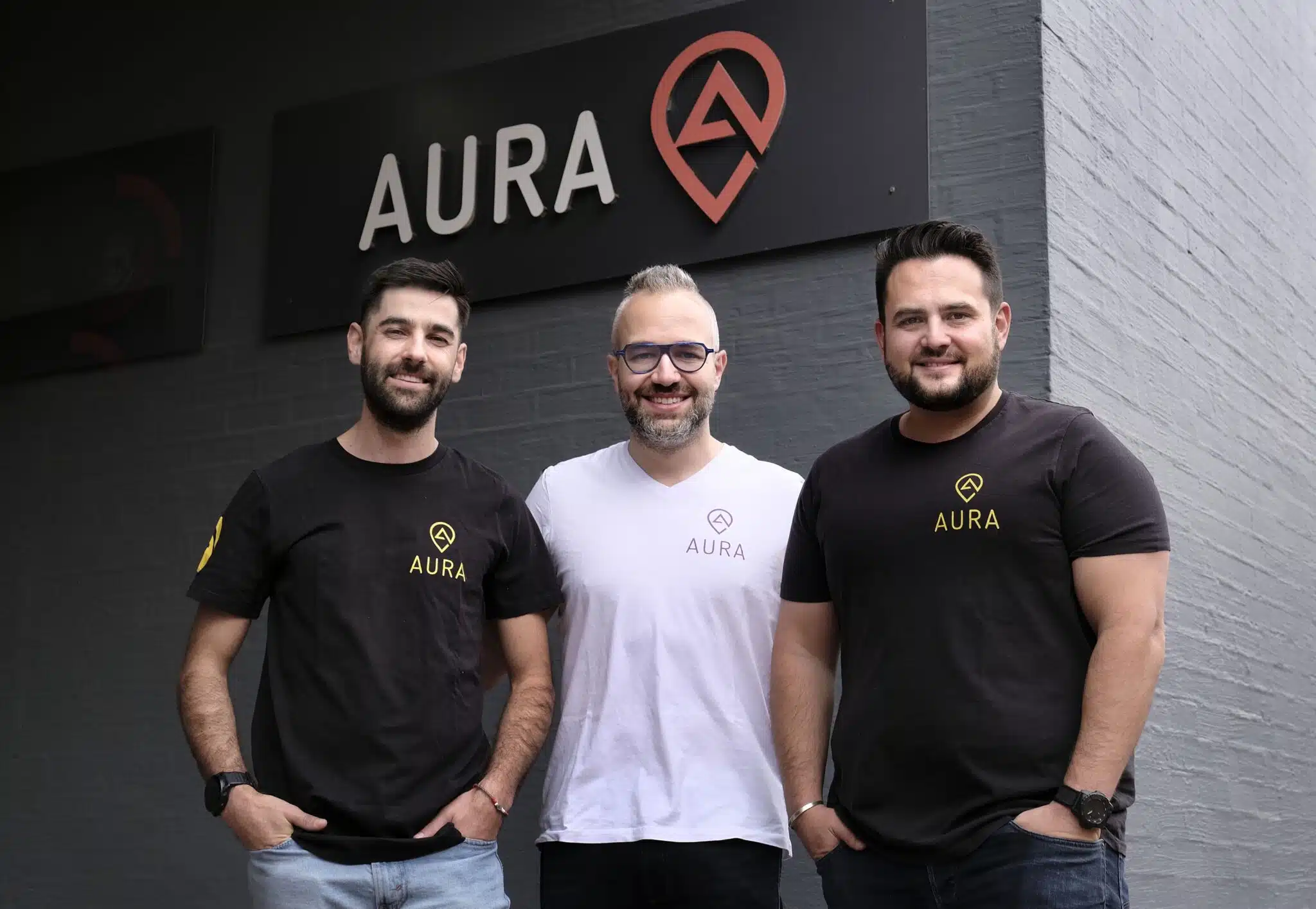
GoLemon was founded by four former senior managers at Paystack and launched in 2024, entering a crowded Lagos delivery market already dominated by well-funded rivals. Rather than resell from supermarkets, it managed its own inventory and fulfilment centres, sourcing in bulk directly from farmers and fast-moving consumer goods manufacturers to keep prices down.
That structure produced a deliberate trade-off. Where competitors sold speed, GoLemon sold price and quality, with orders arriving a day or two after purchase and the business designed around large, repeat baskets rather than urgent top-ups.
Owning inventory and fulfilment is the expensive way to run grocery delivery. It gives a company control over quality and margin, but it ties up cash in stock, storage, and staff long before order volumes are large enough to carry those costs.
The Chowdeck deal, and what came after
In December 2025, GoLemon signed a supply partnership with Chowdeck that placed a selection of its products inside the faster delivery app. Both companies framed it as a way to serve two shopping modes, the planned monthly shop and the urgent top-up, without either giving up what it did well.
Chimgozirim Nwokoma argued at the time, for Techpoint Africa, that the arrangement carried a quieter risk. By making its products available on a platform customers already opened several times a week, GoLemon stood to become a supplier inside someone else’s ecosystem rather than a destination in its own right, surrendering the habit that keeps a consumer brand alive.

Victoria Fakiya – Senior Writer
Techpoint Digest
Make your startup impossible to overlook
Discover the proven system to pitch your startup to the media, and finally get noticed.
Seven months later, the company is closing. The shutdown notice does not connect the two, and points only to funding as the reason operations could not continue.
The closure takes something off Chowdeck’s side of the deal as well. Chowdeck has been building out dark stores to push further into groceries and cut delivery times, a strategy that depends on holding packaged stock close to customers. GoLemon was one of the suppliers feeding that push, and it faced pressure in the same category from other grocery-focused startups.
Chowdeck can source elsewhere, but it now does so without the partner it picked in December.
What the closure signals
In early July, the Y Combinator-backed cloud kitchen startup FoodCourt suspended operations after months of financial pressure left it unable to pay staff and suppliers, its last site going quiet in April following a strike by kitchen workers over unpaid wages.
Grocery delivery sits at the difficult end of that market, carrying perishable stock, fulfilment overheads, and Lagos property costs against baskets that customers expect to be cheaper than the market down the road.
GoLemon’s wind-down has been unusually orderly by local standards. Refunds were reportedly cleared before the announcement, a support window was published, supplier and recruitment contact lines were provided, and the reason for closing was stated plainly rather than left to speculation. FoodCourt’s customers, by contrast, found out when the app stopped processing their orders.
The company thanked its customers, suppliers, investors, and staff, and said it would keep working to help former employees find roles over the coming weeks.