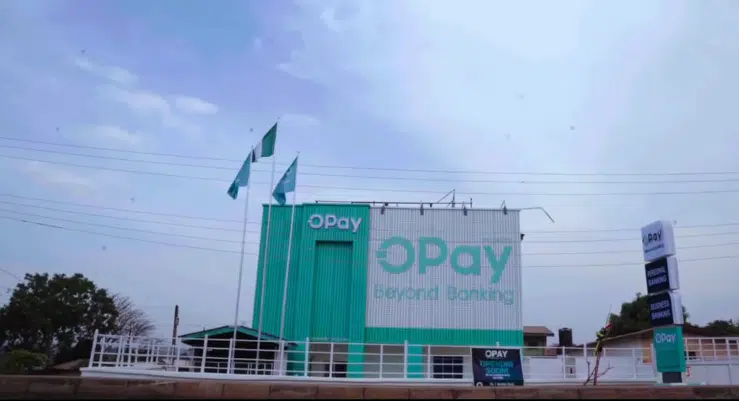





When OPay launched in 2018, it had a clear goal: to dominate the payments space in Nigeria. The company offered ride-hailing (ORide) and food delivery (OFood) services, but ensured that every payment passed through its OPay app. Eight years later, the mission hasn’t changed.
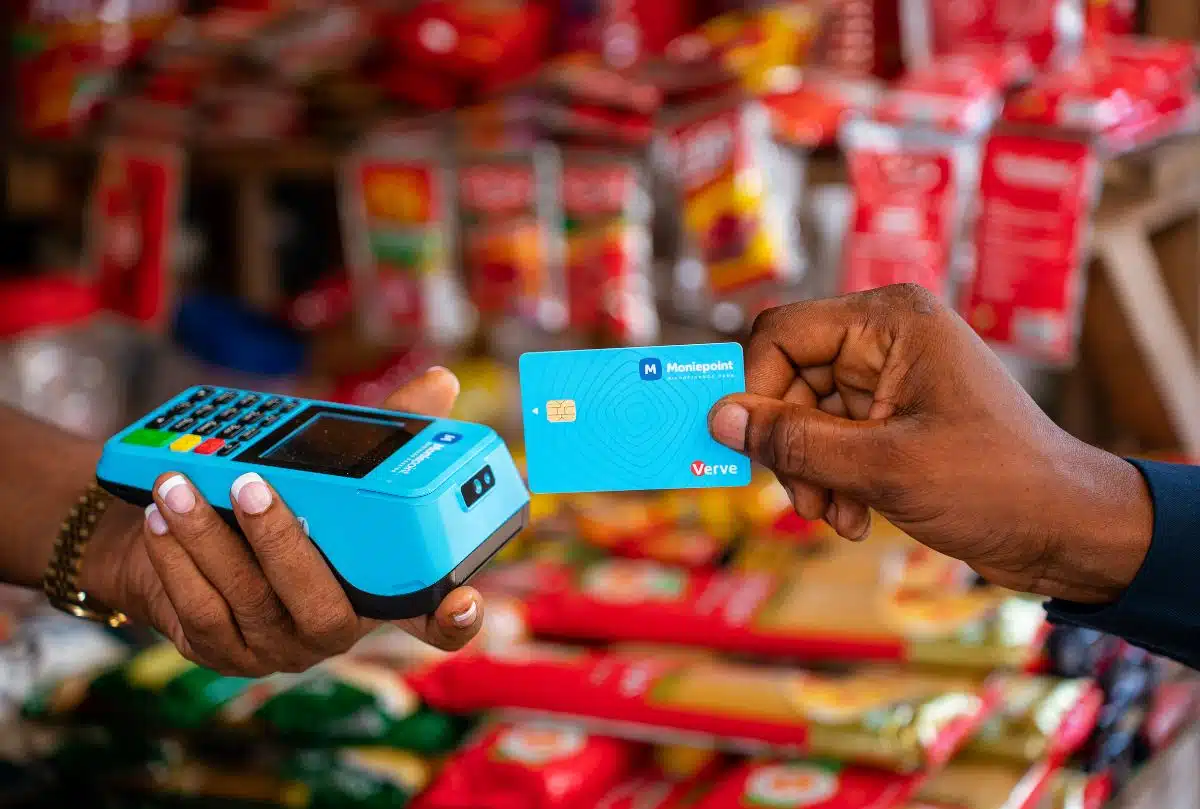
Nigerians will always remember OPay as the fintech that came to the rescue during the epic 2023 cash crunch, when legacy financial institutions struggled to meet the pressing demands that ensued. A report by renowned consulting firm KPMG revealed that about 58% of Nigerians switched to fintechs such as OPay, Palmpay, and Moniepoint.
OPay’s extensive network of Point-of-Sale (POS) agents, coupled with its seamless transfers and zero-transfer fees, helped strengthen the brand’s image.
This singular episode endeared OPay to many Nigerians, especially the millions of unbanked individuals in the informal economy, who now trust the fintech. Following this massive success, OPay is not resting on its laurels and intends to intensify its push to expand its market dominance.
The company’s chief commercial officer, Elizabeth Wang, says the next target for the fintech is to serve one billion users and create one million jobs by 2031.
Can OPay truly reach one billion users?
For context, no single African fintech has attained the one billion user mark. MPESA by Safaricom is the undisputed leader, serving over 70 million customers. OPay’s numbers place it in second place on this list.
Adedeji Olowe, CEO of Lendsqr, is in full agreement.
“Any company doing anything transformational will always have impossible goals,” Olowe notes. “Hard to say it would be impossible or not.”
OPay currently serves 46 million users in Nigeria (according to its own numbers) — roughly 0.23% of Nigeria’s over 200 million population. Outside Nigeria, the fintech has footprints in Egypt, Indonesia, and Pakistan.
OPay’s ambition would likely be more of a pan-African approach and entry into new markets. But there is still an enormous amount of work to do to attain its target within the five-year timeline it has set.
Managing Partner at Assurdly, Unyime Tommy believes OPay stands a chance if it maintains the same aggressiveness, reliability, adaptability, and attention to regulation, and draws on other lessons the fintech has garnered in the Nigeria market.
She sees OPay’s target as a ‘very ambitious target,’ noting that some countries in Northern Africa could be difficult to penetrate because they aren’t very receptive, and the reliance on mobile money (MoMo) in other parts of Africa could also pose a challenge.
“OPay is a household name in funds transfer,” Tommy says. “For the fintech to enter a market like Nigeria and dominate an already advanced fintech market, they can win over their competitors in other markets if they employ the same strategies that worked in Nigeria and adapt as they go.”
OPay’s strategy: Trust, innovation, and customers first
Efficient customer service has been the backbone of OPay’s strategy. The fintech has maintained relevance by focusing solely on identifying users’ pain points and solving them.
Dotun Adekunle, Chief Operating Officer and Chief Technology Officer, affirms that every innovation the fintech has implemented began as a customer’s frustration.
“Where the market said, ‘that’s just how payments work here,’ we treated it as an engineering problem waiting to be solved,” Adekunle explains.
With millions of consumers now relying on mobile wallets instead of cash, this rapid expansion has also led to a rise in fraud, making cybersecurity and fraud prevention national priorities.
Adekunle adds that OPay’s data is localised in Nigeria, resulting in a 99.9% transaction-completion success rate and thereby guaranteeing safer digital payments. Adekunle explains that passwords alone can no longer ensure fraud prevention; modern financial security now combines several intelligent verification systems that work together.
OPay’s facial verification is automatically triggered when unusual activities occur, such as high-value transactions, payments from unfamiliar locations, or transactions attempted at unusual hours.
The company says it has issued over 26 million cards, making it the highest card issuer in the country.
Wang explains that OPay’s long-term investment strategy has always focused on building financial solutions that are safe, stable, efficient, and accessible for everyone—maintaining that financial inclusion cannot succeed without security.
“When people trust digital financial services, they use them more confidently,” Wang notes. “That trust becomes the foundation for economic growth.”
OPay’s 2031 target is a step in the right direction. It’s also important to note that growth comes at a cost: overhead, regulatory concerns, new market penetration costs, cybersecurity threats, and more. If OPay manages to replicate its success in Nigeria in other markets, it might easily attain its one billion-user target.