




Bula,
Victoria from Techpoint here,
Here’s what I’ve got for you today:
- Kenya licenses 25 more digital lenders
- Malawi moves to tighten data protection rules
- Morocco cuts card payment fees
Kenya licenses 25 more digital lenders

Kenya’s digital lending industry just got a lot bigger and a lot more regulated. The Central Bank of Kenya (CBK) has licensed 25 additional Digital Credit Providers (DCPs), bringing the total number of approved digital lenders in the country to 252. Announced on July 14, 2026, the move is part of the regulator’s ongoing effort to clean up Kenya’s booming digital lending market by ensuring only vetted lenders can legally operate.
The latest approvals are good news for borrowers, but they also come with a warning. CBK has reminded Kenyans to borrow only from licensed lenders, saying companies that haven’t received approval are operating outside the law. The regulator introduced mandatory licensing after years of complaints about digital loan apps charging excessive interest rates, mishandling customers’ personal data and using aggressive debt collection tactics. By expanding the list of licensed firms, CBK hopes to improve consumer protection while maintaining access to quick digital credit.
The announcement also highlights just how quickly digital lending has grown in Kenya. As of February 2026, licensed digital lenders had issued about 7.5 million loans worth KSh133.5 billion, covering everything from personal and business loans to education and asset financing. Much of that growth has been driven by Kenya’s mobile-first economy, where millions of people can apply for loans through mobile apps or USSD without visiting a bank branch.
This latest round of licences builds on a regulatory process that began in March 2022, when Kenya started licensing digital lenders under the Digital Credit Providers Regulations. Since then, CBK has received more than 800 applications, approving firms in batches as they meet governance, compliance and consumer protection requirements. Earlier this year, the regulator approved 32 new lenders in April 2026, following another 42 approvals in December 2025, showing that the clean-up of the sector is still ongoing.
Digital lending has expanded financial inclusion by giving people faster access to credit, but it has also exposed consumers to abuse when left unchecked. By steadily increasing the number of licensed lenders while tightening oversight, CBK is signalling that the future of digital credit isn’t just about more loan apps; it’s about building a safer and more transparent lending ecosystem.
Malawi moves to tighten data protection rules

Malawi is taking another big step towards tightening how companies collect, store and use people’s personal data. The Malawi Communications Regulatory Authority (MACRA), which also serves as the country’s Data Protection Authority, has begun consulting businesses, government agencies and other stakeholders on draft data protection regulations that will determine how organisations comply with the country’s data privacy law. One of the biggest proposals is a new annual registration fee for major data controllers and processors, with charges linked to an organisation’s annual turnover.

Victoria Fakiya – Senior Writer
Techpoint Digest
Stop struggling to find your tech career path
Discover in-demand tech skills and build a standout portfolio in this FREE 5-day email course
The proposed rules are about more than collecting fees. As more Malawians use digital banking, e-government platforms, online services and AI-powered applications, the amount of personal data being collected is growing rapidly. The government says the regulations are designed to make organisations more accountable for how they handle that information while strengthening cybersecurity and giving citizens greater confidence that their personal data is being protected. Officials also say the turnover-based fee structure is meant to ensure larger organisations contribute more without placing an unnecessary burden on smaller businesses.
The consultation comes as Malawi accelerates its broader digital transformation agenda. Just days earlier, MACRA announced plans to work with the UN Development Programme on initiatives covering artificial intelligence, digital identity systems, digital skills and stronger data protection. The latest consultation fits into that wider strategy of building the legal and regulatory foundations needed to support a growing digital economy while ensuring innovation doesn’t come at the expense of privacy.
This has been years in the making. Malawi began discussing comprehensive data protection legislation several years ago, before introducing the Data Protection Act, and MACRA has since been running awareness campaigns and building the country’s data protection framework. The current consultation is one of the final steps before the regulations are adopted, allowing businesses and public institutions to shape how the law will be implemented in practice.
The move reflects a wider trend across Africa, where governments are introducing stronger privacy laws as digital services become more common. With cyber threats on the rise and AI becoming part of everyday life, countries are increasingly recognising that digital growth depends not only on faster internet and better technology, but also on public trust that personal information will be handled responsibly. Malawi is betting that stronger data protection rules will help build that trust.
Morocco cuts card payment fees
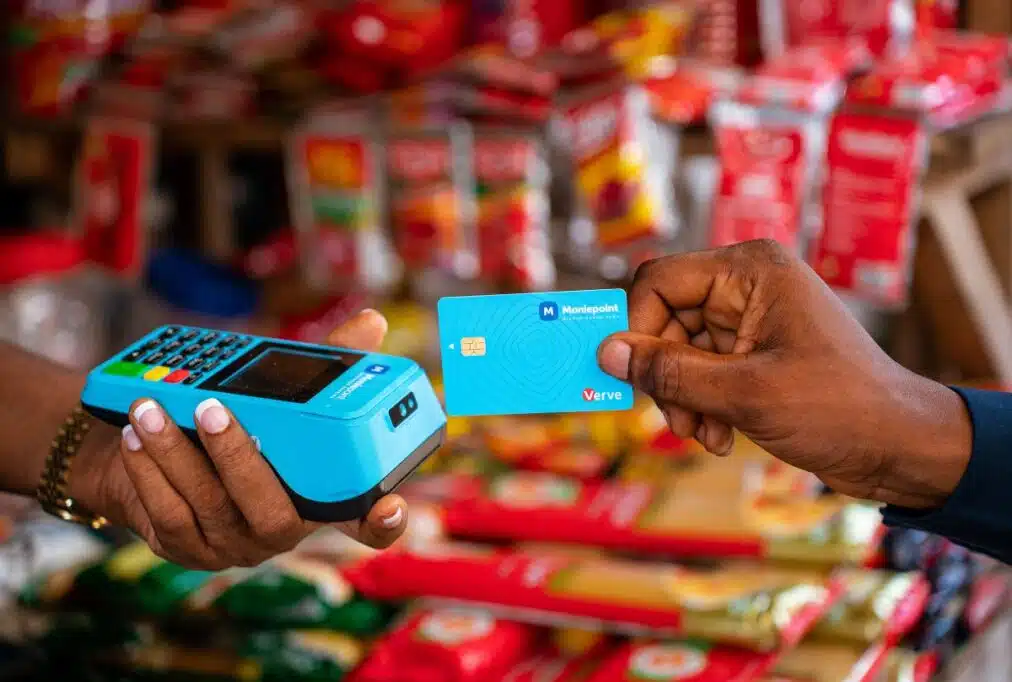
Paying with a bank card in Morocco is about to get cheaper for businesses, at least. Morocco’s central bank, Bank Al-Maghrib, has approved a sharp reduction in domestic card payment fees after years of complaints from merchants that transaction costs were too high. Under the new pricing, the interchange fee for consumer debit cards will fall from 0.65% to 0.50%, while credit card fees will drop from 0.95% to 0.70%. The changes are expected to take effect later in 2026, making electronic payments more affordable for businesses across the country.
The move is designed to encourage more people and businesses to embrace digital payments. Every time a customer pays with a bank card, merchants pay a fee that is shared among banks and payment providers. When those fees are too high, some businesses prefer cash or pass the extra cost on to customers. By lowering interchange fees, Moroccan regulators hope more merchants, especially small businesses, will accept card payments, helping the country reduce its dependence on cash while supporting financial inclusion and the digital economy.
The decision didn’t happen overnight. Morocco’s Competition Council first raised concerns about card payment fees several years ago, arguing that they were discouraging electronic payments and limiting competition in the payments ecosystem. Since then, the Council has worked with Bank Al-Maghrib, banks and payment industry players to review the pricing model. The latest cuts are the outcome of those discussions and form part of a broader effort to modernise Morocco’s payment infrastructure and make digital transactions more attractive than cash.
The reforms also come as Morocco accelerates its digital transformation agenda. Over the past few years, the country has expanded digital banking services, promoted fintech innovation and introduced policies aimed at increasing electronic payments among consumers and businesses. Lower card processing costs complement these efforts by reducing one of the biggest barriers to card acceptance, particularly for small and medium-sized enterprises that operate on thin profit margins.
As governments push for cashless economies, lowering transaction costs is becoming just as important as expanding payment infrastructure. If Morocco’s fee cuts lead to wider card adoption, they could offer a blueprint for other African markets trying to balance innovation, competition and affordability in digital payments.
In case you missed it
- How Ismail Eleburuike is building the operating system for African schools with SchoolTry
What I’m watching
- Why Evolution Split Your Brain In Half – Brain Asymmetry with Jim Al-Khalili
- Stephen Fry: The Secret Life of the Manic Depressive (2006) [CC, HD]
Opportunities
- Visa is hiring for several roles across many countries. Apply here.
- Qore is hiring for several positions. Apply here.
- inDrive is hiring to fill several vacancies in different countries. Apply here.
- Are you a female-led tech or tech-enabled business preparing for sustainable growth and opportunity to access capital? Apply for the Female Founders Growth Programme and grab up to $2 million. Apply here.
- Bamboo is hiring in Ghana and Nigeria. Apply here.
- Cowrywise is recruiting some engineers. Apply here.
- PiggyVest is looking for a Product Technical Manager. Apply here.
- Paystack is hiring for a few roles. Apply here.
- Moniepoint is recruiting for several roles. Apply here.
- Flutterwave is hiring for several roles in Nigeria, the UK, and the US. Apply here.
- As one of Techpoint Africa’s most engaged readers, you have a direct hand in shaping what we publish next. Take our quick, 3-minute survey to tell us the stories and features you value most. Your responses are anonymous, and your feedback will help guide our editorial focus in the months ahead. Fill the survey here.
- Moniepoint is hiring for over 100 roles. Apply here.
- To pitch your startup or product to a live audience, check out this link.
- Follow Techpoint Africa’s WhatsApp channel to stay on top of the latest trends and news in the African tech space here.
Have a wonderful Wednesday!
Victoria Fakiya for Techpoint Africa