


Since its inception in 2016, public relations agency Wimbart has become a cornerstone of the African tech ecosystem, helping over 230 clients across 20 countries articulate their visions to a global audience.
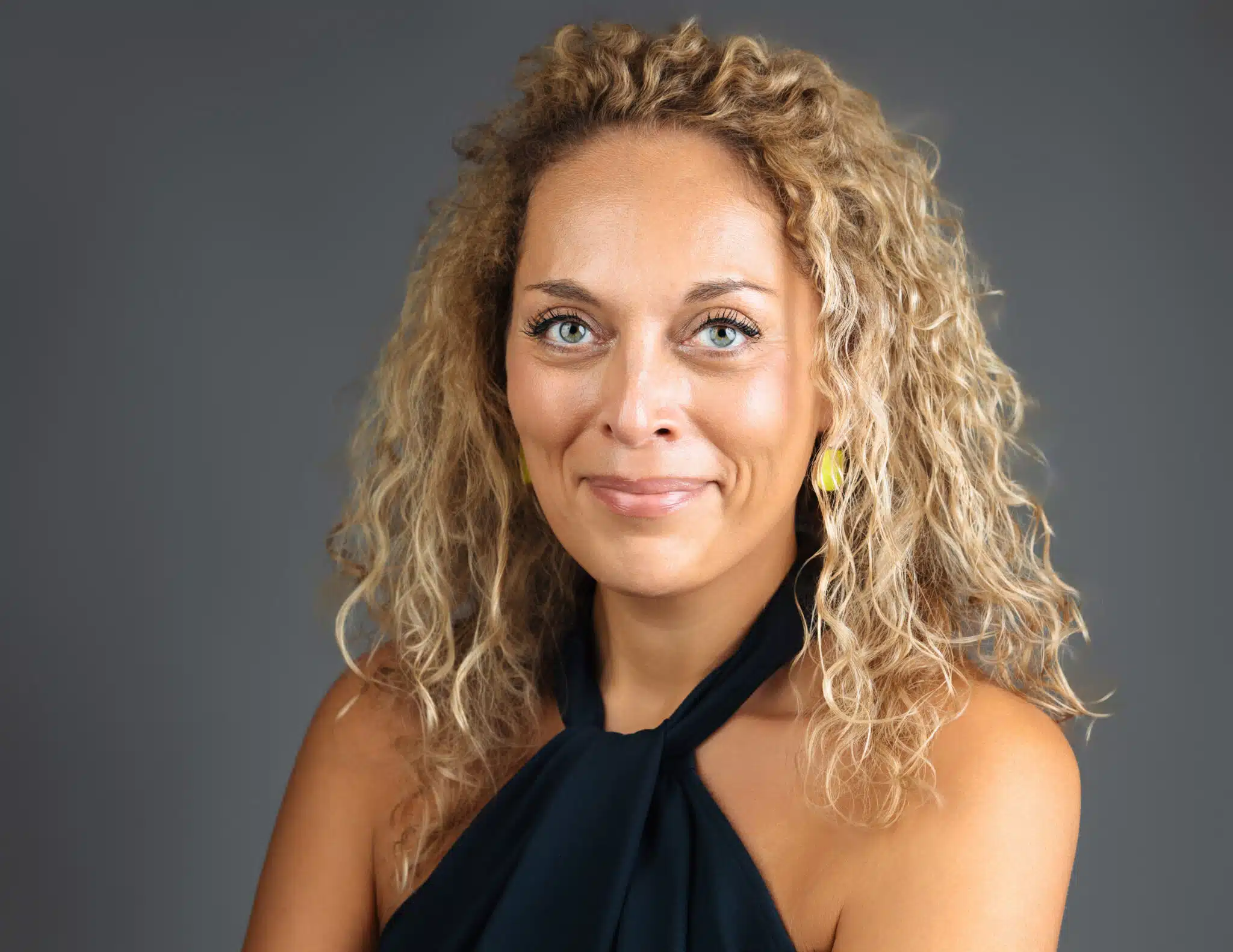
As the PR company celebrates its tenth anniversary, we had a chat with Jessica Hope, the founder of Wimbart, to discuss the evolution of the African tech story, the challenges of building a business, and what the next decade holds for both her agency and the continent.
What was your first interaction with technology, and how did you transition into PR and go on to found Wimbart?
Other than obviously using a TV in the early days, my first interaction with technology was with a computer, probably during primary school. I remember we had one of the old BBC computers with a seven-inch floppy disk.
My first home computer was a second-hand one from my cousin. We had a ZX Spectrum, which was a computer game on a cassette tape. It had a keyboard with rubber buttons, which is how old it was. Even then, it felt kind of dated, but it was a time when people just didn’t have as much, so I felt really lucky to have this hand-me-down.
Also, I was into music technology. From a very young age, I had a Walkman, then a Discman, and I was really into MiniDiscs as well. I got on the iPod bandwagon really early, too. I’ve always spent money on music tech.
My first laptop was bought just before I went to university. I remember bringing it home, turning on the TV, and seeing the news. Those were my early interactions with technology.
Regarding how my journey transitioned into PR and the founding of Wimbart, I was a journalist for many years after university. I worked with Jason Njoku of iROKO on a magazine in Manchester, and when that folded, I went into PR.
I worked in a couple of agencies, then went in-house. I was Head of Press at the Jewish Museum in London. Njoku, whom I’d already known for a few years, was setting up iROKO and asked me to quit my museum job and join him as Global Head of Communications, which I did.
I went to New York to set up the office there and stayed at iROKO for three and a half years before being kicked out of the company. I set up on my own and started Wimbart. That story is pretty well known, but that’s how Wimbart started.
Wimbart is 10. What does this milestone mean for you personally and professionally?
Wimbart turning 10 is a big milestone. I rate and respect any business owner, no matter the sector. Professional services are particularly tricky because you are often at the mercy of the market you serve.
Personally, I’m impressed and proud of myself that I’ve built a team. I have an amazing senior team and wider team. We’ve brought along a number of young PR professionals and, I hope, had a significant and positive impact on their careers. We’ve created a space where people can bring their true selves to work while contributing their professional backgrounds to what Wimbart is today.
I never really saw myself as a business builder. I was just a PR girl. But 10 years in, the business continues to grow and thrive. Professionally, I’m a PR girl who’s also a business builder, and I’m really happy about that.
When you started Wimbart, what gaps were you trying to fill in the African tech ecosystem?
When I started Wimbart in 2016, there were a couple of people doing PR in Africa. One woman I always admired and respected is Claudine Moore. She did PR for Tony Elumelu, Andela and a few other companies.
But aside from Claudine, there weren’t many people or companies focused on the African tech space. It was still very early days, in terms of events, blogs, platforms, and writers. There also weren’t many international outlets writing about African tech.
For me, Wimbart filled that void by working with some of the most amazing founders and leaders and connecting them with journalists and platforms, not just globally but also on the continent.
What is one thing you got right early on and one thing you underestimated about Africa’s tech ecosystem?
One thing I got right was focusing on quality and authenticity. I don’t think we came across as a slick or particularly polished agency at first, but founders, startups, and VCs understood what we bought into what they were doing. They had our full attention, and we genuinely cared.
There were times I turned down opportunities because we didn’t have the capacity to do a fantastic job. I think that was the right call because people waited for us. They knew they could trust us and that we weren’t just in it for a quick buck.
That focus on prioritising clients and quality over quantity was something the ecosystem was ready for.
In terms of something I underestimated, I’m not sure. But if I were starting Wimbart today, I think we would have tried to scale a bit quicker. We never took on investment; it was offered, but we didn’t, so everything was organic growth, which is good in some ways.
Do you think African tech is still being misunderstood internationally? Are our stories being told right?
I think so. There’s been a recent retraction of international storytelling, with TechCrunch de-emphasizing Africa.
That said, the last couple of years have seen more nuanced reporting on the complexities of African tech. It’s no longer just fundraising stories or an “Africa rising” narrative. It’s also not just about tech solving poverty, which often reinforces stereotypes.
Globally, African tech is increasingly better understood. But stories could still be told with more complexity and more diversity. We’re definitely seeing a period of maturation.
After 10 years of telling Africa’s tech stories, how has your perspective on the continent’s tech changed?
In short, it hasn’t. For more than a decade, I’ve been surrounded by, supported by, and inspired by incredibly smart, innovative people. That was true in 2016 and even earlier, around 2012–2013, when I moved into African tech with iROKO.
Building tech is hard anywhere, and building in Africa comes with its own challenges. But the people have always been resilient and innovative.
So no, my perspective hasn’t changed. It’s just been great to witness and be part of the evolution.
What has been the hardest moment in your journey with Wimbart?
There have been lots of tricky moments. Business building is not for the faint-hearted, and there wasn’t really a blueprint. But without a shadow of a doubt, the hardest moment was losing my co-founder (my dad) a few years ago.
He set up the company with me. Wimbart is named after the street my grandparents lived on, where he grew up in South London. He was my anchor, my sounding board, and my partner in crime.
He was ill for some time, and I had to work from his hospital bed for a long period, just coming out of COVID. That was definitely the hardest moment in my Wimbart journey.
What will the next decade look like for the African tech ecosystem?
I think we’ll continue to see maturation. There was a period where some players had platforms they probably didn’t deserve. They were good at raising money but not necessarily at building strong or lasting businesses.
Going forward, we’ll likely see more M&A activity. Tech will continue to scale quickly. There’s a huge opportunity for African tech to lead in AI. It will also be interesting to see how infrastructure evolves, whether in data centres or other areas, and how Africa can play a global role there.
In the short term, there may be less investment compared to previous boom years, but founders will adapt. African founders are extraordinarily resilient.