



For many global tech companies, Africa has always been the next big thing for growth. And why wouldn’t it be? The continent has over 1.5 billion people, with a youthful, tech-savvy population. It ticks all the boxes of a market worth paying attention to.
But in practice, that excitement often meets a more complicated reality. It can be full of friction, from messy regulations to volatile currency issues, making expansion harder for global tech companies.
However, things are shifting, and we’re moving past the era where you had to spend two years navigating bureaucracy just to open a single office on the continent. Instead, Digital Special Economic Zones (DSEZs) are emerging to help tech companies expand more easily across the continent.
I recently sat with Mayowa Olugbile, the CEO and co-founder of Itana, one of Africa’s DSEZs, and dove into their report How to Expand into Africa: A New Operating Playbook, in collaboration with Intelpoint. During the interview, we looked at expansion tactics for global companies and how these digital zones play an important role.
What is a digital special economic zone?
Most people are familiar with traditional special economic zones, which are physical areas where governments offer tax breaks, better infrastructure, and relaxed regulations to attract businesses.
A digital special economic zone, however, takes that concept and updates it for the Internet age. In simple terms, it is more like having a business in the cloud.
DSEZs like Itana use existing free zone laws to create a bubble where the regulation is stable, predictable, and most importantly, digital. You can set up a legal business entity from anywhere in the world (like Germany or the US) without physically being in the country yet.
Instead of needing a physical office or navigating multiple layers of bureaucracy, companies can plug into a fully digital, business-friendly environment that handles company incorporation, compliance and regulation, talent access, and payments and banking infrastructure.
As Olugbile explains, Itana offers a unique digital jurisdiction. A company can establish and operate within the zone without needing a physical office immediately. This allows tech firms to test the waters and build a team before committing to massive infrastructure costs.
While the jurisdiction is digital, there is also a physical component. Places like Alaro City in Lagos are being built to provide the infrastructure that tech needs, such as 24/7 power, dual-fibre Internet, and co-living spaces for founders.
Why Africa needs a different expansion playbook
The old way of doing business was expanding “into” Africa, with most global companies trying to force a Western business model onto a local market. The new playbook is about expanding “with” Africa.
By using Digital SEZs as an anchor, global companies become part of a curated ecosystem of founders, developers, and regulators.
“When companies come into Africa, they are thinking about it from the perspective of scale. And they believe scale is a function of more capital. It helps when money or technology streamlines the activities. But what really drives scale is shared assumptions and not just within the markets but with other stakeholders as well,” Olugbile says.
One of the key ideas from the Intelpoint–Itana report is that Africa doesn’t fit neatly into the traditional expansion strategies used in Europe, North America, or even parts of Asia. Instead of one unified market, Africa is a collection of diverse economies, each with its own rules and realities.
This creates friction. For example, a company might want to hire talent across multiple African countries but face legal barriers in each country. And then setting up a local entity can take months. Cross-border payments can also be unpredictable
The report frames this as a “market-entry problem” rather than a lack of opportunity. In other words, the demand is there, but the systems haven’t yet caught up.
This is where digital special economic zones come in. They’re designed to remove the first layer of difficulty that stops companies from entering Africa in the first place.
Digital special economic zones is a game-changer for Africa
From the interview, one key idea that stands out is that speed matters. Global tech companies move fast; if expansion into Africa takes too long, they simply prioritise other markets.
Digital zones flip that script by offering faster setup times, standardised processes, and predictable compliance frameworks. It’s not just about making things easier; it’s about making Africa competitive in the global race for tech expansion.
Africa’s biggest advantage isn’t just its market size. It’s its people. There’s a growing pool of developers, designers, operators, and founders across the continent. But global companies often struggle to access this talent efficiently.
Digital special economic zones act as a bridge. They make it easier for companies to hire across borders, pay talent reliably, and operate without setting up multiple local entities. So instead of talent being locked within national systems, it becomes part of a broader, accessible network.
For years, many global companies engaged with Africa through outsourcing, by hiring freelancers or small teams without fully committing to the market. What digital zones enable is something deeper: real participation without heavy friction.
Companies can now build teams, test products locally, and grow gradually, all without making massive upfront investments.
One of the biggest scares for global investors is repatriation, as many global tech companies want the ability to take their profits back home. Currency volatility in markets like Nigeria can make business owners nervous.
DSEZs like Itana solve this by offering a hedging strategy. Within these zones, companies often can transact in multiple currencies, and the guarantee that the money you make can actually go back to your global headquarters.
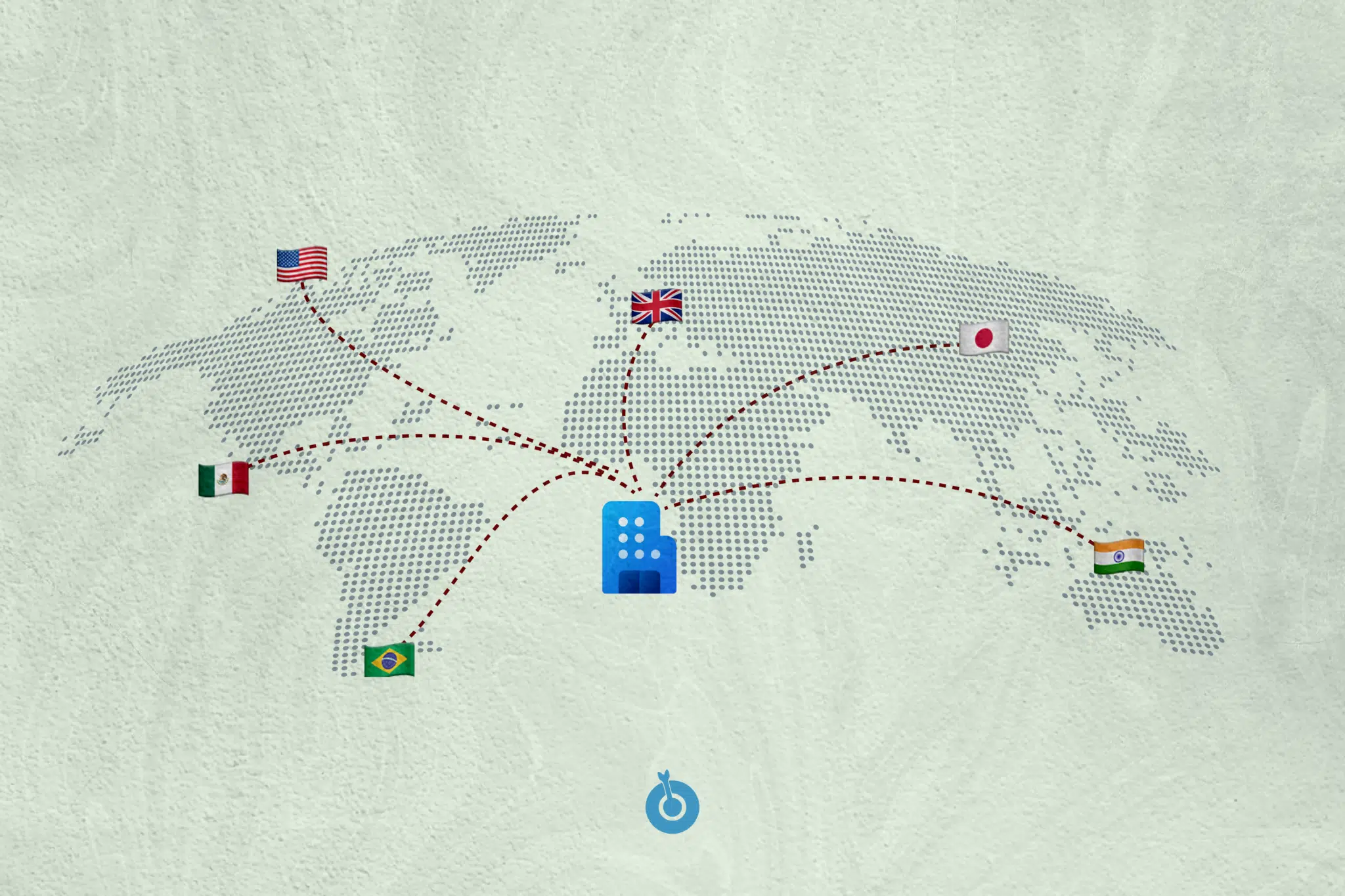
The bigger idea here is that digital special economic zones aren’t just about Africa. They represent a shift in how companies expand globally. Instead of expanding country by country and navigating each system independently.
We may start to see expansion through networks, standardised digital jurisdictions, and border-light operations. Africa is one of the places where this model is most needed and potentially most impactful.
Why does this matter now? Well, you could say timing plays a big role. Africa’s digital economy is growing rapidly. Global companies are looking for new markets. Remote and distributed work has also become normal. Digital special economic zones sit right at the intersection of these trends.
“Africa isn’t just becoming commercially attractive; it’s always been so. Africa has always been on the map. What changed over time are the people who controlled the trade, how value was extracted and where the capital was domiciled,” Olugbile says.