

When Bella, a Nigerian tech professional living in Qatar, heard that Iran had launched strikes on the country, her first instinct was to sleep. While many might panic, she says it’s not the first time she’s seen the country come under attack in the five years since she moved there.
“I wasn’t really scared because everything was being intercepted, and on the first day, we had started getting the alerts,” she shares. “Before there is any missile attack, we would get an alert showing security levels had been elevated, and successfully they’ve been able to intercept most of the drones that were coming into the country.”
Last year, after strikes by the United States and Israel aimed at Iran’s nuclear facilities, Tehran retaliated by targeting the Al Udeid Air Base in Qatar. But the current conflict feels very different.
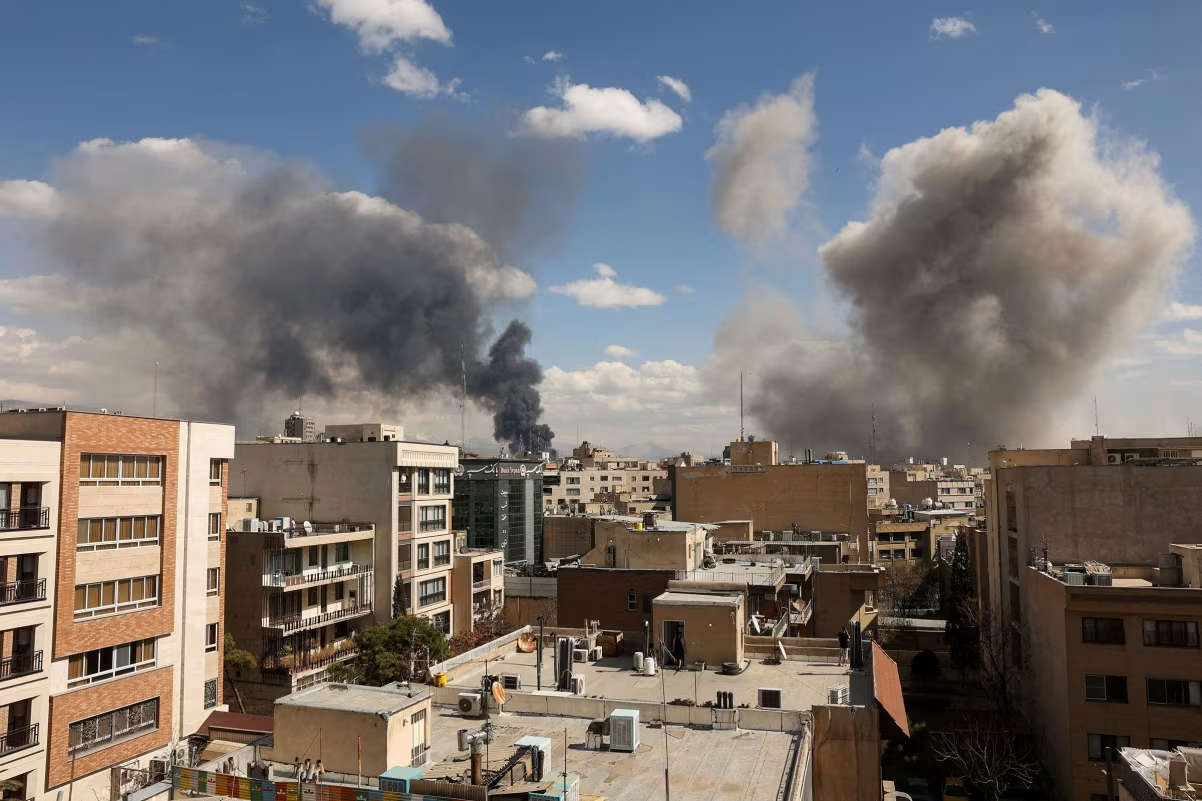
Now in its second week, more than a thousand people have been killed in Iran, including its Supreme Leader, Ayatollah Ali Khamenei. The conflict has also escalated quickly, with strikes at neighbouring states resulting in casualties, with some either injured or killed, thus threatening to spill over into a regional war.
Meanwhile, attacks on oil depots and minimal movement in the Strait of Hormuz have led to spikes in oil prices.
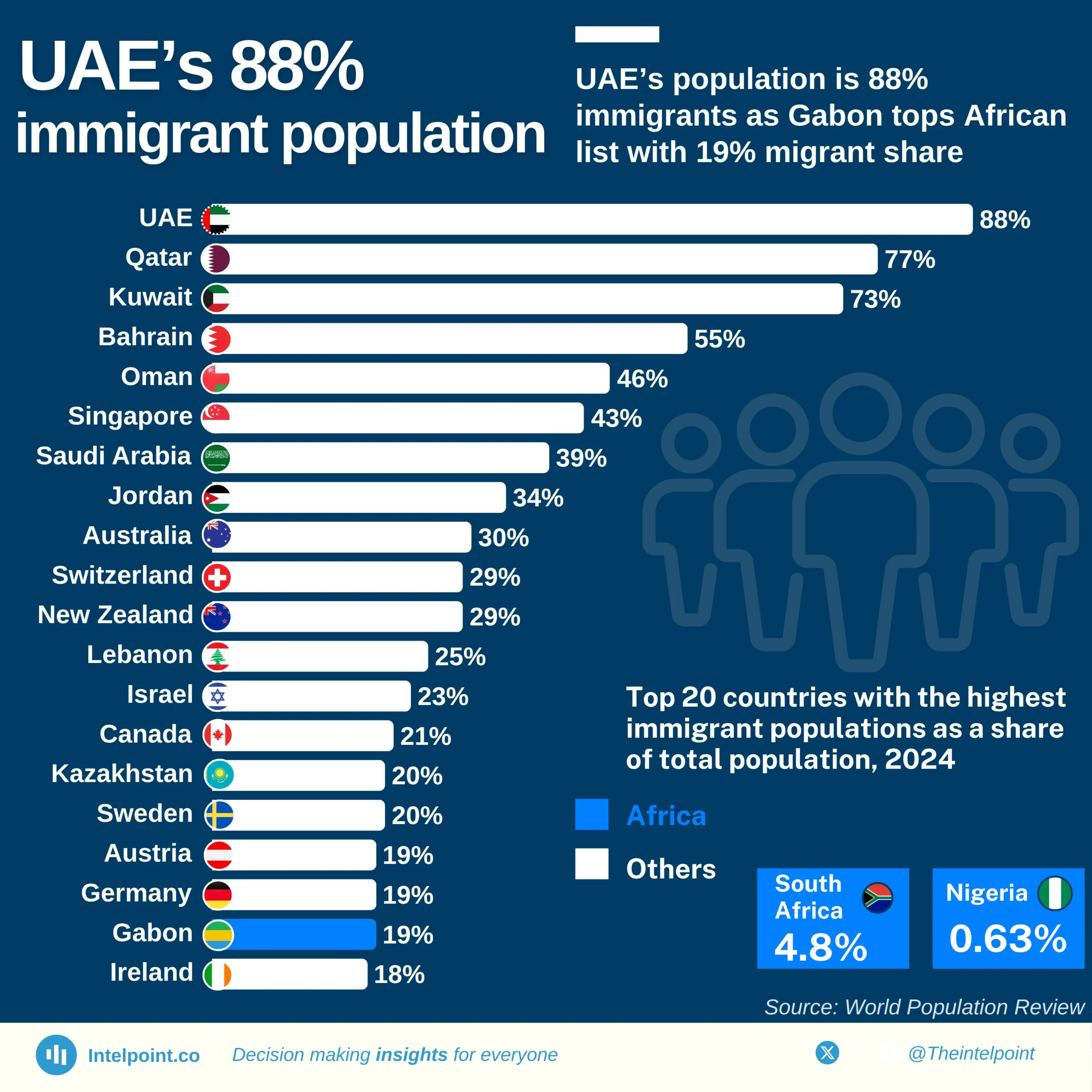
Bella is among a growing number of African tech workers who have moved to the Gulf region in recent years, drawn to the lifestyle on offer, better economic opportunities, and favourable tax regimes. In Qatar, expatriates make up nearly nine out of every ten residents, highlighting how dependent the country is on foreign talent and labour.
Encouraged by expanding government support for technology startups, many Africans have moved to the region to take up jobs or build their own ventures, drawn by a level of stability and opportunity often lacking at home. The war now threatens that stability.
Like Bella, Khadijah Amusat, another Nigerian who has lived in Qatar for the past two years and is building a startup, has stayed calm even though she didn’t sleep after hearing the news.
“It has definitely been emotionally overwhelming at times, especially living alone and being far from family. But the support from friends here and constant check-ins from loved ones back home have helped a lot,” she says.
In the immediate aftermath of the attack, governments moved quickly to reassure citizens and introduce safety measures. Emergency alerts, like the one Bella referenced, are routinely sent directly to residents’ mobile phones.
According to Bella, the Qatari government has also directed supermarkets across the country to remain open 24 hours a day to prevent panic buying and reinforce public confidence. Prices have also remained stable, and most people were back to work the next day. Bella, who works in the IT team of a bank, continues to work remotely.
Although the Qatari government has maintained regular communication with residents throughout the episode, Bella and Amusat — two of the at least 7,000 Nigerians living in the country say they have not heard directly from Nigerian officials.
“I haven’t received direct communication from Nigerian officials, but local authorities here in Qatar have been very proactive in communicating clearly with residents and also issued the emergency contact of the Nigerian embassy if we need to call them,” Amusat shares.
Bella said she only saw a memo circulating on social media, but was reluctant to register her details because the email provided for the process was a generic address. Support, however, has come from other Nigerians living in the country.
While both women say they have remained calm and are continuing with their daily routines, their families back home remain understandably worried about their safety. They have, however, been able to ease those concerns by staying in frequent contact.
“Well, I tell them I’m okay so they know I’m fine. I’ve assured them that the government is ensuring everyone is okay, even for visitors,” Bella says.
Since the war began, some governments outside the region have evacuated thousands of citizens who were willing to leave. But the limited damage so far, along with the coordination and support provided by the Qatari government, has led Amusat and Bella to stay put, even as some Nigerians have left or expressed interest in leaving. While they acknowledge the possibility that the conflict could escalate, both say returning home is not an option they are considering except as a last resort.
“I have family back home, and they are telling me there’s no light and there’s a fuel hike, and I’m wondering [how] a country that is getting hit by missiles does not have a fuel hike and everything is working normally,” Bella notes.