



Over the last decade, Africa’s tech ecosystem has grown faster than almost any other region in the world, and at the centre of that growth is a generation of women redefining what leadership, innovation, and inclusion look like in technology. From laying the digital infrastructure that powers West Africa’s Internet to shaping fintech, health-tech, AI, policy, and developer communities, African women have become some of the most influential players in the industry.
Yet despite their outsized impact, their contributions are often under-reported or reduced to a handful of popular founders.
In this article, we spotlight 10 top African women in tech making a measurable impact across the continent and worldwide. Not just the headline-grabbing founders, but the builders, operators, policymakers, and technologists whose work continues to define the future of Africa’s digital story.
Nunu Ntshingila: Former Regional Director, Africa, Meta (Facebook)
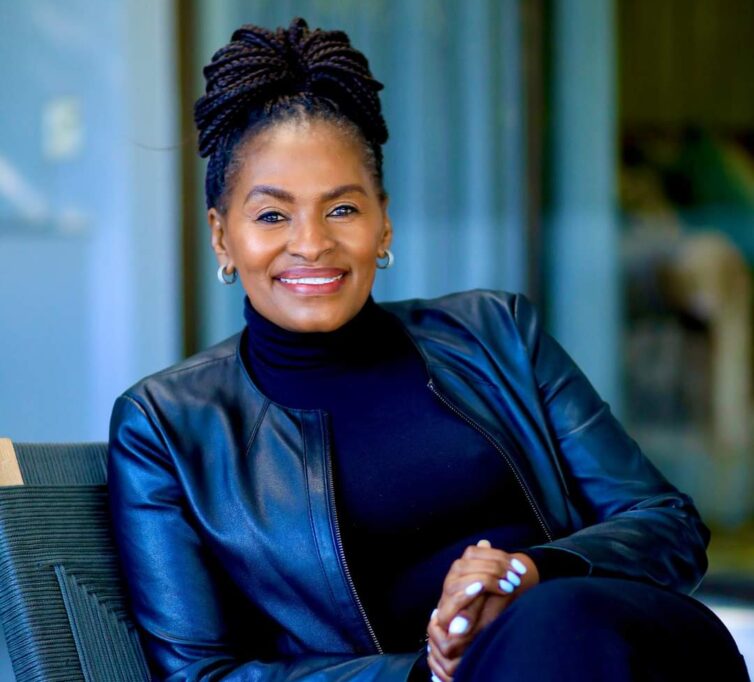
A veteran of the African advertising and communications industry, Ntushingila rose through the ranks at firms like Ogilvy & Mather and became a prominent figure long before joining the global tech world. She took the helm as the Regional Director for Africa at Meta (Facebook) in 2015.
At Meta, she was responsible for the strategic and commercial growth of Facebook, Instagram, and WhatsApp across 54 African nations. Her initiatives, such as Free Basics (aimed at providing free internet access to basic services) and digital skills programs, directly impacted millions of users and significantly influenced the digital communication landscape. Ntshingila oversaw the commercial strategy, partnerships, and policy engagement for one of the most dominant digital platforms on the continent. Her leadership directly dictated how billions of dollars in advertising revenue are spent and how digital communication and connectivity are scaled across all African markets.
Ntshingila announced her departure from Meta in July 2022 after almost seven years. She has been consistently named one of the most powerful women in international business by publications like Fortune Magazine.
Karen Nadasen: CEO, PayU Africa

Her career began as a Java Developer in a small development house in Cape Town. With a background that includes working at Microsoft, Nadasen joined the global payment giant PayU in 2012 as a product manager. She advanced to Head of Product and Delivery Manager for the Middle East and Africa before being appointed as CEO in 2016, just after returning from maternity leave.
As the CEO of PayU Africa, a major global payment service provider, Nadasen is an indispensable architect of the continent’s digital economy. Her role is not consumer-facing but infrastructural as she oversees the payment rails that underpin much of African e-commerce.
Under her leadership, PayU Africa has positioned itself as a critical enabler of secure online transactions, supporting the growth of thousands of businesses across multiple African markets. Her work directly facilitates millions of digital transactions, making her a key player in advancing financial inclusion by bridging the gap between African consumers and global digital markets. Nadasen has received significant nominations and awards for her inspiring role in IT.
Seun Runsewe: Senior Product Leader, Chipper Cash; Former Executive at OPay, Paystack, and Sterling Bank

As a product strategist, Seun Runsewe has held critical product roles at major African unicorns, including Paystack and OPay, and is currently a Senior Product Leader at Chipper Cash. She also served as CEO of Switch by Sterling Bank.
Seun’s career timeline is a map of African fintech product evolution. She has been instrumental in designing and executing the core financial products, from payment gateways to cross-border transfer features that define the user experience for millions of digital finance consumers across the continent.
She is also the founder of Biamo Money, a fintech platform specifically targeted at mothers, providing financial tools for saving and investing. Runsewe has also been featured by Vogue India as one of the women at the forefront of West Africa’s tech boom.
Oluchi Enebeli: Blockchain Engineer; Founder, Web3Ladies

One of Nigeria’s first certified female Blockchain Engineers, Enebeli has held deep technical roles focused on decentralised ledger technology and cybersecurity in the financial sector.
Her career spans high-level technical roles, including building wallet infrastructure and DeFi systems for major financial and crypto firms. Her true impact lies in addressing the gender imbalance in Web3 through Web3Ladies. This community has grown rapidly, focused on equipping 100,000 African women into the Web3 space, with over 2,000 trained by the end of 2022. The program provides young people with skills in blockchain development and smart contracts.
A graduate of Applied Mathematics from the University of Benin, Enebeli has held engineering and technical roles at major global and African tech organisations, including Binance, Crypto.com, Bundle, Nestcoin and Sterling Bank.
Lillian Barnard: Former CEO, Microsoft South Africa and SADC (Southern African Development Community)
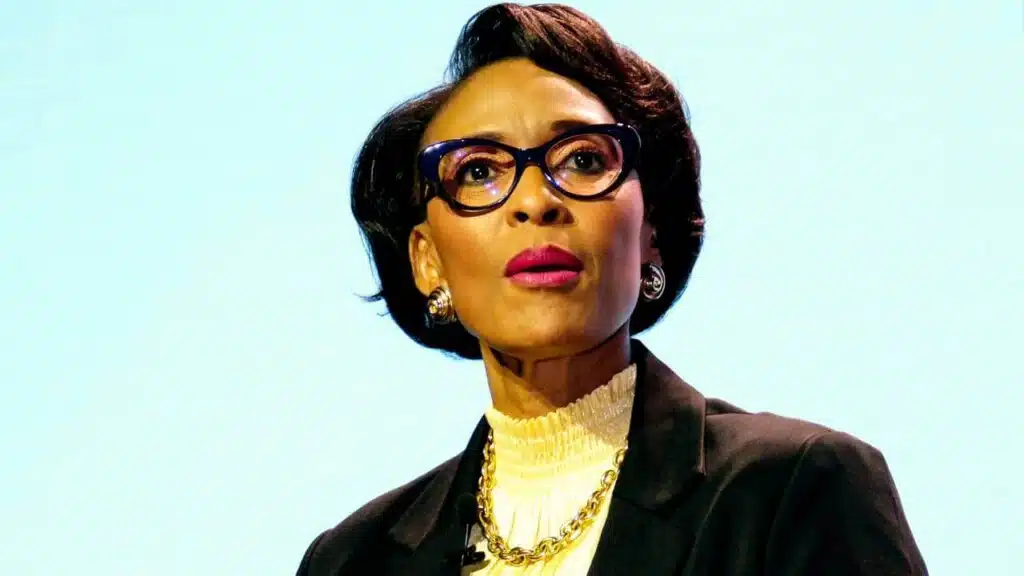
Lillian Barnard became the first Black woman to be appointed as the CEO of Microsoft South Africa since the company’s re-entry post-apartheid. Her career spans over 25-30 years in the Information and Communication Technology (ICT) industry.
She joined Microsoft in May 2017 and was appointed CEO/Managing Director of Microsoft South Africa in March 2019. Afterwards, she took on the role of the President of Microsoft Africa and stepped into a new role as Chief of Enterprise Partner Solutions, Microsoft Middle East and Africa (MEA) in mid-2025. Before joining Microsoft, Barnard had worked at Vodacom.
Barnard is the author of “I hope you feel inspired.” In September 2022, she won the Lifetime Achievement Award at the Africa Women in Tech – Global Movement Awards.
Rebecca Enonchong: Founder & CEO, AppsTech

Rebecca Enonchong is often recognised for her deep technical knowledge, having become the world’s first Oracle Financial Certified Professional. She founded AppsTech in 1999, a global provider of enterprise application solutions, long before the African tech scene became globally recognised. The company has grown into an Oracle Platinum Partner and serves clients in over 40 countries across multiple countries.
Her impact extends beyond her company. She is the former Chair of the African Business Angel Network (ABAN) and the current Chair of AfriLabs, a network that has grown to include over 400 innovation hubs across 52 African countries.
Enonchong’s influence has earned her several recognitions, including the Global Leader for Tomorrow (2002) award, named in Davos, Switzerland and a Forbes recognition in 2014 as one of the top 10 female tech founders to watch in Africa.
Betelhem Dessie: Founder & CEO, iCog-Anyone Can Code
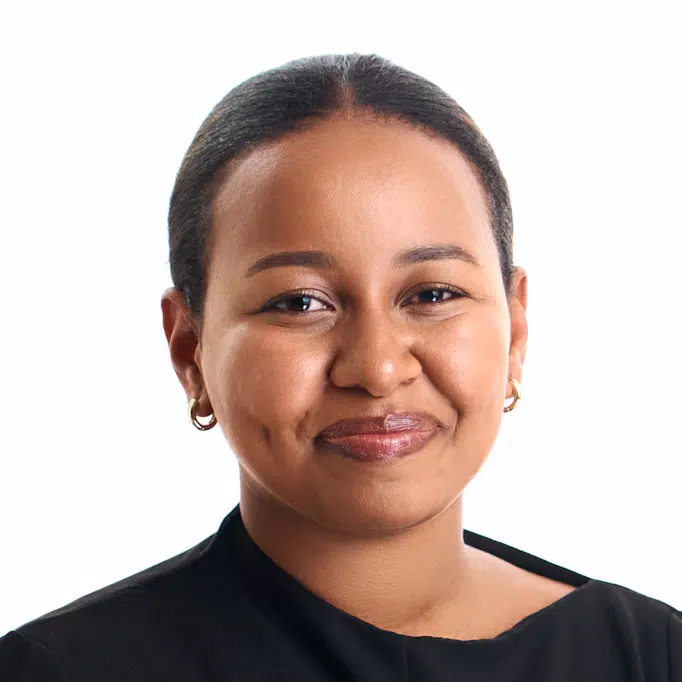
Dessie is an AI prodigy and a foundational figure in Ethiopia’s emerging tech scene. Born in 1999 in Harar, Ethiopia, she started coding at age 10. At the age of 12, she was employed as a developer for the Ethiopian government’s Information Network Security Agent (INSA).
She founded iCog-Anyone Can Code (ACC), a program that trains thousands of children aged six to thirteen on topics ranging from robotics and programming to AI. Her work extends to research projects that leverage AI to solve national challenges, such as optimising fertiliser suggestions for farmers based on satellite data.
To address limited infrastructure, her team developed Digitruck, a fully solar-powered mobile training centre equipped with computers and robotics to reach children in remote areas. Dessie has also spearheaded programmes like Girls Can Code and Solve IT.
Nelly Chatue Diop: CEO and Co-founder, Ejara

Chatue Diop is tackling the massive financial exclusion problem in Francophone Africa with technology. She founded Ejara, a mobile investment and savings platform that utilises blockchain technology to offer users a non-custodial crypto wallet, meaning that users retain full control of their assets, a crucial element for trust in volatile economies.
Her motivation stems from witnessing the economic pain caused by the CFA Franc devaluation in her childhood. Ejara is tailored specifically for Francophone markets and the African diaspora, democratizing access to savings and investment tools that bypass traditional, expensive financial institutions. The platform offers users a way to buy and sell cryptocurrencies, stablecoins and fractional shares, providing financial education and facilitating savings via mobile money.
Chatue Diop is the President of the Cameroon Fintech Association and leads Tezos Africa Foundation.
Odunayo Eweniyi: Co-founder & COO, PiggyVest
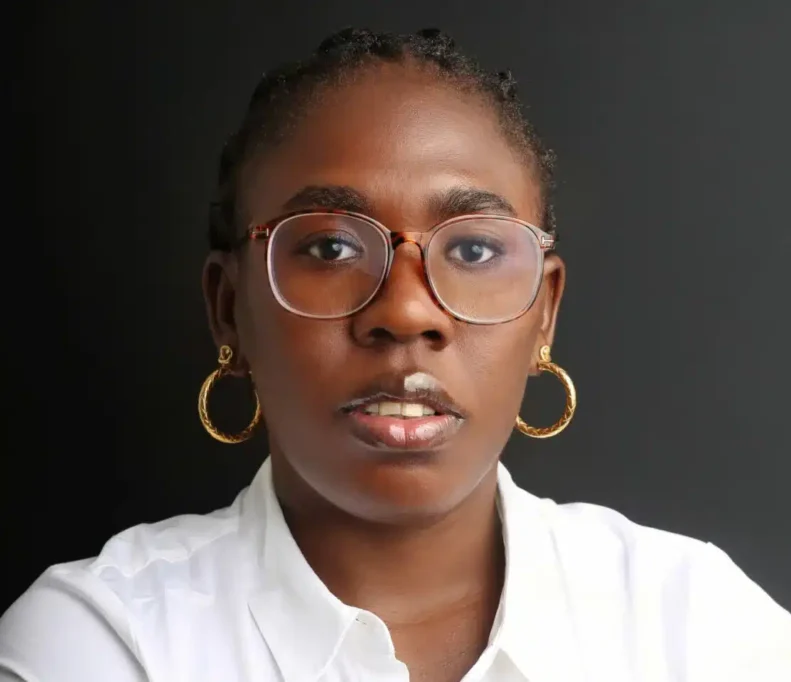
A first-class graduate in Computer Engineering from Covenant University, Odunayo co-founded PiggyVest (initially Piggybank) in 2016. Inspired by a viral tweet about a woman saving money manually, she and her co-founders digitised the traditional wooden box savings, offering users secure and automated savings and investment options.
PiggyVest is now one of Nigeria’s leading digital savings and investment platforms, impacting millions of young Africans.
She has been recognised on Forbes Africa 30 under 30 Technology and Bloomberg 50. She is also a co-founder of the Feminist Coalition and the angel fund First Check Africa, aiming to bridge the gender funding gap in African tech.
Cynthia Wandia: CEO and Co-founder, Kwara

An electrical engineer by training, Wandia recognised that Savings and Credit Co-operative Societies (SACCOs) form the financial backbone for millions of underserved Africans. She founded Kwara in 2018 to modernise and digitise these cooperative banks.
Kwara provides a secure, cloud-based platform that helps SACCOs manage back-office operations and offer mobile banking services to their members in real-time. The company’s growth is anchored by a major distribution agreement with the Kenyan Union of Savings and Credit Co-operatives (KUSCCO), giving Kwara access to thousands of SACCOs and over 100,000 members. The company has raised over $7 million in funding.
Before Kwara, Wandia had co-founded Astra. Her work is critical for bringing stability and modern efficiency to community-based finance.