


Telecoms
From telco data wars, to 5G, Techpoint Africa brings you the latest update on connectivity, telecom companies, Internet service providers, Internet infrastructure among others.


Top stories

Namibia’s telecom sector has generated over $800 million in data revenue, reflecting Africa’s shift toward digital services.
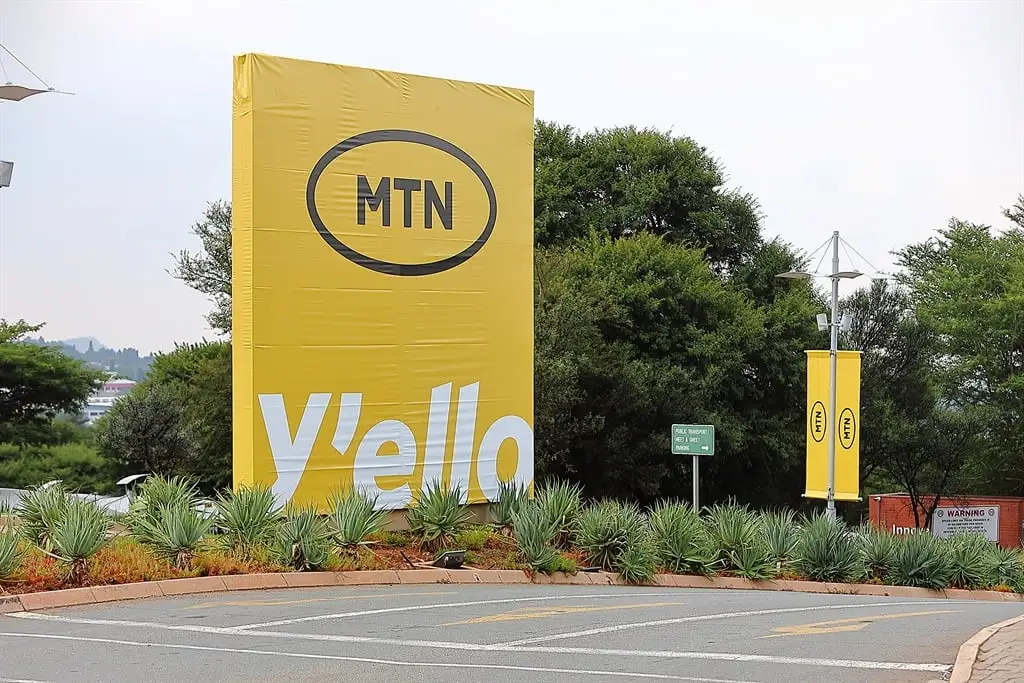
MTN Ghana has recorded over $1 billion in revenue for the year 2024, driven by strong data and mobile money performance.
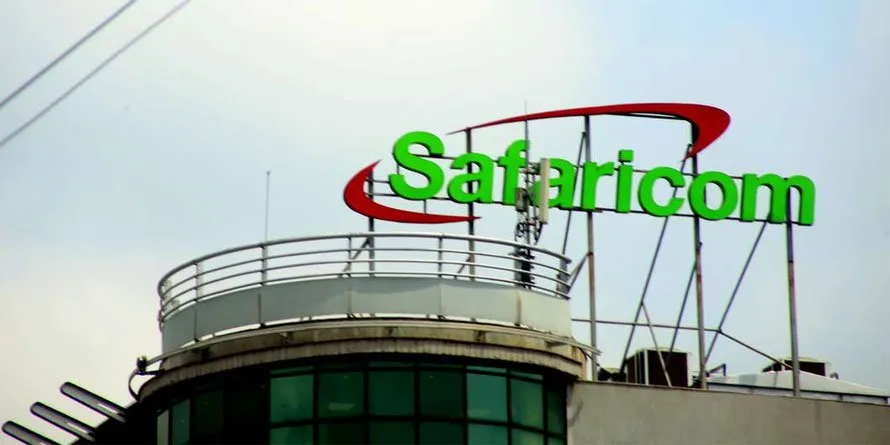
Goodweek Inter-Services Limited has sued Safaricom, accusing it of abusing market dominance with unfair contract terms.

Nigerian banks have finally paid ₦32 billion in long-overdue USSD payments to MTN, but ₦42 billion remains outstanding. This comes amid a ₦400.4 billion loss reported by the telco for the 2024 year.
MTN Group anticipates a significant decline in 2024 earnings, primarily due to substantial forex losses and economic challenges in key African markets.
MTN Group Fintech has partnered with Network International to enhance its digital payment processing across Africa, strengthening its mobile money services and fintech expansion strategy.

Nigeria has set up a joint committee to tackle fibre cuts caused by road projects, aiming to reduce telecom disruptions.

Airtel Nigeria’s revenue fell 40.34% to $738M in 2024 due to Naira devaluation, despite a 3.2% rise in customers and 37.2% growth in data usage.
MTN Nigeria has acknowledged the 200% hike on the 15GB data bundle plan, apologising to its users after severe backlash surfaced following the hike.

French telecom giant, Orange, reports significant revenue growth, propelled by Africa’s and Middle East contribution.
MTN begins tariff hike following approval. Although the NCC has capped tariff hikes at 50%, some MTN tariff plans seem to have increased beyond this limit.

The NCC has signed a grant agreement with Swedfund to improve the Nigerian telecom sector by implementing real-time tracking of consumer data. Find out what it entails here.
Following widespread service disruptions in Lagos, MTN Nigeria has apologised to users but failed to clarify the cause.
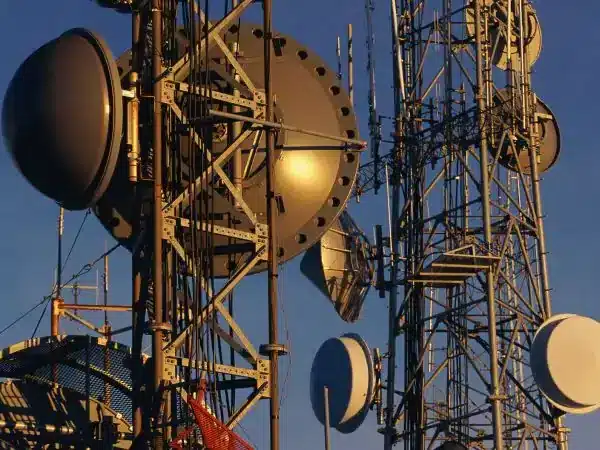
Nigeria’s first telecom tariff hike in over a decade has generated numerous debates. But according to Ernest Akinola, a telecoms expert, this increase will help smaller telcos stay afloat.

Vodacom’s latest trading updates revealed that the telecom giant processed $437.1 billion in mobile money transactions in 2024.

With broadband penetration a major project for the government, the total number of Nigerians connected to internet services has dropped by nearly 27% in one year.
Amidst uncertainty, the Nigeria Labour Congress has announced plans to embark on a nationwide protest to oppose the NCC’s approval of a 50% increase in telecom tariffs.
Safaricom is making a strategic move to secure submarine cable landing rights with increasing competition from satellite Internet providers like Starlink.

PAIX Data Centres, a pan-African data centre operator, has announced a new facility in Dakar, Senegal, to bolster Africa’s digital ecosystem.

The National Association of Telecommunications Subscribers (NATCOMS) has opted out of the Nigeria Labour Congress (NLC)’s planned protest against the recent 50% increase in telecom tariffs approved by the Nigerian Communications Commission (NCC).