


Startups
In nearly a decade, hundreds of entrepreneurs have emerged with innovative startups across the African continent. We provide insights on their experiences and highlight the activities of investors who fund them.


Top stories

Three months after securing $7.4 million in securitised financing, d.light has announced that it will provide 10,000 subsidised solar home systems to Ugandan refugees through a $3.4 million grant.

OmniRetail tops Financial Times’ list of Africa’s Fastest Growing Companies with Moniepoint and AFEX rounding up the top three for Nigeria’s representatives.

In the face of rising inflation, earned wage access startups want to make payday come early for Nigerians, but experts warn it’s not a fix for employees’ financial problems.

Egypt’s Glint secured $3 million in the first close of its second venture fund to support Egyptian entrepreneurs and startups entering regional and international markets.
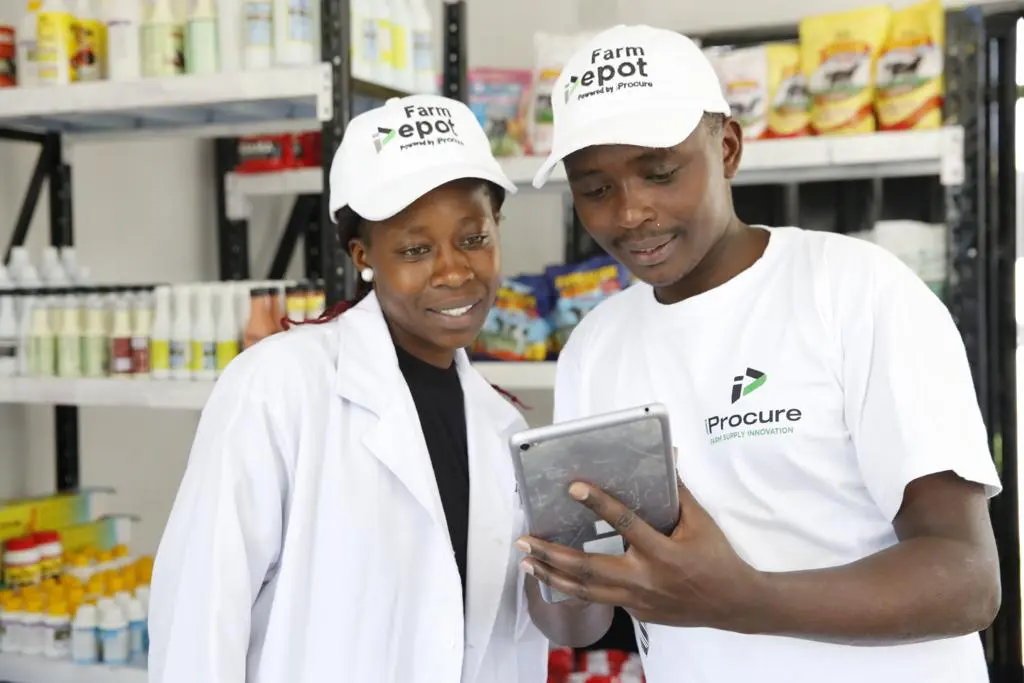
iProcure, a Kenyan agritech startup placed under administration, filed for bankruptcy on April 26 after failing to convince existing and new investors to provide additional capital.

Swypex, an Egypt-based all-in-one financial management platform, has raised $4 million in seed investment to expand its corporate cards platform.

In its inaugural institutional funding round since its inception 17 years ago, Seamfix has secured $4.5 million from Alitheia IDF. The company intends to allocate these funds towards the development of a pan-African KYC switch.
Almost 11 years and $17.2 million in investment later, iProcure, a Kenyan agritech startup, has been placed under KPMG administration over failure to pay the undisclosed amounts it owes creditors.

Chowdeck has quickly grown to 500,000 users in two years. With $2.5 million in seed funding, it hopes to consolidate its position in the Nigerian market.

Most startups will fail within the first five years of operations, but many are not wound up properly. This article explores how startups can be shut down appropriately.
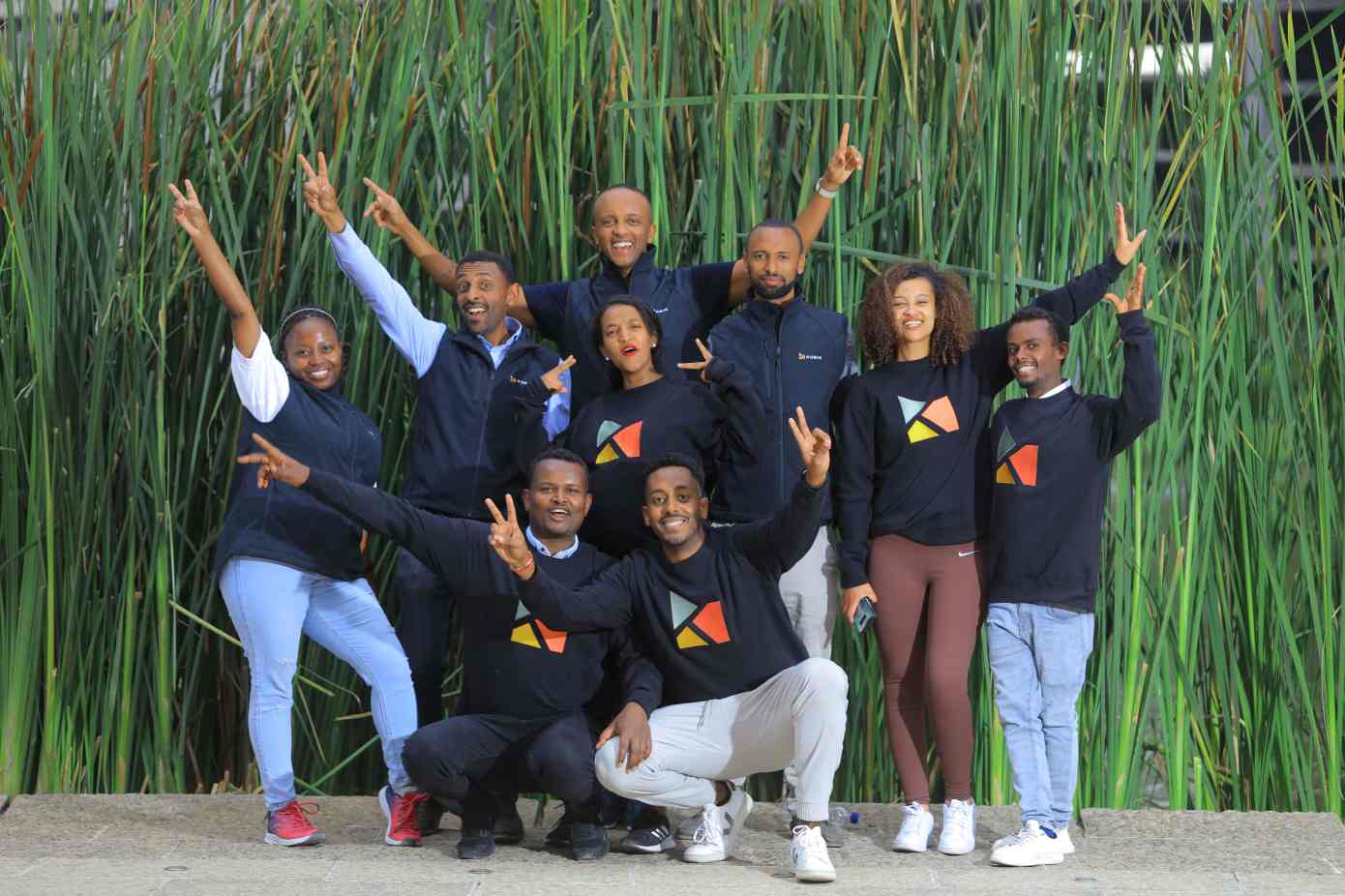
Ten months after revealing a $3.4 million seed, Ethiopian upcycling startup Kubik has raised $1.9 million in additional seed funding to grow its operations and turn plastic waste into building materials.

Nigeria’s fintech industry is booming but not without risks. In this opinion piece, Gladefinance CEO, Liyi Victor discusses how innovations have reshaped banking and opened up vulnerabilities.

Amid a decline in funding for African startups, Madica, an Africa-focused pre-seed investment programme, has announced its inaugural investments with Kola Market, GoBEBA, and NewForm Foods.

In a fundraising effort that brings its total growth investment to R595 million ($31.1 million), HyperionDev, a South African-based edtech platform, has secured R95 million ($5 million).

Investors in Nigerian startup, Thepeer, have requested an audit of the shuttered business, saying at least $500,000 is unaccounted for by the founders.

Bokra, an Egyptian fintech, has raised $4.6 million in pre-seed funding to launch Bokra app, allowing users to manage and grow their wealth.

Bluworks, an Egypt-based HR tech company, has secured a pre-seed investment round of $1 million to address the challenges companies face with workforce management.

Three months after former CEO Akshay Grover stepped down, Cellulant, an African payments company, has announced the appointment of new executives to strengthen its management team and drive its global expansion strategy.

MarketForce, a Kenyan startup, has launched Chpter, a social commerce platform, following the shutdown of RejaReja, its B2B eCommerce platform, due to profitability issues. This move comes over two years after raising $40 million in Series A.

Spatialedge, a South African AI-driven software company, has received $3 million from the Hlayisani Growth Fund to help accelerate product launch.