


Governance & Policy
Regulations, laws, directives and policies, that affect African startups, the financial sector, telecoms, cyber security, among others. It’s unpredictable nature either enables, stifles or is neutral on innovation


Top stories

The Kenyan government plans to start building 1,450 hubs across the nation to actualise its ten-year digital master plan. This development aims to improve the grassroots ICT ecosystem.

The government has declared that members of parliament will receive Starlink kits for their respective constituencies, following the October launch of Starlink in Zambia. The government will cover the cost for the first year.
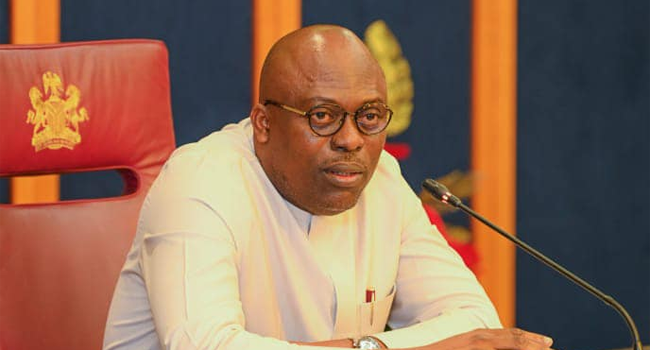
Rivers State has become the second state to adopt the Nigerian Startup Act, following Kaduna. The state could experience economic growth and the dawn of a new, sustainable era of startup-led technological advancement.

One month after Kenya scrapped visa requirements for Africans, the government has launched a digital platform, eliminating the need for visa applications. Starting January 2024, global travellers can obtain an electronic travel authorisation in advance.

The Federal Competition and Consumer Protection Commission (FCCPC) has said it can’t stop unsanctioned loan apps because they use wallets of Payment Solution Service Providers (PSSP) for their transactions.

The Corporate Affairs Commission (CAC) has directed Nigerian companies with foreign shareholders to raise their minimum paid-up capital from ₦10 million to ₦100 million.

Startups, investors, and accelerators can now register on the Startup Act’s support and engagement portal to access funding, tax relief, and other benefits.

Removing visa restrictions is a great first step to encouraging intra-African travel and trade. Nonetheless, obstacles like expensive transportation costs exist. Here’s why Rwanda and Kenya’s visa-free policies are insufficient.

Kenya will launch digital IDs by December 2023, enabling residents to transact and identify themselves using data from their fingerprint and iris.

Kenya has opened its first smartphone assembly plant in Athi River, Machakos, to produce low-cost 4G-enabled phones. Retail pricing for the devices starts from KSh 7,499 ($49.81).

Nigeria’s tech space has come a long way since 1960, and while we have innovative individuals and companies to thank, there wouldn’t be a tech space without some policies, 12 of which you can find in this article.

@FMoCDENigeria has unveiled plans to equip 3 million Nigerians with tech skills. It plans to retain 1.5 million in the country, while the remaining can explore global opportunities.

The Somali government has announced that it will ban TikTok, Telegram, and 1Xbet, an online betting site, to combat and stop indecent activities and propaganda for extremism.
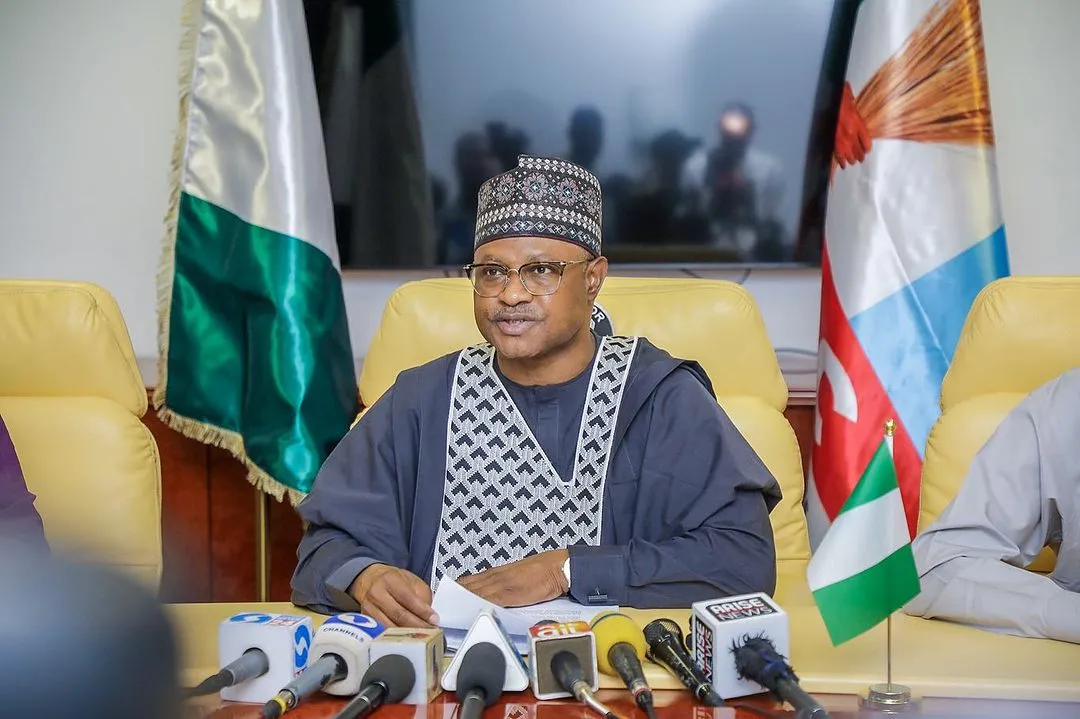
The Kaduna State government has signed a law domesticating the Nigeria Startup Act. But how effective will that be in driving the development of startups in the state?

Bosun Tijani steps into a landmark role as Nigeria’s Minister of Communications. From managing expectations from different parts of the tech industry to navigating bureaucratic red tape, his challenges are multifaceted.

Kobo 360 founder, Obi Ozor, has been sworn in as the Commissioner for Transport in Enugu state a week after Bosun Tijani was included in President Bola Ahmed Tinubu’s ministerial list.

Senegal has cut off Internet access in the country to curb the spread of “hateful social media messages” on social media.

A judge has suspended Kenya’s Finance Act after some lawmakers filed a suit challenging its constitutionality.

The Central Bank of Nigeria (CBN) recently announced it would be operating a floating exchange rate. In this article, we explore its potential impact on venture capital investments in the country.