


Cryptocurrency





Top stories

The executive order establishes a Virtual Asset Council that will bring together key financial, revenue, and security agencies to improve regulatory coordination while supporting responsible innovation.

People buy stablecoins like USDT and USDC not to immediately convert, but to hold it, pay suppliers with it, settle cross-border business transactions, or simply maintain dollar exposure they couldn’t easily get elsewhere.
Before the emergence of platforms converting crypto-to-cash, Nigerians relied heavily on P2P marketplaces, Telegram or WhatsApp traders, and manual transactions that were slow, technical, and prone to scams.

ForgeLayer is replacing upfront subscription fees with a pay-as-you-go pricing model after customers expressed concerns about committing to fixed monthly costs before seeing results.

After raising $5.5 million to help people swap crypto between blockchains, Polytope Labs is building an on-chain stablecoin infrastructure.

NoOnes has confirmed that Ray Youssef is no longer its CEO, marking another twist in the former Paxful chief’s turbulent crypto journey. The leadership shake-up comes years after Paxful’s controversial shutdown amid regulatory and governance concerns.

Nigeria’s ₦2 billion capital requirement for crypto exchanges is meant to create a stronger crypto ecosystem, but it may end making foreign players stronger and local players weaker.

When Nigerian businesses struggle with broken payment rails, stablecoins are filling the gap. From iShowSpeed paying a jeweller with crypto to Breet launching a stablecoin API, digital dollars are becoming real infrastructure

Worldcoin has deleted all biometric data collected from Kenyans after a High Court ruled the project’s data practices unlawful.

Eric Annan bought bitcoin at $354, but after losing all his crypto earnings to failed businesses, the lessons he learned led him to build Aya HQ, one of Africa’s biggest Web3 incubation programmes.
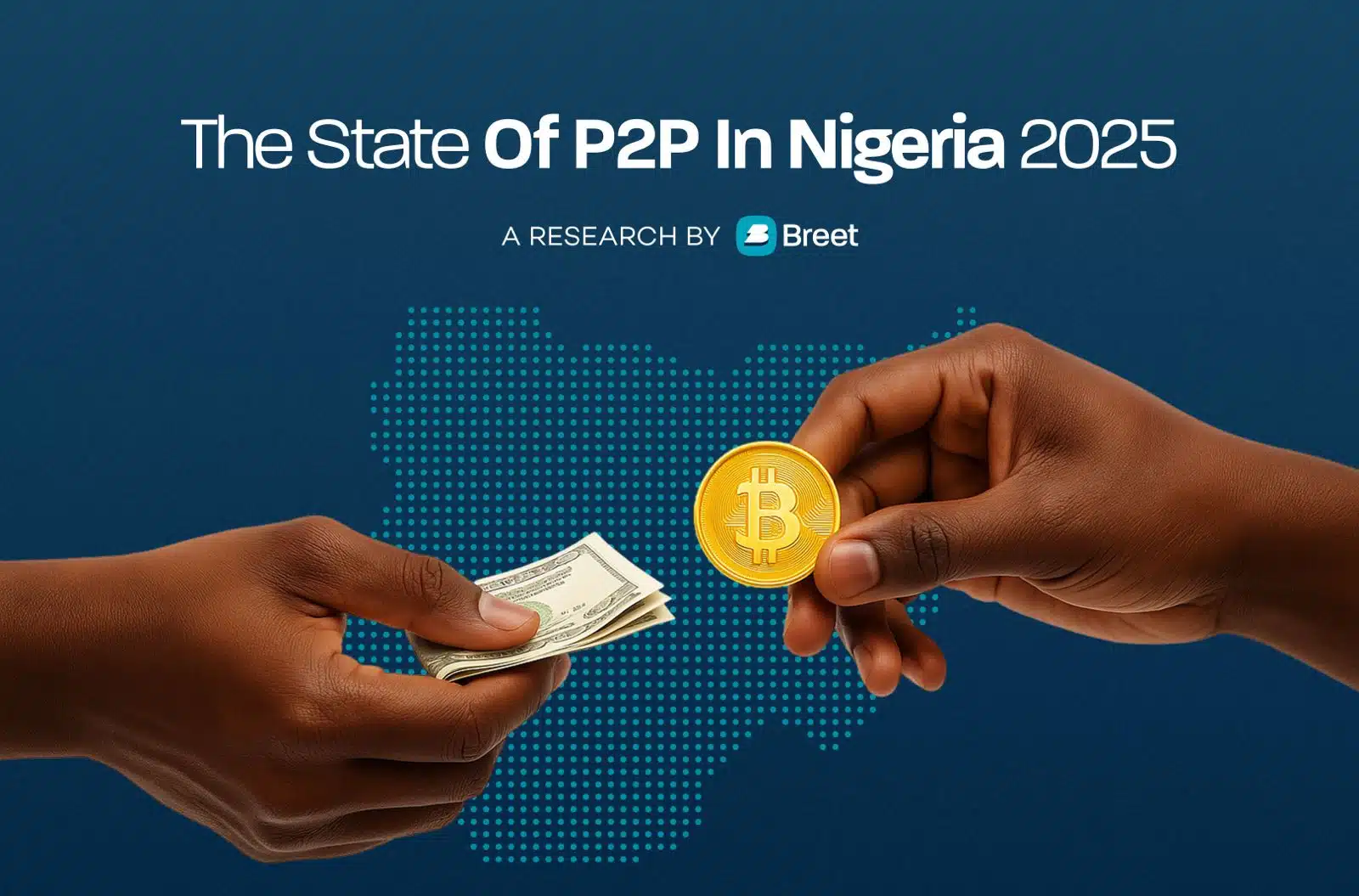
Breet reveals the truth about P2P in Nigeria after analysing 20,000 related tweets and initiating over 100 trades on different platforms.

Flutterwave is set to begin stablecoin payments on the Polygon blockchain. The fintech will begin a pilot that will allow merchants to use USDC for cross-border transactions.
Nigerian crypto exchanges control only a small share of the local market, as international platforms and peer-to-peer (P2P) channels dominate nearly 90% of trading activity across the country.

85% of Nigerian crypto investors earn below ₦250,000 monthly. According to a new report, most crypto investors in the country are students, self-employed, and freelancers.

ModStealer is a new strain of malware that appears as a job ad, but can steal crypto from browser-based wallets. Here’s how it works an how to avoid it.

As Nigeria’s first regulated stablecoin, cNGN, expands in use and circulation, some experts are voicing concerns and criticisms.
Riyadh-based venture capital Adaverse recently invested in cNGN, Africa’s first regulated stablecoin project; Here’s why.

The Kenyan Government imposed a 10% excise duty on all crypto transaction fees by exchanges. Here is what Tax experts in Kenya think

ViFi Labs acquires OneRamp to tap a $540bn institutional stablecoin market across Africa and LATAM, positioning itself as the go‑to on‑chain FX venue.