
MyFitnessPal built its reputation as the default calorie tracker for over a decade, but plenty of longtime users have quietly started looking for a change. Rising subscription prices, ads on the free tier, and features locked behind paywalls have pushed people to search for a genuine myfitnesspal alternative that doesn’t ask them to pay for basics they used to get for free.
The shift didn’t happen overnight. For years, MyFitnessPal’s massive food database was its biggest selling point — millions of entries meant you could almost always find what you were eating. But that size comes with a tradeoff: much of the database is crowdsourced, which means duplicate listings, inconsistent serving sizes, and calorie counts that vary depending on which entry you happen to tap. Scan the same product twice and get two different numbers, and the database’s size stops feeling like an advantage.
Then came the paywall creep. Barcode scanning, once a free feature, moved behind a premium subscription. Macro tracking followed. The free version still displays ads, which makes the app feel less like a free tool and more like a trial version nudging you toward a $79.99 annual fee. For casual users who just wanted to track meals without financial commitment, that shift changed the entire value proposition of the app.
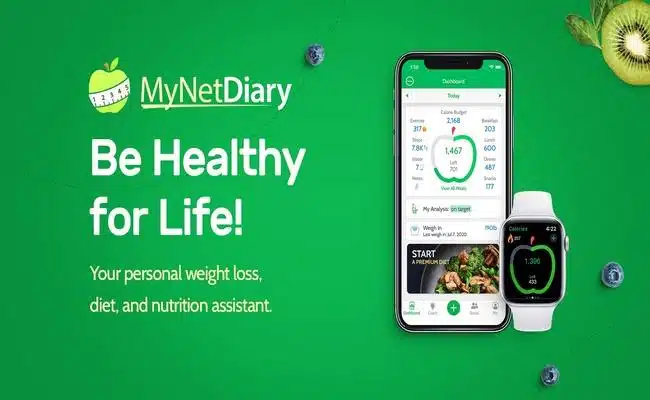
This is where alternatives have gained ground. Some platforms, including https://www.mynetdiary.com/, kept core features — barcode scanning, macro breakdowns, meal logging, community support — completely free and ad-free, which matters a lot for anyone who isn’t ready to pay before they’ve confirmed the habit will stick. Beyond cost, these alternatives often differentiate themselves through nutritional depth: tracking over a hundred nutrients instead of the fifteen or so most basic trackers cover, giving a far more complete picture of fiber, sodium, and micronutrient intake rather than just calories and three macros.
Database accuracy is another point of divergence. Staff-verified entries, cross-checked against official nutrition sources and updated daily, tend to hold up better than sprawling crowdsourced lists — especially for home-cooked meals, regional foods, or anything slightly off the beaten path. Logging speed matters just as much in practice. An app that takes fifteen taps to record a sandwich will get abandoned within a week, no matter how impressive its database looks on paper.
Switching trackers isn’t purely about escaping ads or fees, though — different apps genuinely suit different goals. Someone managing a medical condition needs different features than someone training for a race. Before committing to a new platform, it’s worth checking a resource like the https://www.mynetdiary.com/diet-app-scorecard.html, which compares leading trackers side by side on accuracy, cost, and usability rather than marketing claims alone.
For users who’ve grown tired of ads, paywalls, and inconsistent data, 2026 has brought more legitimate alternatives than ever. The best move isn’t loyalty to whatever app you started with years ago — it’s picking the tool that actually fits how you eat and log food today, without fighting the interface to get there.