



Privet,
Victoria from Techpoint here.
Here’s what I’ve got for you today:
- M-Pesa texts help bust bribery ring inside KRA
- Starlink nears legal entry into Cameroon
- Starlink’s South Africa saga drags on
M-Pesa texts help bust bribery ring inside KRA

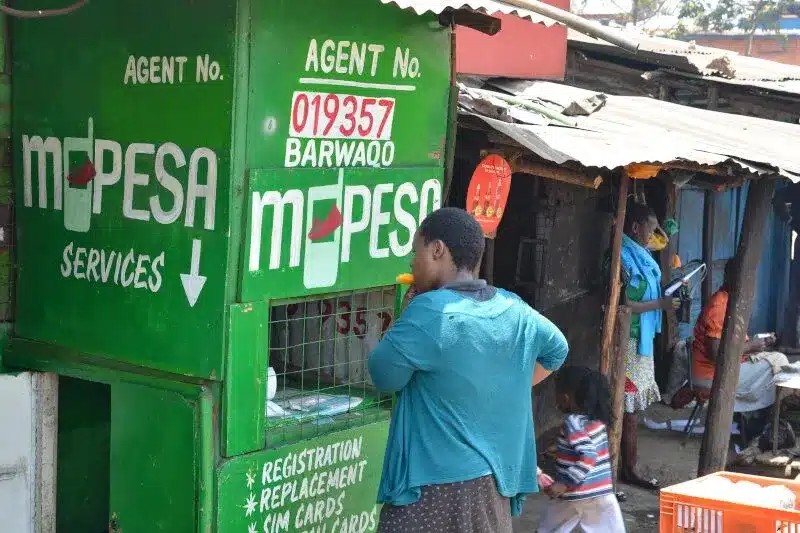
A web of M-Pesa transactions and incriminating text messages has helped expose a bribery ring involving staff at the Kenya Revenue Authority (KRA), court documents show. Investigators allege some tax officials colluded with taxpayers and middlemen to launder bribes through M-Pesa under the guise of “soft loans” and merry-go-round contributions to avoid detection.
The corruption ring didn’t just hide cash. According to evidence presented in court seen by BusinessDaily, tax officers were cutting government revenue by furnishing special clearances or favourable treatment in exchange for mobile payments. Text messages tied to the M-Pesa numbers allegedly used show officials coordinating payments, disguising them as everyday transfers to slip past internal controls.
M-Pesa, Kenya’s ubiquitous mobile money system, has made it easy to move cash, but investigators say that convenience was exploited here. By masking bribes as small loans or community contributions, the alleged conspirators hoped to fly under the radar of compliance systems. The texts and transaction trails helped prosecutors map out who was paying whom and when, turning the mobile money platform into a key piece of evidence.
The case underscores a larger headache for KRA as it battles to protect revenue and stamp out corruption within its ranks. The authority has already fired and disciplined staff over graft in recent years and even brought in external partners to tighten oversight. But incidents like this one show how complex corruption can get when it’s buried inside everyday tools like M-Pesa.
For taxpayers weary of graft and revenue loss, the revelations are both shocking and familiar, raising questions about how far tax cheats and crooked officials will go to game the system. As the case moves through the courts, all eyes are on whether accountability will finally follow the trails left on people’s phones.
Starlink nears legal entry into Cameroon

Cameroon is inching closer to officially welcoming Starlink. The country’s telecoms regulator, Agence de régulation des télécommunications (ART), has completed the draft concession agreement and technical rules that would allow Starlink Cameroun Sarl, SpaceX’s satellite internet arm, to operate legally. With that done, Starlink can now move to the next step: seeking formal authorisation to sell its service to users in Cameroon.

Victoria Fakiya – Senior Writer
Techpoint Digest
Stop struggling to find your tech career path
Discover in-demand tech skills and build a standout portfolio in this FREE 5-day email course
This didn’t happen overnight. Starlink’s Cameroon story has been messy and sensitive. In 2024, the company publicly ceased services in the country after failing to secure approval, despite some users continuing to access the Internet via roaming kits purchased abroad. That grey-market usage eventually triggered a government clampdown, with authorities citing national security and digital sovereignty risks before Starlink fully pulled the plug.
Talks restarted in June when a Starlink delegation met with the Minister of Posts and Telecommunications in Yaoundé, reopening the door to regulation rather than restriction. Since then, regulators have been working through the paperwork quietly, against the backdrop of a fast-growing internet market where mobile data dominates and fixed broadband struggles outside major cities.
That context matters. Cameroon’s internet penetration is still under 50%, fixed-line subscriptions are shrinking, and Camtel’s terrestrial networks remain expensive and slow to roll out nationwide. Starlink’s appeal is simple: fast internet, quick installation, and reach into remote areas where fibre and mobile towers don’t easily go. But experiences in countries like Kenya have also shown that satellite networks can struggle when demand spikes too quickly.
So if Starlink gets the final green light, it won’t be a free-for-all. Authorities are expected to impose strict rules around capacity limits, service quality, data protection, and competition. Still, approval would mark a significant shift, potentially reshaping how Cameroonians access the Internet, especially in areas far beyond the major cities.
Starlink’s South Africa saga drags on

We started the year talking about Starlink and South Africa, and it looks like we’re ending it the same way. Once again, Elon Musk’s satellite Internet company is caught in a policy and political tug-of-war that could delay its long-awaited entry into the country.
The latest issue centres on a new government directive that changes how foreign companies can meet South Africa’s empowerment rules. Instead of giving up 30% ownership to local Black investors, companies like Starlink could now invest in infrastructure, community projects, or digital programmes. The idea is to make it easier for advanced services like satellite Internet to roll out faster.
Communications Minister Solly Malatsi says the shift came after public consultations and strong support for broader internet access, especially in rural areas. If approved, it would allow Starlink to operate without local ownership, something Musk has resisted globally. But that’s exactly where the pushback is coming from.
Lawmakers and the ruling African National Congress (ANC) are not impressed. Khusela Sangoni Diko, who chairs the parliamentary communications committee, has described the move as a step backwards, warning that it weakens years of effort to ensure historically disadvantaged groups benefit from key industries. There are fears that opening the door this way could let foreign firms dominate a strategic sector.
Still, for many South Africans, this isn’t just politics. Internet access remains scarce in rural communities, and satellite broadband could be a game-changer for schools, businesses, and households. With the issue now headed for review next year, Starlink’s timeline remains uncertain. How South Africa balances inclusion, control, and connectivity could shape how other African countries handle similar battles.
In case you missed it
What I’m watching
- Top Harvard Professor: The Psychology Of Why People Don’t Like You!
- Communication Explained In 10 Minutes
Opportunities
- Cavista’s Code Create Conquer hackathon is here.
- Have you bought any Techpoint Africa product before? We’d love your feedback! Fill out our customer survey here.
- Moniepoint is hiring for over 100 roles. Apply here.
- IHS Towers is hiring a Health, Safety & Environment (HSE) Analyst. Apply here.
- Western Union is looking for a Business Development Associate, Junior, North and Anglophone West Africa based in Lagos, Nigeria. Apply here.
- MTN is hiring a Specialist, Commercial Planning and Analytics, Commercial, at Victoria Island, South West Region, Nigeria. Apply here.
- FairMoney is hiring a Golang Backend Engineer. Apply here.
- M-KOPA is recruiting a Director of Product Design. Apply here.
- Standard Bank Group logo is hiring a Team Lead, Northwest 1 & 2. Apply here.
- We’re hosting a debate on AI in daily life. Join us to share your insights and perspectives.
- Techpoint Africa is creating a video series where people discuss and debate policies and current events. If you enjoy thoughtful conversations, fill out this form. Apply here.
- Are you building a startup can feel isolating, but with Equity Merchants CommunityConnect? You can network with fellow founders, experts, and investors, gaining valuable insights and exclusive resources to help you grow your business. Click here to join.
- Help us make Techpoint better for you! Your feedback shapes what comes next (your responses may potentially save my job. A bit dramatic, but still). It will only take 30 seconds to tell us what works and what doesn’t. Fill it here.
- To pitch your startup or product to a live audience, check out this link.
- Have any fresh products you’d like us to start selling? Check out this link here.
- Follow Techpoint Africa’s WhatsApp channel to stay on top of the latest trends and news in the African tech space here.
Have a lovely Tuesday!
Victoria Fakiya for Techpoint Africa