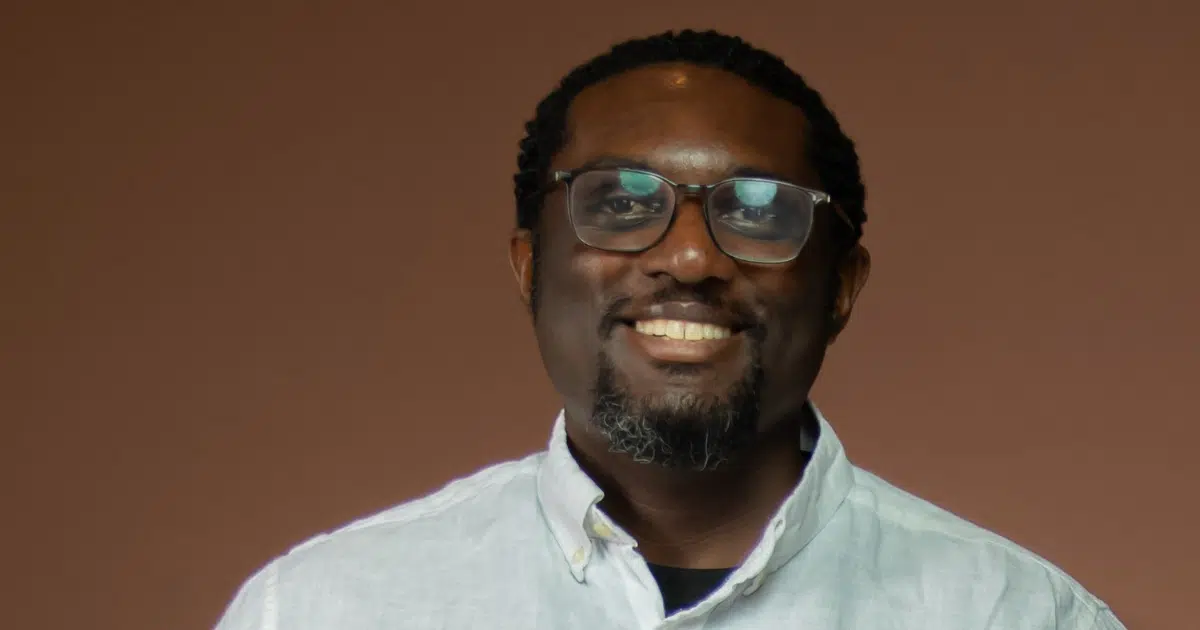



As a photographer, Richmond Nwachukwu has seen a 4% decline in his revenue since people began generating images of themselves with AI. It is a small loss, but as the technology improves, it could become a real concern for photographers.
Using AI to generate professional portraits or even birthday photos is becoming popular. Instead of paying ₦150,000 ($103) for a photo session, people now generate polished images with AI.
According to a survey of professional photographers by Great Big Photography World, 44% say they are worried about the impact of AI on photography, 33% feel optimistic about it, and 22% say they are indifferent.
Whether good or bad, most photographers agree that AI already has some impact. The scale of this impact is still debated, and photographers take different positions on how to respond to the rise of AI in their industry.
AI has been in photography for a while
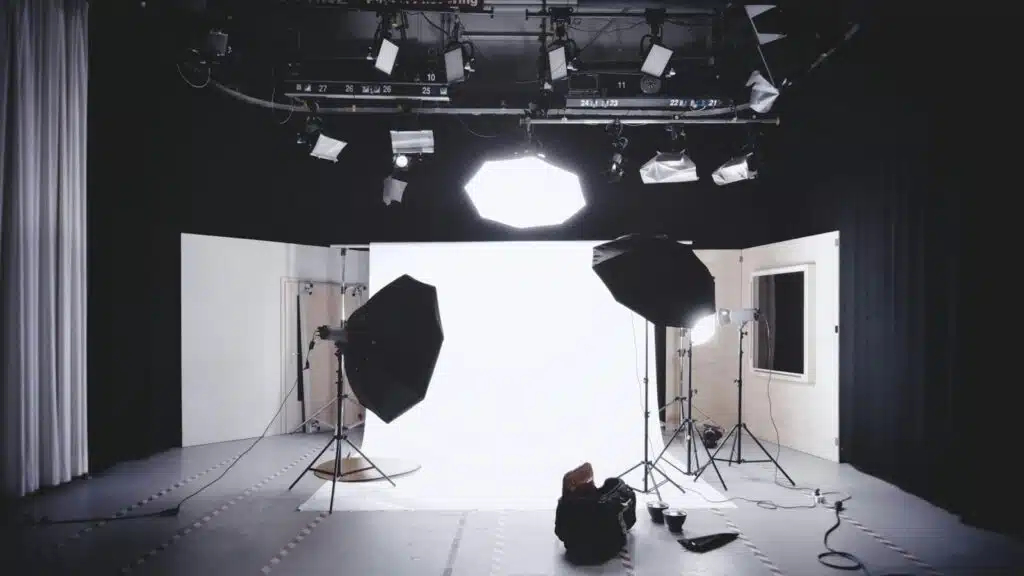
AI did not enter photography when tools like Midjourney and Gemini’s Nano Banana became popular. Phones and cameras have used some form of AI for years. Most people simply do not call it AI because it sits behind features like night mode, portrait mode and autofocus.
A modern smartphone does more than take a picture. It often captures several images at once and uses machine learning to combine them into one detailed shot. Apple, Google and Samsung all use this method in their camera systems.
This is known as computational photography, and it explains why a phone can take clear pictures at night or brighten a face even when the lighting is poor.
Professional cameras also use AI. Many DSLR and mirrorless cameras now have face and eye tracking powered by machine learning. Photographers rely on this feature when shooting moving subjects.
Editing tools like Lightroom and Photoshop use AI to remove noise, smooth skin, and sharpen images. In short, AI has been helping photographers for a long time.
Victoria Fakiya – Senior Writer
Techpoint Digest
Stop struggling to find your tech career path
Discover in-demand tech skills and build a standout portfolio in this FREE 5-day email course
The new kind of AI we have today is text-to-image models, which do not improve a picture. They create a picture from texts.
You do not need a camera, a studio or a photographer. You only need a prompt. This is very different from computational photography. One improves photography. The other replaces it.
This shift explains why people now generate birthday portraits or professional head shots without taking a single picture. The technology moves from assisting photography to taking over some of its work completely.
People enjoy generating images with AI
The frequency of AI-generated images posted on social media shows that it is now a common trend. A report by Everypixel estimates that in 2024, about 34 million AI images are generated each day. The report also notes that since OpenAI helped make generative AI mainstream in 2022, people have created more than 15 billion images with text-to-image models.
Adobe Firefly, the suite of AI tools built into Adobe Photoshop, is one of the most popular platforms for image generation. It reached one billion images created within its first three months.
OpenAI also reports that people create about 2 million images per day with its image generation model, although it does not specify the time period covered.
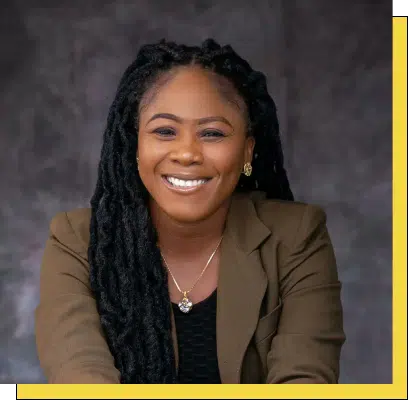
From the trends seen on social media in Nigeria, Google’s Gemini appears to be the preferred model for personal images. Esther Uduma’s viral birthday pictures were created with Gemini, and the results were so convincing that she began selling prompts to people who wanted similar outcomes.
How people feel about AI-generated images
When Uduma uploaded her birthday pictures generated by Gemini, most people were stunned and wanted to know how she did it. But not everyone gets that reaction.
When X user HiDreams created AI images of herself for her twenty-fifth birthday, the post did 9.5 million views — partly because she turned twenty-five on the twenty-fifth of November in 2025. But unlike Uduma, whose prompting skills were praised, HiDreams’ post sparked a debate about whether AI was erasing people’s real memories.
One reply read: “When we get older, and our memory is not what it used to be, and we need photographs to help us look back at major milestones, I cannot imagine the mental dissonance of looking at a picture of yourself at fifty-plus and realising it’s not you — it’s an AI version.”
Another person wrote: “Happy birthday to her, and not to be that person, but using AI to remake an image of yourself on what’s meant to be an important day is the real thief of joy. For people who do birthday photo shoots, the process is one of the most exciting parts.”
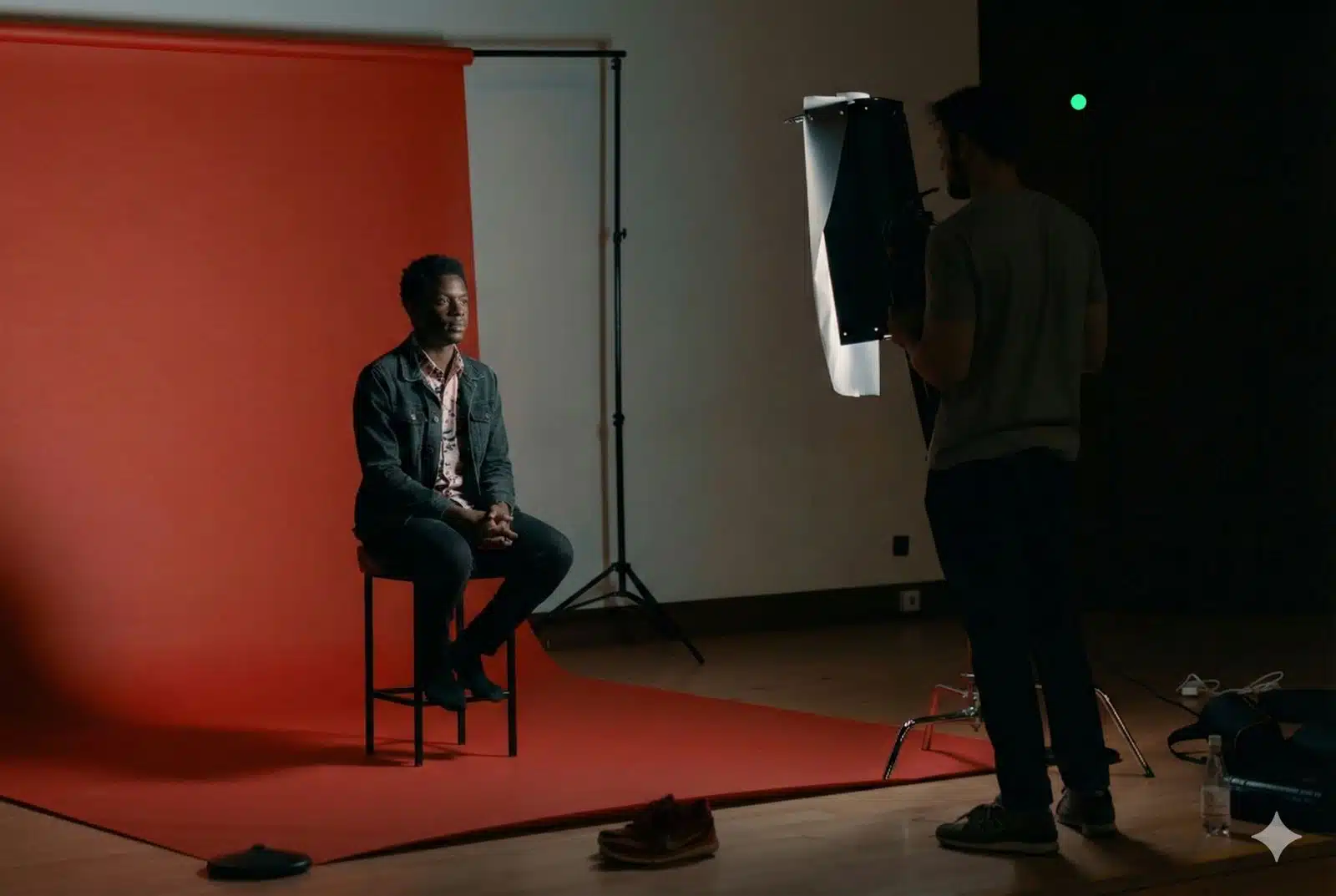
This tension is exactly what professional photographer Carl Taylor addressed in his video titled You think AI is about to kill photography? THINK AGAIN! Taylor argued that AI cannot replace the human connection at the core of photography.
“In photography, we work with art directors, models, stylists, make-up artists, set builders,” Taylor said. “These people come together to create not just pictures, but a story.
“Recently, I was updating my website with some behind-the-scenes material and it struck me how many important ideas, friendships, and business relationships came from those personal interactions. Tech automation removes all of these experiences,” he said.
What a professional prompter feels about AI-generated images
Uduma became a professional AI prompter by accident. She needed to submit a professional headshot at work and also needed to pay for a course important to her career. Instead of paying for a photoshoot, she paid for the course.
“I remember seeing a post about Gemini’s Nano Banana and how it was making realistic pictures,” she tells Techpoint Africa.
She decided to turn pictures she had taken on her way to church into professional headshots, and that was the beginning of her journey into prompting. “People still think that’s my real picture, and till today I’ve never told anyone it is an AI-generated picture.”
After creating an image that was almost indistinguishable from a studio portrait, Uduma went back to Gemini to create more, learning the tweaks and tricks needed for the best results. She first dazzled colleagues at work before bringing her creations online — where they immediately took off.
“I started getting DMs,” she says. Those messages showed her how interested people were in learning how to generate striking images with AI, and she turned that demand into a business. She started selling handbooks that teach people how to craft prompts that deliver the best outcomes. Launched at about ₦6,000 ($4.15) she has sold almost forty copies.
While Uduma is profiting from people’s growing appetite for AI-generated images, she does not believe photographers are going anywhere. “It is like creating memories,” she says. “You can’t replace real pictures with AI-generated images; you can always tell.”
But what happens when AI develops to a point where you can’t tell?
Can AI replace photography? What photographers think
For Richmond Nwachukwu, AI was always meant to enhance photography, not recreate entire images. “AI originally was just meant to enhance and not put the complete piece together to create an image that is clearly not you,” he says. During his conversation with Techpoint Africa, it was clear he was unhappy with how casually people now use AI to generate portraits.
Nwachukwu, who has been a photographer for three years and charges approximately ₦150,000 per session, says he has seen clients opt for AI instead of booking a shoot, usually due to cost or time constraints. Still, he estimates that what he calls the “AI pandemic” has only reduced his income by roughly four per cent over a certain period.
For Oluluwa Balogun Taiwo, who mostly shoots events, AI has not affected client demand. In fact, he is confident that AI cannot replace his work anytime soon — or ever. “AI can’t shoot Olamide’s concert, it can’t shoot a live wedding,” he says with a laugh. Taiwo also conducts birthday photoshoots and believes the results from AI tools are still subpar. “People who want quality and originality will surely book a session.”
But the bigger question remains: what happens when AI becomes so good that its images are indistinguishable from real photography?
“Humans, too, will get better,” Taiwo argues. For him, photography is not just about capturing images but telling stories. Several people who shared their thoughts online also said the photoshoot itself — the process, the energy, the collaboration — is an experience they would happily pay for.
And there are areas of photography AI simply cannot touch. From serendipitous moments at football matches to street protests and war-torn regions, many elements of photography rely on timing, presence and human instinct.
Yet some parts of the industry are already under pressure. Stock photography is one of the biggest casualties. Getty Images acknowledged that its flagship “Creative” stock segment declined by nearly five per cent year-on-year in 2024.
Ayorinde Olajire, a Nigerian stock photographer, told Business Day that demand for his work has dropped by 40% because of AI.
Surveys by the Association of Photographers over the last three years show that the share of members who have lost work to generative AI rose to 30% by September 2024.
What is clear is that photography will not remain the same. AI will keep reshaping parts of the industry, but the most essential aspects of the craft — the ones built on timing, emotion and trust — remain human for now.
This report was produced with support from the Centre for Journalism Innovation and Development (CJID) and Luminate.