



Ayodeji, a digital animator in Lagos, has two 25-litre jerrycans, a 4KVA generator, and an inverter with four batteries. Yet, in the past two weeks, none of these alternatives has kept him safe from the lack of power sweeping across the country.
“Electricity in this area has been unpredictably epileptic to put it mildly. You could have light for a day or two, maybe three days if Ikeja Electric is feeling generous, and then you could easily go nine days without a blink of electricity. On other days, electricity could be off and on five to six times within the same 60-minute period,” Ayodeji says.
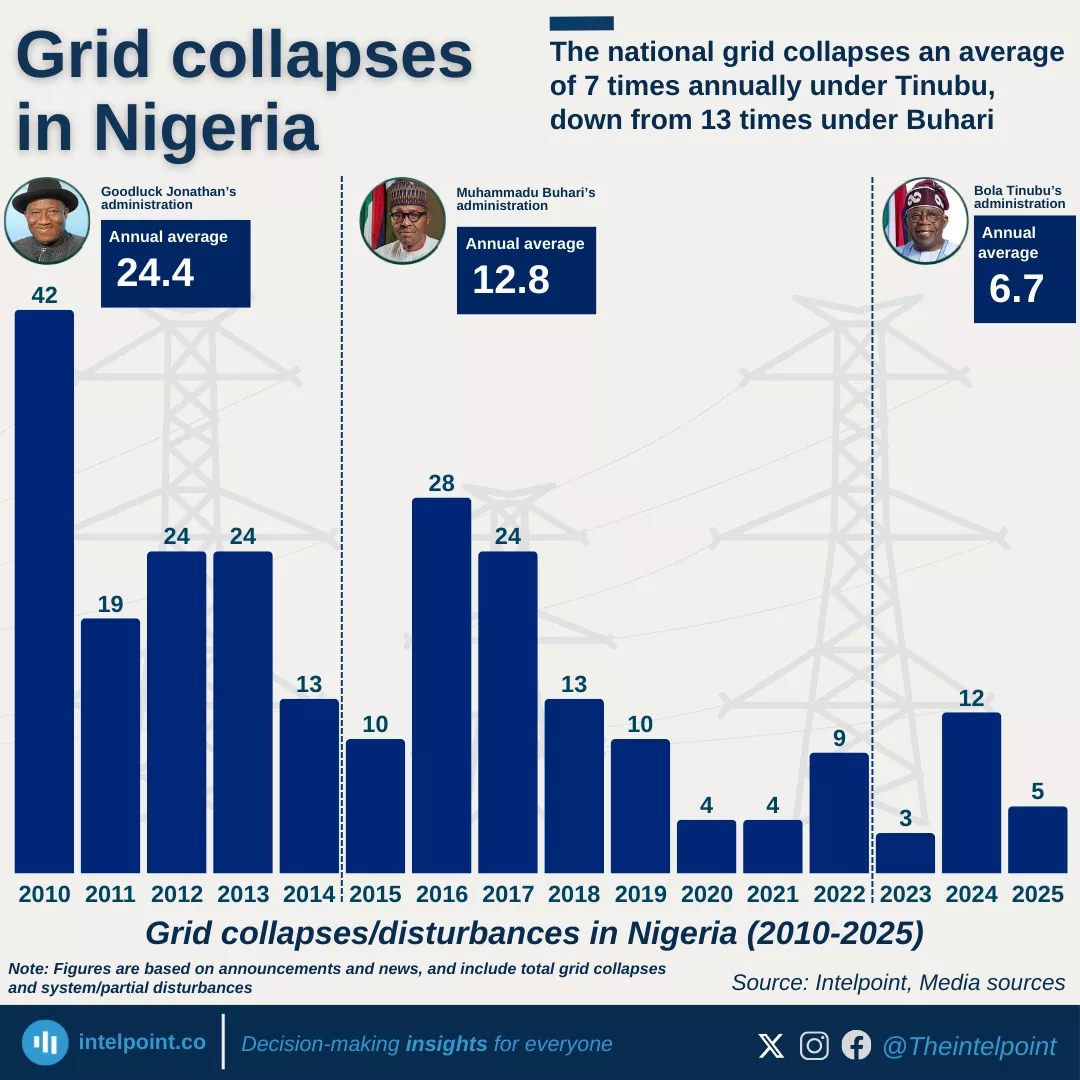
Nigeria has long struggled with power instability. Between 2010 and 2025, the country recorded 244 grid collapses. In recent weeks, things have gotten worse. Gas shortages have forced several power plants to cut generation, leaving many Nigerians without electricity for days.
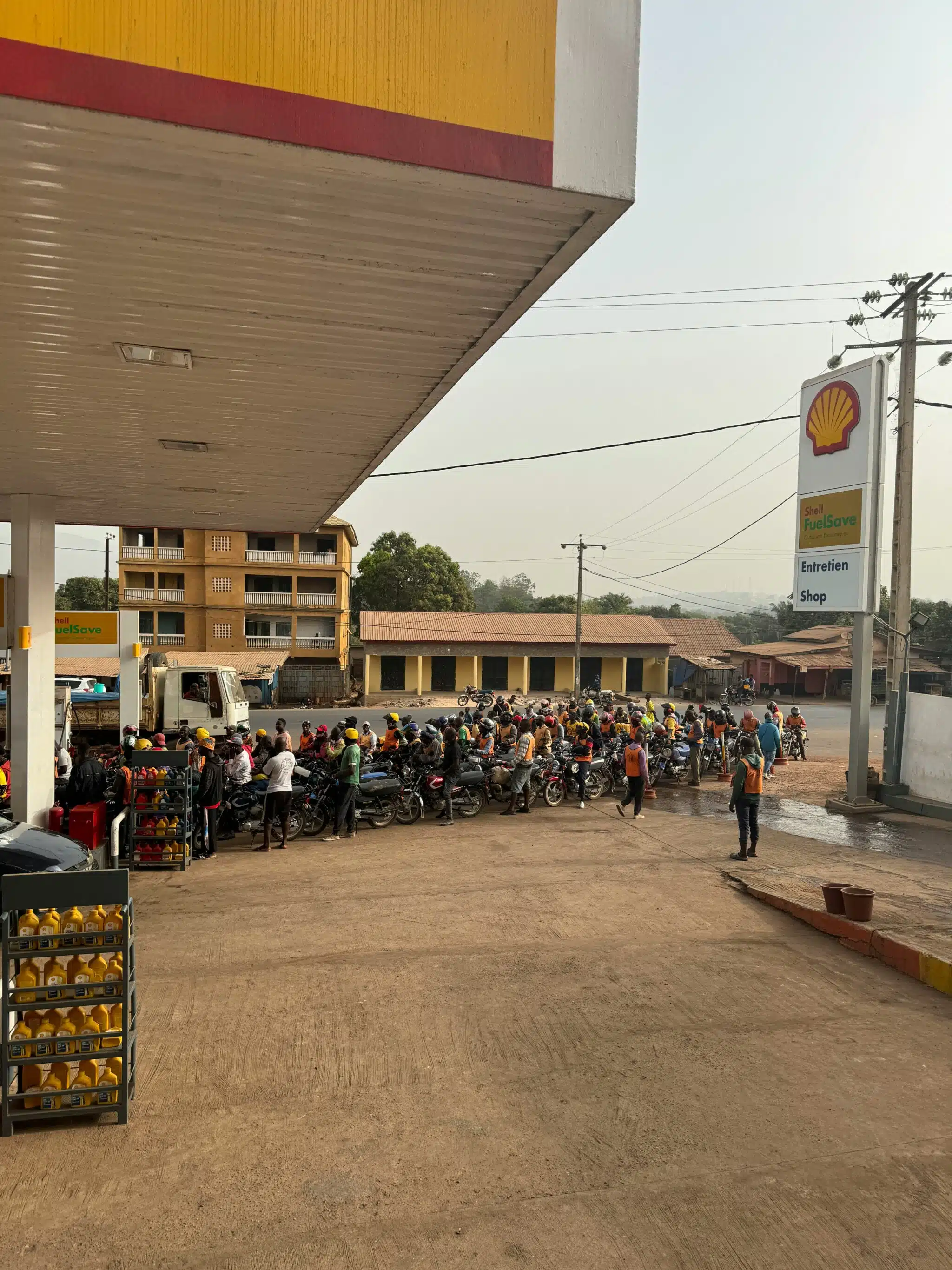
At the same time, petrol prices have risen sharply, from around ₦1,000 to as high as ₦1,300 per litre in some locations. The increase follows a series of price hikes by Dangote Refinery. The refinery, touted to help reduce local PMS (Premium Motor Spirit) costs at its completion, has raised petrol prices three times in a week, moving from ₦774 to ₦995, then to ₦1,175.
For the 84% of urban households in Nigeria relying on generators for backup power, this increased cost has placed an enormous strain on their finances. For tech workers in the country, many of whom work remotely and require stable electricity and Internet access, these issues have made it increasingly difficult to work.
Inconsistent power and productivity
For Ayodeji, the financial strain has been immense. In February 2026, he was spending ₦40,000 to fill his two 25-litre jerrycans. Today, that same quantity of petrol costs him ₦54,000, a 35% jump in just a few weeks.
“That amount of petrol can get me through the week if I’m burning through it daily to charge my inverter and cool my fridge,” he said. “But if the electricity comes and goes, it can be utilised for up to two weeks.”
Gideon, a digital games developer based in Benin City, faces similar costs. He runs his generator through the night from 8pm until 7am, then again in the afternoon for meetings. That costs him between ₦10,000 and ₦13,000 every single day.
Monthly, that translates to anywhere between ₦300,000 and ₦390,000 spent purely on petrol. This figure does not include Internet subscriptions or the cost of working from hotels and cafés when the situation becomes unmanageable.

Victoria Fakiya – Senior Writer
Techpoint Digest
Stop struggling to find your tech career path
Discover in-demand tech skills and build a standout portfolio in this FREE 5-day email course
Beyond the financial cost, power outages are directly eroding the quality and consistency of the work these individuals can deliver.
Ayodeji’s job as a digital animator requires focus and uninterrupted output. Running a loud generator in the background makes it tough.
“I have actually lost a client or two for not being able to meet deadlines due to poor electricity and constant struggles for petrol,” he said.
When things get bad enough, he packs up his work tools and checks into the cheapest hotel he can find to get a sustained power supply. On the occasions he spends hours queuing at petrol stations, he comes home exhausted, takes a nap, and wakes up to work against an even shorter deadline.
Gideon has managed to protect his productivity to a degree by restructuring how and when he works.
“During the day, I focus on lighter tasks because my laptop battery can last through meetings and admin work. I avoid heavy or deep work during that time and reserve more intensive tasks for periods when I have stable power,” he says.
Daniel, a digital marketer and brand manager, has a similar experience. He notes that he does a lot of work under pressure, as deadlines are continuously adjusted. His typical workday now involves trying to find petrol or a co-working space to work out of, which has significantly affected his productivity.
Locked out of opportunities
What these workers describe goes beyond personal frustration. It points to a structural problem with remote work as a viable work option in Nigeria.
Gideon, who is involved in building opportunities for creators in the region, highlights what unreliable power means for the broader ecosystem.
“Not everyone can afford to work from cafés or pay for constant alternative power,” he says. “It definitely affects how accessible remote work can be for many people.”
About 17% of Nigerian jobs are fully remote, and the country’s remote workforce is projected to grow to over 50% in the next decade. Developers, designers, animators, writers, and other digital professionals have increasingly turned to international companies and platforms to earn foreign currency.
But that opportunity is hindered by a persistent infrastructure problem. As with businesses, Nigerian remote workers must absorb the full cost of providing their own power supply. There is no generator, Internet service, or IT team provided by employers. Everything comes out of their own pocket, and right now, that pocket is being stretched in multiple directions at once.
Nigeria’s power infrastructure operates on a band-based system. The Service Band Tariff (SBT), introduced in 2020, categorises electricity consumers into Bands A to E based on their location and the number of hours of electricity supply they are expected to receive.
Households and businesses on Band A are meant to receive more than 20 hours of power daily; those on Band B are expected to receive 16 hours or more of power; Band C locations are expected to receive 12 hours or more of power; while those on Bands D and E are expected to receive roughly eight and four hours, respectively. This system determines both the amount of electricity Nigerians receive and the price they pay for it, with the lower bands being heavily subsidised.
So even when the power infrastructure is not experiencing disruptions, many Nigerians still receive limited supply because of the band they are placed in, while those on higher bands are required to pay higher tariffs for the longer hours of electricity promised.
The Federal Government has announced a 100% subscription of its ₦501 billion bond to clear payment arrears owed to electricity-generating companies; the long-delayed Ajaokuta-Kaduna-gas pipeline is expected to begin operations later in 2026. These are steps in the right direction, but for workers like Daniel, Ayodeji, and Gideon, they do not offer immediate relief.
For now, the options remain the same: spend more on petrol, find a hotel, hope a friend’s generator is running, or miss a deadline that could prove costly.