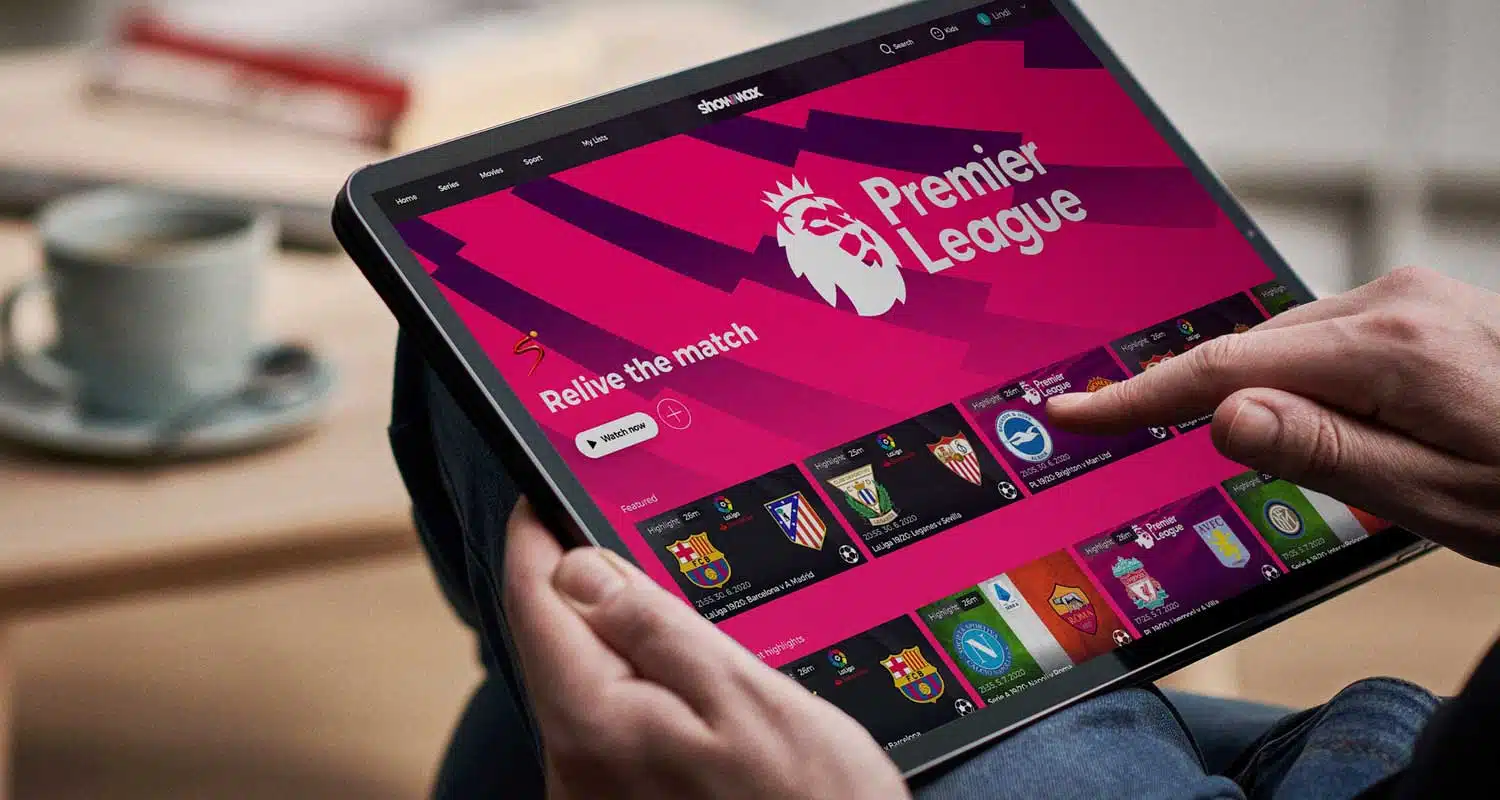




When MultiChoice launched Showmax in 2015, the goal was to create a homegrown competitor to Netflix. Although it reportedly overtook Netflix to become the biggest streaming platform in Africa, MultiChoice has revealed it will sunset the platform.
The decision comes after the acquisition of MultiChoice by French media giant Canal+, which wants to implement sweeping cost reductions across the combined business.
The plan includes cutting roughly $479 million in expenses by 2030 as the company grapples with falling subscribers, currency pressures across African markets, and rising competition from global streaming platforms.
For MultiChoice, the shift is about restoring profitability. But for Africa’s film and television industry, it raises a different question: what happens when one of the continent’s biggest buyers of local content starts spending less?
Why MultiChoice is tightening spending
MultiChoice has struggled with declining subscriber numbers and weaker consumer spending across several African markets.
The company’s subscriber base fell by about 1.2 million users in its most recent financial year, bringing its total to roughly 14.5 million across services such as DStv and GOtv. During the same period, revenue dropped 9% to about $3 billion, while subscription income declined even as the company implemented price increases in some markets.
The company recently reported a headline loss of roughly $49 million, reversing profits recorded in previous years.
Simultaneously, the economics of the media industry is shifting. Streaming platforms have intensified competition for viewers, while piracy and rising data consumption habits are changing how audiences access content. Traditional pay-TV providers are increasingly forced to invest heavily in technology and original programming just to retain subscribers.
As a result, MultiChoice’s acquisition by Canal+ has accelerated the need for greater financial discipline. The French broadcaster has made it clear that the combined business must operate more efficiently, targeting $479 million in cost savings over the next few years.

Victoria Fakiya – Senior Writer
Techpoint Digest
Stop struggling to find your tech career path
Discover in-demand tech skills and build a standout portfolio in this FREE 5-day email course
This push for efficiency is already influencing how MultiChoice approaches spending across its operations, including how much it is willing to invest in new content.
For example, MultiChoice produced 5,340 hours of local content in 2025, an 18% year-on-year decrease from the 6,502 hours recorded in FY24.
It is also demanding a 20% discount on existing supplier invoices, meaning that all MultiChoice service providers, ranging from office suppliers to major production houses and new contractors, will experience revenue shortage.
Interestingly, while MultiChoice plans to cut spending, competitors like Netflix plan to spend up to $18 billion. Prime Video also spent $22 billion on content in 2025, a 10% increase from 2024.
The influence MultiChoice has on African storytelling
For many creators across the continent, MultiChoice has long been more than just a broadcaster. It has also been one of the largest financiers of African television and film.
Through platforms like Africa Magic, the company commissions thousands of hours of locally-produced programming every year. MultiChoice has said it produces around 6,000 hours of local content annually, spanning dramas, reality shows, talk shows, and films across dozens of African markets.
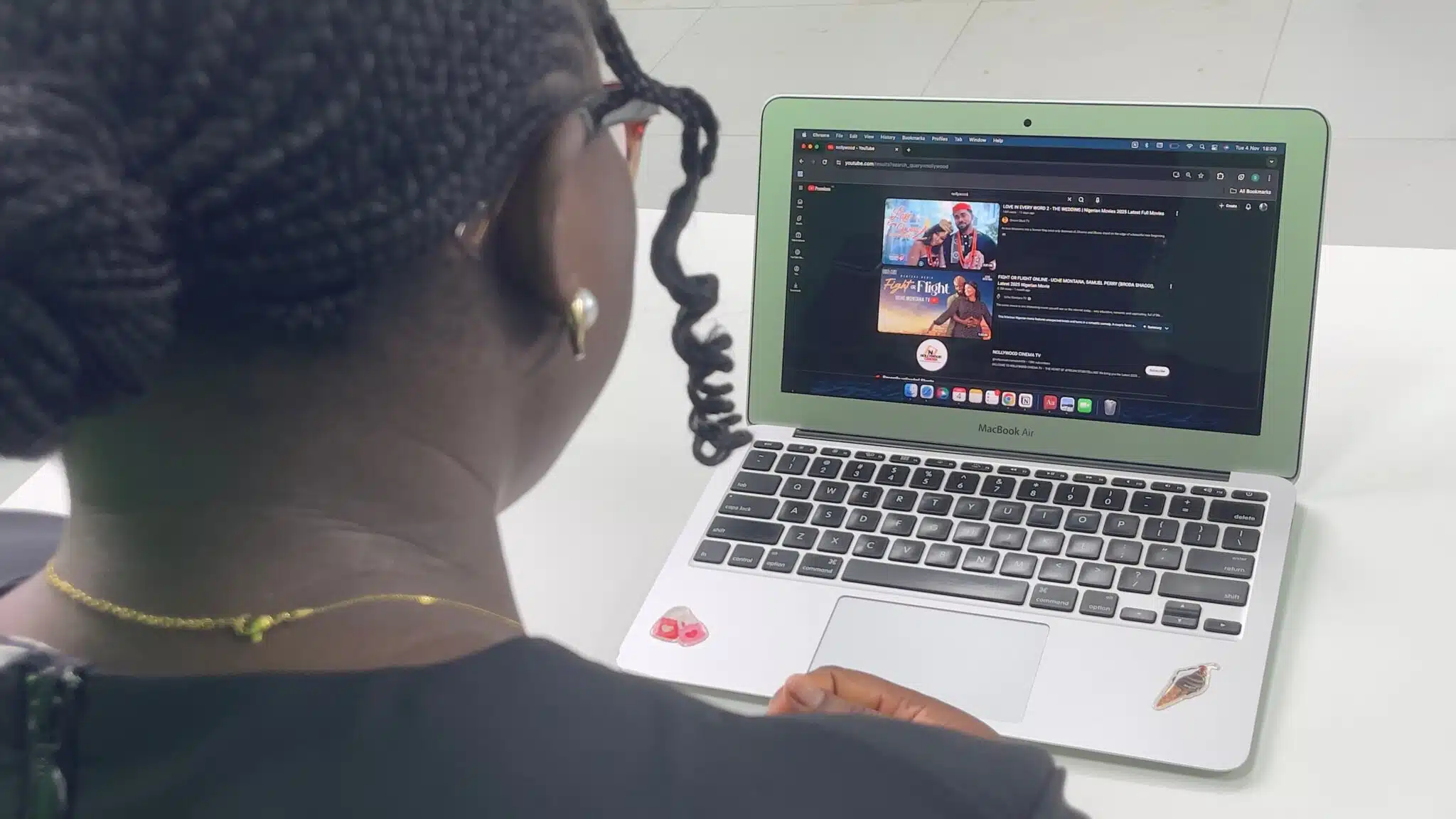
In West Africa alone, the company has invested heavily in acquiring and commissioning content. Over the past few years, MultiChoice says it has spent more than $85 million on productions from the region, much of it tied to Nollywood projects distributed through its channels and streaming platforms.
Beyond content, MultiChoice Talent Factory (MTF) has also played a role in building talent in Africa. The initiative has trained over 360 filmmakers since 2018, providing fully funded 12-month programs that include stipends and production resources at no cost to the students.
The company has also pushed for localisation across its network. Today, MultiChoice broadcasts content in dozens of African languages and distributes programming across more than 50 countries. That reach has helped African productions travel beyond their home markets, giving shows from Nigeria, South Africa, and Kenya audiences across the continent.
If the company becomes more selective about the projects it funds, the effects could ripple through the broader production ecosystem — particularly for smaller studios and emerging creators who depend on broadcaster-backed commissions to bring their ideas to life.
What happens if commissioning slows?
MultiChoice has not said exactly how its spending cuts will affect the types of shows it commissions. But some clues about its future strategy can be found in the projects the company continues to prioritise.
Large, commercially successful productions such as Big Brother Naija (BBNaija) and Shaka iLembe remain central to the company’s programming slate. Both shows attract large audiences and generate significant advertising and subscription interest, making them relatively safe investments in an increasingly competitive media market.
According to one report, BBNaija consistently generates over ₦10 billion, while producing an entire season costs between ₦2.5 and ₦5.5 billion.
If commissioning becomes more “conservative,” as the company has suggested, it could mean a stronger focus on this type of programming, shows with proven audience appeal, or clear commercial potential.
That may leave less room for riskier projects. New creators, experimental formats, or niche storytelling often rely on broadcasters willing to take creative risks. When budgets tighten, those types of projects can become harder to justify because their audience potential is less predictable.
Alternatives are also shrinking for these kinds of projects. Netflix and Prime Video have also cut back operations and commissioning of projects on the continent.
For now, much will depend on how aggressively MultiChoice implements its cost-cutting plans under Canal+ ownership.
But if the company becomes more conservative in commissioning new projects, the shift could mark a turning point, forcing Africa’s film and television industry to rethink where its next wave of funding will come from.