


Last week, Google announced the launch of WAXAL, a large-scale open speech dataset for 21 Sub-Saharan African languages, such as Hausa, Yoruba, Igbo, Luganda, Swahili, and Acholi.
The initiative is the brainchild of a partnership between the tech giant and African research institutions, and it’s designed to enhance artificial intelligence tools for African languages.
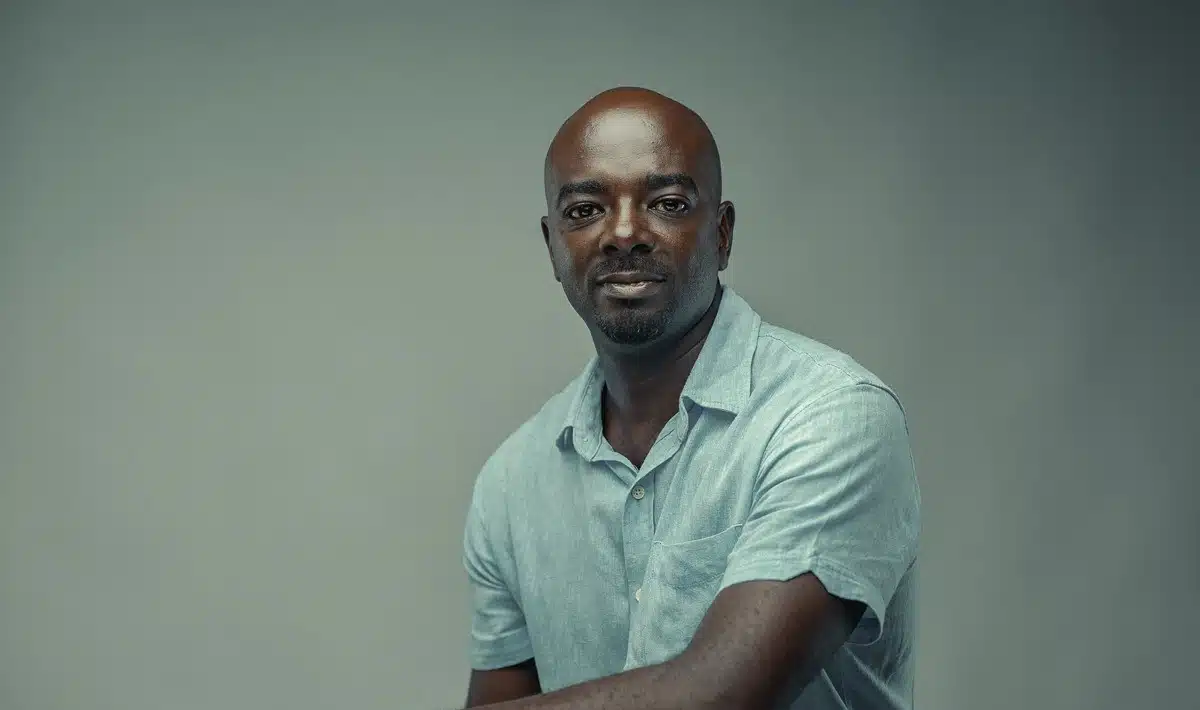
To better understand the initiative and what Africa stands to benefit from it, Abdoulaye Diack, Program Manager at Google Research, shares more insights with Techpoint Africa on the progress made so far and how African researchers can position themselves to be part of it.
After launching WAXAL, which covers 21 Sub-Saharan African languages. Are there plans to expand to other parts of Africa and cover more languages?
Yes. While WAXAL provides a critical foundation for 21 Sub-Saharan languages, we are already expanding our reach. We are currently at 27 languages, with several more in the pipeline.
Our roadmap, as our SVP James Manyika highlighted, is now to collaborate directly with the Masakhane African Languages Hub. This partnership is a shift from just “adding numbers” to building a sustainable, community-led ecosystem.
Masakhane is a grassroots initiative that ensures African languages are developed by and for Africans. For a glimpse of what’s coming next, we recommend watching our Hugging Face repository, the project’s technical heartbeat, where new languages are being processed and released.
How can other African researchers interested in assisting with translation join in adding their local languages to the mix?
We are focused on ensuring that AI isn’t just something that ‘happens’ to Africa, but something that African researchers can lead and define. To support that, we’ve provided resources like TranslateGemma, an open model that serves as a high-performance foundation.
While it already supports languages like Hausa, Yoruba, and Igbo, the real value lies in the hands of local researchers who can take this tool and fine-tune it for their specific dialects and linguistic nuances.
There is a 2-year AI residency programme that trains young African researchers. Is it still operational, and are there plans to expand to other African countries?
The landscape of how we nurture talent has evolved. While the original AI Residency Program has been sunset, we’re still committed to the next generation.

Victoria Fakiya – Senior Writer
Techpoint Digest
Stop struggling to find your tech career path
Discover in-demand tech skills and build a standout portfolio in this FREE 5-day email course
We’ve shifted our focus toward the Student Researcher roles. The beauty of this model is its scale—it isn’t restricted to one or two countries; we are actively hiring top-tier students from across the entire continent.
In fact, we’re already looking ahead to our 2026 intake. We want to catch that talent early, while they are still in their academic journey, and bring them into the fold of global-scale research.
Google Research and its impact in Africa
People are often surprised to learn that Google has been conducting world-class research right here in Africa for years. Whether it’s our Open Buildings project, which has mapped over 500 million buildings across the continent to support urban planning, or our work on food security and weather forecasting, the impact is real and global.
Our AI Community Center in Accra is a testament to that; it’s a hub for upskilling and collaboration. These technologies aren’t just abstract concepts, but tools that are changing lives on the ground.