



Nigeria’s nine largest fintech companies are worth a combined $10.6 billion as of January 2026.
Key takeaways
- One fintech company dominates physical payments. Moniepoint processed ₦412 trillion (~$294 billion) in 2025, making it the most dominant real-world payment infrastructure player in Nigeria by transaction volume. To put that in perspective, the company claims to handle 8 out of 10 in-person transactions in the country.
- Nigeria recorded 2.3 billion registered mobile money accounts in 2025, with transactions totaling $2 trillion.
- OPay and PalmPay together serve more than 90 million users, signaling increased trust in digital banking in Nigeria.
- Kuda now serves over 7 million users, while maintaining zero maintenance fees and free monthly transfers.
- Flutterwave, valued at $3 billion, maintained its market leadership despite recent setbacks.
Nigeria’s fintech ecosystem now includes over 430 companies and accounts for nearly 28% of all fintech firms in Africa. The market has evolved from the days of simple SMS banking to the current explosion of agent banking and digital dollars.
In this ranking of the best fintech companies in Nigeria 2026, I’m breaking down the market using only verified data.
How I ranked these companies
This ranking rests entirely on four measurable criteria, each carrying equal weight:
- Valuation/funding: Most recent disclosed valuation or funding round (post-money where available), which tells you what institutional investors think the company is worth.
- User base: Registered or active users (monthly active users preferred; registered users accepted where MAU isn’t public) indicates adoption rate.
- Transaction volume: Annual or monthly volume processed. Usage, not just downloads.
- Category impact: Market dominance and ecosystem relevance. For example, is this fintech the default in its niche? Some companies may not top valuation charts but own their category (e.g., PiggyVest in savings, Interswitch in card infrastructure).
No company made this list without at least three verifiable data points across the four criteria.
Top 10 fintech companies (2026)
| S/N | Company | Fintech category | Valuation | Key metric/notes |
| 1 | Flutterwave | B2B payments | $3 billion | Present in 30+ African countries; leading valuation. |
| 2 | OPay | Consumer payments | $2.75 billion | 60 million+ users; dominant in consumer mobile money. |
| 3 | Moniepoint | Business banking | $1 billion | Processed ₦412 trillion in 2025; serves 6 million+ businesses. |
| 4 | PalmPay | Consumer payments | 850 million | 35 million+ users; 15 million daily transactions reported. |
| 5 | Paystack | Payment processing | Undisclosed | Stripe acquisition ($200 million); Zap launched in March 2025. |
| 6 | Interswitch | Payment infrastructure | $1 Billion | Verve is Nigeria’s largest payment card network. |
| 7 | Kuda | Digital banking | $500 million | 7 million+ users; over $90 million raised. |
| 8 | PiggyVest | Savings & investment | Undisclosed | 6 million+ accounts; paid out ₦1.3 trillion in 2025. |
| 9 | Carbon | Digital lending | Undisclosed | 2 million+ users; instant loan disbursement API. |
| 10 | Cowrywise | Wealth management | Undisclosed | 1 million+ users; fully regulated by the SEC and CBN. |
1. Flutterwave
Year founded: 2016.
Founders: Olugbenga Agboola, Iyinoluwa Aboyeji.
Headquarters: San Francisco (operational HQ in Lagos and Dubai).
Valuation: $3 billion (as of January 2026).
Acquired Mono in January 2026; secured Nigerian microlender license in April 2026.
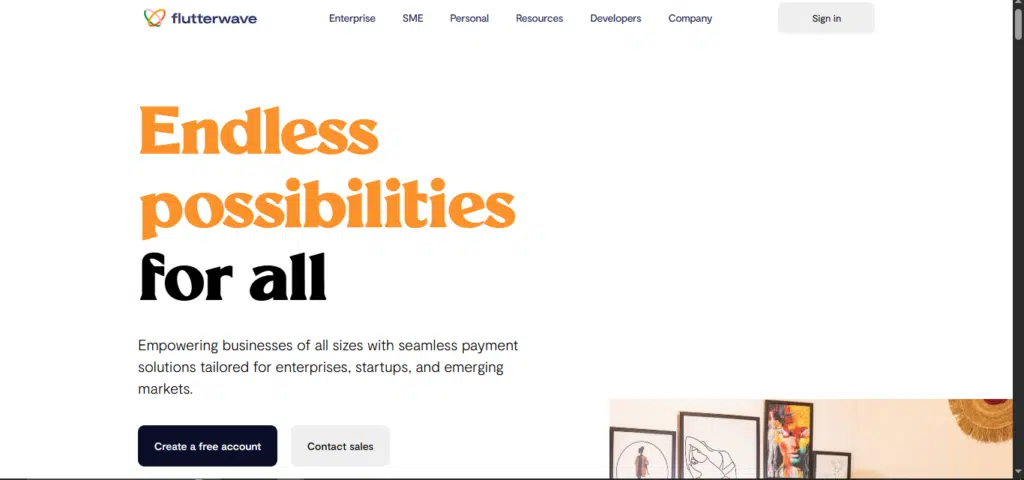
Flutterwave remains Nigeria’s most valuable fintech at $3 billion, and for good reason. The company has processed over $50 billion in transactions across 36 countries since its founding in 2016. What sets them apart is the infrastructure they’ve built to connect fragmented African payment systems into a single API.
Key offerings
- Single API that connects to multiple payment methods across over 30 African countries: mobile money, cards, bank transfers, and open banking.
- Enterprise-grade fraud detection and settlement tools for businesses processing cross-border payments.
- Stablecoin-funded payment card infrastructure through the Kulipa partnership.
Who it’s most suited for
Enterprise businesses and high-growth startups needing cross-border payment infrastructure across multiple African markets.
2.OPay
Year founded: 2018.
Founder: Opera.
Headquarters: Lagos, Nigeria.
Valuation: $2.75 billion.
Backed by SoftBank Vision Fund 2, Sequoia China, and DragonBall Capital.
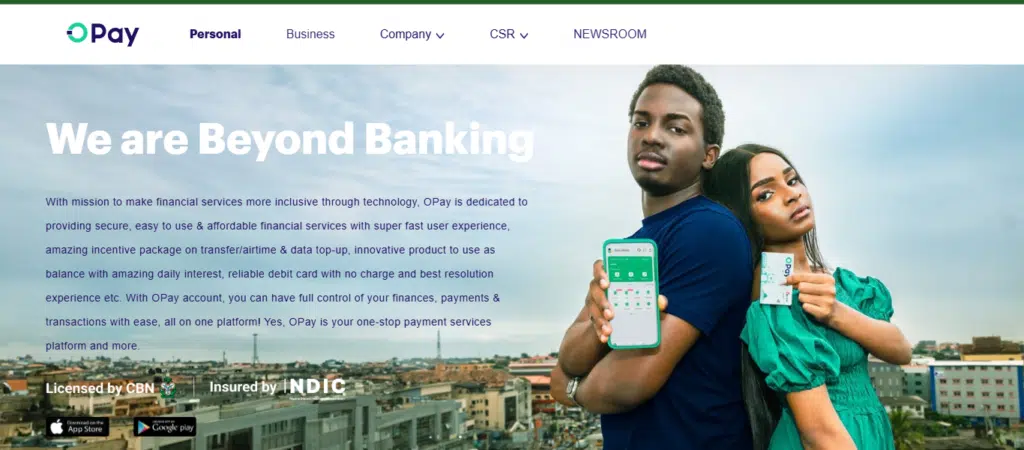
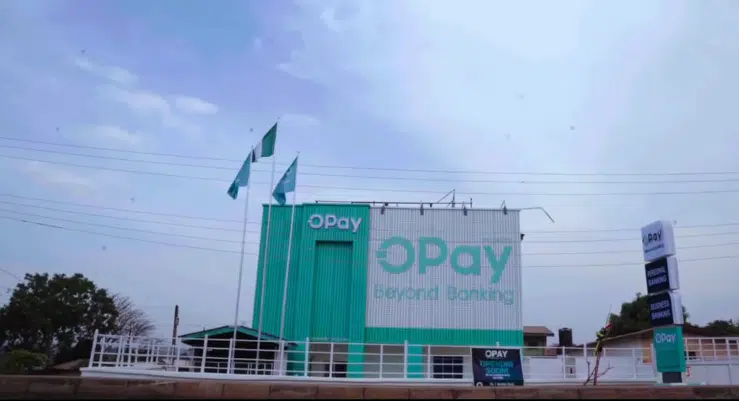
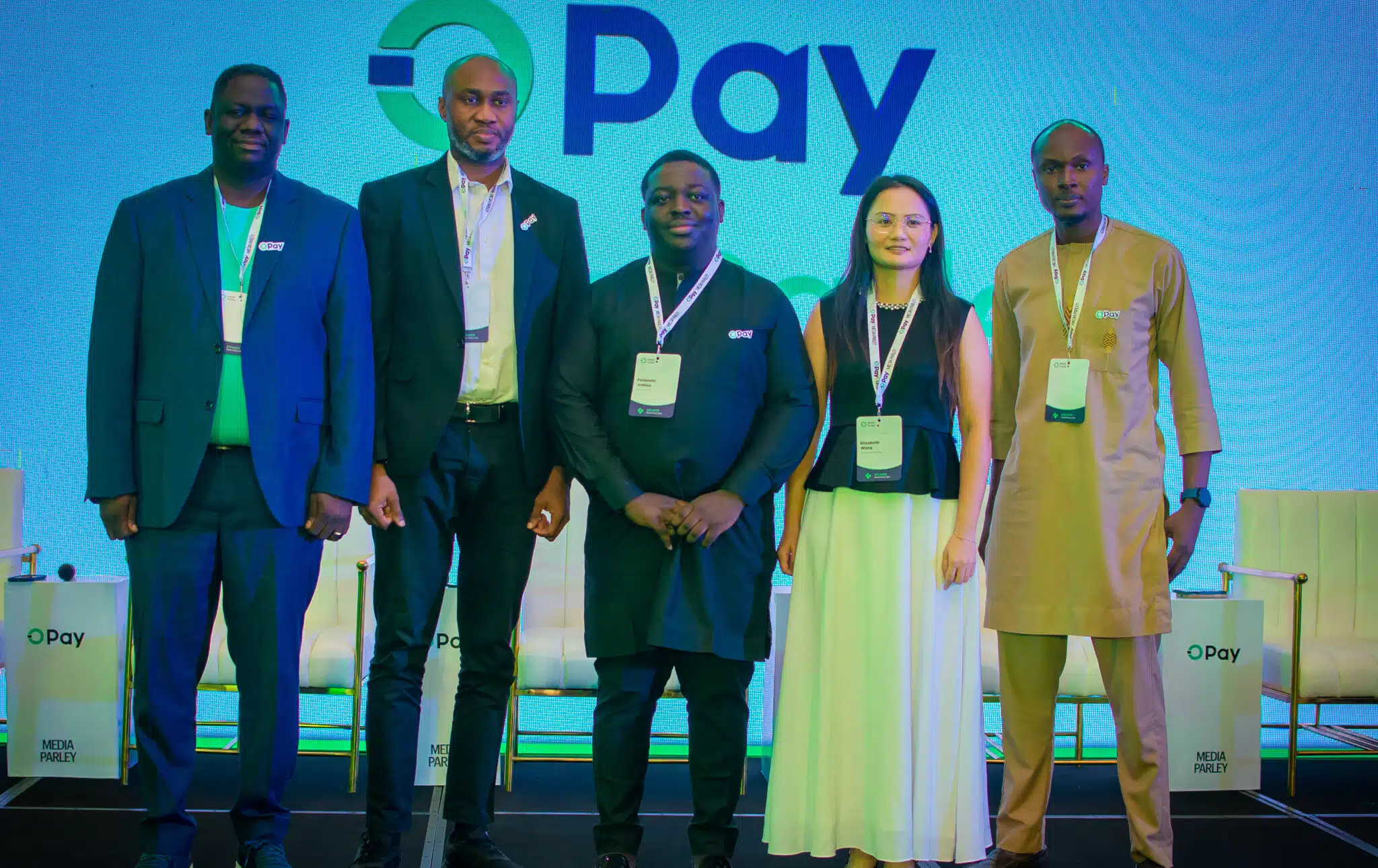
OPay’s 60 million+ users make it one of the most widely used consumer fintech platforms in Nigeria. The company dominates the agent banking space with over 500,000 mobile money agents nationwide, processing roughly $12 billion monthly. SoftBank and Sequoia China’s backing is validation that the super-app model can work in Africa.
Key features
- Grant merchant loans based on transaction history, accessible directly through the OPay merchant app.
- Zero-fee transfers between OPay wallets reduce cash handling costs for small businesses.
- Integrated logistics and delivery services (OExpress) for e-commerce merchants.
Who it serves
Every day, Nigerians and small merchants need reliable, low-cost payments, transfers, and bill payments.
3. Moniepoint
Year founded: 2015 (as TeamApt, rebranded to Moniepoint in 2019).
Founder: Tosin Eniolorunda, Felix Ike.
Headquarters: Lagos, Nigeria.
Valuation: ~$1 billion.
Acquired a Kenyan bank to expand into East Africa.
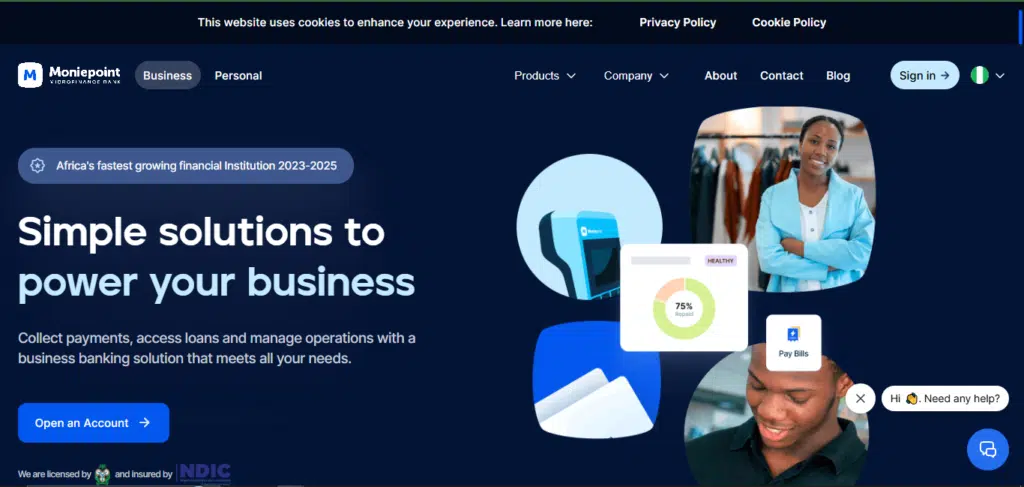
Moniepoint processed a staggering ₦412 trillion in 2025, making it Nigeria’s most important offline-to-digital payment infrastructure. Over the years, they’ve become the backbone of agent banking, with claims that they handle 8 out of 10 in-person transactions in Nigeria.
What does it offer?
- POS terminals with near-100% uptime, serving over 6 million businesses across Nigeria’s 774 local government areas.
- Payroll processing, bulk disbursements, and treasury management for SMEs and cooperatives.
- An agent banking network that allows cash-in/cash-out in areas without traditional bank branches.
Who it’s for
SMEs, POS agents, and merchant banking infrastructure providers need reliable, high-volume transaction processing.
4. PalmPay
Year founded: 2019.
Owner: Transsion Holdings.
Headquarters: Lagos, Nigeria.
Over 35 million users.
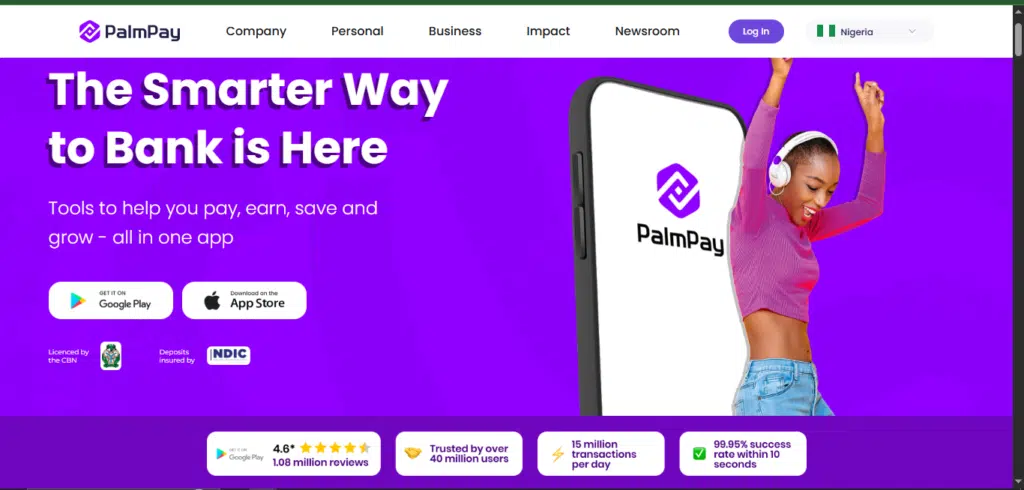
PalmPay’s 35 million users and 15 million daily transactions position it as a fast-scaling consumer fintech challenger. They leveraged Transsion’s smartphone dominance by pre-installing the app on millions of Tecno and Infinix devices sold across Nigeria. Furthermore, the cashback-heavy model drives retention.
Core functionality
- Zero-fee transfers and airtime purchases, plus bill payments for electricity, TV, and internet.
- Cashback rewards (up to 5-10% on select transactions) that drive daily active usage.
- Virtual and physical debit cards for online and POS spending.
Best for
Mobile-first consumers who want cashback rewards and zero-fee everyday payments.
5. Paystack
Year founded: 2015.
Founders: Shola Akinlade, Ezra Olubi.
Headquarters: Lagos, Nigeria.
Acquired by Stripe for $200 million in 2020; launched the Zap consumer app in 2025.
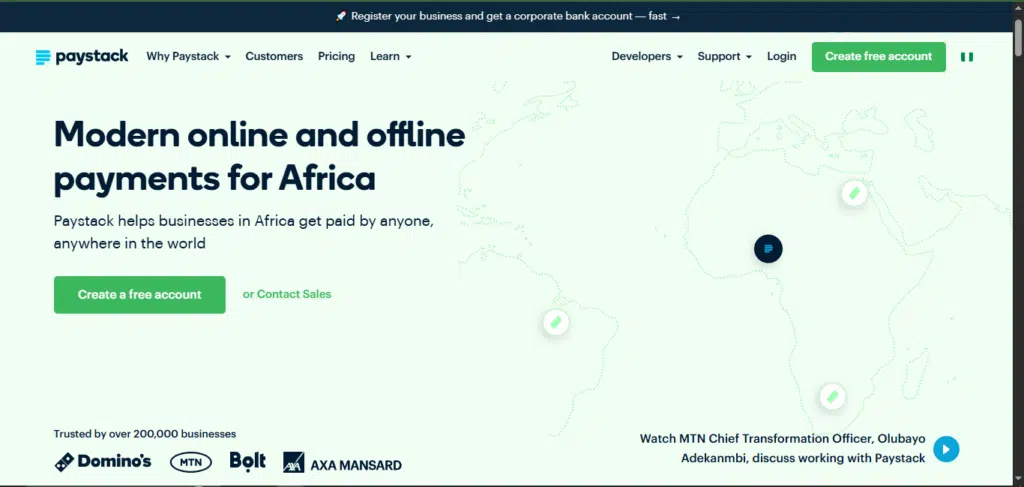
Paystack remains one of Nigeria’s most influential API-first payment companies. They power over 200,000 businesses across Africa with infrastructure that processed 3 billion requests at 99.992% uptime. With the launch of Zap in 2025, they’re now competing directly with OPay and PalmPay for consumer wallet share, using their merchant network as a massive distribution advantage.
What it offers
- Payment APIs that integrate in minutes, supporting cards, bank transfers, USSD, and mobile money across multiple African countries.
- Paystack Terminal for in-person POS payments, bridging online and offline commerce.
- Zap consumer app for instant bank transfers (under 30 seconds) with scan-to-pay functionality and Apple Pay support for visitors.
Who it’s best suited for
Startups, eCommerce businesses, and any company needing reliable payment APIs.
6. Interswitch
Year founded: 2002.
Founder: Mitchell Elegbe.
Headquarters: Lagos, Nigeria.
Valuation: ~$1 billion.
Verve card commands 75% market share in Nigeria with 85 million+ cards issued, targeting 100 million by 2026.
Interswitch is the quiet giant of Nigerian payments, founded in 2002, long before anyone said “fintech.” They’ve built the rails that every other company runs on: switching transactions between banks, powering the Verve card network, and running Quickteller for bill payments. While newer fintechs grabbed headlines, Interswitch kept processing.
What does it offer?
- Payment switching and processing that connect all Nigerian banks to one another and to international networks.
- Verve cards are accepted across Nigeria, Africa, Europe, and America.
- Quickteller ecosystem for bill payments, airtime purchases, and money transfers.
- Enterprise payment solutions for banks, government agencies, and large corporations.
Who it serves
Banks, fintechs, government agencies, and any business that needs reliable payment switching and card processing infrastructure.
7. Kuda
Year founded: 2019.
Founders: Babs Ogundeyi, Musty Mustapha.
Headquarters: Lagos, Nigeria (also licensed in the UK).
Valuation: $500 million.
More than 7 million users; over $90 million raised.
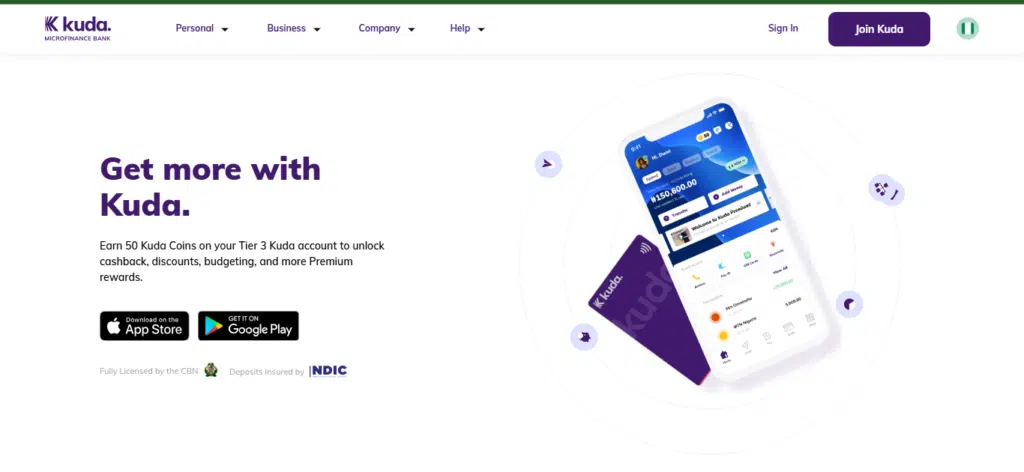
Kuda’s 7 million+ users make it one of Nigeria’s most recognizable digital-only banks. Unlike OPay or PalmPay, Kuda offers budgeting tools, transaction categorization, and spending analytics that appeal to salary earners and remote workers.
How the tool can help your business
- Zero-fee banking on most transactions, including transfers within Nigeria (with fair usage limits).
- Budgeting features and spending categorization.
- Instant virtual and physical debit cards for online and POS spending.
Best for
Digital-first personal banking customers, especially Gen Z earners, remote workers, and young professionals.
8. PiggyVest
Year founded: 2016 (launched as Piggybank.ng).
Founders: Somto Ifezue, Odunayo Eweniyi, Joshua Chibueze.
Headquarters: Lagos, Nigeria.
Assets under management grew 110%, surpassing 6 million accounts.
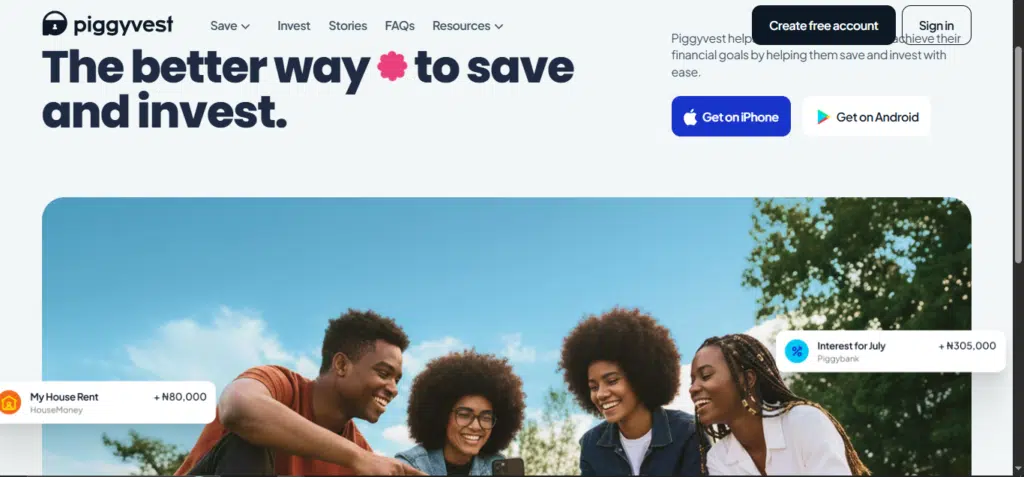
PiggyVest paid out a staggering ₦1.3 trillion to users in 2025, a 56% jump from the previous year. They’ve evolved from a simple “save first, spend later” tool into a full financial ecosystem with business savings, investment products, and resources. They ditched virtual account numbers and built their own payment system called PocketApp.
Key features
- Automated savings (Piggybank), fixed deposits (Safelock), and investment options (Investify) across low-risk SEC-regulated funds.
- PocketApp-powered in-house payment infrastructure replacing old virtual accounts for better deposit reliability.
Who is it designed for?
Structured savers, wealth builders, and small businesses who want automated, low-risk savings and investment tools with a proven track record.
9. Carbon
Year founded: 2012 (launched as Paylater).
Founders: Chijioke Dozie, Ngozi Dozie.
Headquarters: Lagos, Nigeria.
Fully licensed by CBN as a microfinance bank with NDIC deposit insurance.
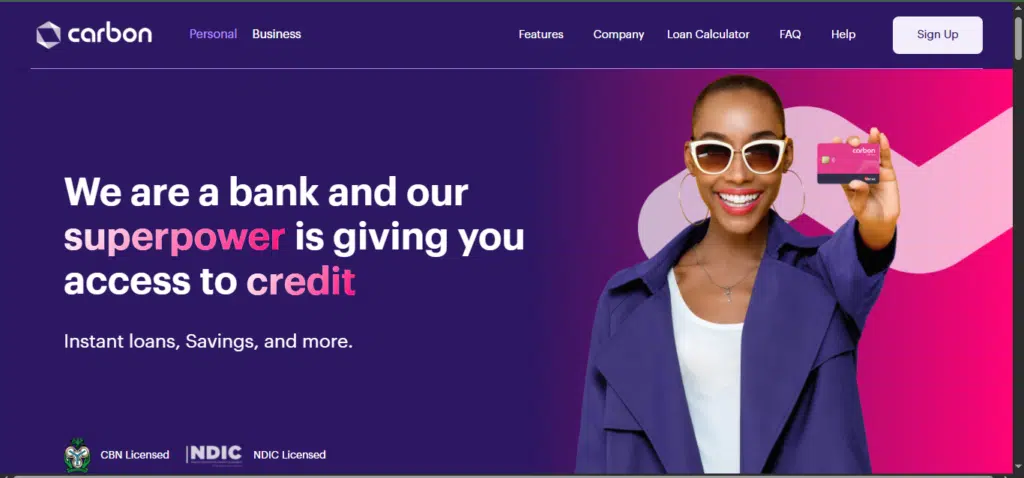
Carbon is no longer just a loan app; it’s a fully licensed digital bank. On the platform, you can borrow, save, invest, and pay bills all in one place. The CBN license means your deposits are insured by the NDIC.
What does it offer?
- Instant loans without collateral or guarantor, disbursed directly to your Carbon wallet.
- Savings products, bill payments, and cashback rewards.
- Credit scoring based on digital records and repayment history.
- Active lending operations in Nigeria and Kenya, with cross-border functionality.
Who it serves
Nigerians and Kenyans need short-term personal credit.
10. Cowrywise
Year founded: 2017.
Founders: Razaq Ahmed, Edward Popoola.
Headquarters: Lagos, Nigeria.
Y Combinator-backed (W19); regulated by the SEC as a registered fund manager.

Cowrywise is a wealthtech platform. No loan or agent banking, just savings and investing. They’ve created a disciplined, long-term wealth platform that SEC regulation and third-party custody (Zenith Nominees Limited) make genuinely trustworthy. Unlike PiggyVest’s flexible savings approach, Cowrywise focuses on mutual funds and dollar-denominated assets for users who want to beat inflation.
Core features
- Automated investment plans into SEC-registered mutual funds managed by professional fund managers.
- Halal investing options for users seeking Shariah-compliant wealth management.
- Assets held with licensed custodian (Zenith Nominees Limited), not commingled with Cowrywise’s operational funds.
Best for
Long-term investors and regulated savings seekers who prioritize SEC oversight, asset custody, and professional fund management over instant access and lending features.
FAQs
Which fintech company is the biggest in Nigeria in 2026?
It depends on how you measure. Flutterwave has the highest valuation at $3 billion. OPay has the most users at over 60 million. Moniepoint processed the most volume, ₦412 trillion in 2025. Biggest means different things, depending on your metric.
Which fintech app is best for everyday use?
OPay or PalmPay for daily transfers and bill payments, PiggyVest for structured savings, Kuda for digital banking with budgeting tools, Carbon for short-term credit, and Cowrywise for long-term investing. Your daily habits should drive your choice.
Are Nigerian fintech companies publicly listed?
Not yet. Most remain privately held, backed by venture capital and private equity.
Conclusion
Nigeria’s fintech sector is no longer defined by growth alone but by measurable dominance in valuation, user base, and control of infrastructure. The world has watched this market evolve from experimental startups to systemic financial rails that process quadrillions of naira annually.
The gap between leaders like Flutterwave, OPay, and Moniepoint and the rest of the ecosystem is widening in real economic terms. For users and investors, the winning fintechs in 2026 are those with verifiable scale outside visibility.
No need to chase the trendiest app. You need the one that actually solves your financial problem at the scale you operate. That’s the only ranking that matters.
Citations
- https://fintechng.org/january-2026-insights/
- https://techpoint.africa/news/moniepoint-2025-report/?utm_source=techcabal.beehiiv.com&utm_medium=referral&utm_campaign=y-combinator-backed-fintech-shuts-down
- https://businessday.ng/technology/article/mobile-money-hits-2trn-global-milestone-in-2025-after-doubling-in-four-years/
- https://fintechnews.africa/44869/fintech-nigeria/nigerias-fintech-sector-surges-70-despite-challenges/#:~:text=Nigeria%2C%20Africa’s%20biggest%20economy%2C%20leads,Boston%20Consulting%20group%20and%20Elevandi.
- https://techpoint.africa/news/flutterwave-acquires-mono/
- https://techpoint.africa/news/flutterwave-secures-microfinance-licence/
- https://techcrunch.com/2022/02/16/african-fintech-flutterwave-triples-valuation-to-over-3b-after-250m-series-d/
- https://mena-fintech.org/news/flutterwave-wins-license-to-operate-as-a-microlender-in-nigeria/
- https://www.mexc.io/news/1000311
- https://acemoneytransfer.com/es/blog/bank-vs-wallet-nigerians-in-italy-choose-opay
- https://techpoint.africa/news/moniepoint-acquires-sumac/
- https://www.ecofinagency.com/insights/0809-48489-in-nigerian-bank-technology-failures-pushed-opay-and-palmpay-to-leadership-in-daily-payments
- https://techpoint.africa/news/paystack-acquired-by-stripe/
- https://techpoint.africa/news/paystack-launches-zap/
- https://thenationonlineng.net/verve-targets-100m-card-issuance/
- https://dailytimesng.com/kuda-expands-to-uk-amid-90m-investment/
- https://theaccomplishmagazine.com/piggyvest-pays-out-%E2%82%A61-3-trillion-to-users-in-2025-as-platform-crosses-6-million-customers/
Disclaimer!
This publication, review, or article (“Content”) is based on our independent evaluation and is subjective, reflecting our opinions, which may differ from others’ perspectives or experiences. We do not guarantee the accuracy or completeness of the Content and disclaim responsibility for any errors or omissions it may contain.
The information provided is not investment advice and should not be treated as such, as products or services may change after publication. By engaging with our Content, you acknowledge its subjective nature and agree not to hold us liable for any losses or damages arising from your reliance on the information provided.
Always conduct your research and consult professionals where necessary.