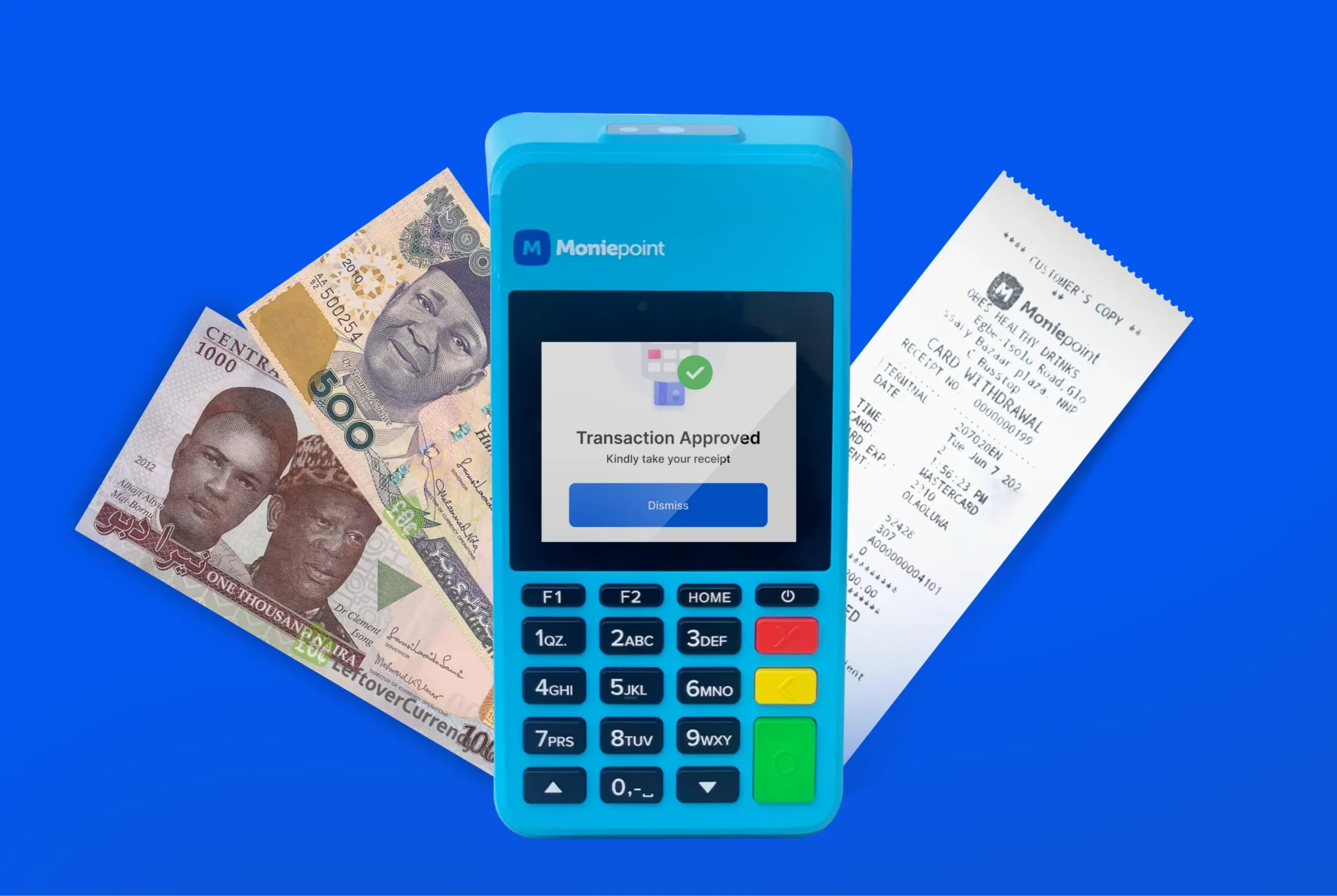
The Central Bank of Nigeria (CBN) has issued a one‑month deadline for all banks, financial institutions, acquirers and payment service providers to overhaul how Point‑of‑Sale (PoS) transactions are routed, in a major push to reduce system downtime and strengthen Nigeria’s digital payments infrastructure.
The circular (PDF), dated December 11, 2025, and signed by Rakiya Yusuf, Director of the Payments System Supervision Department, updates earlier guidance and compels industry players to adopt dual connectivity to the nation’s two licensed Payment Terminal Service Aggregators (PTSAs): the Nigeria Inter‑Bank Settlement System (NIBSS) and Unified Payment Services Limited (UPSL).
Under the new directive, all PoS transactions — whether from physical terminals or electronic channels — must be actively linked to both NIBSS and UPSL, ensuring that transaction flows can switch seamlessly between platforms if one aggregator experiences technical issues. This automatic failover capability is central to the policy and is designed to tackle the frequent breakdowns and bottlenecks caused by reliance on a sole routing channel.
A tighter framework for resilience and oversight
Beyond connectivity, the CBN is tightening operational and reporting standards across the payments ecosystem.
NIBSS and UPSL must work with regulated institutions to validate that systems can support uninterrupted transactions. These test results will feed into the CBN’s ongoing oversight processes.
In the event of downtime or system disruptions, both aggregators are required to notify affected banks immediately and provide a detailed report within 24 hours to the Payments System Supervision Department, outlining causes, impacts and corrective measures taken.
The central bank’s deadline effectively gives institutions until mid‑January 2026 to integrate, configure and demonstrate full compliance with the updated framework. Failure to meet the timeline could attract regulatory sanctions, although the circular did not outline specific penalties.
What this means for Nigeria’s payments landscape
PoS terminals remain a backbone of Nigeria’s push toward a cashless economy, handling millions of transactions daily across retail, services and informal sectors. Persistent network outages and failed transactions have long frustrated merchants and consumers, undermining confidence in the broader digital financial ecosystem.
By mandating dual connectivity and automatic switching between service aggregators, the CBN aims to dramatically reduce single points of failure, increase transaction success rates and bolster system reliability — a priority as electronic payments continue to expand.

Victoria Fakiya – Senior Writer
Techpoint Digest
Stop struggling to find your tech career path
Discover in-demand tech skills and build a standout portfolio in this FREE 5-day email course
The directive builds on earlier CBN initiatives, including requirements for geo‑tagging PoS devices and migration to modern messaging standards, all part of the regulator’s broader effort to modernise Nigeria’s payment infrastructure and improve oversight of electronic transactions.