

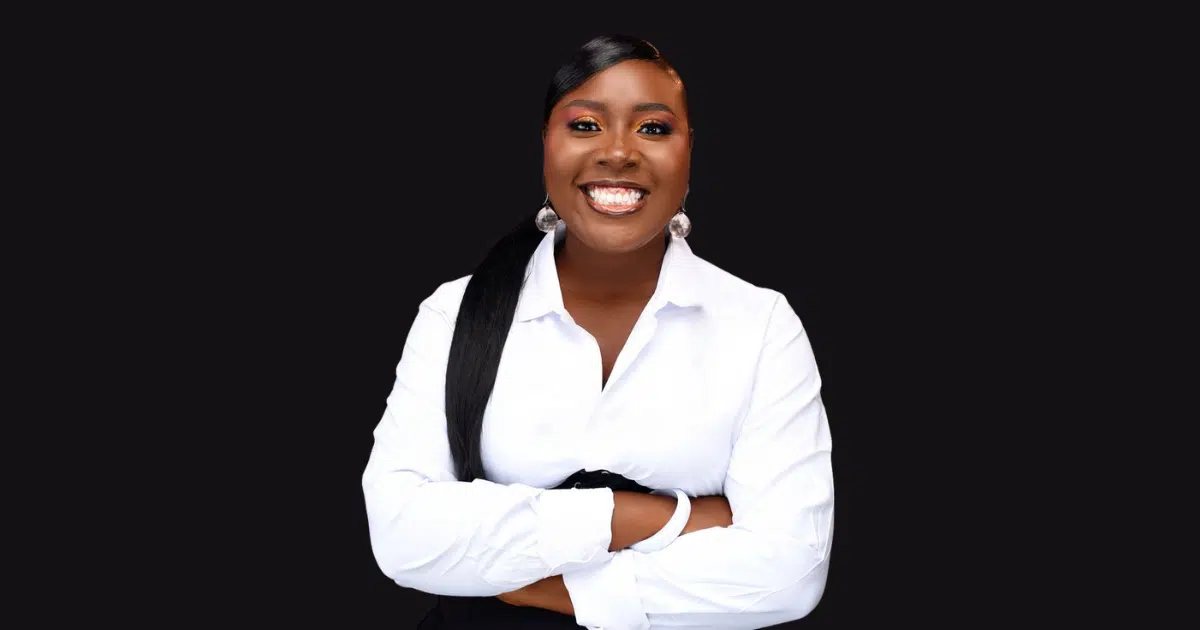

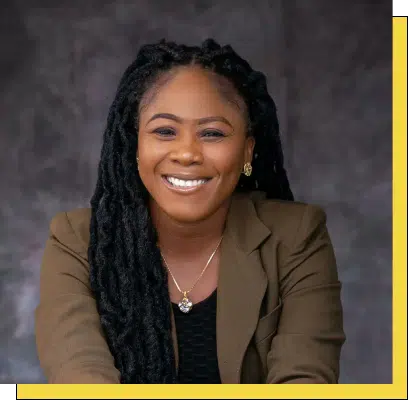
Esohe Igbinoba describes herself as a “super connector”—someone who finds genuine fulfilment in linking people together and fostering growth within communities. As the Director of Programs at Businessfront, she is deeply committed to building communities.
In February 2024, Igbinoba realised that to reach her goal of working in venture capital and securing a senior leadership role, she needed to bridge a significant gap: her network. Recognising that she didn’t yet know enough key players in the tech ecosystem, she turned to conferences and industry events as her primary laboratory for growth.
Over the past two years, she has attended hundreds of tech events across Africa. In this conversation with Techpoint Africa, she shares why it was important for her to do this and what others can learn from her experience.
How do you select which events to attend?
Once you have a “why,” you can filter events that align with it. My goal was to meet venture capitalists, investors, founders, and innovators within the Lagos tech ecosystem. I researched various event apps and looked for gatherings where these specific profiles would likely be present.
I was intentional and deliberate. If my research suggested that my target audience wouldn’t be there, I didn’t go. I managed my energy and money by selecting only events that fit the profile of the people I wanted to connect with or the specific knowledge I wanted to gain.
Sometimes, I also chose events simply because a specific speaker was someone I wanted to learn from or network with directly.
You have attended a staggering number of events in a short time. Can you share those numbers and how it evolved into a personal brand?
It escalated quickly. I went from attending five events a month to between ten and twenty. In 2024, I attended 111 events, and in 2025, that number rose to 160; a total of 271 events in two years. I didn’t just attend; I documented the journey. I took photos and created social media videos, which eventually evolved into a brand.
People started following me to see my monthly event recommendations. This visibility led to invitations to speak and access to private, invite-only industry events. For any founder, operator, or investor, reaching this level is vital. You want to be in the room when decision-makers are having the conversations that move the industry forward.
Any advice on how to show up at a conference?
Many people attend popular events without a plan. You must be intentional. Identify the speakers you want to meet and know their speaking times. Research them beforehand so that when you meet them, you have something substantial to say.

Victoria Fakiya – Senior Writer
Techpoint Digest
Stop struggling to find your tech career path
Discover in-demand tech skills and build a standout portfolio in this FREE 5-day email course
If you are there for business, prioritise the exhibition booths to network and sell your services.
I also suggest using digital business cards. Several apps allow you to create a link or QR code that instantly downloads your contact info to someone’s phone. It’s “easy-peasy” and much more efficient than manually exchanging numbers in a crowded room.
What should people do after an event?
The connections you make at an event only matter if you follow up. Within 24 hours, send a message or an email. It doesn’t have to be a complex pitch; a simple “it was nice connecting with you” suffices for building a long-term relationship.
I often invite new contacts to my community, Coterie Lagos, or share upcoming events of interest with them. This creates multiple touchpoints that turn a brief encounter into a genuine relationship.
What is the cost breakdown of this lifestyle?
It is expensive. My monthly costs include about ₦300,000 for ride-hailing services (since I live on the Mainland and most events are on the Island), ₦600,000 for content creators to document the events, and ₦400,000 for a social media manager. Including registration fees for paid events, I spend between ₦1.5 million and ₦2 million a month.
I do this because I can afford it and it’s part of my brand, but it’s not a requirement for everyone. If you attend one or two well-researched events a month, your costs will be significantly lower, especially if you focus on free or lower-cost professional gatherings.
How do you recoup these costs and turn connections into revenue?
You recoup the cost by selling something valuable. Networking for its own sake is great, but commercial value comes from pitching. I’ve secured paid mentorship roles by pitching my expertise to innovation labs I encountered. I’ve doubled my speaking engagements through my network, from 5 in 2023 to 11 in 2024 and 26 in 2025.
At events, I often wear branded Businessfront attire and build close partnerships over lunch. If you don’t have a personal service, a business product, or an organisation to represent, you won’t see a financial return. You need to offer something that people are willing to pay for.
What specific types of events should people look out for?
I categorise events into three primary types to maximise networking value.
The first are mainstream events, large ecosystem gatherings of over 1,000 people held at major venues like Landmark or Eko Hotel, which are excellent for gaining broad visibility.
The second type comprises executive events, which are smaller, paid gatherings of 100 to 200 people focused on corporate leaders where almost everyone in the room is a high-value contact.
Finally, there are invite-only mixers that typically take the form of evening cocktail events; these are rarely advertised on social media, so you generally hear about them through the professional friendships you build at other events.