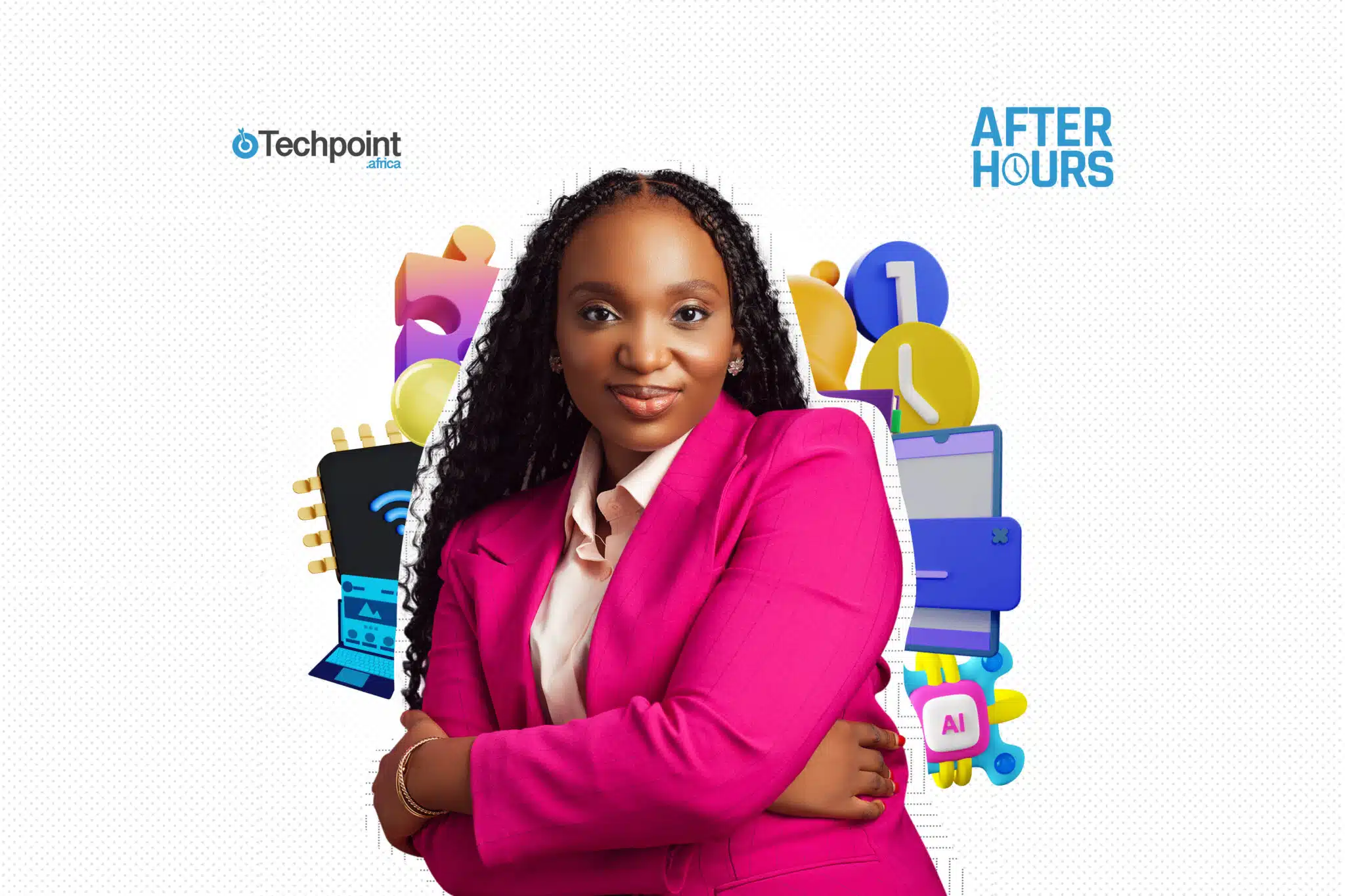

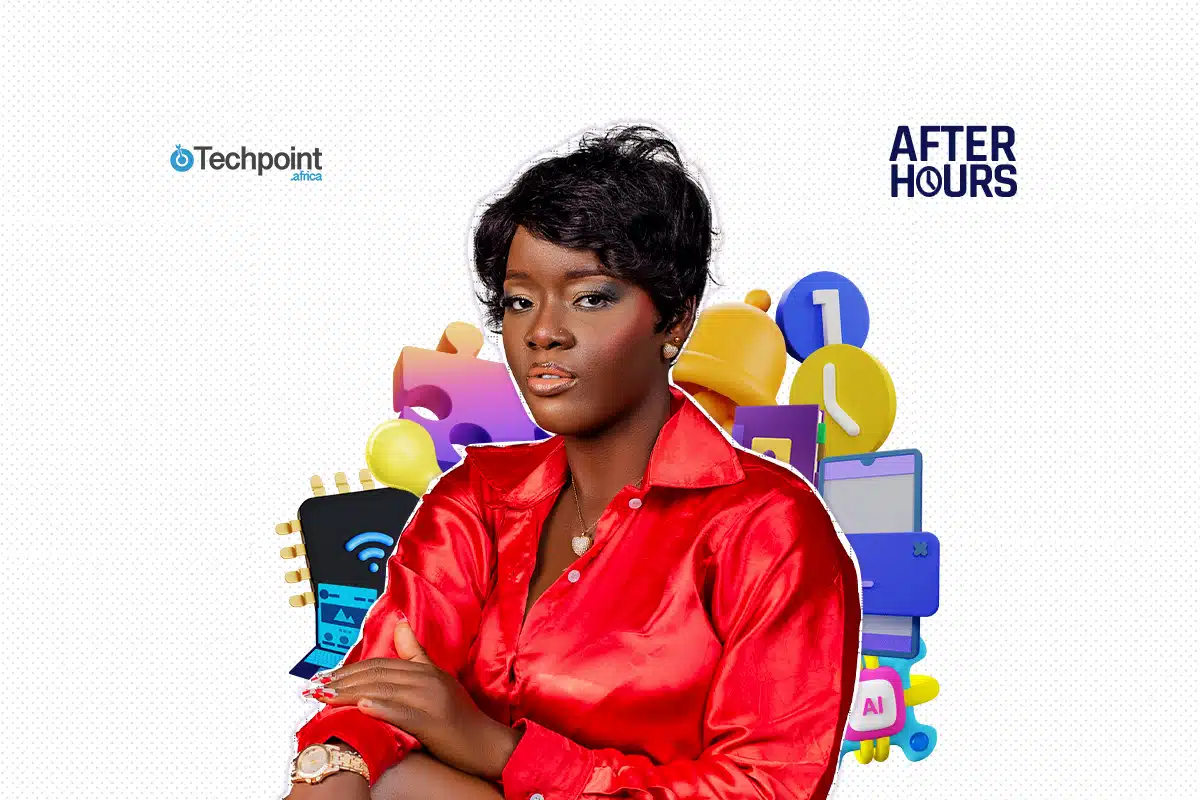


Long before she began learning backend development or working on a startup idea, Mikail Ajibola was simply curious about how things worked. Although she went on to study computer science, technology did not immediately become her career path. Instead, Ajibola moved into the creative industry, spending years building a career in writing, copywriting, and brand strategy.
Today, Ajibola sits at the intersection of creativity, operations, and technology as she helps build Xilat Technologies, an e-commerce platform designed to support local producers and connect them with Nigerian consumers.
In this edition of After Hours, we follow Ajibola’s unconventional journey from studying computer science to becoming a brand strategist, and her current pivot back to the world of backend development.
Early interactions with technology
My earliest meaningful interaction with technology came after secondary school when I enrolled in a computer training programme around 2012 or 2013. I was introduced to basic computer skills, such as typing and Microsoft Office.
What fascinated me most at the time were the computer games. I had played games before, but seeing them on a computer for the first time felt different. There were card games and other simple interactive games, and I remember being curious about how they were built and why different people could access them.
Looking back, that was probably the first time I consciously wondered how technology products were created.
Another early moment that shaped my thinking was when I discovered an online platform for writers. It functioned like a creative prompt platform. Writers would log in, receive prompts, write responses, and then other writers could read and engage with the work.
At the time, I was deeply involved in writing and didn’t have many people around me to discuss my work with. That platform provided me a space to write, share, and interact with other writers.
These experiences taught me that for a product to succeed, it must solve a real problem. I needed that platform then, and when I found it, I used it happily because it addressed a need I had.

Victoria Fakiya – Senior Writer
Techpoint Digest
Stop struggling to find your tech career path
Discover in-demand tech skills and build a standout portfolio in this FREE 5-day email course
From code to copywriting and back again
Interestingly, I actually studied computer science in school. I completed both my National Diploma and Higher Diploma (OND and HND) in the field. However, while studying, programming itself didn’t really capture my interest at the time.
After graduating, I moved into the creative industry instead. I started as a copywriter and creative writer, later expanding into social media management and other creative roles. Writing and creativity came naturally to me, so it felt like the right path at the time.
Many of the startups that caught my attention were solving real-world problems with technology, which sparked something in me.
Around three years ago, a friend approached me with an idea centred around local businesses and indigenous products. I had seen similar challenges before and had interacted with people facing those issues, so the idea immediately resonated with me.
We began discussing how technology could help solve those problems. That pulled me back toward the tech ecosystem. Through that process, I transitioned into brand strategy, where I’ve been working for about a year now. I’ve been in the broader creative space for about five years.
From that initial idea, we began working on what eventually became Xilat Technologies, an e-commerce platform focused on indigenous Nigerian brands. The goal is simply to create a platform where local producers and creators can list their products, and Nigerians can purchase them easily.
I joined the project from the very beginning, at the ideation stage. While I’m often referred to as a co-founder, I prefer to describe my role as more operational, essentially functioning as the COO.
Although Xilat was officially registered recently, the project itself has been in development for about three years. Right now, we’re still finalising our minimum viable product (MVP), so the platform isn’t open to the public yet. We’re gathering feedback, collecting insights, and refining the product to ensure that when we launch, it truly addresses the needs of both sellers and buyers.
Despite my background in creativity, I’m actually a very logical person. Because of that, I’m currently transitioning deeper into tech by learning backend development. I’m actively upskilling to build and contribute directly to the products I’m involved in.
My goal is that in the future, if I want to develop a product, whether personal or professional, I’ll have the technical skills to build it myself or at least understand the development process deeply.
How technology fits into my everyday life
Technology is deeply integrated into my daily routine.
I work remotely, which means I rely heavily on my laptop and smartphone. My day involves using meeting platforms, note-taking apps, collaborative work tools, and several other digital applications that help organise and streamline my work. Even with the Nigerian challenges like unstable electricity and inconsistent Internet, technology still plays a huge role in my life.
It’s not just about work either. Technology supports communication, entertainment, productivity, and learning. In many ways, it has become part of everyday life.
If I had to pick two apps I use every single day, that would be WhatsApp and YouTube; WhatsApp is my primary communication channel. I also prefer it because it’s limited to people who have my contact information, which makes communication feel more controlled.
YouTube, on the other hand, is my knowledge hub. Anytime I want to learn something or figure out how something works, YouTube is usually my first stop.
One of the most unusual ways I’ve ever used technology was to check someone’s relationship status. That was around 2014 or 2015. At the time, Google search results sometimes displayed social media connections linked to phone numbers. Out of curiosity, I once typed a phone number into Google to see what would come up.
Interestingly, the results pulled up several posts and accounts associated with that number. I ended up scanning posts and comments about relationships to determine whether the person had a partner. It sounds strange now, but it actually worked at the time. Not long after that, those kinds of search results disappeared, probably for privacy reasons.
I stay up to date on new technologies and developments through tech communities. I belong to several communities where members share updates, discuss new tools, and changes happening in the ecosystem. Many of these discussions happen on Discord and Telegram.
Social media also helps. Conversations on platforms like X (Twitter) often highlight emerging tools, startups, and trends.
I also read technology publications and newsletters regularly to stay informed about startups and developments across the ecosystem.
The biggest challenge I face with technology is usually that first-time user friction. Some platforms have complex interfaces that make navigation difficult initially. That’s why user experience design is so important. When an interface is intuitive, people adapt quickly.
But even when a tool feels complicated at first, I usually solve that by searching online. There’s almost always a YouTube tutorial or guide that explains how to use it.
Technology’s impact and its future
Technology has influenced my communication in both positive and negative ways. On the positive side, it has made communication easier than ever. You can connect with people across the world instantly.
However, there’s also the issue of information overload. At one point, I realised I was consuming too much information on social media platforms. Everyone seemed to be teaching something, sharing advice, or pushing new ideas, so my ability to process and retain information was diminishing. Because of that, I had to step back and reduce my time on social media.
Now, I occasionally take breaks from those platforms to focus only on the tools I use for work or learning.
If I could build a technology product to solve one problem right now, it would focus on supporting indigenous brands.
My sister, for example, is a creator who produces local products. She struggles with sales, not necessarily because her products are bad, but because of the widespread perception that Nigerian products are inferior.
Many people would rather buy imported products from China, the UK, or the US, even when local products are high quality. I’ve met many creators facing the same problem. This is a problem I’ve been thinking about and working on solving for the past three years.
When I think about the future of technology in Africa over the next five to ten years, I feel optimistic. We already have the brainpower and manpower needed to compete globally. What we still need more of is access to infrastructure, funding, and opportunities.
But if African youths continue stepping into the tech ecosystem and building solutions, I believe that in the next decade, Africa will be difficult to compete with in the global technology space.