




Zdravo,
Victoria from Techpoint here,
Here’s what I’ve got for you today:
- Kenya restores president’s website after hack
- How fertility struggles led to a health startup
- Tinubu signs virtual assets executive order
Kenya restores president’s website after hack
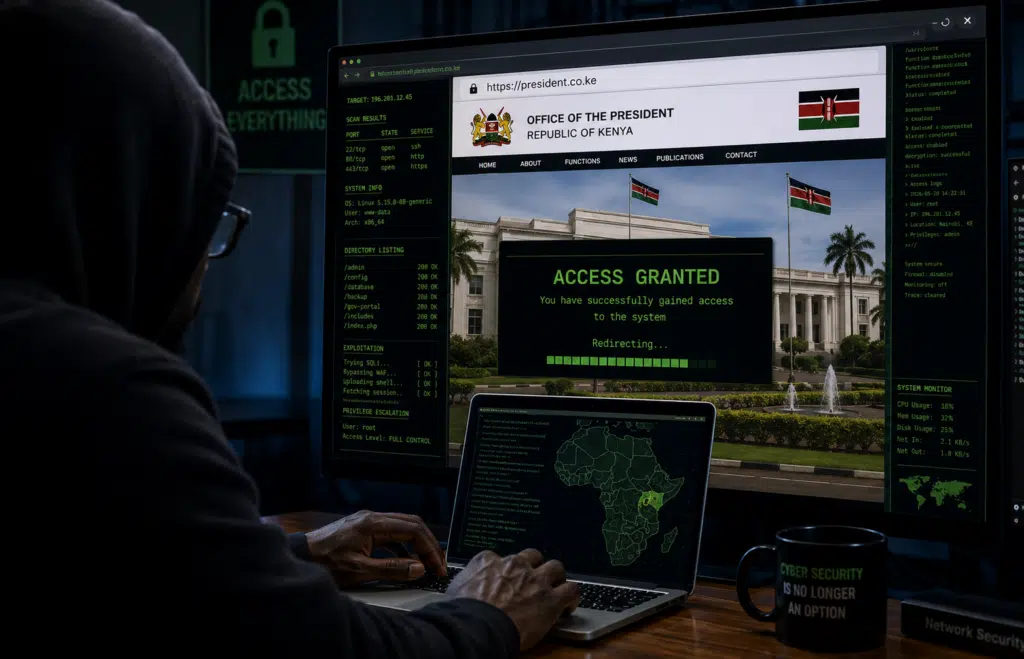
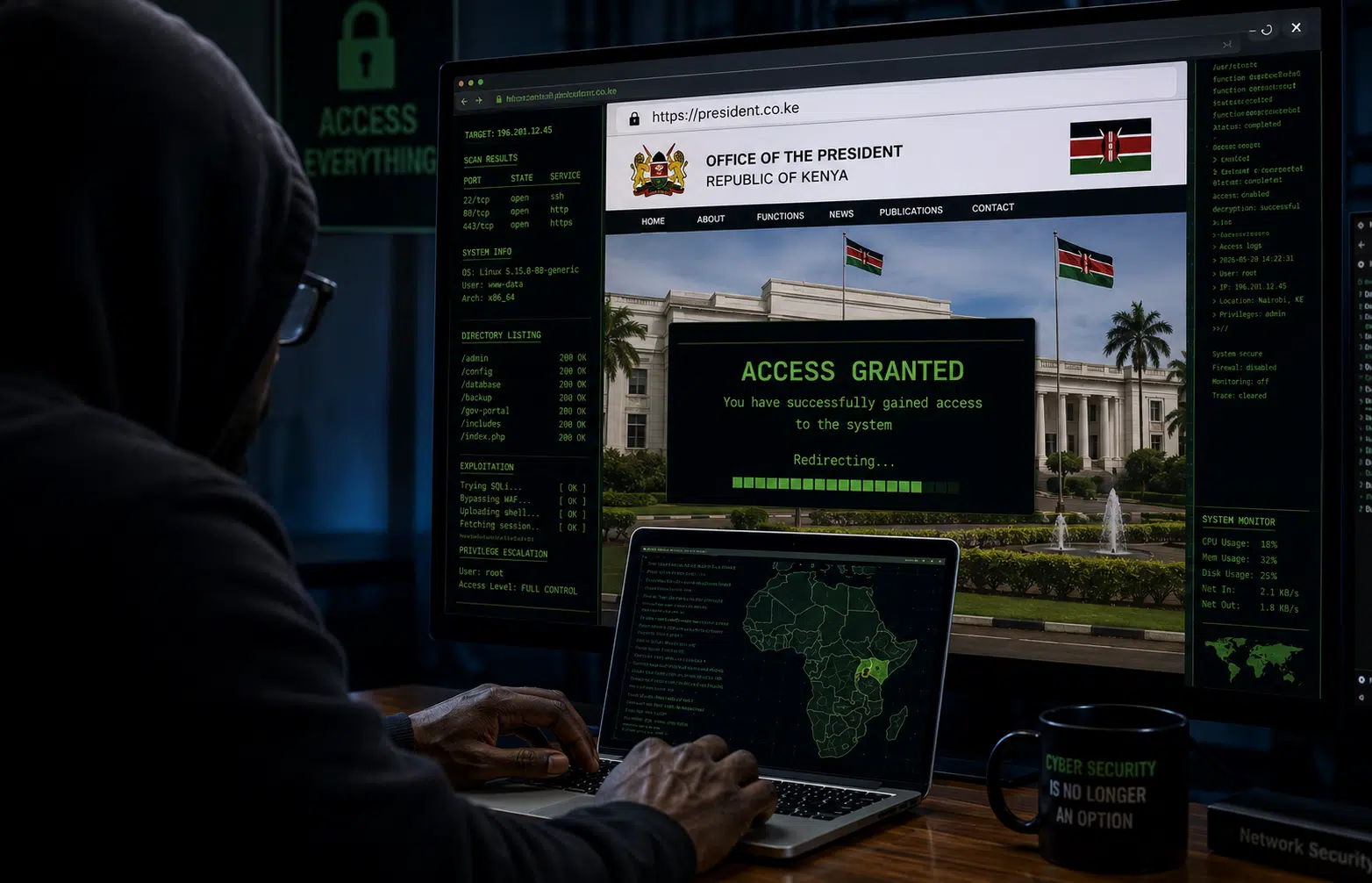
Just hours after hackers took over Kenya President William Ruto’s official website with a Bitcoin ransom demand and anti-government messages, the government says it has regained control of the platform. On Saturday, July 18, 2026, Kenya’s ICT Ministry confirmed that the website had suffered a cybersecurity incident but insisted there was no evidence that sensitive government data had been stolen. Authorities temporarily restricted access to the site while forensic investigations got underway, and by the end of the day, the website had been restored.
Still, restoring the website doesn’t end the story. Even if the attackers only managed to deface the homepage, the breach is a reminder that no government is immune to cyberattacks. The hackers replaced official content with messages insulting President Ruto, displayed a Bitcoin wallet, and demanded 5 BTC (about KSh41 million) before threatening to leak unspecified information. Whether or not they actually accessed sensitive systems remains unclear, but targeting the president’s official website sends a symbolic message and raises fresh questions about the security of Kenya’s digital infrastructure.
This also isn’t Kenya’s first run-in with hackers. In July 2023, the country’s eCitizen platform, used for dozens of public services, was disrupted by a cyberattack that affected agencies, including the National Transport and Safety Authority and Kenya Power. Then, on November 17, 2025, hackers launched a coordinated attack on several government websites, including the presidency’s portal, temporarily knocking them offline and replacing some pages with extremist messages. The government later blamed a group calling itself PCP@Kenya, restored the affected platforms, and promised stronger cyber defences.
Those previous incidents make the latest breach harder to dismiss as an isolated event. Kenya has invested heavily in digitising government services, making its online platforms increasingly attractive targets for cybercriminals, hacktivists and ransomware groups. As more public records and essential services move online, attacks on government websites are no longer just technical problems; they can disrupt services, undermine public confidence and expose potential weaknesses that more sophisticated attackers could exploit later.
For now, investigators are trying to establish exactly how the attackers got in and whether the damage was limited to the website’s appearance or went deeper. The government maintains that its core systems remain secure, but the incident is likely to renew pressure on Kenyan authorities to strengthen cybersecurity across state institutions. If anything, this latest hack shows that restoring a website is only the first step; rebuilding confidence in the country’s digital defences may take much longer.
How fertility struggles led to a health startup

Sometimes, the biggest startup ideas come from deeply personal experiences. For Dr. Victoria Duru, the turning point came after she left a career she loved because trying to balance fertility treatment with the demands of working in air ambulance services had become almost impossible. Four months after resigning, she got pregnant. But instead of simply moving on, she started asking a bigger question: why should women have to put their careers on hold just to build a family? That question eventually led to the launch of Wakamedics, a startup that’s using technology to make fertility care more accessible and flexible.

Victoria Fakiya – Senior Writer
Techpoint Digest
Stop struggling to find your tech career path
Discover in-demand tech skills and build a standout portfolio in this FREE 5-day email course
Duru’s relationship with technology started long before she became a founder. As a child, her parents enrolled her in computer classes, where she learnt how to use email to keep in touch with family abroad. While studying medicine, she also worked with UNICEF on campaigns against female genital mutilation, using digital tools and social media to document community stories and analyse field data. Those experiences showed her that technology wasn’t just about gadgets; it could solve real problems and amplify important conversations.
Although she studied medicine, Duru always dreamed of aviation. After graduating, she narrowly missed becoming one of three female pilots sponsored by the Ebonyi State Government when the programme fell through. She later joined Flying Doctors after her National Youth Service, working in several roles, including flight physician, personal assistant and administrator. But years into her marriage, fertility treatment constantly clashed with emergency medical evacuations, forcing her to choose between her career and starting a family. After eventually becoming pregnant, she trained in fertility care, worked at a fertility clinic, and in September 2022, launched Wakamedics, which has since evolved from a physical clinic into a mobile fertility and diagnostics platform.
Today, Wakamedics combines telemedicine, diagnostics, AI and digital health tools to help people access fertility care without putting their lives or careers on hold. The startup has already helped more than 1,500 women access fertility testing, educated over 3,500 people about fertility and supported more than 200 pregnancies. For Duru, it’s about ensuring fewer women have to make the difficult choice she once faced. For more on her journey and how she’s building Wakamedics, check out Delight’s latest edition of After Hours on Techpoint Africa.
Tinubu signs virtual assets executive order

Nigeria is trying to end the regulatory confusion around cryptocurrencies and other virtual assets. President Bola Tinubu has signed the Presidential Executive Order on Virtual Assets Coordination, 2026, creating a new framework that brings the country’s major financial, security and revenue agencies under one umbrella to oversee the fast-growing digital asset industry. Announced on July 17, 2026, the order takes immediate effect and establishes a Virtual Asset Council, chaired by the Central Bank of Nigeria (CBN), to improve coordination and close the regulatory gaps that have long plagued the sector.
The move doesn’t introduce a new crypto regulator or new rules for businesses overnight. Instead, it’s designed to make existing regulators work together. Until now, agencies such as the CBN, Securities and Exchange Commission (SEC), Nigeria Revenue Service (NRS), Nigerian Financial Intelligence Unit (NFIU) and the Office of the National Security Adviser (ONSA) have all had different responsibilities, often leading to overlapping oversight and uncertainty. The government says the new council will help tackle fraud, money laundering, terrorism financing, cybersecurity threats and revenue leakages while giving legitimate crypto businesses a clearer regulatory path.
The executive order is the latest chapter in Nigeria’s evolving relationship with crypto. In 2021, the CBN barred banks from facilitating cryptocurrency transactions, sending much of the industry underground. Since then, the government has gradually shifted towards regulation instead of restriction. The SEC has introduced licensing programmes for Virtual Asset Service Providers (VASPs), while regulators have increasingly recognised that digital assets are too large a part of the economy to ignore. The new executive order builds on those efforts by focusing on coordination rather than creating another layer of bureaucracy.
The order also lays the groundwork for what’s next. The CBN is expected to launch a regulatory sandbox where eligible companies can test blockchain and virtual asset products under close supervision before releasing them to the public. Meanwhile, the Nigeria Revenue Service plans to introduce a dedicated tax policy for virtual assets, and the Federal Government is finalising a Virtual Assets White Paper that will outline the country’s long-term strategy for the industry. The newly created council has been given 30 days to develop an implementation framework.
What’s more, Nigeria consistently ranks among the world’s leading countries for cryptocurrency adoption, but regulatory uncertainty has often discouraged investment and innovation. By getting agencies to work from the same playbook instead of operating in silos, the government hopes to create a more predictable environment that protects consumers without slowing innovation. Whether that balance is achieved will depend on how effectively the new council coordinates the agencies in practice.
In case you missed it
- How small businesses are using AI to run their entire marketing operation
What I’m watching
- Your brain wasn’t built to hold this much information | Richard Cytowic
- Nobody Knows How Acetaminophen Works (Paracetamol)
Opportunities
- Moniepoint is hiring for over 100 roles. Apply here.
- Follow Techpoint Africa’s WhatsApp channel to stay on top of the latest trends and news in the African tech space here.
Have a productive week!
Victoria Fakiya for Techpoint Africa