



Ahn nyong ha se yo,
Victoria from Techpoint here,
Here’s what I’ve got for you today:
- Telcos ignore court order as airtime credit stays suspended
- How PowerLabs is tackling Nigeria’s energy chaos
- Canal+ is listing on the Johannesburg Stock Exchange
Telcos ignore court order as airtime credit stays suspended

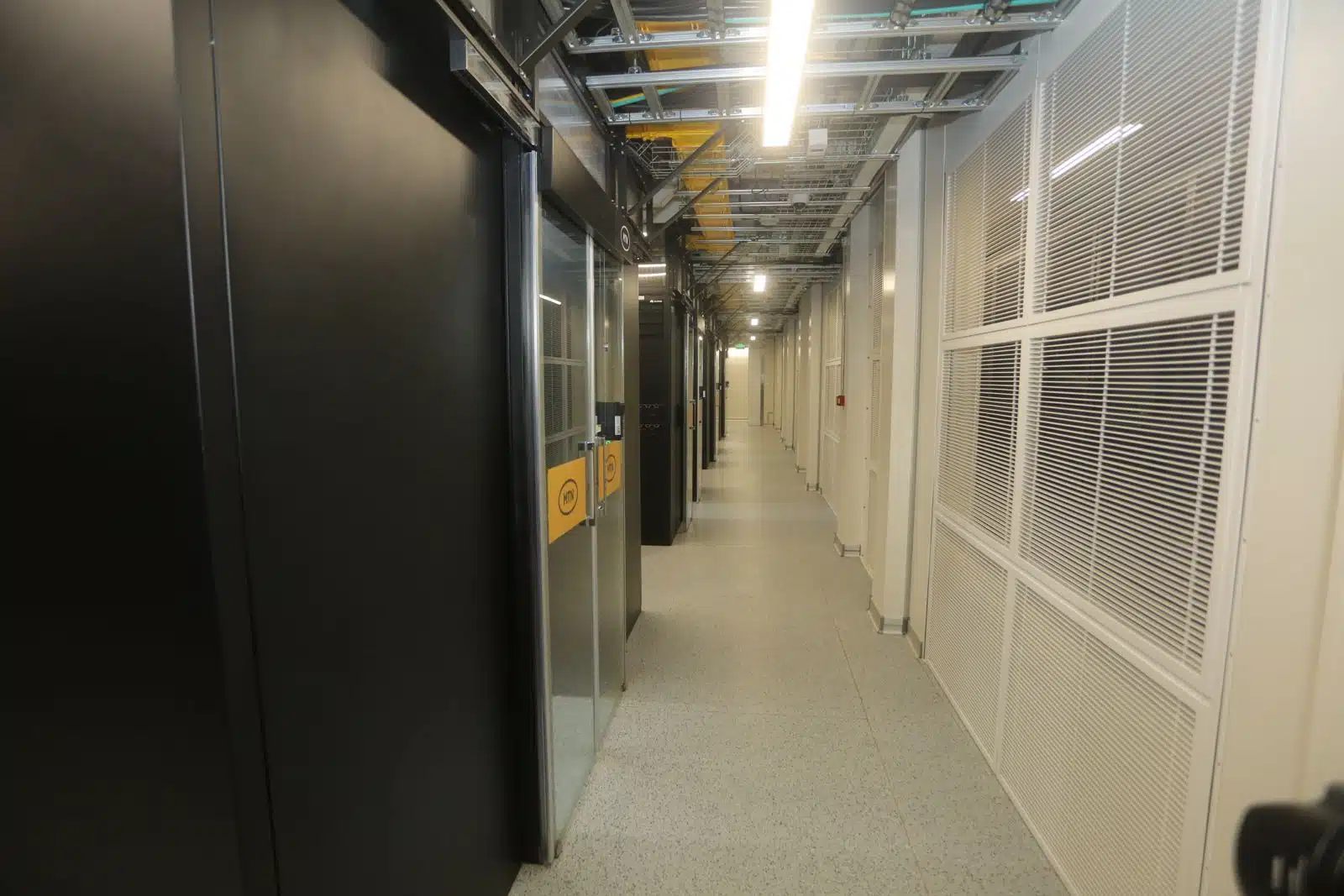
Nigeria’s telecoms sector is in an awkward standoff, and this time, it’s not just about pricing or network quality. It’s about whether court orders actually matter. On April 28, 2026, reports confirmed that MTN Nigeria, Airtel Nigeria, and the Federal Competition and Consumer Protection Commission are yet to comply with a Federal High Court ruling in Abuja ordering the immediate restoration of digital credit services powered by Nairtime Nigeria Ltd. The judge didn’t hedge; the suspension was described as “unlawful interference,” and a perpetual injunction was issued. Days later, the services are still offline.
To understand why this is dragging, follow the money. Airtime lending isn’t a side hustle; it’s a massive business. In the first nine months of 2025 alone, MTN’s fintech arm pulled in over ₦131 billion, largely driven by XtraTime. Strip that out, and the rest of its fintech revenue looks tiny by comparison. Across the industry, airtime and data lending are estimated to generate over ₦400 billion a year, with millions of Nigerians relying on it daily. The trigger for the shutdown was new rules introduced in 2025 that reclassified these services as consumer loans, pulling them into a stricter regulatory net.
That’s where the real conflict sits. The FCCPC says operators needed to comply with its lending rules. The telcos say they paused services to do exactly that. But another layer complicates things: the Nigerian Communications Commission had already licensed the underlying service provider. So now it’s less about compliance and more about jurisdiction — who actually has the authority to regulate what. And while regulators argue, over 150 million subscribers are stuck in the middle.
The human impact is immediate. Airtime credit isn’t a luxury feature; it’s a fallback for people who run out of cash but still need to make calls, send messages, or keep small businesses running.
How it got here is a slow build of missed deadlines and overlapping authority. The FCCPC introduced its lending regulations in mid-2025, extended compliance timelines multiple times, and then operators finally pulled the plug in April 2026. Meanwhile, one Federal High Court in Lagos moved to restrain parts of those regulations, while another in Abuja ordered services restored. Now there are two court positions, two regulators, and no clear resolution. Until the FCCPC and NCC settle who’s in charge, the system stays stuck, and millions of Nigerians remain collateral damage.
How PowerLabs is tackling Nigeria’s energy chaos

Running a business in Nigeria often means becoming your own power company. Because the grid is unreliable, most businesses juggle a mix of electricity sources — public power when it shows up, diesel generators when it doesn’t, and increasingly, solar systems layered on top. It’s a messy setup and an expensive one. The World Bank has repeatedly flagged Nigeria’s power supply as one of the least reliable globally, with outages stretching for days or even months. In response, more than 70% of businesses now rely on generators, pushing total annual spending on fuel and backup power to over ₦14 trillion.
That’s the problem PowerLabs is trying to solve. Founded in 2023, the startup has built a system called Pai, essentially a software layer that sits on top of a company’s existing power setup. Whether it’s diesel, solar, inverters, or the grid, Pai tracks everything in real time and helps businesses decide how to use each source more efficiently. Instead of just monitoring energy use, it actively recommends, and sometimes automates, decisions based on what a business cares about most: lower costs, steady uptime, or cleaner energy.
Under the hood, it’s powered by a locally built hardware device that connects all these energy sources and feeds data into the platform. From there, the system analyses patterns, including fuel usage, availability, and demand, and flags inefficiencies or better ways to switch between power sources. For businesses already running complex mini power systems, that optimisation can make a difference. PowerLabs says some customers have cut energy costs by up to 15%, which matters in a country where power can swallow as much as 60% of operating expenses.
It’s still early days, but the pitch is simple: in a country where electricity is unreliable, smarter power management can be just as valuable as more power itself. And if that holds, tools like Pai could quietly become part of how businesses stay afloat. For more, check out Chimgozirim’s latest for Techpoint Africa.
Canal+ is listing on the Johannesburg Stock Exchange

Canal+ has made its biggest public move yet since taking over MultiChoice, and it’s a mix of market signalling and hard resets. On April 28, 2026, the French broadcaster confirmed it will list on the Johannesburg Stock Exchange on June 3, becoming the first French company to do so. It’s part of the conditions tied to the acquisition, but it also gives South African investors a direct stake in a global media group operating in over 70 countries with more than 40 million subscribers.
The same day, Canal+ released its first results fully including MultiChoice: revenue at the unit dropped 6.2% to €617 million for Q1, even though subscription income held steady when you strip out currency effects.
Then came the bluntest decision yet: Showmax is being shut down on April 30. After years of losses, including R4.9 billion in the last financial year, Canal+ is folding it into DStv Stream, with CEO Maxime Saada saying the integration is now in “operational execution.” It’s a clear signal that the new owners aren’t interested in dragging legacy bets forward. Clean-up first, then rebuild.
Zoom out, and the strategy is starting to take shape. Canal+ is simplifying pricing, scrapping DStv’s annual price hike, and — in a big shift — putting the entire 2026 FIFA World Cup across all DStv packages, including the entry-level Access tier. That’s never really been the model before; premium sports used to sit behind premium paywalls. Now it’s about reach. More viewers, fewer barriers, and a bet that retention and scale matter more than squeezing high-end subscribers.
That shift isn’t happening in a vacuum. Competition is getting tighter, especially with free-to-air options in play. In South Africa, parts of the World Cup will also be available without a subscription, which makes Canal+’s move feel less like generosity and more like defence. At the same time, DStv’s pricing structure, which can run from a few dozen rand to over R1,000 monthly depending on setup, has become too complex. Canal+ has said as much, and it’s planning to streamline the system while pushing growth on the ground with more than 1,000 new sales hires.
Canal+ now controls a vast business across nearly 70 countries, but one that’s been losing ground to global streaming platforms. Its plan is clear: stabilise, cut costs, and return to growth, with major synergies already underway. The JSE listing signals South Africa’s central role. The real test is execution, but early signs suggest Canal+ sees this as a rebuild, not just an acquisition.
In case you missed it
- After years building telecom and enterprise software, this founder is now focused on HR systems
What I’m watching
- The Most Dangerous Book Ever Written About Human Consciousness
- Everyone’s chasing wins. No one actually feels better. | Brad Stulberg: Full Interview
Opportunities
- Flutterwave is hiring for several roles in Nigeria, the UK, and the US. Apply here.
- ABDS 2026 will take place April 29–30, 2026, in Lagos, gathering founders, investors, developers, and policymakers shaping Africa’s blockchain and Web3 ecosystem. The summit focuses on industry insights, partnerships, and investment opportunities in one of the world’s fastest-growing crypto markets. Secure your pass or sponsorship here.
- As one of Techpoint Africa’s most engaged readers, you have a direct hand in shaping what we publish next. Take our quick, 3-minute survey to tell us the stories and features you value most. Your responses are anonymous, and your feedback will help guide our editorial focus in the months ahead. Fill the survey here.
- Moniepoint is hiring for over 100 roles. Apply here.
- Building a startup can feel isolating, but with Equity Merchants CommunityConnect? You can network with fellow founders, experts, and investors, gaining valuable insights and exclusive resources to help you grow your business. Click here to join.
- To pitch your startup or product to a live audience, check out this link.
- Follow Techpoint Africa’s WhatsApp channel to stay on top of the latest trends and news in the African tech space here.
Have a wonderful Wednesday!
Victoria Fakiya for Techpoint Africa