



M-KOPA Nigeria is looking to expand beyond smartphone financing following a strong performance in 2025. During the said period, the company disbursed more than ₦231 billion in loans.
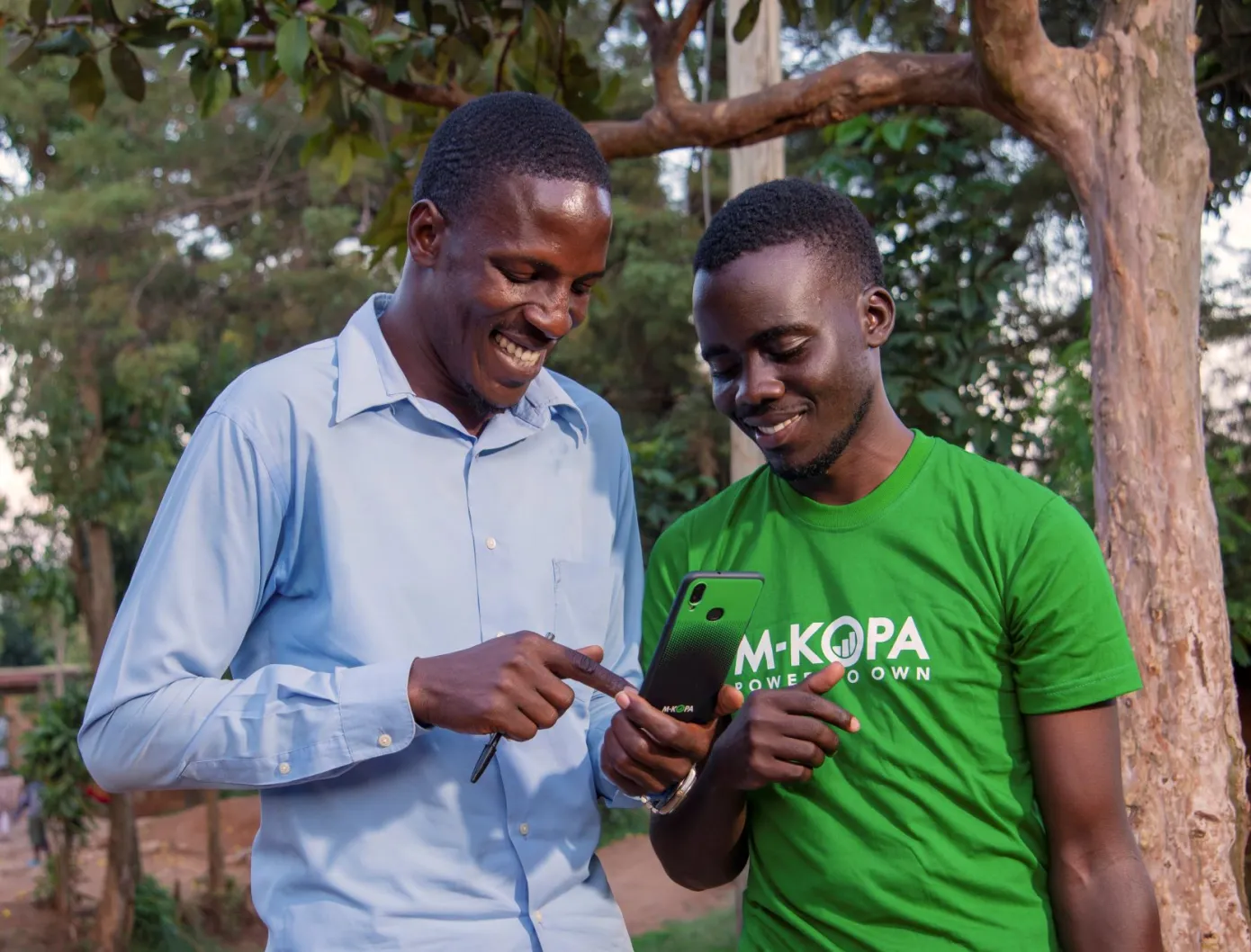
The milestone signals growing demand from Nigeria’s informal economy, a segment long underserved by traditional lenders but increasingly dependent on digital tools for income generation. In Nigeria, M-KOPA primarily finances smartphones for individuals operating within the informal sector.
As smartphone and Internet penetration deepens, mobile devices have evolved from basic communication tools into essential work assets. For millions of traders, gig workers, and small business owners, access to a smartphone now directly influences earning capacity.
Yet this demographic continues to face limited access to credit from formal financial institutions. By focusing on asset-backed lending, M-KOPA has positioned itself as a lender of choice for customers seeking productive tools. Its model allows customers to make an initial deposit followed by daily payments. Where repayments stall, the company retrieves the device and refunds the original deposit, though daily instalments are non-refundable.
The approach appears to be yielding results. According to its latest impact report, M-KOPA surpassed one million customers in Nigeria in 2025. Since launching in 2019, it has disbursed ₦320 billion in loans, with 2025 marking a significant acceleration. Notably, 29% of customers — approximately 290,000 people — report being first-time smartphone users, while 77% say they use their devices to generate income.
Although the company declined to disclose specific revenue figures, it stated that it contributed over ₦2.5 billion in taxes in 2024. Based on Nigeria’s corporate tax structure, this suggests annual revenues north of ₦60 billion for its Nigerian operations. Globally, M-KOPA reported reaching profitability for the first time last year, with revenues of $416 million. Nigeria remains its fastest-growing market.
Commenting on plans to move beyond smartphones, General Manager Babajide Duroshola described the shift as a natural progression, driven by limited lending penetration from traditional banks.
“Nigeria’s formal lending penetration sits below 5%,” he explains. “Yet, there is enormous appetite for productive assets — smartphones for digital trade, motorcycles for ride-hailing, generators for businesses, appliances for home enterprises, and laptops for the gig economy.”
The announcement follows a recent Semafor report indicating that FairMoney, a credit-led neobank, intends to expand into financing phones and motorcycles, further signalling recognition of the opportunity within the informal sector.

Victoria Fakiya – Senior Writer
Techpoint Digest
Make your startup impossible to overlook
Discover the proven system to pitch your startup to the media, and finally get noticed.
While commercial banks are frequently criticised for failing to serve this segment, their caution reflects limited recovery mechanisms in unsecured lending. M-KOPA, however, argues that its credit-scoring engine built on smartphone repayment data provides alternative credit signals that enable it to scale sustainably.