


Governance & Policy
Regulations, laws, directives and policies, that affect African startups, the financial sector, telecoms, cyber security, among others. It’s unpredictable nature either enables, stifles or is neutral on innovation


Top stories

Senegal has blocked Internet access nationwide, citing the spread of hateful messages on social media. This follows the postponement of the presidential election, which sparked widespread outrage.

The Zambian government has revealed plans to build 60 4G mobile towers to improve Internet connectivity in rural areas, two months after announcing plans to establish digital centres in the country.

The CBN has reviewed the capital requirement for International Money Transfer Operators (IMTOs) to $1 million for foreign and local companies. It has also prohibited fintechs from providing IMTO services following a decade-long ban on banks.
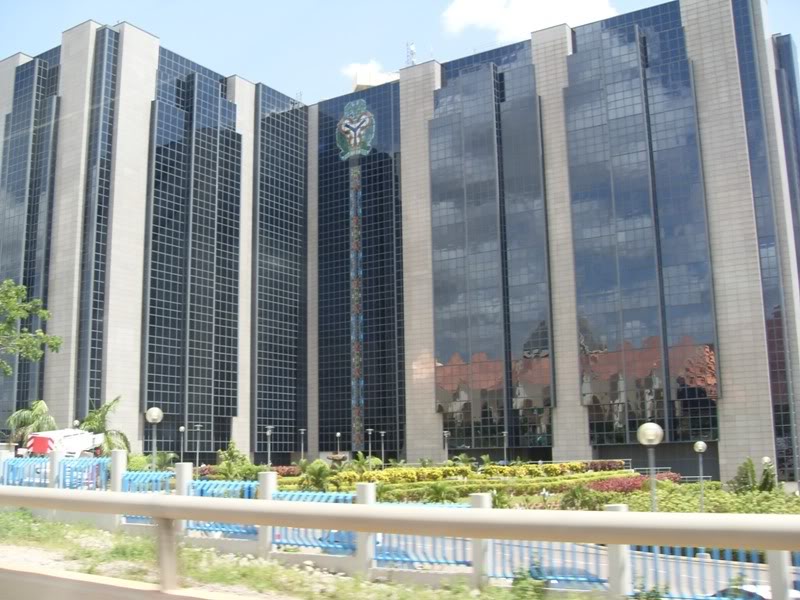
The Central Bank of Nigeria has removed the initial exchange rate limit, allowing market-based caps to increase the flexibility of Nigeria’s foreign exchange market.

South Africa’s Financial Sector Conduct Authority (FSCA) has warned the public to verify before engaging in any investment offering.

The Ghana Chamber of Telecommunications has issued a final warning to all mobile money agents in Ghana to link their accounts to the Ghana Card or Tax Identification Number (TIN) to avoid blocking.

Beginning February 1, 2024, Electricity Company of Ghana (ECG) customers will apply for services such as New Service, Separate Metres, and Additional Load via the company’s mobile application.

The Nigeria Data Protection Commission (NDPC) has revealed that it’s investigating 17 major data breaches and has generated ₦400 million so far from its operations.

Following a Q1 2023 report that ranked Nigeria 32nd among countries with the most data breaches, the government has stated that it is digitising public services to protect citizens’ data.

Babajide Sanwo-Olu, the Governor of Lagos State, has announced the launch of the state’s electronic geographic information system (e-GIS). Residents can now search, verify, and apply for land titles online.

Zimbabwe has declared Starlink illegal and threatened to arrest anyone distributing or using it within the country.

The state government of Anambra has partnered with 26 big tech companies, including Amazon, Meta, Google, Dell, and Microsoft, to support digital innovation and technology collaboration in the state.

The Ministry of Communications, Innovation, and Digital Economy will launch Nigeria’s Broadband Alliance, an initiative to promote broadband and Internet access in seven states, including Edo, Imo, Kwara, and Katsina, in the first quarter of 2024.

The Central Bank of Nigeria has appointed new executives for Union, Keystone, and Polaris Banks, just hours after dismissing the previous ones for failure to comply with regulations.

President Tinubu has dismissed Babatunde Irukera, the Executive Vice Chairman and CEO of the Federal Competition and Consumer Protection Commission, one month after announcing a new regulatory framework to address Nigerians’ rising indebtedness to loan apps.
A recent report has revealed that sub-Saharan Africa lost $1.74 billion in 2023 due to government-induced Internet shutdowns, affecting 84.8 million Internet users. The MENA region also incurred a loss of $1.44 billion, impacting 105.04 million users.

GTBank and FirstBank have begun to levy ₦50 stamp duty fees on foreign transactions equivalent to ₦10,000 and above, following the Federal Inland Revenue Service’s (FIRS) directive to Nigerian commercial banks.

The Ghana Revenue Authority has announced that e-hailing drivers and commercial car owners will begin paying quarterly tax in January 2024. New and existing drivers must also update their digital platforms and provide proof of Vehicle Income Tax (VIT) payments.
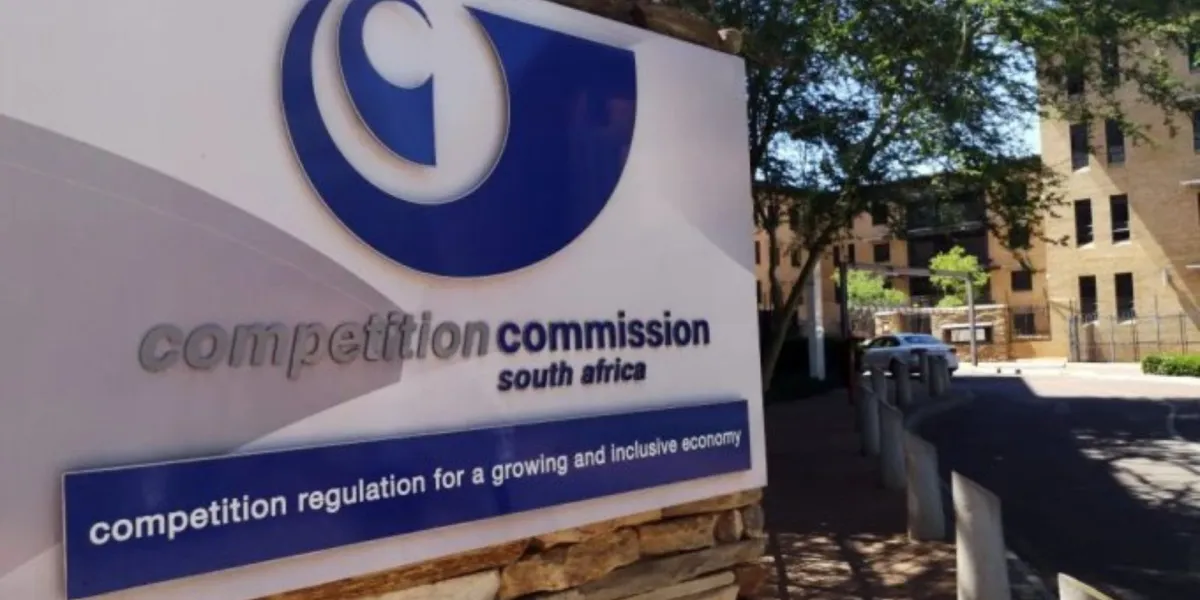
The South African Competition Commission has requested feedback on its Further Statement of Issues (FSOI) regarding its investigation into discrepancies between South African media publishers and big tech platforms such as Apple, Facebook, and Google.

The Zambian government has announced plans to establish Community Digital Transformation Centres where citizens can access free Internet services.