

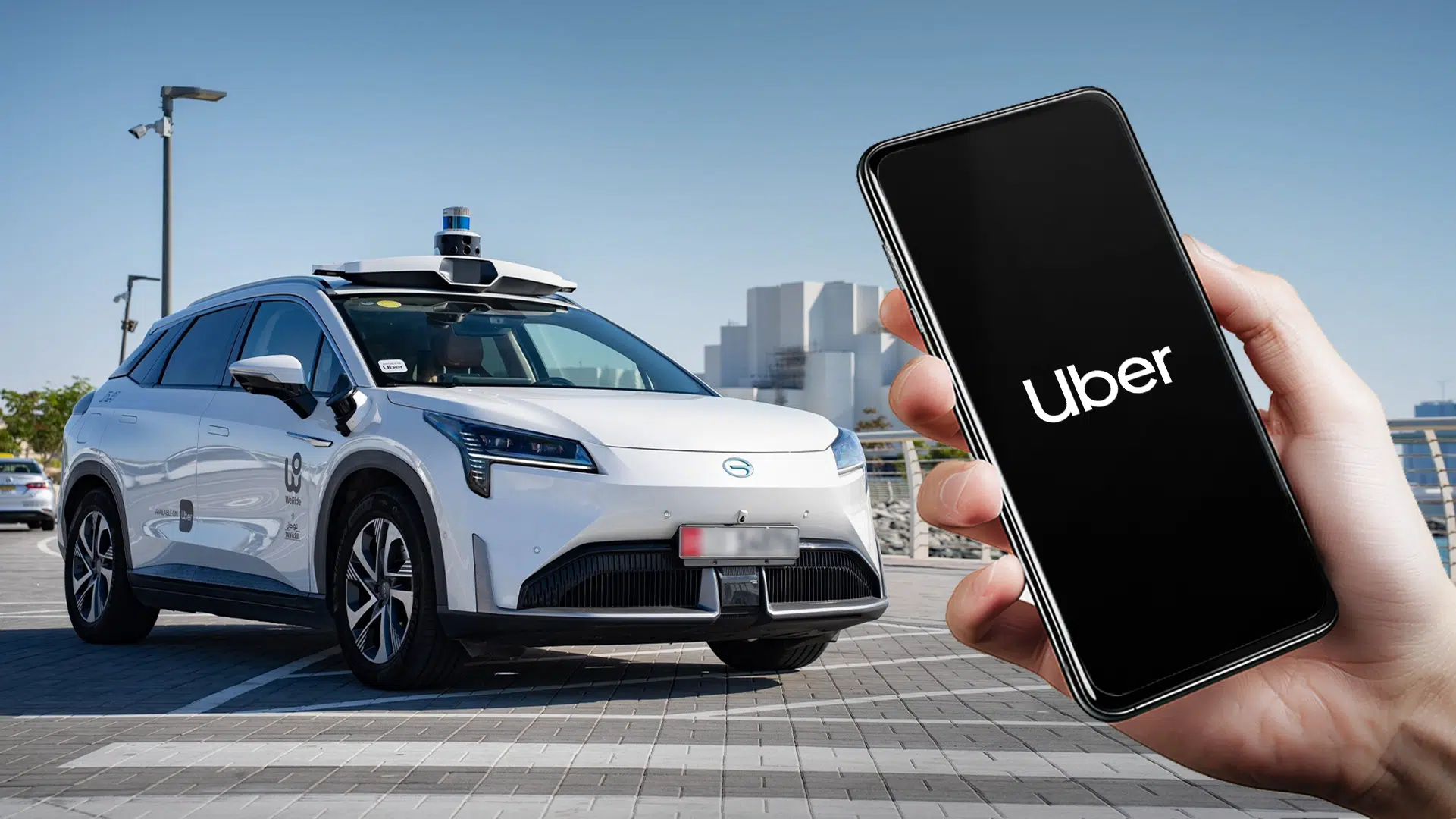


On September 2, 2026, Uber announced an end to its operations in Nigeria and Uganda. What made the Nigerian exit particularly jarring was how quickly it happened. The company packed its bags the same day it wound down operations, without giving drivers and passengers a notice period.
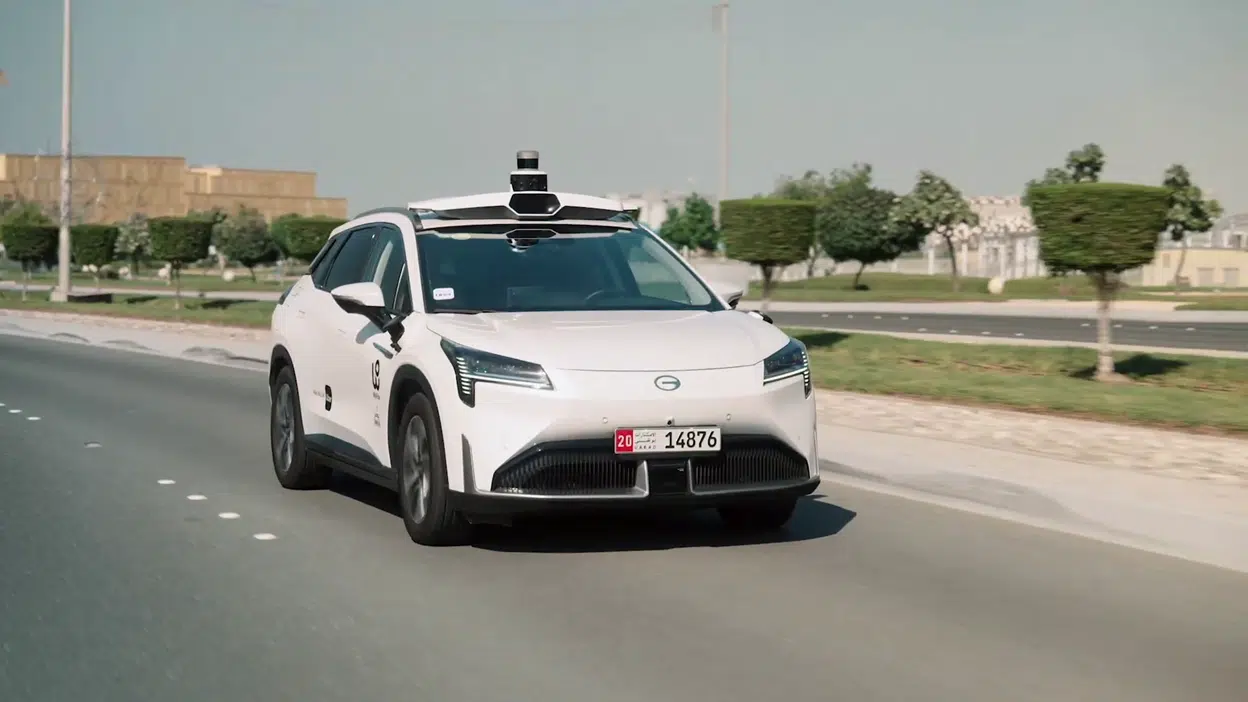
In the wake of its exit from Nigeria, Uber is pursuing a driverless future. In partnership with Wayve, it launched self-driving taxis in London on September 3, 2026.
Uber first arrived in Nigeria in 2014 and spent 12 years building a ride-hailing business in one of Africa’s biggest markets. But its time in the country was also marked by persistent friction.
Upon entry, drivers protested the company’s commission structure, particularly the standard 25% commission. Then came the removal of the petrol subsidy in 2023, which significantly increased the cost of keeping a vehicle on the road. Fuel prices, maintenance costs, inflation, and fluctuating earnings continued to put pressure on drivers, while riders faced higher fares.
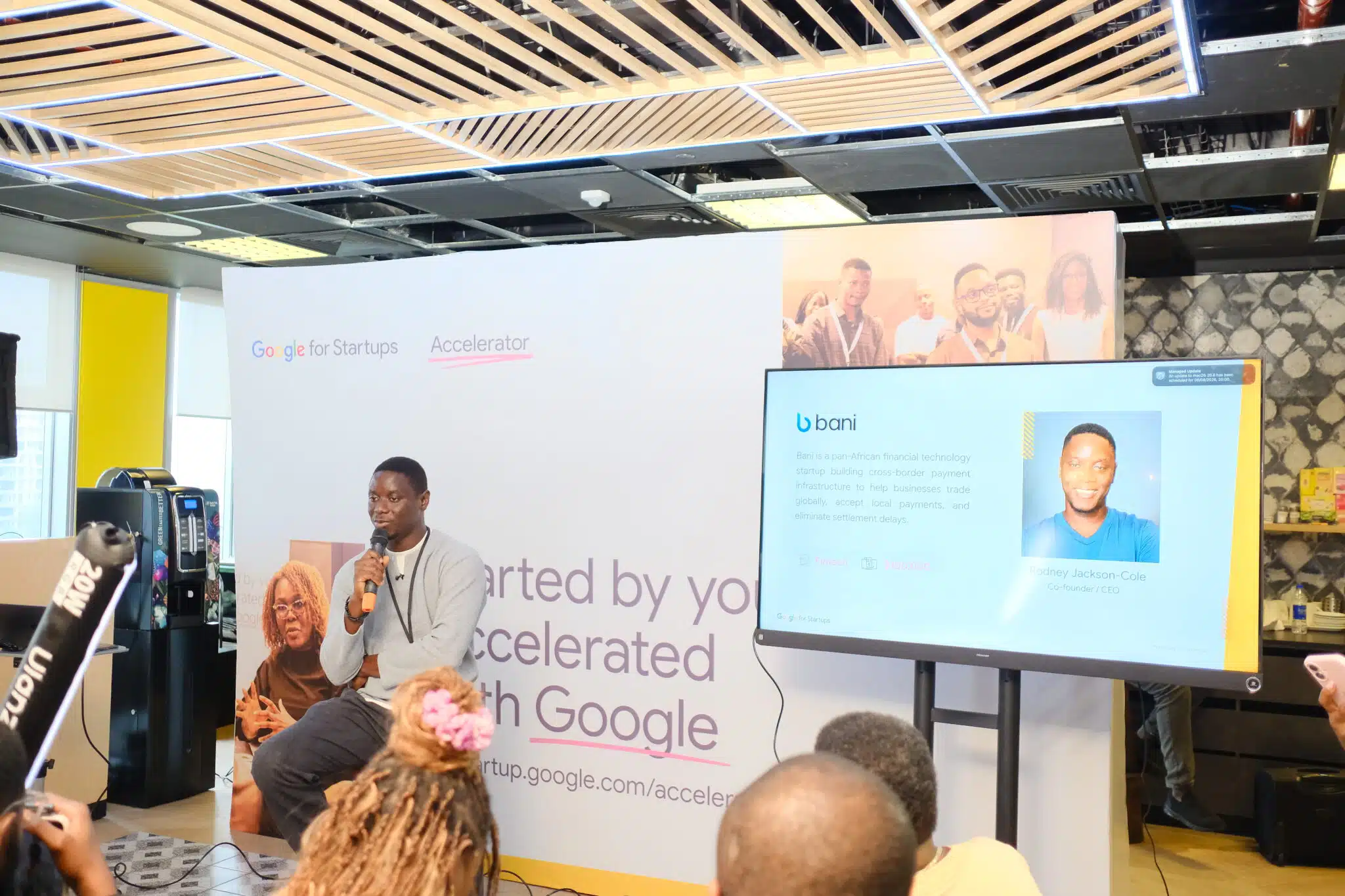
Beril Bunuzigha, Co-Founder and CEO of clean-technology mobility startup Yoyei, says Uber’s departure should not be interpreted as evidence that Nigeria is an unattractive mobility market.
“Nigeria is not the problem,” he says.
Instead, he believes the exit shows how difficult it is to operate a mobility business when the model does not adequately adapt to market realities.
Nigeria has the demand, but the economics are difficult
Nigeria has many of the characteristics a ride-hailing company would want. The country has a large population, a growing urban population, widespread smartphone use, and significant demand for transportation.
The problem is turning that demand into a business that works for everyone involved.
A ride-hailing platform sits between two groups with competing expectations. On one hand, drivers need to earn enough to cover fuel, maintenance, vehicle financing, and other costs while taking home a meaningful income. Riders, however, want affordable, safe and reliable transportation.
When operating costs rise, something eventually has to give. For drivers, it could mean working longer hours or rejecting trips that are no longer profitable. For riders, it could mean higher fares or fewer available cars. For platforms, it could mean pressure on margins as they try to keep fares affordable without making the business unattractive to drivers.
According to Bunuzigha, mobility companies cannot afford to see their role as simply connecting drivers with passengers.
“The future of mobility must include a stronger economic proposition for drivers,” he says. “If drivers cannot earn sustainably, the wider platform cannot be sustainable either.”
Bolt and inDrive are not immune
Uber’s exit is likely to have an immediate impact on drivers who relied on the platform for their livelihoods, as it’s one fewer option. Competition on Bolt, inDrive, and other platforms will intensify. Some drivers may increase their reliance on private trips and direct customers.
But none of these necessarily solves the underlying problem.
Drivers still have to pay for fuel, maintain their vehicles, deal with traffic, and manage unpredictable earnings. If these costs continue to rise faster than what drivers can earn, switching apps only changes where they encounter the problem.
The industry has traditionally focused heavily on attracting riders, expanding driver networks, and increasing the number of trips completed. But the economics of the driver could become just as important to determining whether a platform can retain its supply.
A platform with many drivers but few satisfied ones will eventually struggle to provide reliable service. Conversely, higher driver earnings could put upward pressure on fares, making the service less affordable for consumers.
The challenge is finding a model where both sides of the marketplace can survive.
Most drivers on Uber were already providing services on Bolt and inDrive, but Uber’s exit could lead to a larger share of Nigeria’s ride-hailing market for the remaining options. But gaining market share does not remove the conditions that contributed to Uber’s difficulties.
“A larger market share does not eliminate high energy costs, vehicle expenses, driver dissatisfaction, consumer affordability concerns, or service-quality expectations,” Bunuzigha says.
Riders will still want affordable fares, while expecting safety, reliability, and good service. This means Uber’s exit could become less about which company takes its customers and more about which companies can develop a sustainable operating model.
This could require platforms to take a more active role in transportation economics rather than simply providing the technology that connects drivers with passengers.
Could cheaper energy change the equation?
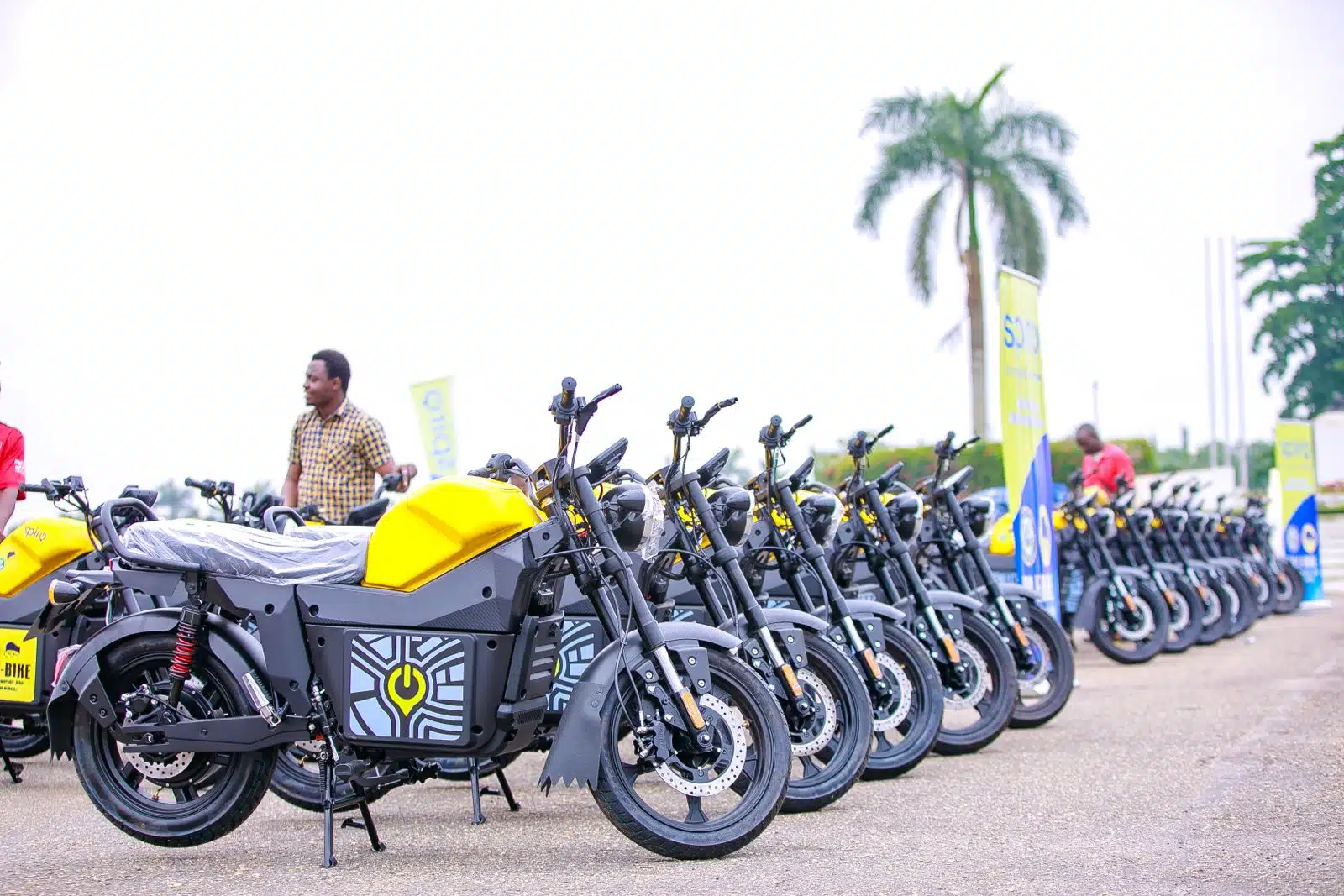
The rising cost of petrol has pushed drivers and mobility companies to consider alternatives, particularly compressed natural gas (CNG) and electric vehicles (EV). CNG offers a potential short-term way for commercial drivers to reduce fuel costs, while electric vehicles could provide a longer-term alternative for high-mileage drivers and fleets.
Bunuzigha believes Nigeria is moving towards greater adoption of electric vehicles, particularly in areas such as ride-hailing, corporate mobility, and other high-usage transportation services.
However, replacing petrol-powered vehicles with electric ones is not as simple as putting more EVs on Nigerian roads.
Drivers need access to financing because EVs can carry higher upfront costs. They also need reliable charging infrastructure, maintenance and repair services, fleet management, and a business model that allows them to recover their investment. Without those pieces, EV adoption could remain limited to a relatively small section of the market.
This is where the mobility opportunity could begin to move beyond ride-hailing. Bolt and inDrive still operate in an environment where fuel and vehicle maintenance are expensive.
This means the next phase of competition in Nigerian mobility may be less about who has the most riders and more about who can build a model that works economically for drivers while remaining affordable for passengers. That could require mobility companies to think beyond the app.
“Africa does not simply need more transport applications. Africa needs better mobility technology, operating systems, and infrastructure.”
That could mean a shift from competing purely on ride-hailing towards building integrated mobility businesses.