



Dia dhuit,
Victoria from Techpoint here,
Here’s what I’ve got for you today:
- inDrive drivers cry out over double VAT deductions
- OpenAI beats Google in the health chatbot race
- Passport applications go digital in Zambia
inDrive drivers cry out over double VAT deductions

App-based drivers using inDrive are starting 2026 on a sour note. The Amalgamated Union of App-Based Transporters of Nigeria (AUATON) says its members are being hit with double VAT deductions on trip fares, a development drivers say quietly kicked in on January 1 as they resumed work for the new year, per Nairametrics.
Per AUATON’s South-West vice-president, Kolawole Aina, drivers noticed two separate VAT charges on their invoices: one listed as service payment VAT and another simply labelled VAT. The result, he says, is that total deductions per trip have jumped from about 9.99% to roughly 12.5%, further cutting into earnings that are already under pressure.
The union says it’s unclear who authorised the extra VAT. Since VAT is a government tax, AUATON suspects the move may involve either the Federal Government or Lagos State, possibly working with the platform. What has angered drivers even more, the union says, is the lack of transparency, with decisions affecting their income allegedly taken without consulting driver representatives.
AUATON also claims the deductions appear to apply only to app-based drivers, not to flag-down taxis or park-based operators. To make matters worse, the union says inDrive has failed to communicate with drivers or the association, adding that some drivers who don’t comply with the deductions are reportedly unable to accept new ride requests.
All of this is happening as Nigeria begins implementing new tax laws from January 1, 2026, although the VAT rate itself remains 7.5%. While the Nigeria Tax Act 2025 focuses on digital compliance and revenue reforms, drivers say the situation on inDrive feels like double taxation in practice, and they’re now calling on both the company and the government to explain exactly what’s going on.
Passport applications go digital in Zambia

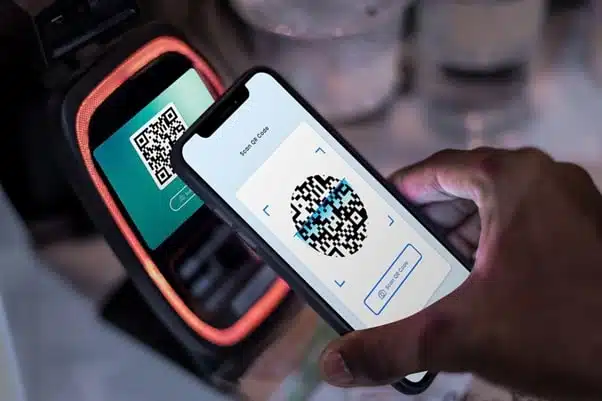
Zambia has officially flipped the switch on its online passport application system, taking another step in its push to move government services online. The new platform allows citizens to apply and pay for passports digitally, cutting out much of the paperwork and long queues that have traditionally defined the process.

Victoria Fakiya – Senior Writer
Techpoint Digest
Stop struggling to find your tech career path
Discover in-demand tech skills and build a standout portfolio in this FREE 5-day email course
Per the SMART Zambia Institute, which oversees the country’s e-government efforts, more than 1,000 passports have already been processed online. The agency says the system is designed to make passport services more transparent and efficient while giving applicants the ability to track their applications instead of relying on guesswork or middlemen.
Beyond convenience, the government is framing the move as a trust-building exercise. By digitising applications and payments, officials say they are reducing delays, tightening data protection, and limiting opportunities for errors and abuse that often thrive in manual systems.
The rollout fits into a broader policy direction. Zambia’s Ministry of Technology and Science has been pushing public agencies to adopt paperless operations, arguing that digital tools can significantly cut costs. SMART Zambia has previously estimated that smart office solutions could save the government over ZMW400 million (about $15 million) annually on stationery alone, while also improving service delivery.
Regionally, Zambia is following a well-trodden path. Countries like Kenya, with its eCitizen platform, Rwanda, through Irembo, and Nigeria, which now supports online passport applications and appointments, have shown how digital identity and document services can reduce friction between citizens and the state. Zambia’s challenge now will be scaling the system reliably, and ensuring that access extends beyond urban centres to truly make the service national.
OpenAI beats Google in the health chatbot race
Google’s much-anticipated play in health-focused AI chatbots is nowhere near as ready as OpenAI’s newest offering. While OpenAI has just launched ChatGPT Health, a dedicated space inside ChatGPT for health and medical queries that even lets people link personal data like medical records and wellness apps, Google’s own health chatbot ambitions are reportedly trailing behind with no imminent rollout in sight.
The gap matters because people already treat chatbots like medical assistants. OpenAI says over 230 million health-related questions are asked on ChatGPT every week, and users are increasingly relying on AI to make sense of lab results, prep for doctor visits, and interpret wellness data even if these systems aren’t doctors. With ChatGPT Health, OpenAI has taken those informal health queries and put them into a separate, encrypted space with extra privacy layers and physician input, a feature Google hasn’t matched yet.
Google’s own attempts at health chatbots, including its Med-PaLM model that’s been tested in hospitals, showed promise but haven’t translated into a widely available consumer product that rivals OpenAI’s new push. Earlier reports have suggested Google is feeling pressure in the broader AI race, triggering internal “code red” efforts to catch up.
That competitive scramble highlights a bigger shift in tech: AI makers are no longer just chasing general-purpose chat; they’re moving into sensitive and highly regulated spaces like health, where accuracy, privacy, and safety are critical. OpenAI’s launch is getting attention precisely because it pairs machine intelligence with real health data in one place, a tough feat when liability, quality control, and misinformation risks loom large.
Critics will point out that AI health tools aren’t a substitute for trained professionals, and safety advocates warn about hallucinations and misinformation. But for many users without easy access to doctors, these tools already fill gaps, and whoever nails this first could set the playbook for AI in healthcare.
In case you missed it
- African AI products that impressed in 2025
What I’m watching
- The Psychology of People Who Don’t Remember Their Childhood
- Dopamine Expert: Short Form Videos Are Frying Your Brain! This Is A Dopamine Disaster!
Opportunities
- Don’t Miss the Africa Business Convention (ABC) 2026. It’s Africa’s #1 Business Conference & Investment Expo. Book your seat today here.
- Moniepoint is hiring for over 100 roles. Apply here.
- We’re hosting a debate on AI in daily life. Join us to share your insights and perspectives.
- Techpoint Africa is creating a video series where people discuss and debate policies and current events. If you enjoy thoughtful conversations, fill out this form. Apply here.
- Are you building a startup can feel isolating, but with Equity Merchants CommunityConnect? You can network with fellow founders, experts, and investors, gaining valuable insights and exclusive resources to help you grow your business. Click here to join.
- Help us make Techpoint better for you! Your feedback shapes what comes next (your responses may potentially save my job. A bit dramatic, but still). It will only take 30 seconds to tell us what works and what doesn’t. Fill it here.
- To pitch your startup or product to a live audience, check out this link.
- Have any fresh products you’d like us to start selling? Check out this link here.
- Follow Techpoint Africa’s WhatsApp channel to stay on top of the latest trends and news in the African tech space here.
Have a fun weekend!
Victoria Fakiya for Techpoint Africa